
Agaricomycetes · Agaricales
Tricholome De La Saint-georges, Mousseron De La Saint-georges
Calocybe gambosa
Préoccupation mineure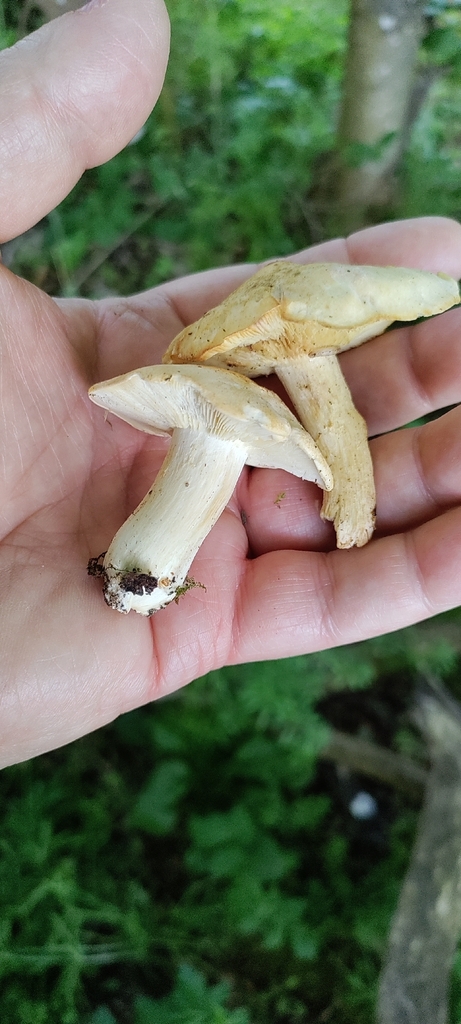
© ksaro1 · iNaturalist · CC BY 4.0
Classification scientifique et faits rapides
Classification
Known For
Detailed measurements for this species are still being verified.
Le champignon de Saint-Georges, Calocybe gambosa, est un basidiomycète printanier hautement apprécié des mycophages européens. Son apparition coïncide avec le retour des beaux jours et marque souvent le début de la saison de récolte : une annonce biologique que l’hiver a definitif cédé place aux mois plus doux. Ce champignon charnu et robuste se reconnaît à sa chair blanche, compacte et à son odeur caractéristique légèrement farineuse, rappelant le grain ou la poudre de blé frais.
Calocybe gambosa est actuellement classé en préoccupation mineure par l’Union internationale pour la conservation de la nature, et sa présence a été documentée dans au moins 17 pays à travers le monde. Bien que largement distribué en Europe tempérée et en régions méditerranéennes, ce champignon reste un trésor culinaire régional, particulièrement recherché en France, en Italie et en Espagne. Son statut de conservation stable et sa disponibilité saisonnière fiable en font un sujet d’intérêt écologique et gastronomique durable.
Identification et Apparence
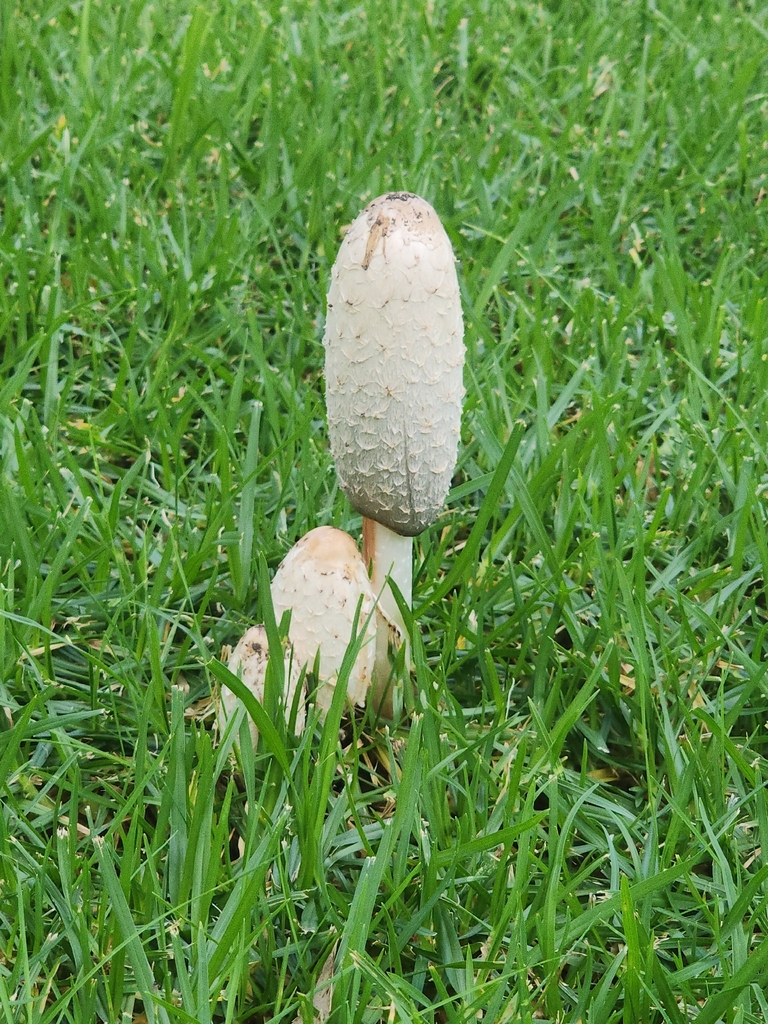
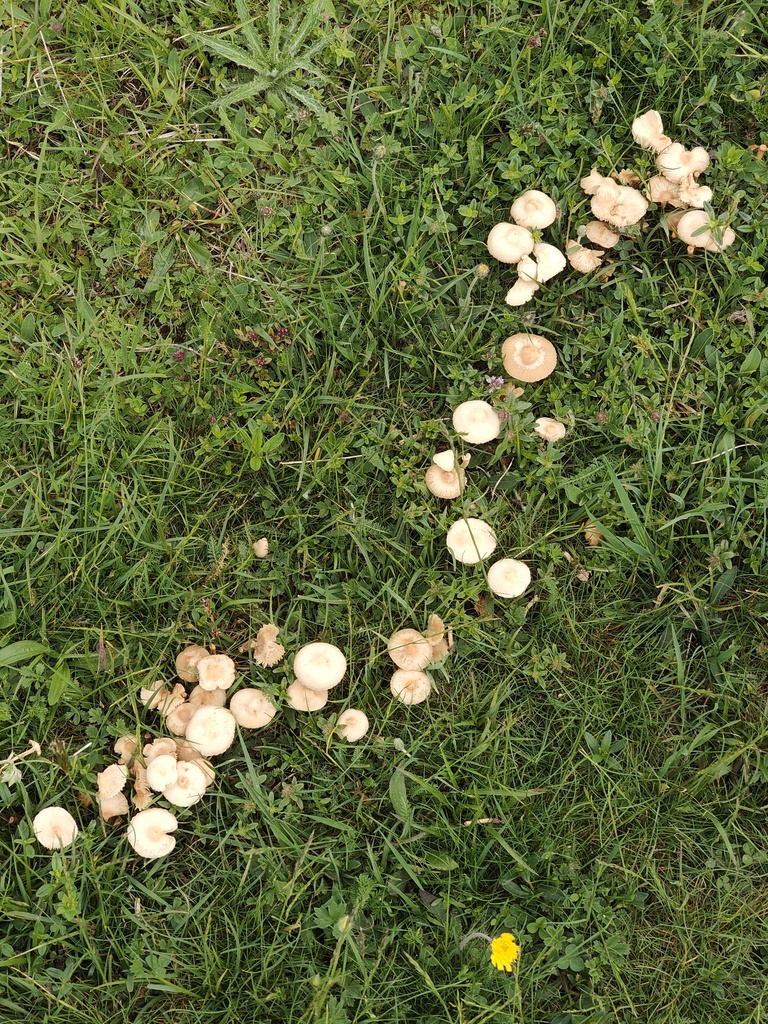
Le Champignon de Saint-Georges, Calocybe gambosa, se reconnaît à son chapeau lisse mesurant de 5 à 15 cm de diamètre, présentant une texture particulière marquée de petites ridges. La coloration générale varie du blanc au crème, tant le chapeau que le pied et la chair. Cette teinte claire et uniforme constitue l’une de ses caractéristiques essentielles d’identification.
Caractéristiques morphologiques
Les lames sont blanches, serrées et sinueuses, caractéristique qui facilite leur distinction. Le pied, ou stipe, est court et trapu, renflé à la base, conservant la même coloration blanchâtre que le reste du champignon. La chair est dense et molle, dégageant une odeur distinctive rappelant le melon ou le concombre, avec une subtile texture farineuse au toucher.
Le sporophore laisse une empreinte de spores blanche, confirmant son appartenance à ce groupe mycologique. Ces caractéristiques combinées — chapeau ridé blanc crème, lames serrées blanches, pied trapu et odeur caractéristique — permettent une identification fiable sur le terrain.
Espèces similaires à éviter
La vigilance s’impose face à deux espèces toxiques partageant des habitats identiques. Inosperma erubescens, hautement vénéneuse, présente une odeur plus pungente et fruitée, et devient rouge à la pression. Entoloma sinuatum, également toxique, dégage une odeur rance caractéristique qui la distingue immédiatement du Champignon de Saint-Georges.
Distribution et Habitat
Calocybe gambosa est principalement distribuée en Europe de l’Ouest et centrale, avec une présence documentée dans 17 pays. Le Royaume-Uni et l’Allemagne dominent les observations, avec respectivement 98 et 93 enregistrements, suivis des Pays-Bas (65 enregistrements). La France, l’Espagne et la Suisse présentent une présence plus limitée mais confirmée, tandis que des observations isolées existent en Belgique, Italie, Danemark et Irlande.
Cette espèce affiche une phénologie saisonnière très marquée. Avril constitue le pic de fructification avec 258 enregistrements, ce qui explique son nom anglais « St. George’s Mushroom » (champignon de la Saint-Georges, célébrée le 23 avril). La présence hivernale et estivale demeure negligible, tandis que mars et mai enregistrent une activité bien inférieure à celle d’avril (respectivement 19 et 23 observations). Cette concentration printanière reflète l’écologie spécialisée de l’espèce, qui exploite les conditions climatiques particulières du début du printemps européen.
Les données d’altitude disponibles ne permettent pas de délimiter une préférence altitudinale précise pour cette espèce. Son habitat naturel en Europe tempérée l’associe typiquement aux prairies calcaires, pelouses semi-naturelles et lisières herbacées, bien que ses microhabitats exacts n’aient pas été détaillés dans l’ensemble de données. Cette plasticité écologique relative explique son succès de colonisation à travers plusieurs régions biogéographiques européennes.
Écologie et Cycle de Vie
Cycle de vie
Calocybe gambosa suit le cycle reproductif typique des basidiomycètes. Le mycélium, réseau filamenteux blanc, colonise le sol riche en matière organique et débris végétaux, particulièrement dans les prairies et les clairières. Ce mycélium reste dormant pendant les mois chauds et secs, puis se développe activement au printemps lorsque les conditions deviennent fraîches et humides.
Les carpophores (corps fructifères) émergent au début du printemps, généralement entre mars et mai selon la latitude et les conditions climatiques locales. Les chapeaux blancs crémeux portent des lamelles qui produisent des millions de spores. À maturité, ces spores sont libérées et dispersées par le vent sur de courtes et longues distances, colonisant de nouveaux habitats. Le cycle complet de fructification dure quelques semaines.
Rôle écologique
Calocybe gambosa fonctionne comme saprotrophes, décomposant la matière organique morte du sol. Le mycélium dégrade les résidus végétaux, les racines mortes et autres débris, libérant des nutriments essentiels qui enrichissent le sol. Cette activité de décomposition contribue au cycle des nutriments et à la fertilité naturelle des prairies et des écosystèmes herbacés.
L’espèce joue également un rôle indirect en tant que source de nourriture pour divers invertébrés du sol et petits animaux qui consomment les carpophores. Les spores dispersées favorisent la colonisation microbienne d’autres zones, maintenant la diversité fongique des écosystèmes tempérés.
Utilisations
Calocybe gambosa est très appréciée en cuisine européenne comme champignon comestible de premier ordre. La chair blanche ferme et le goût légèrement parfumé en font un ingrédient recherché au printemps. Les collecteurs traditionnels le connaissent sous plusieurs noms régionaux et le récoltent régulièrement dans les prairies permanentes et les terrains herbeux.
Le champignon se prête à de nombreuses préparations : sauté à la poêle, en sauce, séché pour l’hiver, ou consommé frais. Aucune propriété médicinale spécifique n’est documentée scientifiquement, bien que son apport nutritionnel en minéraux et protéines soit bénéfique. La récolte durable dans les zones où l’espèce est abondante ne menace pas les populations.
Conservation et Menaces
Calocybe gambosa, communément appelé le Champignon de la Saint-Georges, bénéficie d’un statut de conservation favorable. L’Union Internationale pour la Conservation de la Nature (UICN) le classe actuellement en catégorie « Préoccupation mineure » (LC), ce qui indique que l’espèce ne fait pas face à un risque d’extinction immédiat et que ses populations restent stables dans ses aires de répartition naturelles.
Bien qu’aucune menace majeure documentée ne pèse actuellement sur cette espèce, plusieurs facteurs environnementaux pourraient potentiellement affecter ses populations à long terme. Les changements climatiques et les modifications des habitats naturels, particulièrement dans les prairies et les zones herbeuses où il fructifie au printemps, pourraient influencer la disponibilité des ressources. De plus, l’utilisation croissante de pesticides dans les zones agricoles européennes représente une préoccupation écologique générale pour les champignons sauvages.
Efforts de conservation
À ce jour, aucun programme de conservation spécifique n’a été formellement établi pour Calocybe gambosa, car son statut stable ne le justifie pas. Cependant, dans plusieurs pays européens, la protection générale des habitats naturels et des zones de prairie participe indirectement à la sauvegarde de cette espèce. Certaines régions ont mis en place des régulations sur la récolte commerciale de champignons sauvages afin de maintenir les populations à des niveaux durables.
Signification Culturelle
Calocybe gambosa, affectueusement connu sous le nom de champignon de la Saint-Georges, est un herald printanier vénéré dans la tradition folklorique européenne. Le champignon blanc crème doit son nom populaire à une croyance ancienne : il ferait sa première apparition le jour de la Saint-Georges, le 23 avril, marquant symboliquement la fin de la disette hivernale des cueilleurs. Cette association calendaire a transformé le champignon en annonceur naturel du renouveau saisonnier, lui conférant une dimension presque rituelle dans la culture populaire d’Europe centrale et méridionale.
Sur le plan culinaire, Calocybe gambosa jouit d’une réputation bien établie comme champignon comestible de premier choix en Europe du Sud et du Centre. Historiquement, dans le Sud-Ouest français notamment, cette espèce était couramment commercialisée et consommée sous le nom générique de « mousseron », aux côtés d’autres espèces comestibles comme Marasmius oreades. Le champignon demeure une source appréciée de nutriments et de composés biologiquement actifs, enrichissant les traditions culinaires régionales et perpétuant une pratique de cueillette qui traverse les siècles. Son apparition prévisible au printemps en fait un trésor d’autant plus convoité que sa saison est brève et ses habitats spécifiques aux terrains calcaires bien localisés.
Le saviez-vous ?
- Le champignon de Saint-Georges porte son nom commun en raison de son apparition à la fin du mois d’avril au Royaume-Uni, période coïncidant avec la Saint-Georges (23 avril). Cette fructification printanière est exceptionnelle chez les champignons, dont la majorité apparaît en automne.
- L’espèce a été reclassée du grand genre Tricholoma au genre Calocybe, ce qui reflète une meilleure compréhension de ses caractéristiques génétiques et morphologiques distinctes parmi les champignons de cette famille.
- Son nom scientifique gambosa dérive du mot italien « gamba », signifiant « jambe » ou « tige », une référence directe à la structure caractéristique du champignon. Ce type de nomenclature révèle l’histoire polyglotte de la taxonomie mycologique.
- Le champignon dégage une odeur et une saveur fortement farineuses, rappelant à la fois la pomme de terre crue et le concombre. Cette signature sensorielle distinctive le rend facilement identifiable pour les cueilleurs expérimentés.
- Contrairement aux champignons saprotrophes qui se nourrissent de matière morte, le champignon de Saint-Georges établit des associations mycorhiziennes avec les arbres à feuilles larges, notamment le hêtre et le charme, formant un réseau souterrain mutuellement bénéfique.
- Le champignon est considéré comme un champignon comestible de choix, très recherché par les mycophages en Europe. Sa disponibilité prévisible au printemps en fait une récolte attendue chaque année dans les régions où il fructifie.
- La transition taxonomique de Calocybe gambosa du genre Tricholoma illustre comment les méthodes modernes d’analyse génétique continuent de reformer notre compréhension de la biodiversité fongique établie depuis des siècles par les naturalistes.
Écologie
Comportement
Comestibilité
Statut de conservation
LC (Préoccupation mineure) · NT · VU · EN · CR · EW · EX
Galerie photos
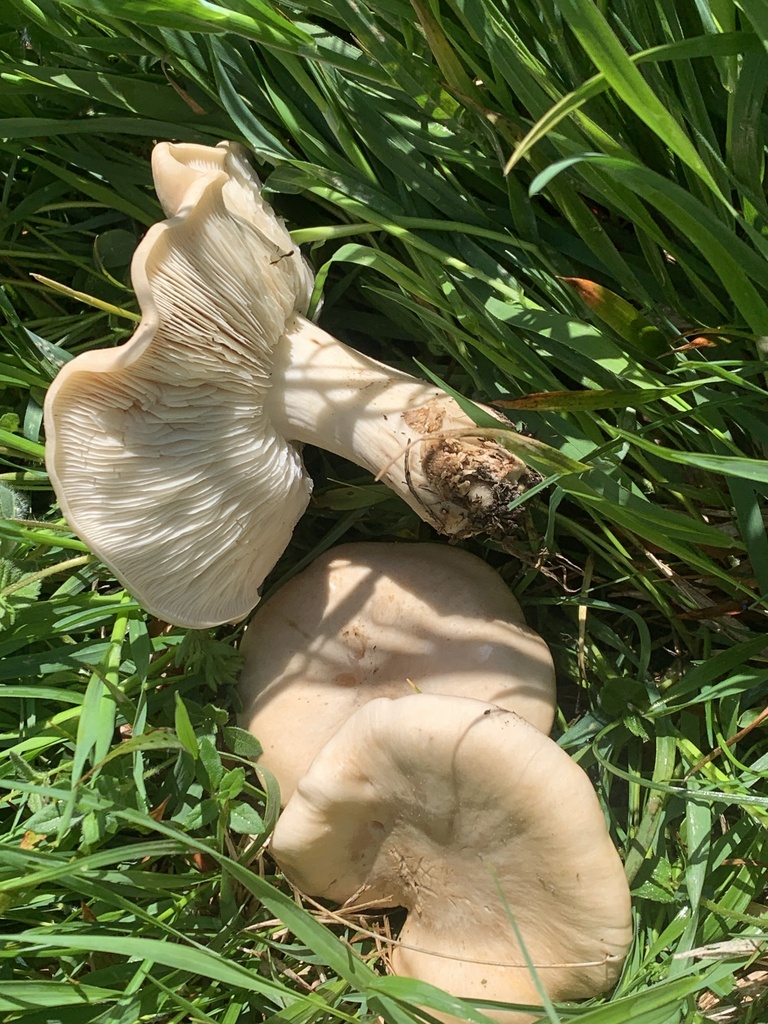
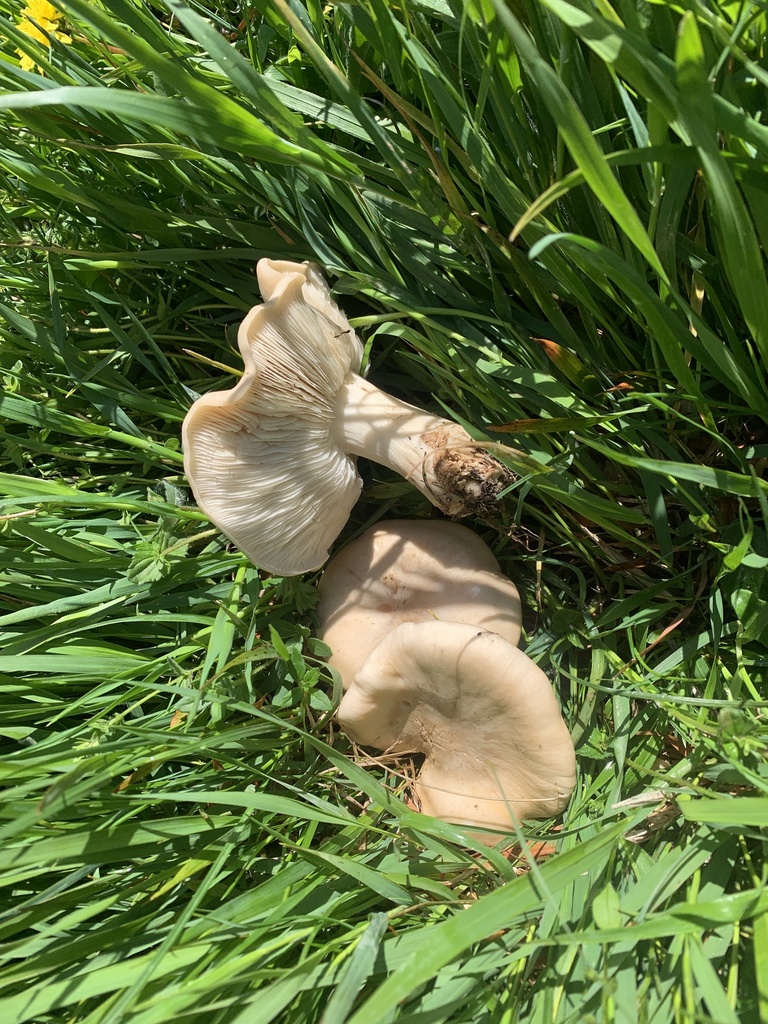
ksaro1 · CC BY 4.0
Espèces apparentées
Ce profil vous a-t-il été utile ?