
Agaricomycetes · Agaricales
St. George’s Mushroom
Calocybe gambosa
Risiko rendah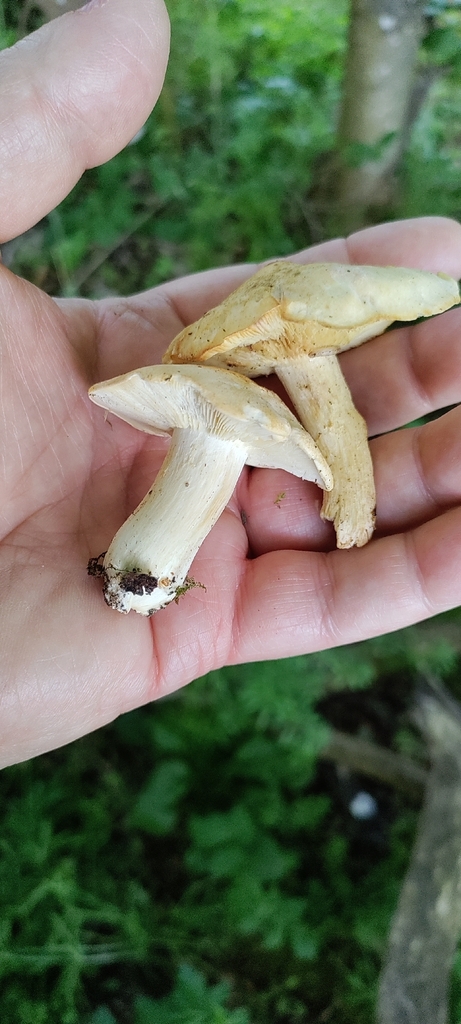
© ksaro1 · iNaturalist · CC BY 4.0
Klasifikasi ilmiah & fakta singkat
Klasifikasi
Known For
Detailed measurements for this species are still being verified.
Calocybe gambosa, yang dikenal sebagai St. George’s Mushroom, adalah jamur musiman yang muncul di awal musim semi di seluruh Eropa dan daerah beriklim sedang lainnya. Jamur ini dinamai demikian karena kemunculannya yang teratur pada atau sekitar hari St. George (23 April), menjadikannya tanda alami yang ditunggu-tunggu bagi pengumpul jamur berpengalaman. Dengan tutup berwarna krem hingga putih kecokelatan dan daging yang padat, spesies ini memiliki penampilan yang khas dan mudah dikenali di antara jamur musim semi.
Spesies ini tersebar di 17 negara dan memiliki status konservasi Least Concern menurut IUCN, menunjukkan populasi yang stabil dan sehat. Sebagai anggota keluarga Lyophyllaceae, jamur ini dikenal karena nilai kulinernya yang tinggi dan rasa yang lezat, menjadikannya favorit di dapur Eropa. Keandalan munculnya dan kelezatannya membuat St. George’s Mushroom menjadi salah satu jamur musiman yang paling dicari dan dihargai di wilayah tempatnya tumbuh.
Identifikasi dan Penampilan
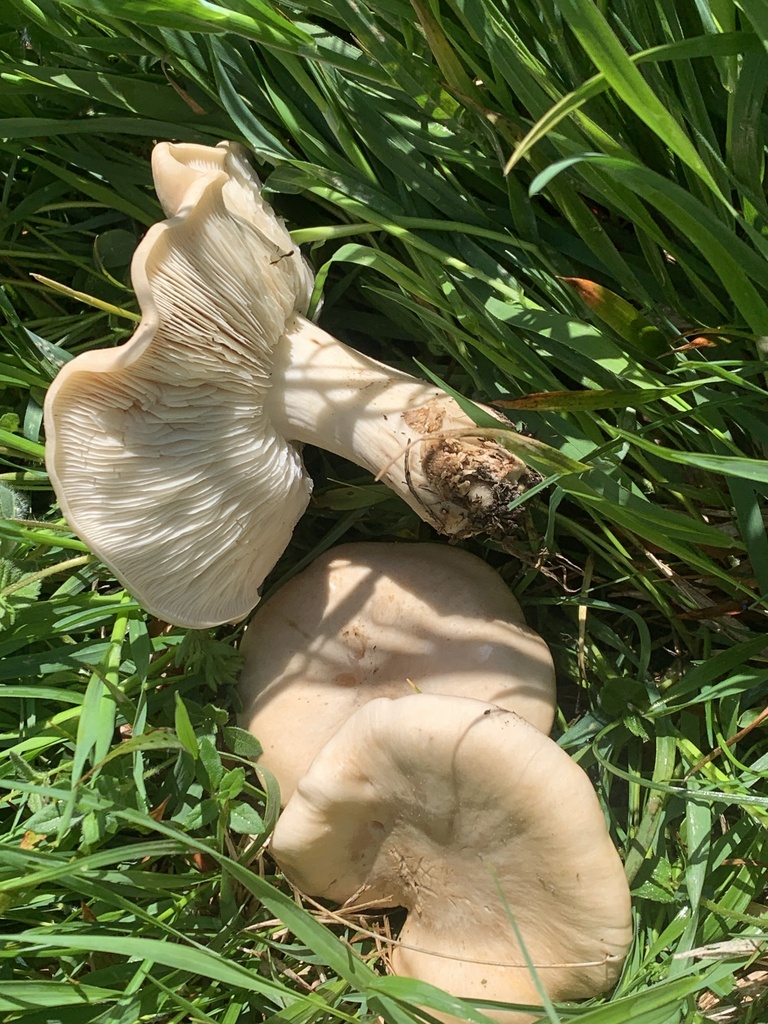
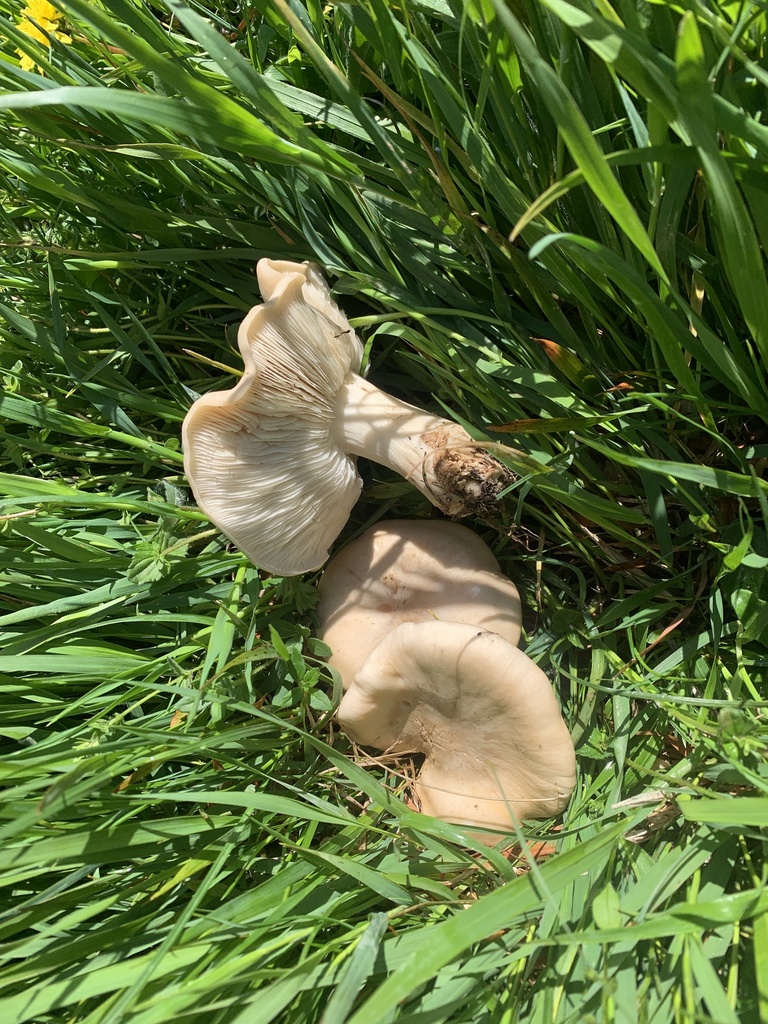
Calocybe gambosa, atau Jamur St. George, adalah jamur musim semi yang mudah dikenali dari ukuran sedang hingga cukup besar. Tudung (cap) berdiameter 5–15 cm dengan permukaan halus yang memiliki alur-alur halus. Warna tudung, tangkai, dan daging jamur ini berkisar dari putih hingga krem pucat, memberikan penampilan yang cerah dan elegan di lantai hutan.
Ciri-ciri diagnostik utama meliputi insang (gills) yang berwarna putih, berposisi sinuate (berkelok-kelok), dan sangat rapat satu sama lain. Tangkai (stipe) pendek dan kokoh dengan pangkal yang membesar. Daging jamur padat dan lembut, dengan aroma khas yang menyerupai melon atau ketimun—fitur ini sangat membantu dalam identifikasi di lapangan. Cetakan spora (spore print) berwarna putih, menegaskan afiliasi taksonominya.
Spesies Serupa dan Perbedaannya
Identifikasi yang akurat sangat penting karena beberapa spesies beracun tumbuh di habitat yang sama. Inosperma erubescens, yang sangat beracun, memiliki aroma buah yang lebih tajam dan berubah merah ketika memar (bruised). Entoloma sinuatum, juga beracun, dapat dibedakan dari aromanya yang tengik dan tidak menyenangkan. Pemula sebaiknya menggunakan kombinasi ukuran, warna, aroma, dan reaksi memar untuk memastikan identifikasi yang tepat sebelum mengonsumsi jamur ini.
Distribusi dan Habitat
Calocybe gambosa, jamur St. George’s, tersebar di seluruh Eropa dengan pusat kehadiran yang kuat di zona temperata. GBIF records menunjukkan distribusi paling padat di Inggris Raya (98 laporan) dan Jerman (93 laporan), diikuti oleh Belanda (65 laporan). Spesies ini juga terdapat di Prancis, Spanyol, Swiss, Belgia, Italia, Denmark, dan Irlandia, dengan total tercatat di 17 negara. Kehadiran geografis spesies ini mencerminkan preferensinya terhadap iklim Eropa yang sejuk dan lembab.
Pola Musiman
Jamur ini menunjukkan fenologi yang sangat terspesialisasi, dengan musim fruktifikasi yang sempit. Data menunjukkan puncak kehadiran pada April, dengan 258 laporan GBIF pada bulan tersebut. Aktivitas jamur dimulai pada Maret (19 laporan) dan menurun drastis pada Mei (23 laporan), sementara bulan-bulan lainnya menunjukkan kehadiran minimal atau tidak ada. Pola musiman yang tajam ini menjadikan St. George’s Mushroom sebagai spesies musim semi yang andal, sering dicari oleh pengumpul jamur lokal selama jendela waktu yang sempit ini.
Habitat dan Elevasi
Spesies ini biasanya ditemukan di padang rumput, tepi jalan rumput, dan area rerumputan terbuka di seluruh zona pedalaman Eropa. Data elevasi spesifik tidak tersedia dalam catatan distribusi saat ini, menunjukkan bahwa jamur ini kemungkinan hadir dalam kisaran ketinggian yang luas di lanskap Eropa temperata.
Ekologi dan Siklus Hidup
Siklus Hidup
Calocybe gambosa mengikuti siklus hidup tipikal jamur, dimulai dengan miselium yang tersebar di dalam tanah dan materi organik. Miselium vegetatif ini berkembang secara perlahan melalui substrat, memecah bahan organik dan mempersiapkan kondisi untuk pembentukan badan buah. Jamur ini terkenal dengan penampilan musiman yang sangat terprediksi, fruktifikasi terjadi pada musim semi—khususnya antara bulan Maret dan Mei di belahan bumi utara—setelah suhu tanah meningkat dan kelembaban mencukupi.
Ketika kondisi lingkungan optimal terpenuhi, miselium menghasilkan badan buah berupa tudung (fruiting body) yang muncul di permukaan tanah atau dalam rumput pendek. Tudung matang melepaskan jutaan spora yang tersebar oleh angin, air, dan hewan, memungkinkan kolonisasi ke habitat baru. Spora yang menetap di lokasi yang sesuai berkecambah menjadi miselium baru, melanjutkan siklus.
Peran Ekologis
Calocybe gambosa berperan sebagai dekomposer dalam ekosistem rumput dan padang rumput. Miseliumnya memecah sisa-sisa tumbuhan mati, sampah organik, dan bahan terurai lainnya, mengubahnya menjadi nutrisi yang tersedia bagi tanaman dan organisme lain dalam tanah. Proses ini mendukung kesehatan dan kesuburan tanah secara keseluruhan, terutama di padang rumput dan tepi hutan.
Jamur ini juga menyediakan sumber makanan bagi invertebrata tanah dan hewan lainnya, berkontribusi pada rantai makanan lokal. Kehadiran musiman yang konsisten menjadikan C. gambosa sebagai bagian penting dari komunitas jamur musiman di iklim temperata.
Penggunaan oleh Manusia
Calocybe gambosa adalah jamur yang dapat dimakan dan banyak dicari oleh kolektor jamur di Eropa, terutama di Inggris, Prancis, dan wilayah Mediterania. Rasanya ringan, sedikit harum dengan tekstur yang padat dan memuaskan, menjadikannya pilihan yang diinginkan untuk hidangan musim semi. Jamur ini dapat dimasak dengan berbagai cara—ditumis, dipanggang, atau ditambahkan ke sup dan risoto—dan mempertahankan strukturnya dengan baik selama memasak.
Nama umum “St. George’s Mushroom” berasal dari hari perayaan St. George (23 April), yang kebetulan bertepatan dengan puncak musim pemanenan jamur ini di Inggris. Nilai komersial moderat membuatnya dihargai di pasar lokal dan restoran musiman, meskipun tidak sesedikit spesies jamur kuliner lainnya. Tidak ada penggunaan obat tradisional atau farmasi yang terdokumentasi dengan baik untuk spesies ini.
Konservasi dan Ancaman
Calocybe gambosa, atau jamur St. George, memiliki status Least Concern (LC) pada Daftar Merah IUCN. Penetapan status ini menunjukkan bahwa spesies ini tidak menghadapi risiko kepunahan yang signifikan dalam jangka waktu dekat dan dianggap memiliki populasi yang stabil di seluruh jangkauan geografisnya.
Jamur ini tumbuh liar di padang rumput dan area rumput di Eropa, terutama pada musim semi. Ketersediaan habitat alami yang luas serta kemampuannya untuk bereproduksi di berbagai kondisi lingkungan berkontribusi pada status konservasi yang menguntungkan ini. Meskipun tidak ada data kuantitatif tentang tren populasi global, kehadiran Calocybe gambosa yang konsisten di wilayah tradisionalnya menunjukkan stabilitas jangka panjang.
Ancaman Potensial
Meskipun spesies ini saat ini tidak terdaftar menghadapi ancaman spesifik yang terdokumentasi, beberapa faktor lingkungan dapat mempengaruhi kelimpahannya secara lokal. Konversi padang rumput menjadi lahan pertanian intensif atau pengembangan lahan mengurangi habitat yang cocok untuk fruktifikasi. Penggunaan pestisida dan pupuk sintetis di area rumput juga dapat berdampak negatif pada komunitas jamur tanah. Perubahan iklim dan pola curah hujan yang tidak terduga dapat mempengaruhi musim fruktifikasi yang bergantung pada kondisi lembab tertentu.
Upaya Konservasi
Saat ini, Calocybe gambosa tidak memiliki program konservasi khusus yang dinamis, sebagian karena status LC-nya dan kehadiran yang tersebar luas. Namun, perlindungan habitat rumput alami melalui praktik manajemen lahan berkelanjutan secara tidak langsung menguntungkan spesies ini. Di beberapa negara Eropa, area rumput semi-alami dilindungi untuk kepentingan keanekaragaman hayati yang lebih luas, yang juga menjaga populasi jamur seperti Calocybe gambosa.
Signifikansi Budaya
Calocybe gambosa memegang tempat istimewa dalam tradisi kuliner dan folklore Eropa, terutama karena hubungannya dengan musim semi. Jamur ini dikenal dengan munculnya yang tepat pada Hari St. George (23 April), sehingga disebut sebagai “St. George’s Mushroom” — nama yang mencerminkan kepercayaan rakyat bahwa kehadirannya menandai berakhirnya musim dingin dan kelimpahan musim foraging. Dengan tubuh fruktifikasi berwarna krem putih yang menonjol, jamur ini telah menjadi simbol kegembiraan akan datangnya kehidupan baru dan panen alam yang melimpah.
Sebagai jamur edibel yang terkenal, Calocybe gambosa mempunyai tradisi kuliner yang kuat di Eropa Selatan dan Tengah. Di wilayah-wilayah ini, jamur ini diperdagangkan secara komersial dan dihargai karena cita rasanya yang lezat. Di Barat Daya Prancis khususnya, jamur ini dikenal sebagai mousseron dan secara umum dipasarkan bersama spesies jamur lain yang dimakan di wilayah tersebut. Padang rumput berkapur di Eropa menjadi habitat utamanya, dengan populasi yang sangat besar ditemukan di pulau-pulau Swedia Öland dan Gotland di Laut Baltik. Di South Downs, Inggris selatan, jamur ini membentuk lingkaran peri berukuran besar yang tampaknya berusia beberapa ratus tahun, menciptakan landmark alami yang mencolok yang telah diamati selama berabad-abad.
Fakta Menarik
- Nama umum jamur ini berasal dari Hari Saint George (23 April), ketika jamur ini secara konsisten muncul di Inggris Raya pada musim semi, independen dari kondisi cuaca ekstrem. Kehadiran jamur ini pada tanggal kalender yang tetap menjadikannya salah satu indikator alam paling dapat diprediksi di ekosistem Eropa Utara.
- Calocybe gambosa dahulu diklasifikasikan dalam genus besar Tricholoma, tetapi pada penelitian taksonomi modern ditempatkan dalam genus Calocybe yang lebih spesifik. Perubahan klasifikasi ini mencerminkan analisis DNA yang lebih canggih dan pemahaman yang lebih mendalam tentang hubungan evolusi jamur.
- Jamur ini adalah salah satu spesies fungi paling awal yang muncul setelah musim dingin di wilayah beriklim sedang, sering kali fruiting-nya dimulai di akhir Maret hingga awal Mei tergantung pada lokasi geografis. Waktu kemunculannya yang dapat diprediksi membuat jamur ini dicari oleh para pengumpul tradisional selama berabad-abad.
- Meskipun dapat dimakan dan bernilai kuliner tinggi di beberapa negara Eropa, jamur ini tidak memiliki rasa atau aroma yang kuat—nilai utamanya terletak pada tekstur daging yang padat dan ketahanan selama memasak. Jamur ini sering disebut sebagai “jamur musim semi” dan dianggap kelezatan musiman di dapur Prancis dan Italia.
- Jamur ini tumbuh dalam pola sosial yang khas, sering kali membentuk cincin peri (fairy rings) yang dapat bertahan dan bereproduksi di lokasi yang sama selama puluhan tahun. Cincin-cincin ini dapat mencapai diameter beberapa meter dan menjadi fitur tetap dalam padang rumput tradisional.
- Sebagai jamur saprofit, Calocybe gambosa bergantung pada materi organik yang membusuk dalam tanah untuk nutrisi, tetapi ektorispora (spora eksternal) yang dihasilkannya tersebar melalui angin dan tidak memerlukan hujan deras untuk reproduksi massal. Ini menjelaskan mengapa populasi jamur ini dapat bermunculan dalam jumlah besar bahkan pada musim semi yang relatif kering.
- Nama spesifiknya, gambosa, berasal dari bahasa Italia kuno yang merujuk pada jamur itu sendiri, mencerminkan sejarah panjang pengakuan budaya dan penggunaan kuliner di Mediterania sebelum diadopsi secara luas di seluruh Eropa. Beberapa referensi historis menunjukkan jamur ini telah diperdagangkan di pasar lokal sejak setidaknya abad ke-16.
Ekologi
Kemampuan dimakan
Status konservasi
LC (Risiko rendah) · NT · VU · EN · CR · EW · EX
Galeri foto
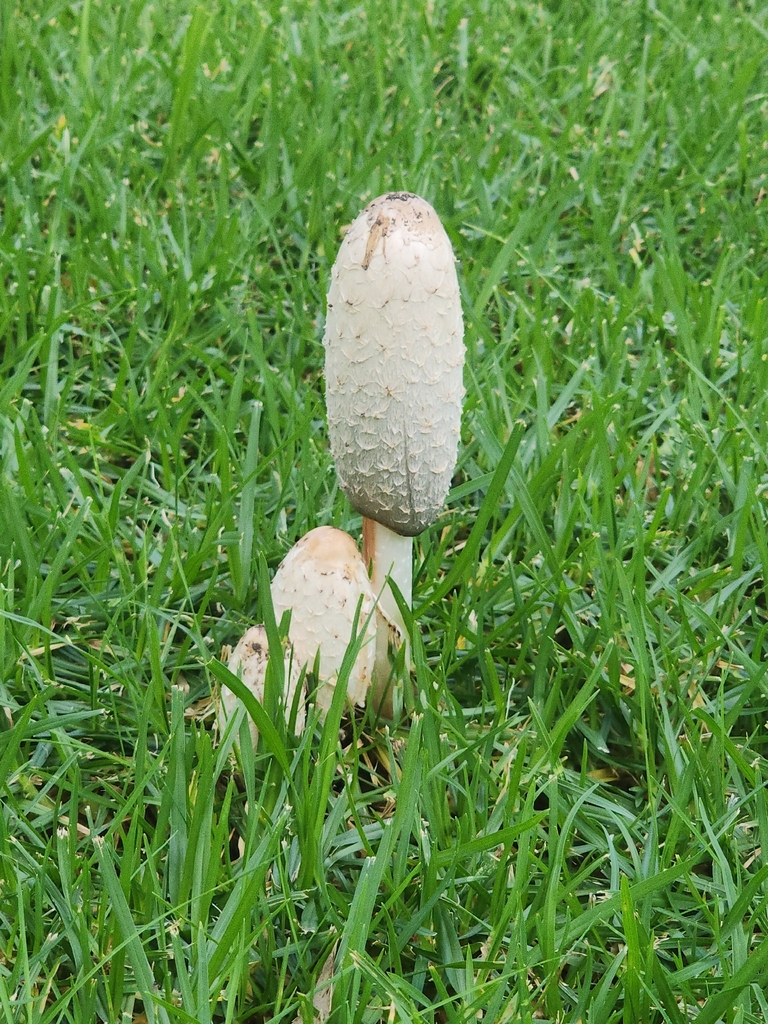
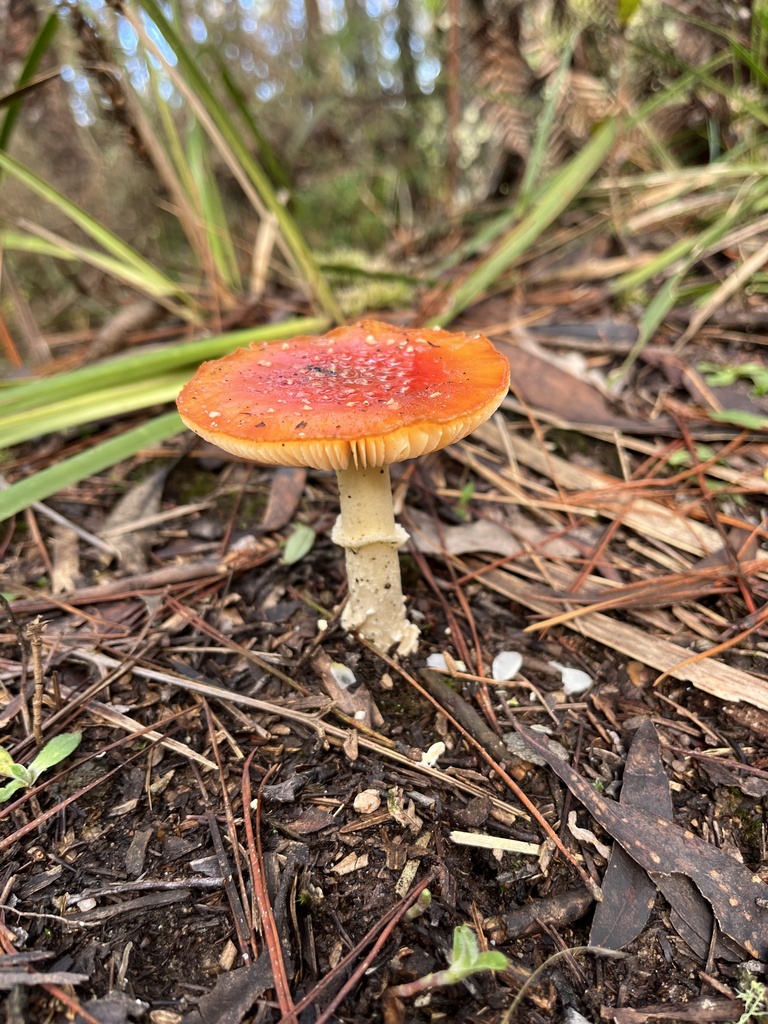
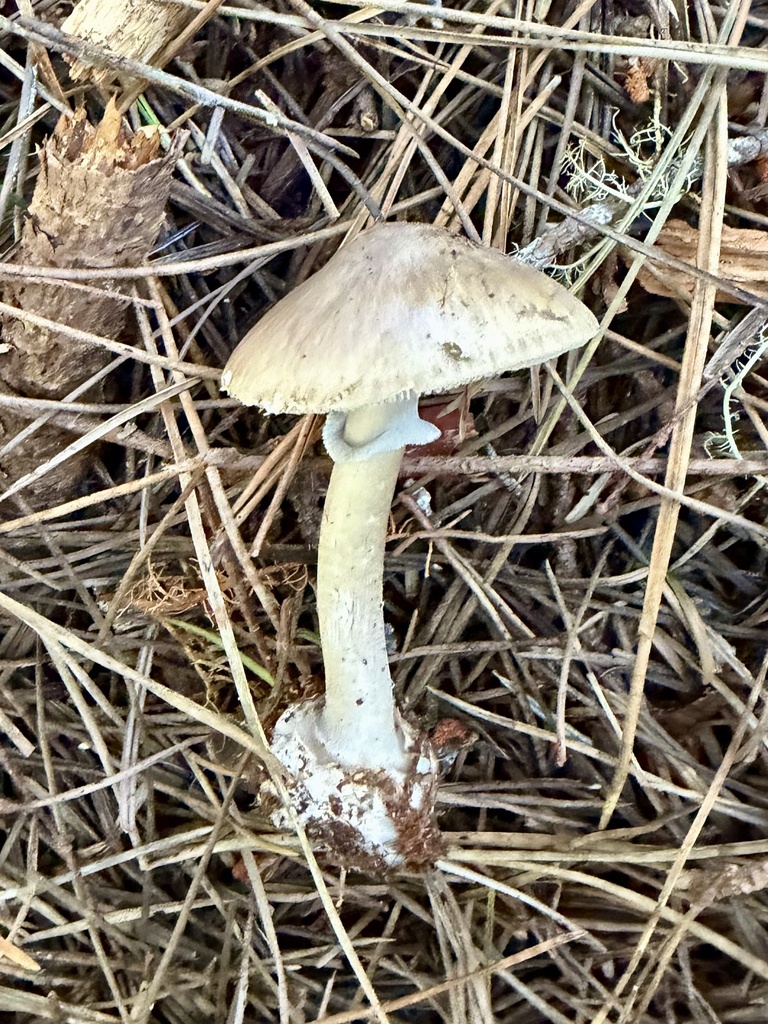
ksaro1 · CC BY 4.0
Spesies terkait
Apakah profil ini membantu?