
Ginkgoopsida · Ginkgoales
Common Ginkgo
Ginkgo biloba
EndangeredAlso known as: Ginkgo, Maidenhair Tree, Maidenhair-tree, gingko, ginkgo
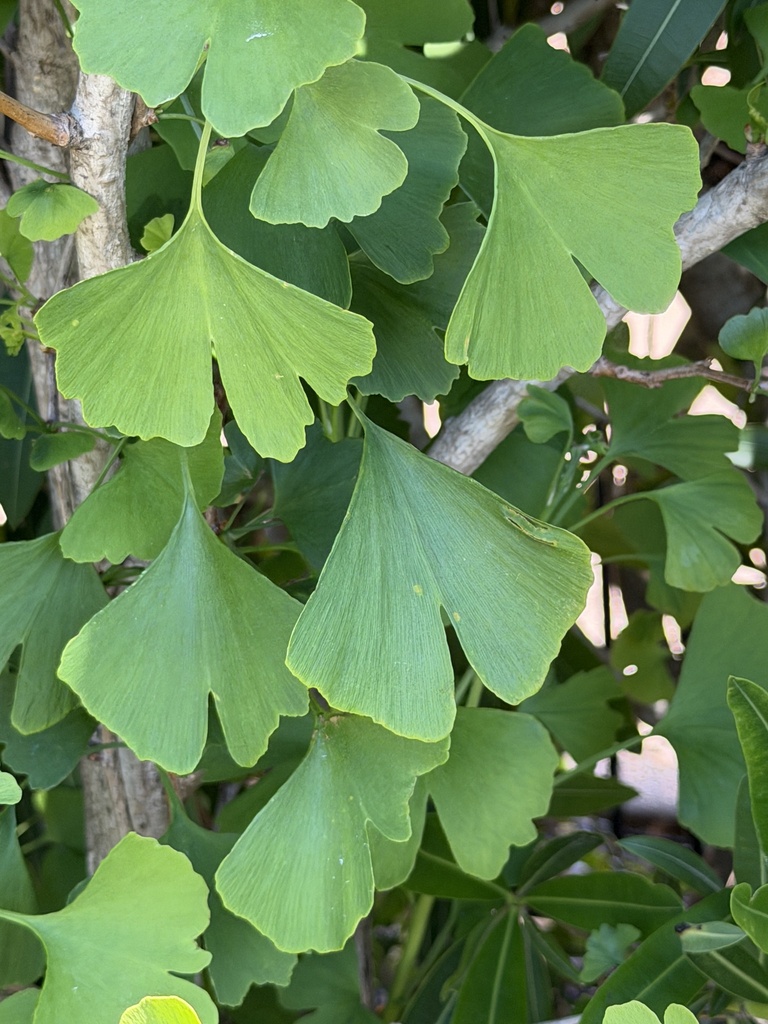
© no rights reserved · iNaturalist · CC0 1.0
Scientific Classification & Quick Facts
Classification
Known For
Detailed measurements for this species are still being verified.
Ginkgo biloba, the common ginkgo, is a deciduous tree with no close living relatives—the sole surviving member of a lineage that flourished over 270 million years ago. Its fan-shaped leaves and fleshy fruit are instantly recognizable, making it one of the most distinctive trees in cultivation worldwide. Today, the species persists across 27 countries, though it faces an Endangered conservation status in its native range.
Once widespread across East Asia, wild populations of Ginkgo biloba are now restricted to small patches in China, making its global presence dependent almost entirely on human cultivation and planting programs. Yet this very dependence on human care—and its proven ability to thrive in urban environments—has paradoxically turned the ginkgo into one of the world’s most planted ornamental trees, a complex conservation narrative where a species edges toward extinction in nature while becoming increasingly common in cities.
Identification and Appearance
Ginkgo biloba is a large deciduous tree that typically reaches heights of 20–35 metres (66–115 feet), though specimens in China can exceed 40 metres (131 feet). The tree develops a broadly columnar to spreading crown with sturdy, often gnarled branches. Mature ginkgos command attention in any landscape due to their substantial size and distinctive silhouette.
Foliage and Leaves
The most recognizable feature of ginkgo is its fan-shaped leaves, which are unique among modern trees. Leaves are bright to blue-green during the growing season, measuring 5–8 centimetres (2–3 inches) across, with a characteristic notch or bifurcation at the apex—hence the species name biloba (“two-lobed”). In autumn, the foliage undergoes a dramatic transformation, turning a striking golden yellow before abscission. Leaves are borne on long petioles and arranged alternately along shoots, though clustered on short spurs.
Trunk and Bark
The trunk is straight and robust, covered with thick, deeply furrowed grey bark that becomes increasingly rugged with age. Wood colour ranges from pale yellowish to light brown. Male and female trees are morphologically similar in vegetative form, making sex determination difficult until reproductive structures appear. Female trees produce fleshy, apricot-like fruits with a notoriously unpleasant odour when mature, whereas males bear pollen-producing cones and produce no fruit.
Distribution and Habitat
Ginkgo biloba has become established across 27 countries worldwide, reflecting both its ornamental popularity and ecological adaptability. The United States leads in recorded observations with 82 reports, followed by Germany (29), the Netherlands (28), and South Korea (27). Belgium, Japan, and China each contribute significant numbers of observations, while the United Kingdom, Austria, and Switzerland show more limited but consistent presence. This global distribution pattern reflects cultivation as an urban and botanical garden species rather than natural range expansion.
The species occurs across a broad elevation band, from 212 metres to 837.5 metres above sea level, with an average elevation of 410.1 metres. This range encompasses lowland urban areas, suburban gardens, and moderate upland sites, indicating tolerance for diverse topographic conditions. Ginkgo biloba thrives in human-modified landscapes, particularly city parks, street plantings, and botanical collections where it is deliberately maintained.
Seasonal activity peaks sharply in April, with 109 observations recorded that month, suggesting a pronounced spring phenological event—likely the emergence of new foliage or flowering activity. Activity remains moderate through May and June (41 and 30 observations respectively), then declines steadily through summer and autumn, with minimal records from November onwards. This pattern reflects both the species’ growth cycle and the timing of human recreational activity in temperate regions during warmer months.
Biology
Growth
Ginkgo biloba is a deciduous tree that grows into a large, broadly pyramidal or fan-shaped form at maturity. Trees typically reach 20–35 metres in height, though some specimens exceed 40 metres in ideal conditions. The trunk develops thick, deeply furrowed bark, and the canopy becomes increasingly dense with age. Growth is moderate and steady, making ginkgos long-lived ornamental specimens that can persist for centuries in temperate climates.
The foliage is distinctive: fan-shaped leaves with parallel veins emerge in spring and develop a bright yellow or golden hue before dropping in autumn. This reliable colour change and absence of pest or disease problems make ginkgo a favoured street and park tree across the Northern Hemisphere.
Flowering and Fruiting
Ginkgo produces separate male and female trees. Male trees bear small, inconspicuous yellowish catkins in spring that shed pollen; females produce no significant pollen and are therefore preferred in urban plantings. Female trees develop fleshy, apricot-like fruits containing a hard seed; these ripen in autumn and release a notoriously foul odour when they decay on the ground, a characteristic that limits their use in city landscapes.
Flowering occurs in early spring before the leaves fully emerge. Seeds mature over several months and fall from late summer through autumn, requiring years to establish successfully in the wild.
Cultivation
Ginkgo thrives in full sun and tolerates a wide range of soil types, from sandy to clay, and across a broad pH spectrum. It is highly adaptable to urban environments, withstanding air pollution, compacted soils, and irregular watering once established. The species is extremely cold-hardy and grows well in temperate to cool climates worldwide.
Young trees benefit from regular watering during their first few years; mature trees become drought-tolerant and require minimal supplemental water. Pruning is rarely necessary except to remove damaged or crossing branches. Propagation is straightforward from seeds, though male cultivars are typically propagated by grafting or air-layering to avoid the unpleasant fruiting of female trees.
Conservation and Threats
Ginkgo biloba is classified as Endangered on the IUCN Red List, reflecting the precarious state of its wild populations. This status indicates that the species faces a very high risk of extinction in its natural habitat, though the species persists through cultivation worldwide. Despite its Endangered classification, the population trend is increasing—a testament to successful reintroduction and protection efforts in its native range.
Threats
In its native habitat in central China, Ginkgo biloba faces habitat loss and degradation as forested ecosystems are converted to agricultural land and urban development. The species has an extremely restricted natural range, with wild populations confined to a small region in Zhejiang Province. This limited distribution makes the species vulnerable to localized environmental disturbances and climate variation.
Conservation Efforts
The recovery of Ginkgo biloba from the brink of extinction is one of conservation’s notable successes. The species has been extensively planted as an ornamental and street tree across the globe, creating a vast cultivated reservoir of genetic diversity. In China, protected reserves and reforestation programs have expanded wild populations, and the species is legally protected within its native range. International horticultural and botanical institutions maintain seed collections and propagation programs to ensure genetic diversity.
The increasing population trend reflects decades of deliberate conservation action. Botanical gardens, arboreta, and research institutions across multiple continents now cultivate Ginkgo biloba, both for its cultural and aesthetic value and as an insurance population against further wild decline. Continued monitoring of wild populations and habitat restoration in Zhejiang Province remain priorities for long-term species survival.
Cultural Significance
The ginkgo leaf carries profound symbolic weight across East Asia, particularly in Japan and South Korea. In Japan, the ginkgo is the official tree of Tokyo, with the leaf itself serving as the capital’s emblem. The leaf also represents the Urasenke school of Japanese tea ceremony, embedding the tree within one of Japan’s most refined cultural traditions. Tokyo University adopted two ginkgo leaves as its badge in 1948 (designed by Shoichi Hoshino), which evolved into the university’s logo in 2004. Similarly, Osaka University integrated a simplified ginkgo leaf into its logo in 1991, created by designer Ikko Tanaka for the university’s sixtieth anniversary. Beyond Japan, Seoul designated the ginkgo as an official tree in 1971, cementing its status as a symbol of South Korean identity as well.
In professional sumo wrestling, the ginkgo leaf shapes one of the sport’s most recognizable features. Wrestlers ranked in the two highest divisions wear an elaborate topknot called the ōichōmage—literally “ginkgo-leaf topknot”—because its distinctive shape mirrors the form of the ginkgo leaf. This styling remains a visual hallmark of elite sumo competition, connecting the tree to Japan’s ancient martial traditions and modern athletic culture.
Fun Facts
- 1.Male and Female Trees Are DifferentGinkgos are dioecious, meaning individual trees are either male or female. Female trees produce notoriously foul-smelling fruits that fall in autumn, while males release only pollen and are preferred for urban planting to avoid the stench.
- 2.Unique Two-Lobed LeavesThe distinctive fan-shaped leaves have a split down the middle, earning the scientific name biloba, meaning “two-lobed.” This unusual leaf shape is not found in any other native tree species on Earth.
- 3.Seeds Are Actually ToxicThough the inner kernel is edible and valued in Asian cuisine, the outer seed coat contains ginkgolic acid, a caustic chemical that can burn skin and cause allergic reactions. Proper processing is essential before consumption.
- 4.No Natural Predators or DiseasesGinkgos are remarkably resistant to pests, pathogens, and air pollution, making them ideal urban trees. This resistance helps explain their survival through geological time and their popularity in cities worldwide.
- 5.Ancient Lineage With No Living RelativesGinkgo biloba is the last surviving species in its entire order, Ginkgoales, which once included dozens of species across the Northern Hemisphere. All other ginkgos went extinct, leaving this tree as a sole botanical ambassador from the Mesozoic era.
- 6.Radical Colour Change in AutumnGinkgo leaves turn a brilliant golden yellow in fall before dropping almost simultaneously, often within a few days. This rapid, synchronized drop is triggered by shortening day length rather than temperature, a trait carried from its ancient genetic code.
- 7.Can Live Over 1,000 YearsSeveral ginkgos in their native range in China are estimated to be more than 1,500 years old, with some specimens potentially exceeding 2,000 years in age. Growth rings in ancient specimens reveal growth rates slowing dramatically after several centuries.
Sources and References
- Global Biodiversity Information Facility (GBIF)View source
- iNaturalistView source
- WikidataView source
- WikipediaView source
- Encyclopedia of Life (EOL)View source
- Plants of the World Online (POWO)View source
Ecology
Growing Conditions
Edibility
Conservation Status
LC · NT · VU · EN (Endangered) · CR · EW · EX
Photo Gallery
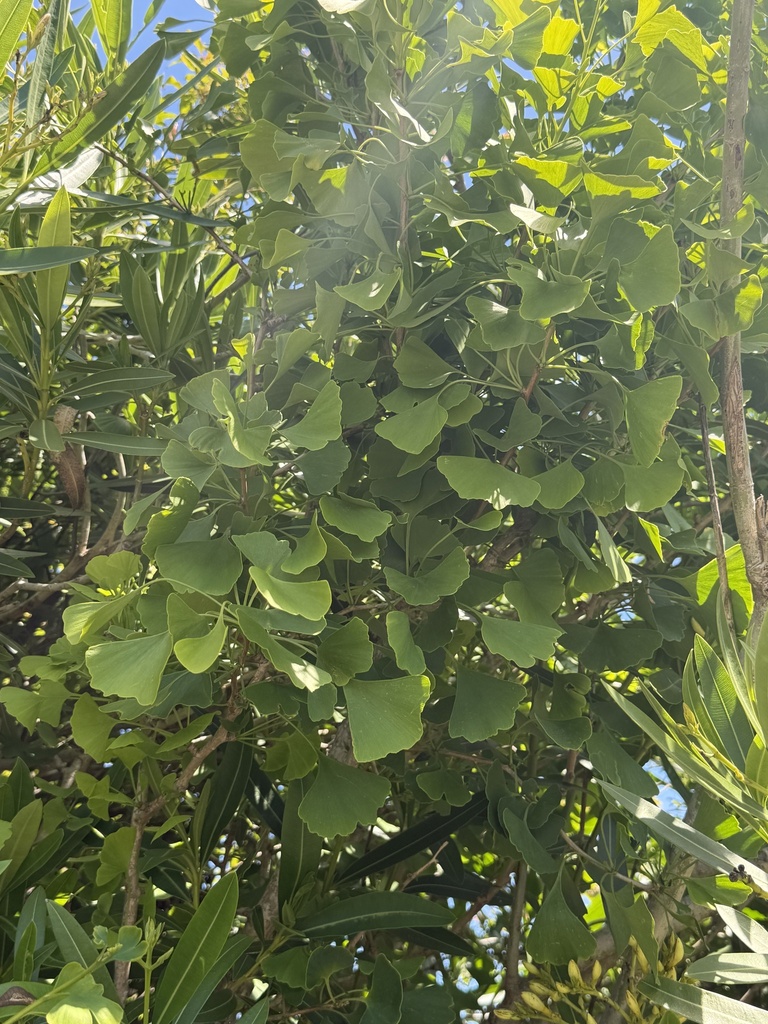
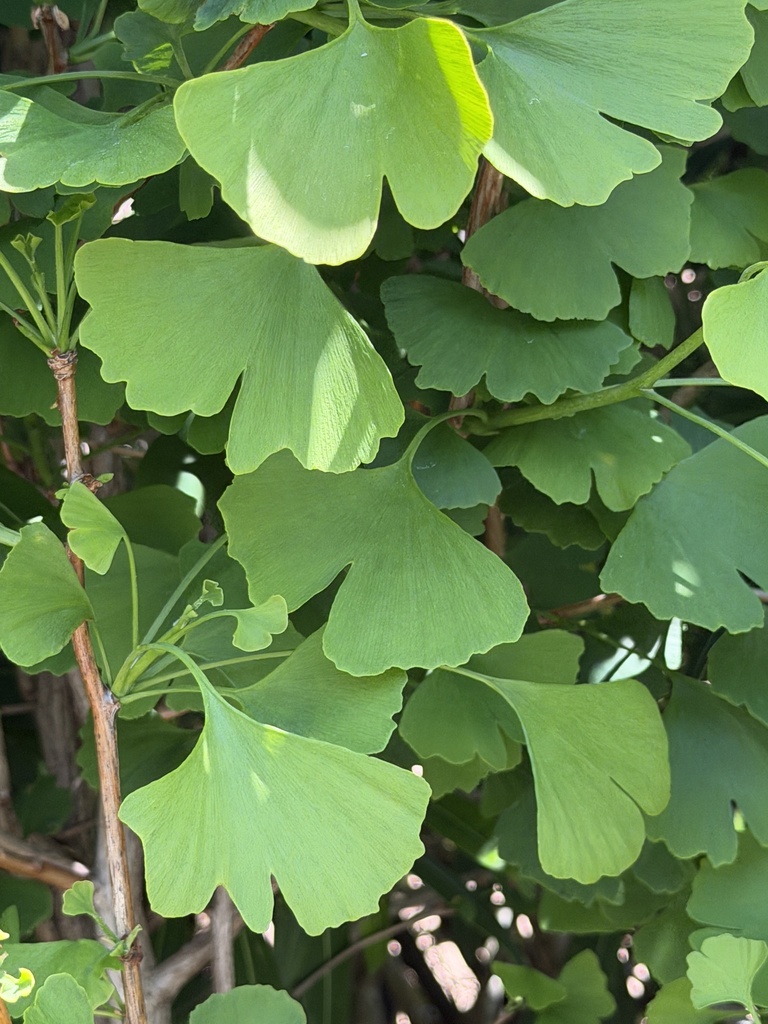
no rights reserved · CC0 1.0
Was this profile helpful?