
Cycadopsida · Cycadales
Fern Palm
Cycas revoluta
Nicht gefährdet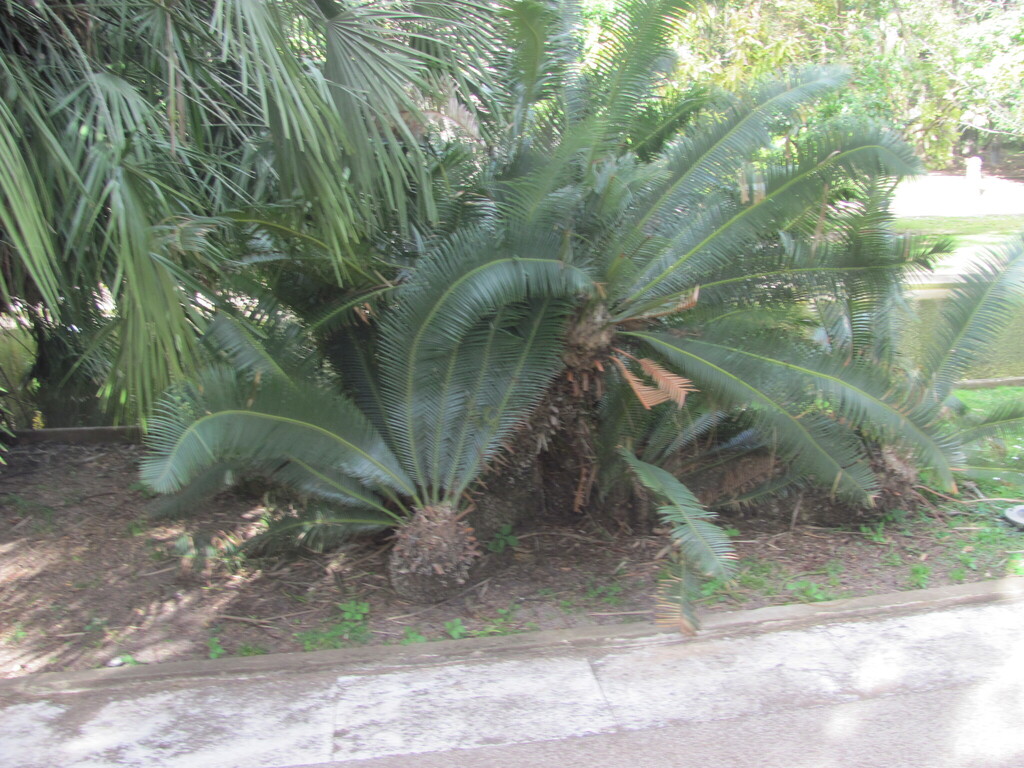
© zebedeugalinha · iNaturalist · CC BY 4.0
Wissenschaftliche Klassifikation & Kurzfakten
Klassifikation
Known For
Detailed measurements for this species are still being verified.
Cycas revoluta, die Farnpalme, ist eine der ältesten lebenden Samenpflanzen und verkörpert eine evolutionäre Linie, die bis zur Ära der Dinosaurier zurückreicht. Ihre charakteristischen gefiederten Blätter und die massiven Zapfen machen sie zu einer visuellen Erinnerung an die antike Welt der Cycadeen. Diese robuste Pflanze gedeiht in über 45 Ländern weltweit und wird sowohl in botanischen Gärten als auch in privaten Sammlungen kultiviert, wo sie als lebender Fossil geschätzt wird.
Mit einem Bestand, der nach der Roten Liste der IUCN als „nicht gefährdet“ (LC) klassifiziert ist, hat die Farnpalme ihre Fähigkeit bewiesen, sich an kultivierte und natürliche Umgebungen anzupassen. Ihre extreme Langlebigkeit und langsame Wuchsgeschwindigkeit machen sie zu einer Pflanze, die Generationen überdauert und tiefe ökologische sowie kulturelle Bedeutung trägt. Was diese Art besonders macht, ist ihre paradoxe Natur: obwohl sie primitiv wirkt, besitzt sie spezialisierte Anpassungen, die es ihr erlauben, in modernen Gärten und extremen Klimazonen zu gedeihen.
Identifikation und Erscheinungsbild
Cycas revoluta, die Farnpalme, ist eine äußerst symmetrische Pflanze mit einer charakteristischen Wuchsform. Der Stamm ist dick und struppig, typischerweise etwa 20 Zentimeter im Durchmesser, manchmal auch breiter. Bei jungen Pflanzen liegt der Stamm dicht unter der Erde oder ist völlig unterirdisch, wächst aber mit zunehmendem Alter über die Bodenoberfläche hinaus.
Die Farnpalme wächst außergewöhnlich langsam. Um eine Höhe von 6 bis 7 Metern zu erreichen, benötigt die Pflanze etwa 50 bis 100 Jahre. Der Stamm kann sich mehrfach verzweigen und so mehrere Blattbüschel ausbilden. Das größte kultivierte Exemplar befindet sich im Ryugeji-Tempel in Shimizu, Japan (etwa 136 Kilometer westlich von Tokio), und weist eine Höhe von 8 Metern auf.
Die Krone besteht aus glänzenden, dunkelgrünen Blättern, die majestätisch auf dem massiven Stamm sitzen. Die Gesamterscheinung wirkt ausgesprochen elegant und geometrisch geordnet, was die Pflanze zu einer beliebten Zierpflanze in Gärten und als Kübelpflanze macht.
Verbreitung und Lebensraum
Cycas revoluta, die Fern Palm, ist weltweit in mindestens 45 Ländern verbreitet und zeigt eine bemerkenswert breite Verteilung über mehrere Kontinente. Japan führt mit 48 dokumentierten Vorkommen an, gefolgt von den USA (29), Brasilien (28), Indien (27) und Indonesien sowie China mit jeweils 17 Nachweisen. Auch in Kolumbien, Macau, Bermuda und Australien ist die Art gut etabliert.
Die Fern Palm besiedelt ein großes Höhenspektrum von etwa 76 bis 701 Metern über dem Meeresspiegel, mit einem Durchschnittswert von 389 Metern. Diese Vielfalt der Höhenlage deutet auf eine hohe ökologische Flexibilität der Art hin und ermöglicht ihr das Gedeihen in verschiedensten Klimazonen vom tropischen bis zum gemäßigten Raum.
Saisonale Muster zeigen eine deutliche Häufung der Nachweise im April, wo 83 Beobachtungen registriert wurden. Dieser Spitzenwert im Frühjahr spiegelt wahrscheinlich verstärkte Aktivitäten und Wachstumsperioden wider. Die Winter- und Sommermonate (November bis August) weisen insgesamt deutlich niedrigere Nachweiszahlen auf, was auf unterschiedliche Sichtbarkeitsbedingungen oder phänologische Veränderungen hinweist.
Biologie
Wuchs
Cycas revoluta, die Farnpalme, wächst als langsam wachsender Stamm, der typischerweise eine Höhe von 1 bis 2 Metern erreicht, in seltenen Fällen auch bis 3 Meter. Der charakteristische Stamm ist dick und knorrig, mit einer auffälligen Narbenzeichnung von abgefallenen Blattbasen. Die Pflanze bildet an ihrer Krone einen dichten Kreis von gefiederten Blättern, die dunkelgrün und ledern sind und eine elegant geschwungene Form aufweisen.
Das Wachstum verläuft sehr gemächlich. Die Pflanze benötigt Jahre, um ihre charakteristische Form auszubilden, was sie zu einer langlebigen Kultur macht. Diese Langsamkeit ist ein wesentliches Merkmal der Art und macht Exemplare mit großem Stamm zu wertvollen und langjährigen Bestandteilen von Sammlungen.
Blüte und Fruchtbildung
Die Farnpalme ist eine Pflanze mit getrennten Geschlechtern. Männliche Pflanzen produzieren charakteristische, aufrechte Strobili – zapfenähnliche Blütenstrukturen – von goldgelber bis orangefarbener Färbung. Diese Strobili sind kompakt und können mehrere Zentimeter lang werden. Weibliche Pflanzen bilden dagegen lockere, flaschenbürstenähnliche Strukturen aus, die aus einzelnen, eiförmigen Megasporophyllen zusammengesetzt sind.
Nach der Bestäubung entwickeln weibliche Pflanzen orangerote bis rötliche Samen, die groß und fleischig sind. Die Fruchtentwicklung dauert mehrere Monate. In Kulturbedingungen außerhalb des natürlichen Verbreitungsgebiets ist eine Bestäubung und Fruchtbildung selten oder nicht vorhanden, da spezialisierte Bestäuber fehlen.
Anbau und Kulturanforderungen
Die Farnpalme gedeiht am besten an hellem Standort mit indirektem Licht. Sie verträgt auch Halbschatten, wächst aber in Vollsonne kräftiger. Ein durchlässiges Substrat ist essentiell – eine Mischung aus Blumenerde, Kies und Kokoshumus oder Rindenhack verhindert Staunässe, die zu Wurzelfäule führt. Während der Wachstumsphase sollte mäßig gegossen werden; der Boden darf zwischen den Wassergaben antrocknen. Im Winter wird die Bewässerung deutlich reduziert.
Die Pflanze ist relativ anspruchslos bezüglich Nährstoffen und kann bei sparsamer Düngung gehalten werden – während der Wachstumsphase ein bis zwei Mal monatlich mit verdünntem Langzeitdünger. In gemäßigten Klimazonen wird die Farnpalme als Zimmerpflanze oder in beheizbaren Gewächshäusern kultiviert. Sie bevorzugt warme bis milde Temperaturen und sollte vor Frost geschützt werden. Freilandanbau ist nur in frostfreien oder sehr milden Regionen möglich.
Schutz und Bedrohungen
Cycas revoluta, die Farnpalme, hat auf der IUCN-Roten Liste den Status „Least Concern“ (LC – Nicht gefährdet). Dies bedeutet, dass die Art derzeit nicht als bedroht eingestuft wird und die Bestände weltweit als stabil oder anwachsend gelten. Die zunehmende Populationentwicklung ist ein positives Zeichen für die langfristige Überlebensfähigkeit dieser Art.
Bedrohungen
Trotz des stabilen Erhaltungszustands ist Cycas revoluta in seinem natürlichen Lebensraum nicht völlig frei von Risiken. Der illegale Wildsammlung für den internationalen Hortikulturhandel stellt eine anhaltende Herausforderung dar, insbesondere in den Ursprungsgebieten der Art. Lebensraumverlust durch Urbanisierung und landwirtschaftliche Nutzung bedroht lokale Populationen, besonders in begrenzten natürlichen Verbreitungsgebieten.
Schutzmaßnahmen und Erhaltungsprogramme
Die Farnpalme wird durch verschiedene nationale und internationale Regelungen geschützt. Sie unterliegt dem Washingtoner Artenschutzübereinkommen (CITES), das den internationalen Handel kontrolliert und die nachhaltige Nutzung sicherstellen soll. Zahlreiche botanische Gärten und Samen-Banken führen Zuchtprogramme durch, die die genetische Vielfalt der Art bewahren und künftige Wiedereinbürgerungen unterstützen können.
Die zunehmende Verfügbarkeit von Gartenbau-Exemplaren aus nachhaltiger Zucht hat den Druck auf Wildfangquoten verringert. Dies demonstriert, wie kommerzielle Kultivierung zum Artenschutz beitragen kann, wenn sie verantwortungsvoll betrieben wird.
Wissenswertes
- 1.Uralte Pflanzengruppe der ErdeDie Farn-Palme gehört zur Familie der Cycadophyta, die bereits vor über 280 Millionen Jahren existierte – lange bevor die Dinosaurier die Erde verließen. Sie ist eine lebende Fossilie, die sich kaum verändert hat.
- 2.Extrem langsames WachstumEine ausgewachsene Farn-Palme wächst nur etwa 2–3 Zentimeter pro Jahr. Ein Exemplar mit einer Höhe von einem Meter kann daher über 50 Jahre alt sein.
- 3.Giftige Samen als NahrungIn der traditionellen japanischen und okinawischen Küche werden die Samen (Eierstöcke) geröstet und als Mehl verarbeitet, obwohl sie Cycasin enthalten – ein Gift, das durch gründliche Verarbeitung unschädlich gemacht werden muss.
- 4.Symbiotische Cyanobakterien im StammDer Stamm der Farn-Palme beherbergt spezialisierte Cyanobakterien, die Stickstoff aus der Luft fixieren und die Pflanze mit Nährstoffen versorgen – eine seltene Partnerschaft in der Pflanzenwelt.
- 5.Ungeschlechtliche Vermehrung in der KulturIn Gärtnereien wird die Farn-Palme fast ausschließlich durch Ableger oder Sprösslinge vermehrt, nicht durch Samen. Dies ermöglicht eine schnellere und zuverlässigere Produktion für den Zierpflanzenmarkt.
- 6.Japanischer Kulturschatz seit JahrhundertenDie Farn-Palme ist in Japan als Sotetsu bekannt und wird seit der Edo-Periode (1603–1868) als Zierpflanze in Gärten und vor Tempeln gepflanzt. Sie gilt dort als Symbol für Widerstandsfähigkeit und Langlebigkeit.
- 7.Rollblätter als WasserschutzDie Blätter der Farn-Palme sind charakteristisch nach innen gerollt, was die Verdunstung bei trockenen, heißen Bedingungen reduziert und die Pflanze vor Sonnenbrand schützt.
Quellen und Referenzen
- Global Biodiversity Information Facility (GBIF)View source
- iNaturalistView source
- WikidataView source
- WikipediaView source
- Encyclopedia of Life (EOL)View source
- Plants of the World Online (POWO)View source
Ökologie
Lebensräume
Wachstumsbedingungen
Essbarkeit
Erhaltungsstatus
LC (Nicht gefährdet) · NT · VU · EN · CR · EW · EX
Fotogalerie
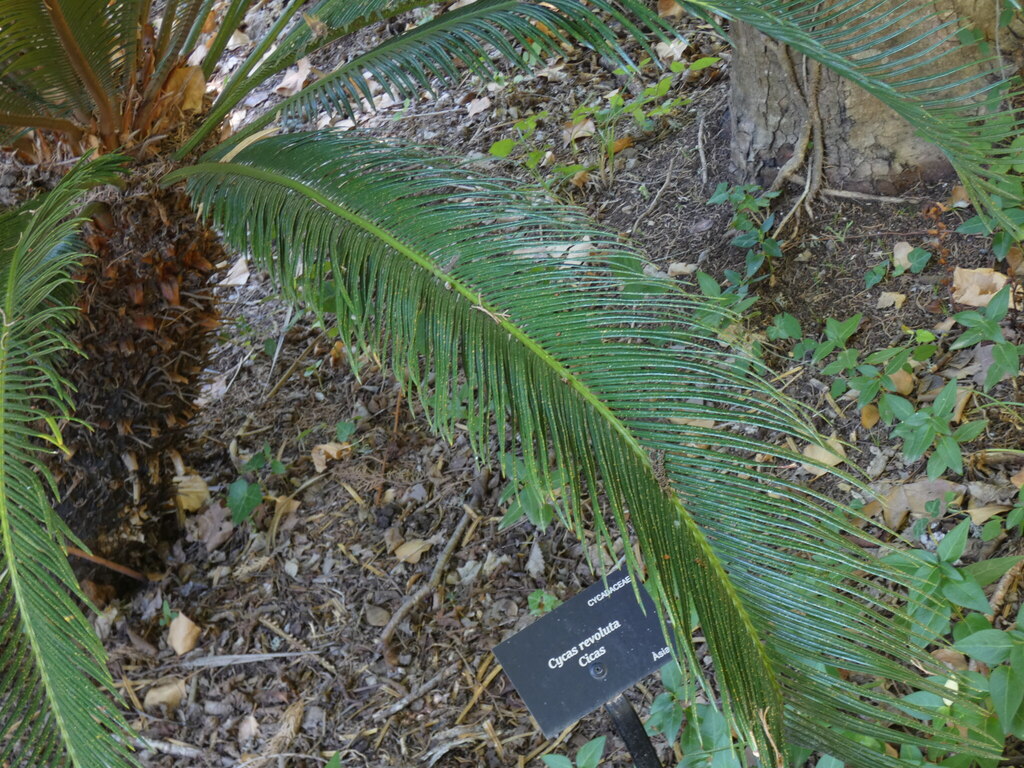
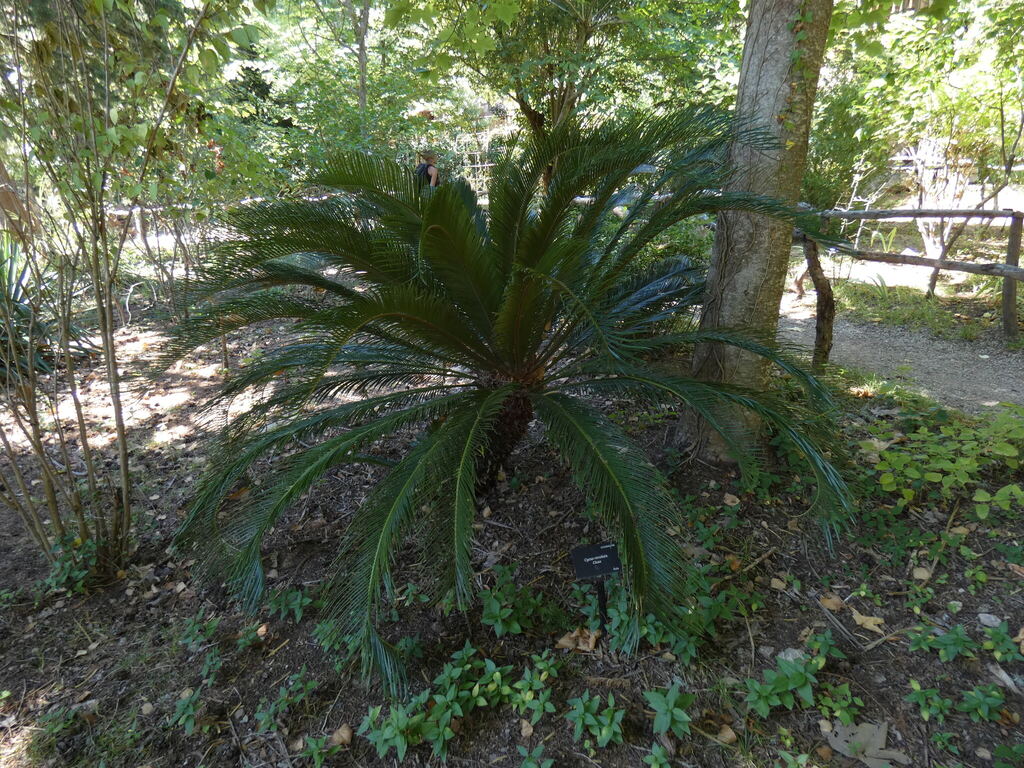
zebedeugalinha · CC BY 4.0
Verwandte Arten
War dieses Profil hilfreich?