
Plantnimals
Küstenmammutbaum
Sequoia sempervirens
Stark gefährdet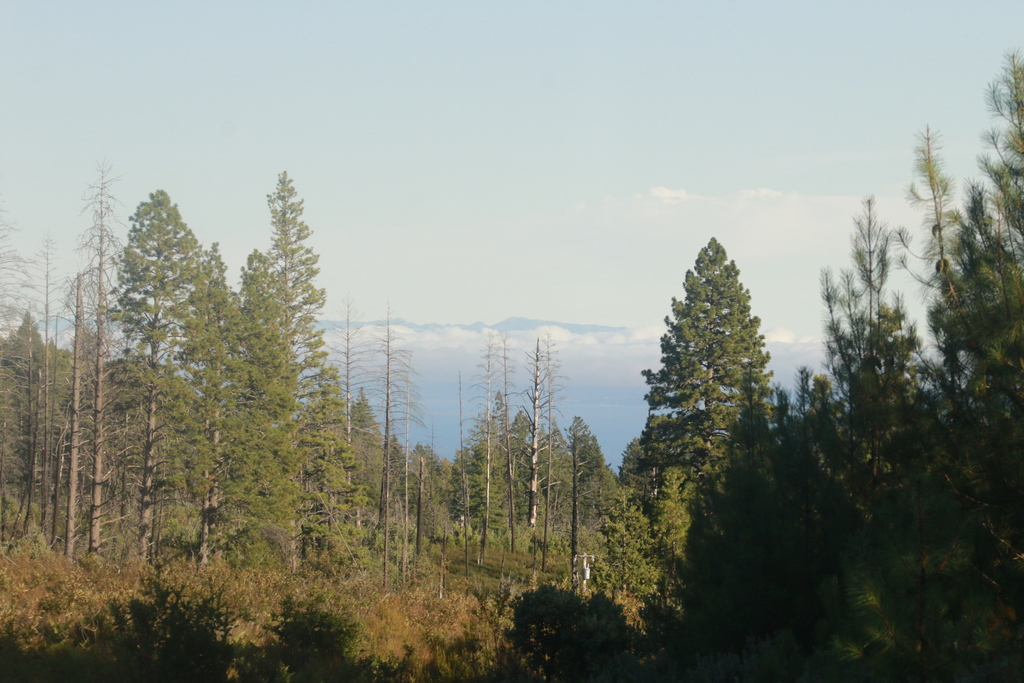
© Sequoia Janirella Wrens · iNaturalist · CC BY-NC 4.0
Wissenschaftliche Klassifikation & Kurzfakten
Auf einen Blick
Sequoia sempervirens, das kalifornische Mammutbaum, ist der größte Baum der Erde – eine lebende Säule aus Holz, die über 110 Meter in die Luft ragt. Diese Nadelholzriesen prägen die nebeligen Küstenwälder Kaliforniens und sind gleichzeitig unter extremem Druck: Der Rote List der IUCN stuft sie als gefährdet ein, und natürliche Vorkommen erstrecken sich nur über ein schmales Areal entlang der nordkalifornischen Küste. Die Art besiedelt auch noch fünf weitere Länder in kultivierter Form, doch ihr wildes Herzland schrumpft kontinuierlich.
Was diese Bäume besonders macht, ist ihre außergewöhnliche Widerstandskraft gegen Feuer, Insekten und Krankheiten – dank ihrer dicken, tanninreichen Rinde und ihrer Fähigkeit, aus Stockausschlägen neu auszutreiben. Doch moderne Bedrohungen wie Klimawandel, Wassermangel und Waldverlust stellen selbst diese Giganten vor beispiellose Herausforderungen. Ein tieferes Verständnis ihrer Ökologie und Naturgeschichte ist entscheidend für ihren Schutz.
Identifikation und Erscheinungsbild
Der Kalifornische Rotholz ist der höchste lebende Baum der Welt. Typischerweise erreicht die Art eine Höhe von 60 bis 100 Metern, wobei einzelne Exemplare über 110 Meter in die Höhe ragen können. Der Stammdurchmesser beträgt normalerweise etwa 9 Meter, was dem Baum eine charakteristische, imposante Silhouette verleiht. Diese enormen Dimensionen machen Sequoia sempervirens sowohl durch ihre vertikale als auch horizontale Ausdehnung zu einem visuellen Wahrzeichen der kalifornischen Küstenwälder.
Das Holz dieser Bäume ist von dunkelroter bis rotbrauner Färbung, die dem Baum seinen englischen Namen „Redwood“ eingebracht hat. Die Rinde ist besonders markant: Sie ist dick, faserig und weist eine charakteristische, hellere rötliche Färbung auf, die sich deutlich vom dunkleren Kernholz unterscheidet. Das Nadelwerk ist klein und schuppenförmig angeordnet, wodurch die Krone ein feingefiedertes Erscheinungsbild erhält. Die Krone selbst ist kegelförmig, mit dichtem Laub, das das ganze Jahr über grün bleibt.
Trotz ihrer extremen Größe besitzt diese Art kein ausgeprägtes Geschlechtsdimorphismus in der äußeren Erscheinung. Männliche und weibliche Exemplare sind morphologisch nicht zu unterscheiden. Mit einer Lebensdauer von etwa 2.200 Jahren sind diese Bäume nicht nur räumlich, sondern auch zeitlich von außergewöhnlicher Dimension – sie zählen zu den langlebigsten Organismen auf der Erde.
Verbreitung und Lebensraum
Sequoia sempervirens, bekannt als Kalifornische Küstenmammutbaum, kommt weltweit an sechs Standorten vor, wobei die überwiegende Mehrheit der dokumentierten Vorkommen in den USA konzentriert ist. GBIF-Aufzeichnungen zeigen 290 Nachweise aus den USA, was die primäre natürliche Verbreitungsregion widerspiegelt. Darüber hinaus wurden kleinere Populationen in Neuseeland (5 Nachweise), Chile (2 Nachweise) sowie einzelne Nachweise in Belgien, Großbritannien und Australien registriert. Diese weltweite Verteilung deutet auf erfolgreiche Kultivierung und Einbürgerung in gemäßigten Klimazonen hin.
Die Höhenangaben für das natürliche Verbreitungsgebiet sind nicht verfügbar, doch die saisonale Präsenz weist ein ausgeprägtes Muster auf. Der Höhepunkt der Beobachtungen fällt auf Januar mit 127 dokumentierten Fällen, gefolgt von Februar mit 115 Nachweisen. Nach März (58 Nachweise) sinkt die Beobachtungshäufigkeit dramatisch auf null ab und bleibt während der übrigen Monate ohne Einträge. Dieses Muster spiegelt wahrscheinlich Beobachtungsaktivität und Zugänglichkeit wider, nicht die tatsächliche Anwesenheit des Baumes, da Sequoia sempervirens ganzjährig vorhanden ist.
Das bevorzugte Habitat dieser Art umfasst die Küstenwälder Kaliforniens, wo Küstennebel und gemäßigte Temperaturen optimale Wachstumsbedingungen bieten. Außerhalb ihres Heimatbereichs gedeiht die Art in kultivierter Form in ähnlichen gemäßigten, feuchten Klimen. Die Verbreitungsdaten unterstreichen ihre Anpassungsfähigkeit an verschiedene Breitengrade, von der südlichen Hemisphäre bis zu europäischen Standorten.
Biologie
Wuchs
Sequoia sempervirens, der Küstenmammutbaum, ist der höchste Baum der Erde. Exemplare dieser Art erreichen Höhen von über 110 Metern und Stammdurchmesser von bis zu 7 Metern. Das Wachstum verläuft über Jahrhunderte hinweg kontinuierlich, wobei einzelne Bäume ein Alter von über 2.000 Jahren erreichen können.
Der Baum entwickelt eine charakteristische kegelförmige Krone mit dicht angeordneten, fadenförmigen Zweigen. Die dunkelgrünen, schuppenförmigen Blätter bleiben das ganze Jahr über bestehen. An einem natürlichen Standort wächst S. sempervirens in aufrechter, säulenartiger Form mit geringem Astabfall, was zum beeindruckenden Höhenwuchs beiträgt.
Blüte und Fruchtbildung
Die Art ist monoecisch, das heißt männliche und weibliche Fortpflanzungsorgane befinden sich auf demselben Baum. Die unscheinbaren, winzigen Blüten erscheinen im Spätwinter und Frühjahr. Männliche Blütenzapfen geben bei Reife große Mengen gelben Pollens ab.
Die weiblichen Zapfen entwickeln sich zu holzigen Strukturen, die etwa 2 bis 3 Zentimeter lang werden. Jeder Zapfen enthält zahlreiche kleine, flache Samen mit dünnen Flügelansätzen, die vom Wind verbreitet werden. Trotz einer großen Samenproduktion keimen nur unter idealen Bedingungen — feuchtem Boden und ausreichend Licht — nennenswerte Mengen aus.
Kultivierung
In Kultivierung benötigt Sequoia sempervirens kühles, feuchtes Klima und gedeiht am besten in milden Regionen mit regelmäßigen Niederschlägen. Der Baum bevorzugt gut durchlässige, nährstoffreiche Böden mit ausreichender Feuchte während der Vegetationsperiode. Staunässe wird ebenso schlecht vertragen wie längere Trockenperioden.
Ein sonniger bis halbschattiger Standort fördert das optimale Wachstum. Junge Pflanzen sollten in den ersten Jahren vor starkem Wind und intensiver Sonne geschützt werden. Kultivierte Bäume erreichen selten die Höhen wilder Exemplare, bleiben aber dennoch beeindruckende Großbäume, die in großzügigen Parks und Gärten mit ausreichend Platz gepflanzt werden sollten.
Schutz und Bedrohungen
Sequoia sempervirens, der Küstenmammutbaum, trägt auf der Roten Liste der IUCN den Status „Endangered“ (Gefährdet). Dies bedeutet, dass die Art mit einem hohen Risiko ausgestorben zu sein konfrontiert ist, falls die Bedrohungen andauern. Trotz dieses kritischen Status zeigt die Population einen positiven Trend – die Bestände nehmen derzeit zu, ein Zeichen, dass Schutzmaßnahmen Wirkung zeigen.
Bedrohungen
Obwohl spezifische Bedrohungen in den verfügbaren Daten nicht aufgeführt sind, sind historisch die Hauptgefahren für diese Art die Lebensraumzerstörung durch Holzeinschlag und die Fragmentierung der Wälder gewesen. Der Küstenmammutbaum wächst nur in einem sehr begrenzten Gebiet an der kalifornischen Küste, weshalb die Schutzung dieser natürlichen Bestände von entscheidender Bedeutung ist. Klimaveränderungen und Veränderungen der Wasserverfügbarkeit könnten in Zukunft zusätzliche Herausforderungen darstellen.
Schutzmaßnahmen und rechtlicher Status
Die kalifornischen Küstenmammutbäume profitieren von strengem Schutz in Nationalparks und Schutzgebieten, darunter dem Redwood National and State Parks, wo große Bestände geschützt sind. Diese Gebiete verhindern weitere Abholzungen und ermöglichen die natürliche Regeneration. Das positive Populationstrend zeigt, dass diese Schutzmechanismen erfolgreich sind. Laufende Managementprogramme konzentrieren sich auf die Wiederherstellung von Lebensraum und die Überwachung der Waldgesundheit.
Wissenswertes
- 1.Extreme Höhe mit minimaler Wurzeltiefe: Sequoia sempervirens erreicht Höhen von über 115 Metern, doch die Wurzeln reichen nur etwa 1,2 bis 1,8 Meter tief in den Boden. Stattdessen verflechten sich die flachen Wurzelsysteme mehrerer Bäume unterirdisch, um kollektive Stabilität gegen Stürme zu bieten.
- 2.Natürliche Feuerresistenz: Die Rinde des Küstenmammutbaums enthält Tannine und ist praktisch frei von Harz, was sie extrem feuerresistent macht. Selbst bei intensiven Waldbränden können diese Bäume überleben, während ihre Konkurrenten um sie herum abbrennen.
- 3.Atmosphärisches Wasser sammeln: Küstenmammutbäume in Nebel-reichen Regionen können Wasser direkt aus der Luft über ihre Nadeln aufnehmen. Dieser Prozess, genannt Nebelabscheidung, trägt an manchen Standorten bis zu 30 Prozent ihrer Wasserzufuhr bei.
- 4.Langsames Wachstum trotz riesiger Größe: Obwohl Sequoia sempervirens die größten Organismen sind, wachsen sie relativ gemächlich – etwa 60 Zentimeter pro Jahr in der Höhe unter optimalen Bedingungen. Ein großer Baum kann 1000 bis 2000 Jahre alt sein.
- 5.Genetische Besonderheit bei Fortpflanzung: Küstenmammutbäume können sich sowohl durch Samen als auch durch Sprossbildung aus Wurzeln und Stammstümpfen vermehren. Nach Bränden oder Fällungen entstehen neue Bäume oft als genetisch identische Klone.
- 6.Schwindelerregende Biomasse: Der voluminöseste Küstenmammutbaum enthält über 400 Kubikmeter Holz und wiegt schätzungsweise 1000 Tonnen – vergleichbar mit dem Gewicht von 150 Elefanten in einem einzigen Baum vereint.
Quellen und Referenzen
- Global Biodiversity Information Facility (GBIF)View source
- iNaturalistView source
- WikidataView source
- WikipediaView source
- Encyclopedia of Life (EOL)View source
- Plants of the World Online (POWO)View source
Ökologie
Wachstumsbedingungen
Erhaltungsstatus
LC · NT · VU · EN (Stark gefährdet) · CR · EW · EX
Fotogalerie
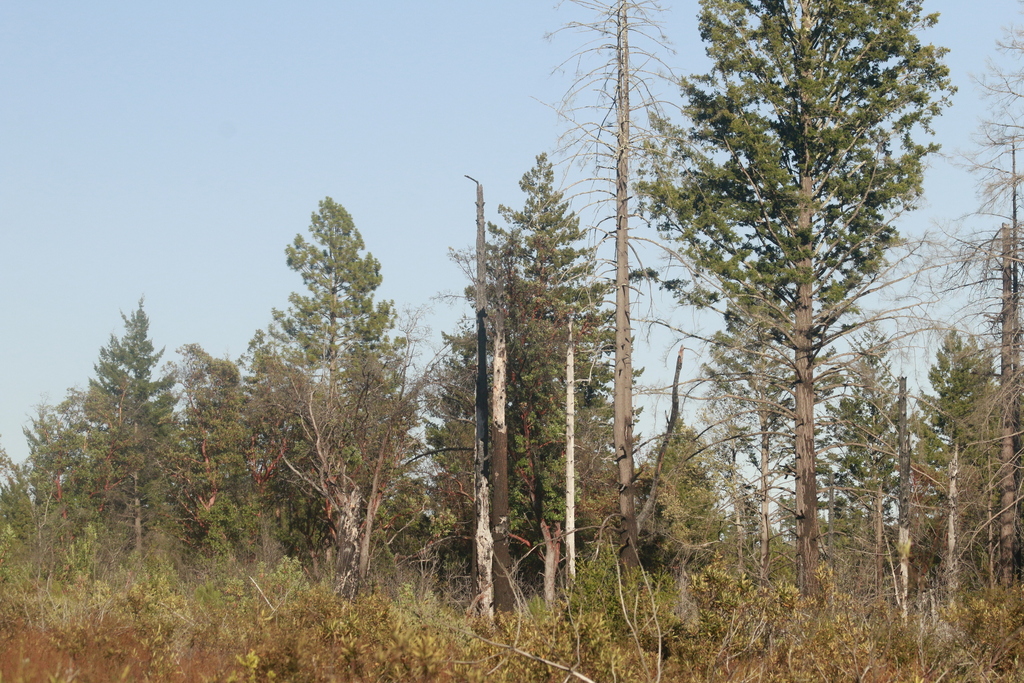
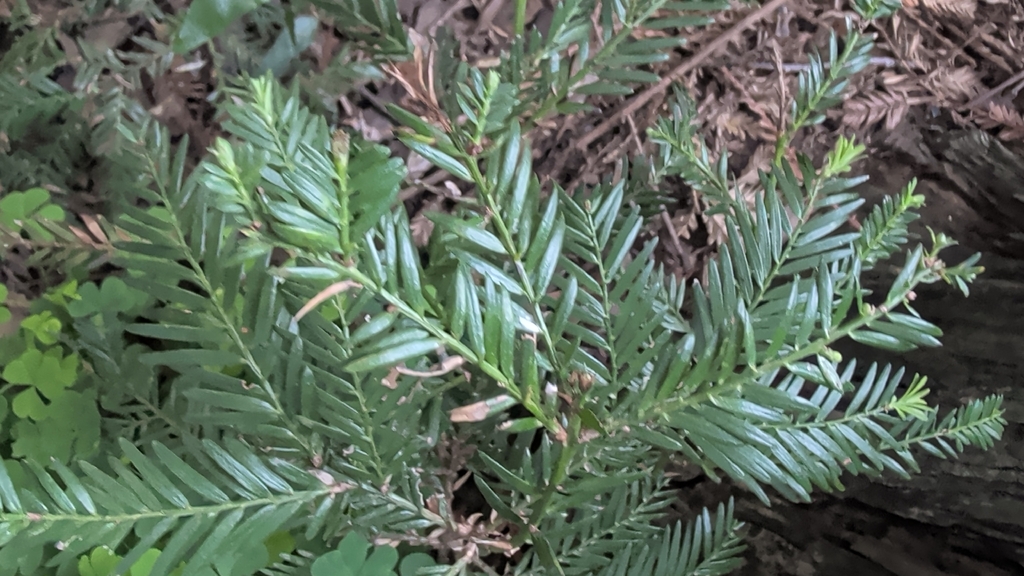
Sequoia Janirella Wrens · CC BY-NC 4.0
Verwandte Arten
War dieses Profil hilfreich?