
Plantnimals
Langlebige Kiefer
Pinus longaeva
Nicht gefährdet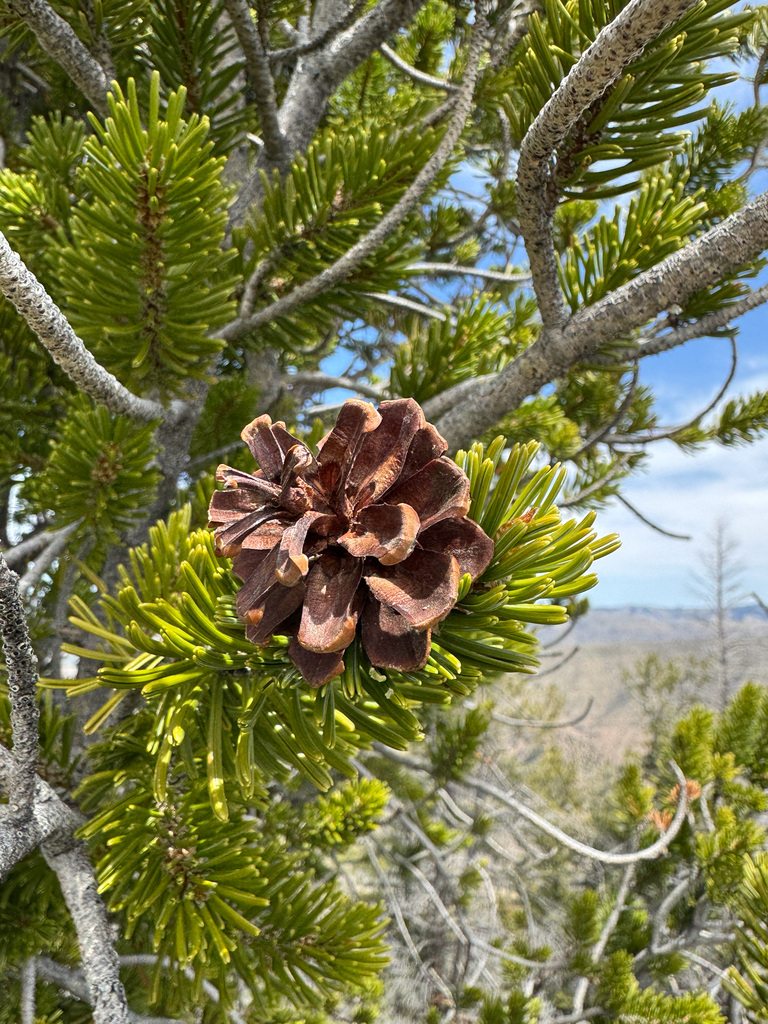
© Parker James Lloyd · iNaturalist · CC BY 4.0
Wissenschaftliche Klassifikation & Kurzfakten
Auf einen Blick
Die Großkiefer der Great Basin, wissenschaftlich Pinus longaeva, ist eine der ältesten Baumarten der Welt und gedeiht in den rauen, hochgelegenen Wüstenlandschaften des westlichen Nordamerika. Diese zähe Koniferenart bewohnt die trockenen Hänge und windumtosten Bergkämme der Great-Basin-Region, wo sie unter extremen Bedingungen überdauert, die für die meisten anderen Pflanzen lebensfeindlich sind. Mit einem Verbreitungsgebiet, das sich hauptsächlich auf die Vereinigten Staaten beschränkt, steht die Art derzeit auf der Roten Liste der IUCN als nicht gefährdet.
Das, was diese Baumart besonders bemerkenswert macht, ist nicht nur ihre Langlebigkeit, sondern auch ihre außergewöhnliche Widerstandsfähigkeit. Die Großkiefer der Great Basin wächst in felsigen Böden auf Höhen zwischen 2.500 und 3.600 Metern und trotzt Jahrtausende lang Dürre, extremem Wind und intensiver ultravioletter Strahlung. Ihre dichte, harzhaltige Holzstruktur schützt sie vor Fäulnis und Insektenbefall – Eigenschaften, die es Wissenschaftlern ermöglichen, ihre genaue Geschichte durch die Zählung von Wachstumsringen zu erforschen.
Identifikation und Erscheinungsbild
Größe und Wuchsform
Die Großbecken-Langnadel-Kiefer ist ein mittelgroßer Baum, der Höhen von 5 bis 15 Metern erreicht. Der Stamm weist Durchmesser von 2,5 bis 3,6 Metern auf. Diese Kiefer wächst typischerweise langsam und bildet oft knorrige, kompakte Kronen aus, die den extremen Höhenbedingungen ihrer Heimatregion angepasst sind.
Rinde und Färbung
Die Rinde präsentiert sich in einem charakteristischen hellgelben bis orangegelben Farbton. Sie wirkt dünn und schuppig, besonders an der Stammbasis. Dieser Farbton bleibt über das gesamte Jahr erhalten und macht die Art in ihrem natürlichen Lebensraum leicht erkennbar.
Nadeln und Laub
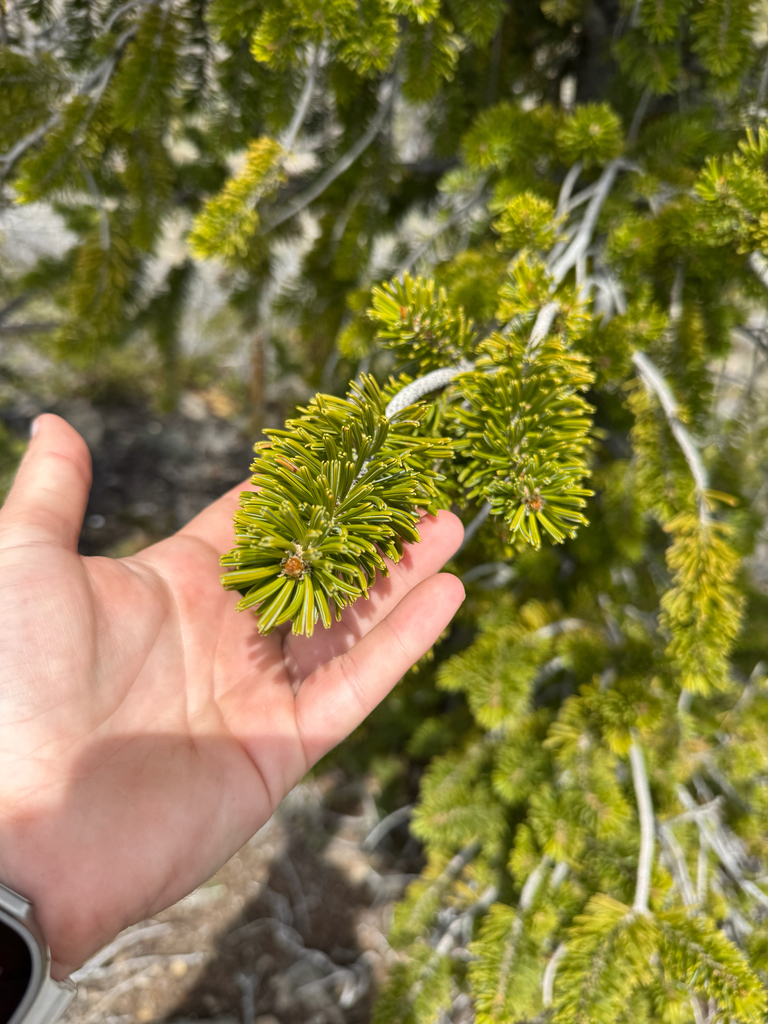
Die Nadeln sind in Bündeln zu fünft angeordnet und wirken kräftig und robust. Sie erreichen Längen von 2,5 bis 4 Zentimetern. Ihre Färbung ist tiefgrün bis blaugrün auf der Außenseite, während auf den Innenflächen helle weiße Streifen – die Spaltöffnungen – deutlich sichtbar sind.
Verbreitung und Lebensraum
Pinus longaeva, die Langblättrige Kiefernart, kommt natürlicherweise in den Vereinigten Staaten vor. Die Art ist auf dieses eine Land beschränkt und konzentriert sich auf spezifische Gebirgszonen im Westen Nordamerikas.
Verbreitung in den USA
Die Große-Becken-Kieferkiefer ist das natürliche Vorkommen im amerikanischen Westen begrenzt. GBIF-Aufzeichnungen dokumentieren über 300 Nachweise aus den USA, die die Konzentration dieser Art in ihrem Kernverbreitungsgebiet widerspiegeln. Die Populationen sind nicht gleichmäßig über verschiedene Regionen verteilt, sondern konzentrieren sich auf diskrete gebirgige Standorte.
Saisonales Vorkommen und Beobachtungsmuster
Dokumentierte Beobachtungen zeigen ein stark ausgeprägtes saisonales Muster. Die meisten Nachweise fallen in die Frühjahrmonate, mit einem deutlichen Höhepunkt im Mai. Die Aufzeichnungen belegen 146 Beobachtungen im Mai, während März und April jeweils 62 und 65 Nachweise aufweisen. Nach dem Mai nehmen die dokumentierten Sichtungen drastisch ab und erreichen von Juni bis Dezember praktisch Null, was auf Unterschiede in Zugänglichkeit, Phänologie oder Erfassungsanstrengungen hinweist.
Diese Art gedeiht in den Hochgebirgsregionen ihres Verbreitungsgebiets, wo sie für extrem lange Lebensspannen und Widerstandsfähigkeit gegen harsche Bedingungen bekannt ist.
Biologie
Wachstum
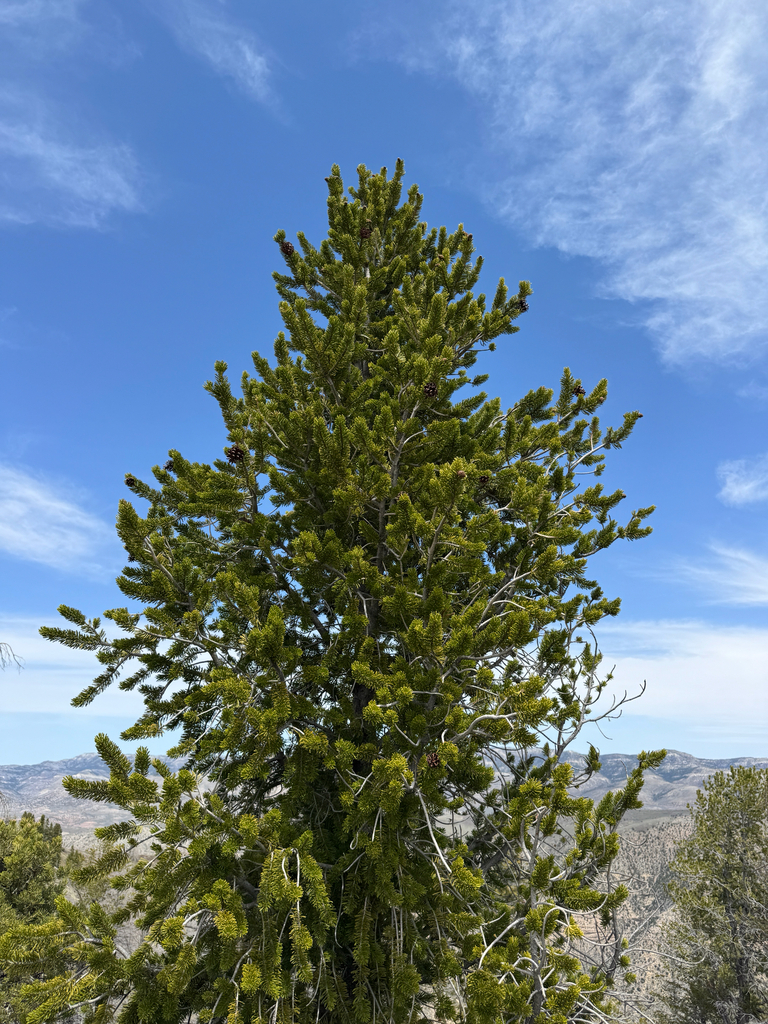
Pinus longaeva, die Langlebige Kiefer, ist ein charakteristisches Hochgebirgsnadelgehölz der westlichen USA. Sie wächst typischerweise als niedriges, dicht verzweigtes Gehölz mit verdrehtem Stamm und knorrigem Wuchs – eine Anpassung an die extremen windigen Bedingungen ihrer hochalpinen Heimat. Die Bäume erreichen Wuchshöhen von 7 bis 12 Metern, in seltenen Fällen auch bis 15 Meter. Der Stammdurchmesser liegt normalerweise bei 1 bis 2 Metern.
Diese Art ist für ihr extrem langsames Wachstum bekannt und gehört zu den langlebigsten Bäumen der Erde – einzelne Exemplare sind über 5000 Jahre alt. Das langsame Tempo ermöglicht diesen Kiefern, in nährstoffarmen, hochalpinen Böden zu überleben, wo konkurrenzkräftige schnellwüchsige Arten scheitern würden. Die dichte, feingliedrige Holzstruktur verleiht dem Holz außergewöhnliche Dauerhaftigkeit und Widerstandsfähigkeit gegen Verwitterung und Schädlingsbefall.
Blüte und Fruchtbildung
Die Langlebige Kiefer ist monoezisch – trägt also männliche und weibliche Blüten auf demselben Baum. Die Blütezeit fällt in die späten Frühlings- oder frühen Sommermonate. Die männlichen Blütenzapfen erscheinen in gelb-orangen Clustern und geben bei Reife große Mengen Pollen ab; die weiblichen Blüten entwickeln sich zu Zapfen, deren Reifung zwei bis drei Jahre andauert.
Die reifen Zapfen sind charakteristisch dicht und kompakt, mit kurzen, hakig gekrümmten Brakteen – ein Merkmal, das der Art ihren wissenschaftlichen Namen und englischen Gemeinnamen „Bristlecone“ (Borstenkegel) gab. Die Samen sind kalt-stratifiziert und keimen nach der Überwinterung in feuchten, kalten Bedingungen. Die natürliche Samenverbreitung erfolgt durch Wind und Wildtiere.
Anbau und Kulturbedingungen
Der Anbau von Pinus longaeva außerhalb ihrer natürlichen Heimat ist anspruchsvoll und setzt spezialisierte Bedingungen voraus. Die Art benötigt sehr gut drainierte, mineralische Böden und verträgt keine Staunässe. Sie gedeiht in höheren Lagen (über 2500 Meter) in kontinentalem Klima mit großen Temperaturschwankungen. Die Kiefer ist extrem trockenheitstolerant und braucht minimal Zusatzbewässerung, sobald sie etabliert ist – sie konkurriert nicht in feuchten, windgeschützten Tieflandstandorten.
Für den Privatanbau sind Setzlinge schwierig zu beschaffen und wachsen nur unter kühlen, trockenen Bedingungen mit langer Vegetationsruhe. Vollsonne ist essentiell; halbschattige Standorte fördern schwaches, unausgewogenes Wachstum. Diese Baumart wird am besten in botanischen Gärten, alpinen Sammlungen oder als spezialisiertes Projekt für erfahrene Gärtner in geeigneten Bergregionen angebaut.
Schutz und Bedrohungen
Pinus longaeva, die Langlebige Kiefer oder Great Basin Bristlecone Pine, ist auf der Roten Liste der IUCN als „Least Concern“ (LC) eingestuft. Dieser Status bedeutet, dass die Art derzeit nicht als bedroht gilt und kein unmittelbares Risiko für ihr Überleben besteht. Die Populationstrends zeigen sogar eine Zunahme, was darauf hindeutet, dass sich die Bestände dieser bemerkenswerten Art stabilisieren oder wachsen.
Bedrohungen
Obwohl Pinus longaeva insgesamt nicht als gefährdet gilt, steht sie dennoch unter mehreren natürlichen und menschlichen Stressoren. Der Klimawandel stellt eine zunehmende Herausforderung dar, da die Art an hochalpine und subalpine Lebensräume gebunden ist. Veränderungen in Temperaturmustern und Niederschlagsregimen können das empfindliche Gleichgewicht in ihren Bergökosystemen stören. Waldbrände und Schädlinge wie die Kiefernblattwespe können lokale Populationen stark dezimieren, obwohl solche Ereignisse bislang nicht zu einem Gesamtrückgang geführt haben.
Schutzmaßnahmen und rechtlicher Schutz
Die Art profitiert von ihrem Vorkommen in geschützten Bergregionen, insbesondere im Great Basin National Park und anderen Schutzgebieten der westlichen Vereinigten Staaten. Viele Vorkommen liegen auf öffentlichen Landflächen, wo Managementpläne zur Erhaltung dieser einzigartigen Bestände beitragen. Die extreme Langlebigkeit von Pinus longaeva — manche Individuen sind über 5.000 Jahre alt — macht sie zu wissenschaftlich wertvollen Objekten für Klimaforschung und Dendrochronologie, was zu erhöhtem Forschungsinteresse und indirektem Schutz führt.
Wissenswertes
- 1.Die Großes Becken-Felsenföhre ist einer der ältesten lebenden Organismen der Erde und kann über 5.000 Jahre alt werden. Der älteste bekannte Baum dieser Art, Methuselah, ist älter als 4.850 Jahre.
- 2.Diese Kiefer wächst extrem langsam – manche Jahrringe sind weniger als 1 Millimeter dick und nur unter dem Mikroskop sichtbar. Diese dichte Holzstruktur trägt zu ihrer außergewöhnlichen Langlebigkeit bei.
- 3.Der Baum überlebt in einer der unwirtlichsten Umgebungen Nordamerikas, in den trockenen, hochgelegenen Regionen des Great Basin zwischen 2.400 und 3.600 Metern Höhe. Er gedeiht auf felsigen, nährstoffarmen Böden, auf denen wenig andere Vegetation konkurriert.
- 4.Bristlecone Pines zeigen eine ungewöhnliche Morphologie: Ein einzelner Baum kann tote und lebende Äste gleichzeitig haben, wobei die lebenden Teile wie dünne Bänder über das tote Holz laufen. Dieses Muster ermöglicht es dem Baum, mit Trockenheit und Stress umzugehen.
- 5.Das dichte Harz in ihrem Holz schützt diese Bäume vor Fäulnis und Insektenbefall, weshalb selbst totes Holz über Jahrtausende erhalten bleibt. Archäologen und Klimaforscher nutzen die Jahrringe dieser Bäume, um das Klima der Vergangenheit zu rekonstruieren.
- 6.Die Zapfen der Großes Becken-Felsenföhre haben lange, fragile Borsten, von denen die Art ihren englischen Namen „bristlecone“ erhielt – die deutsche Bezeichnung bezieht sich auf die Felsenhabitate, in denen sie gedeiht.
Quellen und Referenzen
- Global Biodiversity Information Facility (GBIF)View source
- iNaturalistView source
- WikidataView source
- WikipediaView source
- Encyclopedia of Life (EOL)View source
- Plants of the World Online (POWO)View source
Ökologie
Wachstumsbedingungen
Erhaltungsstatus
LC (Nicht gefährdet) · NT · VU · EN · CR · EW · EX
Fotogalerie
Parker James Lloyd · CC BY 4.0
Verwandte Arten
War dieses Profil hilfreich?