
Plantnimals
Great Basin Bristlecone Pine
Pinus longaeva
Risiko rendah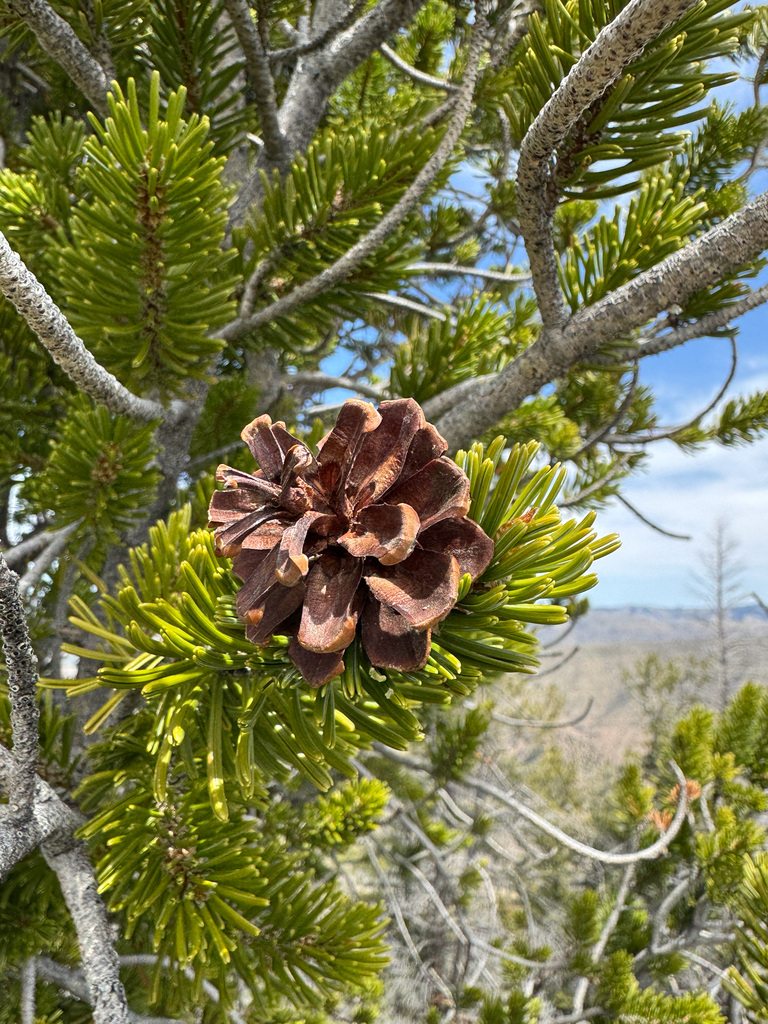
© Parker James Lloyd · iNaturalist · CC BY 4.0
Klasifikasi ilmiah & fakta singkat
Sekilas
Perched on the windswept slopes of the Great Basin’s highest peaks, Pinus longaeva, the Great Basin Bristlecone Pine, represents one of Earth’s most resilient inhabitants. This remarkable conifer clings to life in some of the harshest environments on the continent, where fierce alpine winds, extreme temperature swings, and sparse precipitation test the limits of survival. Despite its challenging habitat, the species is classified as Least Concern across its range, which spans a single country—the United States, primarily the mountains of California, Nevada, Utah, and Oregon.
What makes bristlecone pines truly exceptional is their ability to thrive where nearly all other trees fail. Their gnarled, twisted wood is so dense it resists decay for millennia, even after death—creating ghostly snags that stand as monuments to the species’ endurance. This combination of extreme longevity, adaptation to barren mountain environments, and ecological significance makes the Great Basin Bristlecone Pine a living window into the deep past of North American climate and ecosystems.
Identification and Appearance
Pinus longaeva, Great Basin Bristlecone Pine, adalah pohon berukuran sedang yang mencapai ketinggian 5 hingga 15 meter dengan diameter batang mencapai 2,5 hingga 3,6 meter. Kulit pohon berwarna jingga-kuning cerah, tipis dan bersisik di bagian dasar batang. Pohon ini dikenal dengan daya tahan hidup yang luar biasa panjang, dengan beberapa individu tercatat berusia lebih dari 4.800 tahun, menjadikannya salah satu organisme hidup tertua di Bumi.
Jarum dan Daun
Jarum tumbuh dalam kelompok lima (fasikulus lima) dan bersifat kokoh dengan panjang 2,5 hingga 4 sentimeter. Warna daun adalah hijau tua hingga biru-hijau di permukaan luar, sementara permukaan dalam menampilkan pita putih cerah yang mengandung stoma. Keunikan ini membedakan Pinus longaeva dari spesies pinus lainnya dan mencerminkan adaptasi terhadap kondisi lingkungan yang ekstrem di habitat asalnya di Great Basin.
Distribution and Habitat
Pinus longaeva, atau Bristlecone Pine Great Basin, adalah spesies yang endemik di Amerika Serikat. Seluruh populasi alami spesies ini ditemukan di wilayah western AS, dengan pusat distribusinya berada di kawasan Great Basin dan pegunungan sekitarnya.
Jangkauan Geografis
Spesies ini terbatas pada Amerika Serikat, di mana catatan GBIF menunjukkan 300 rekaman observasi. Pohon ini menempati habitat pegunungan tinggi di kawasan Great Basin, terutama di Nevada, Utah, California, dan wilayah perbatasan eastern California. Populasi bristlecone pine tersebar di berbagai puncak dan lembah pegunungan di region ini, menciptakan distribusi yang patchy dan tergantung pada kondisi topografi lokal.
Pola Musiman
Data observasi menunjukkan pola musiman yang jelas, dengan aktivitas perekaman puncak pada Mei. Mayoritas observasi terdokumentasi antara Maret dan Mei, mencerminkan musim pertumbuhan dan puncak aktivitas penelitian atau fotografi spesies ini. Periode juni hingga desember menunjukkan frekuensi observasi yang sangat rendah atau tidak ada, kemungkinan mencerminkan kondisi iklim musim dingin yang ekstrem di habitat pegunungan tingginya dan penurunan aksesibilitas kawasan ini selama musim salju.
Biology
Pertumbuhan
Pinus longaeva adalah pohon konifer yang tumbuh lambat dengan bentuk yang sering tertekan dan berbelit. Pohon dewasa biasanya mencapai 5 hingga 15 meter tinggi, meskipun spesimen yang lebih pendek dan lebih padat umum terjadi di habitat alpine yang berat. Kayu yang padat dan pertumbuhan yang terukur memungkinkan pohon ini membangun struktur yang sangat kokoh dan tahan lama terhadap kondisi ekstrem.
Pohon bristlecone Great Basin terkenal karena umur panjangnya yang luar biasa—beberapa individu telah hidup lebih dari 5.000 tahun, menjadikannya organisme hidup tertua yang diketahui di Bumi. Pertumbuhan yang ekstrem lambat ini mencerminkan adaptasi terhadap musim tanam yang pendek dan kondisi lingkungan yang keras di gunung-gunung tinggi tempat pohon ini tumbuh.
Berbunga dan Buah
Pohon ini menghasilkan kerucut jantan dan betina yang terletak di cabang-cabang yang sama. Benih berkembang dalam kerucut berkayu yang persisten, masing-masing mengandung benih bersayap yang tersebar oleh angin. Waktu dan karakteristik berbunga spesifik untuk spesies ini tidak terdokumentasi dalam data yang tersedia, meskipun reproduksi seksual terjadi secara teratur di populasi alami.
Budidaya
Menumbuhkan Pinus longaeva di luar habitat alpine alaminya sangat menantang. Pohon ini memerlukan cahaya penuh dan tanah yang sangat terdraenase dengan baik, karena pohon ini tidak toleran terhadap kelembaban berlebihan atau kondisi basah. Dalam kebun, pohon ini jarang dibudidayakan dan paling baik ditanam dari benih asli yang dikumpulkan dari populasi liar.
Pohon bristlecone Great Basin menunjukkan toleransi luar biasa terhadap kekeringan dan dapat bertahan dalam kondisi iklim dingin yang ekstrem pada ketinggian tinggi. Persyaratan zona ketahanan, pH tanah, dan kebutuhan air spesifik tidak tersedia dalam data saat ini, tetapi preferensi alam pohon ini untuk batu kapur tinggi dan batu pasir yang terdisintegrasi menunjukkan bahwa pH tanah netral hingga sedikit asam adalah yang terbaik. Pertumbuhan yang sangat lambat berarti bahwa pemeliharaan minimal dan kesabaran bertahun-tahun diperlukan untuk mengembangkan pohon menjadi ukuran dan bentuk yang bermakna.
Conservation and Threats
Pinus longaeva, pohon bristlecone Great Basin, saat ini terdaftar sebagai Least Concern (LC) pada Daftar Merah IUCN. Status ini mencerminkan bahwa spesies ini tidak menghadapi ancaman langsung yang cukup parah untuk mengklasifikasikannya sebagai rentan atau terancam pada tingkat global. Populasi spesies ini menunjukkan tren peningkatan, sebuah tanda positif bagi kesehatan jangka panjangnya di habitat aslinya di Great Basin Amerika Utara.
Pohon bristlecone Great Basin tumbuh di lingkungan ekstrem ketinggian tinggi, di mana kondisi yang keras secara alami membatasi ancaman dari aktivitas manusia intensif. Beberapa pohon-pohon individual telah melampaui usia 5.000 tahun, menjadikan mereka organisme hidup tertua di Bumi. Ketahanan mereka terhadap kekeringan dan kondisi tanah yang miskin memungkinkan populasi mereka untuk tetap stabil bahkan dalam menghadapi perubahan iklim regional.
Ancaman Potensial
Meskipun status konservasi saat ini menggembirakan, beberapa ancaman lokal tetap relevan. Kunjungan wisata ke area di mana pohon-pohon ini tumbuh dapat menyebabkan kerusakan fisik terhadap individu yang lebih tua dan lebih rapuh. Perubahan pola cuaca dan meningkatnya periode kekeringan yang terkait dengan perubahan iklim dapat mempengaruhi ketersediaan air dan kesuksesan regenerasi di beberapa lokasi. Pembakaran ternak historis dan praktik manajemen lahan lainnya telah mengubah dinamika ekosistem di beberapa bagian dari jangkauan mereka.
Upaya Konservasi
Pohon bristlecone Great Basin mendapatkan perlindungan melalui statusnya di taman nasional, monumen nasional, dan area lindung lainnya di seluruh Great Basin. Beberapa lokasi dengan pohon-pohon tertua ditutup untuk akses publik guna mencegah kerusakan lebih lanjut. Program penelitian berkelanjutan memantau kesehatan populasi dan respons mereka terhadap perubahan lingkungan, memberikan wawasan berharga untuk manajemen konservasi di masa depan.
Fun Facts
- 1.Pohon cemara Great Basin adalah organisme hidup tertua yang diketahui di Bumi, dengan individu berusia lebih dari 5.000 tahun. Pohon tertua yang belum dipotong, bernama Methuselah, telah hidup selama lebih dari 4.800 tahun di California timur.
- 2.Kulit dan kayu pohon ini sangat tahan terhadap pembusukan karena kepadatan tinggi dan kandungan resin yang melimpah. Bahkan setelah mati, pohon dapat tetap berdiri atau terbaring di tanah selama ribuan tahun dalam kondisi relatif utuh.
- 3.Pertumbuhan pohon cemara ini sangat lambat—beberapa individu hanya menambah beberapa milimeter diameter per dekade dalam kondisi lingkungan yang keras. Laju pertumbuhan yang sangat rendah ini sebenarnya berkontribusi pada umur panjang mereka dengan mengurangi aktivitas metabolisme.
- 4.Pohon ini tumbuh di ketinggian ekstrem antara 2.400 hingga 3.400 meter di pegunungan Great Basin, di habitat yang ekstrem dengan suhu rendah, presipitasi minimal, dan tanah yang miskin nutrisi. Pohon lain hampir tidak dapat bertahan di lingkungan yang sama.
- 5.Kerucut benih pohon cemara Great Basin memerlukan waktu tiga tahun untuk matang sepenuhnya, jauh lebih lama dibanding sebagian besar spesies pinus lainnya. Benih yang matang memiliki sayap panjang yang membantu dispersal angin, meskipun penyebaran tetap terbatas dalam iklim yang dingin dan kering.
- 6.Pola pertumbuhan gelang tahunan pada pohon ini tercatat dengan detail ekstrem, sehingga memungkinkan para peneliti merekonstruksi iklim dan kondisi lingkungan selama lebih dari 9.000 tahun ke belakang melalui analisis dendrokronologi.
- 7.Beberapa pohon cemara Great Basin memiliki strategi kelangsungan hidup yang luar biasa: mereka dapat bertahan hidup dengan hanya sebagian kecil dari kulit pembuluh kayu yang masih hidup, membiarkan sebagian besar pohon mati sementara garis kehidupan yang tipis terus memelihara mahkota.
Sources and References
- Global Biodiversity Information Facility (GBIF)View source
- iNaturalistView source
- WikidataView source
- WikipediaView source
- Encyclopedia of Life (EOL)View source
- Plants of the World Online (POWO)View source
Ekologi
Kondisi pertumbuhan
Status konservasi
LC (Risiko rendah) · NT · VU · EN · CR · EW · EX
Galeri foto
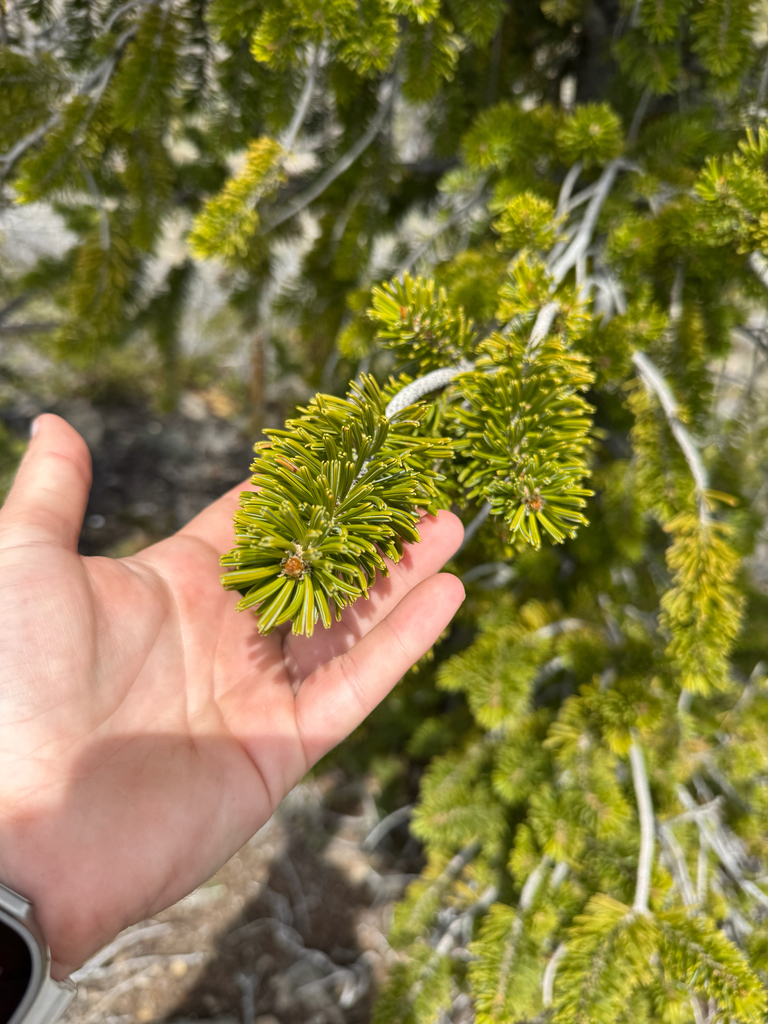
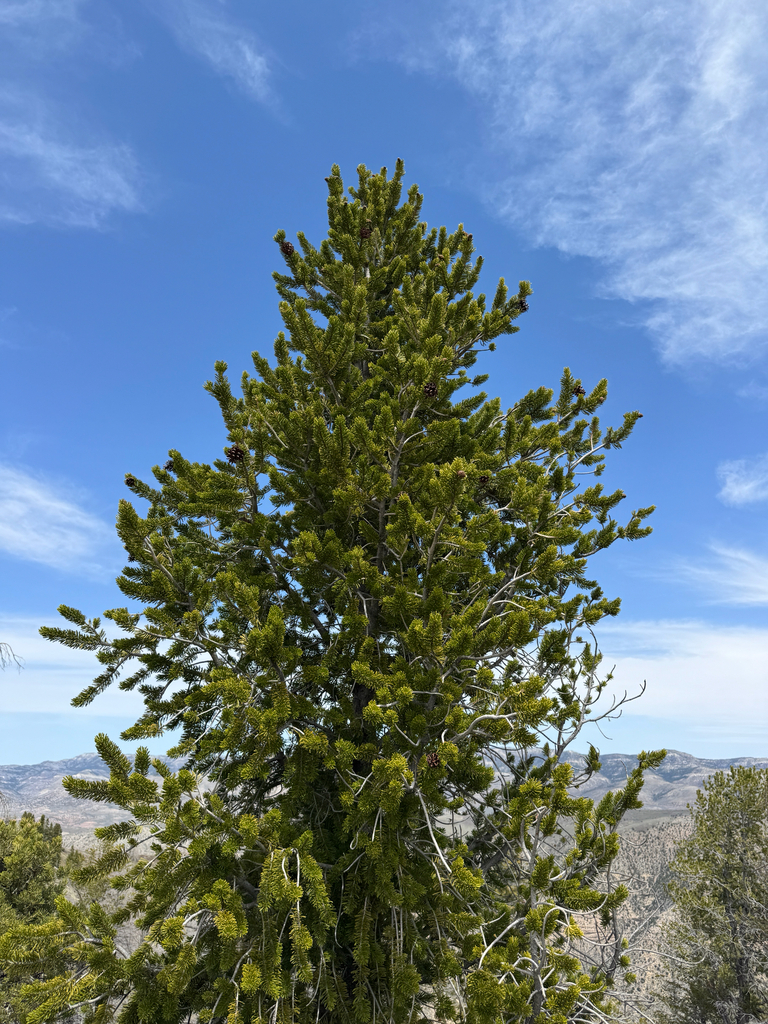
Parker James Lloyd · CC BY 4.0
Spesies terkait
Apakah profil ini membantu?