
Squamata
Sidewinder
Crotalus cerastes
Least ConcernAlso known as: Sidewinder Rattlesnake
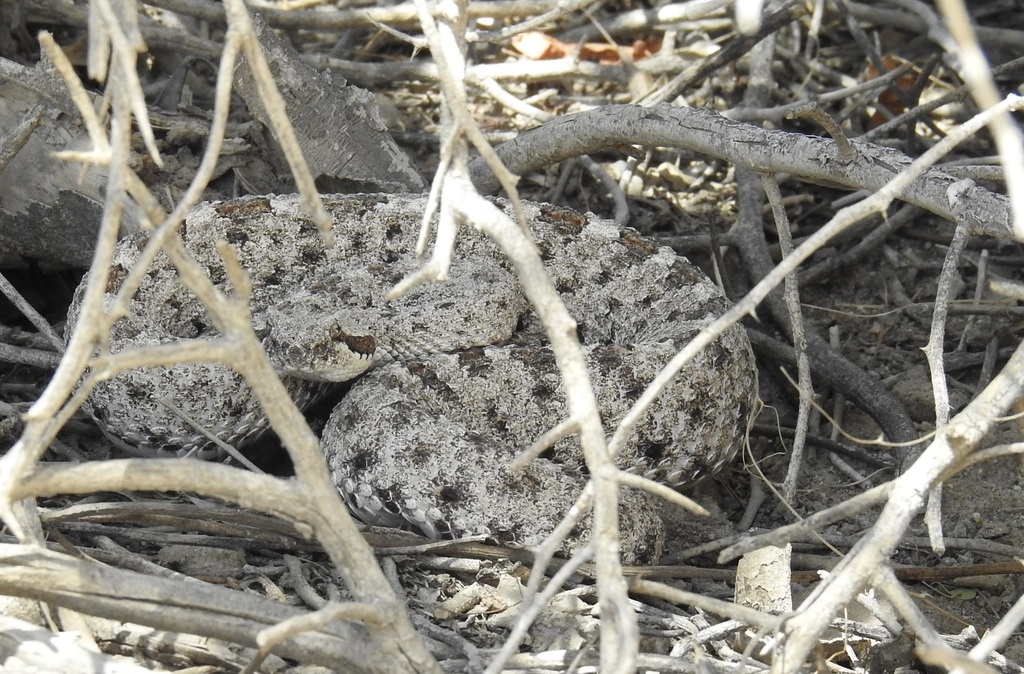
© Diana · iNaturalist · CC BY 4.0
Across the scorching deserts of southwestern North America, a small but formidable viper moves in a manner unlike any other snake on Earth. The sidewinder, Crotalus cerastes, propels itself laterally across burning sand and rock in a distinctive J-shaped motion, leaving behind a series of parallel tracks that betray its unconventional passage. This venomous pit viper belongs to the family Viperidae and is found across just two countries, yet its unique locomotion and specialized desert adaptations have made it one of the most recognizable serpents in North America.
Classified as Least Concern by the IUCN, the sidewinder remains relatively stable across its range, though it faces pressures from habitat modification and road mortality. What sets this species apart is not merely its eye-catching movement pattern, but rather a constellation of anatomical and behavioural specializations—including heat-sensing pits, a potent venom, and cryptic coloration—that make it a perfect inhabitant of the desert realm it dominates.
Identification and Appearance
Crotalus cerastes is a small rattlesnake, with adult specimens typically measuring between 43 and 80 centimetres in total length, including the tail. This compact size makes it one of the smallest rattlesnakes in North America. The body is robust and somewhat flattened dorsoventrally, characteristic of pit vipers adapted to desert terrain.
Coloration and Scale Pattern
The dorsal surface displays a cryptic pattern of pale tan, grey, or yellowish coloration with darker crossbands or blotches that provide excellent camouflage against sandy desert substrates. The ventral surface is lighter, often whitish or pale grey. A distinctive feature is the presence of 21 rows of keeled dorsal scales at midbody, which create a somewhat rough texture to the skin. The head is triangular and clearly distinct from the neck, with a characteristic pit organ located between the eye and nostril on each side.
Sexual Dimorphism
Female sidewinders are notably larger than males, an unusual pattern among United States rattlesnakes. This size difference is one of the most striking sexual dimorphism characteristics in the species and may relate to reproductive demands in females. The rattle, present in both sexes, consists of modified tail segments that produce a buzzing sound when vibrated as a defensive warning.
Distribution and Habitat
Crotalus cerastes, the Sidewinder, occurs across a limited geographic range in North America, with records concentrated in the southwestern United States and a small presence in Mexico. GBIF records show 296 confirmed observations from the US and 4 from Mexico, reflecting the species’ core distribution in desert regions of the American Southwest.
The Sidewinder exhibits a pronounced seasonal presence pattern. GBIF data indicates peak activity in March, when 120 records were documented, followed by sustained presence through April and May (92 and 60 records respectively). Observation records drop sharply from June onward, with no documented activity from June through December, suggesting the species either enters dormancy or becomes cryptic during the hotter summer months and cooler winter period.
Specific elevation data are not available for this species. The Sidewinder inhabits arid and semi-arid desert environments typical of the Mojave and Sonoran deserts, where sandy and gravelly substrates predominate. This specialized adaptation to extremely hot, dry conditions distinguishes the species from most other North American rattlesnakes.
Biology
Behavior
The sidewinder is primarily nocturnal, sheltering beneath rocks, in rodent burrows, or under desert vegetation during the intense heat of the day. At night, it hunts across sand and rocky terrain using a distinctive sidewinding locomotion—a lateral S-shaped movement that minimizes contact with hot ground and leaves characteristic J-shaped tracks in sand. This specialized movement allows the snake to navigate loose desert substrates with remarkable efficiency while reducing heat absorption from the sun-baked surface.
Sidewinders are ambush predators that typically remain stationary near prey corridors, relying on their heat-sensing pits to detect warm-blooded animals moving in complete darkness. When threatened, the sidewinder coils tightly and produces a distinctive warning sound by vibrating its rattle, which resembles the buzz of certain desert insects. This acoustic signal often deters predators and gives the snake opportunity to escape.
Diet
Sidewinders feed exclusively on small vertebrates, particularly lizards and small mammals. Their primary prey includes desert iguanas, horned lizards, and various rodent species such as kangaroo rats. Young sidewinders may consume insects and invertebrates before graduating to larger prey as they grow.
As an ambush predator, the sidewinder uses its heat-sensitive pits along the jaw to detect prey in absolute darkness. Once prey is detected, the snake strikes rapidly with venom that subdues the victim before swallowing it whole. Feeding frequency varies seasonally, with higher activity during warmer months when prey abundance peaks.
Reproduction
Sidewinders are ovoviviparous, meaning females retain eggs internally and give birth to live young. Breeding typically occurs in spring, with females gestating offspring for approximately four to five months. Litter sizes range from 2 to 18 young, though most litters contain 4 to 8 neonates.
Newborn sidewinders are independent immediately after birth and receive no parental care. Females may breed annually in favorable years when food resources are abundant. Sexual maturity is reached after two to three years of growth, allowing the population to respond quickly to favorable environmental conditions in the unpredictable desert ecosystem.
Conservation and Threats
Crotalus cerastes, the sidewinder, currently holds a conservation status of Least Concern on the IUCN Red List. This designation reflects that the species does not face immediate risk of extinction across its range. However, the population trend is decreasing, indicating that sidewinder numbers are declining despite their current stable classification.
Threats
Sidewinders face pressures from habitat modification and fragmentation across their desert range in southwestern North America. Urban development, off-road vehicle use, and agricultural expansion have reduced suitable habitat in some regions. Road mortality also affects populations in areas where human infrastructure bisects snake territories. Climate change poses an emerging long-term threat, as shifts in desert temperature and precipitation patterns may affect prey availability and breeding cycles.
Conservation Efforts
The sidewinder benefits from legal protection in several jurisdictions within its range. In Arizona and California, regulations restrict collection and trade of native rattlesnake species. Many protected desert areas—including national parks and wildlife refuges—provide habitat where sidewinders are safeguarded from direct persecution. Research programs tracking population dynamics and habitat use continue to inform management decisions.
Cultural Significance
Mythological and Folkloric Origins
The sidewinder’s scientific name, Crotalus cerastes, draws directly from ancient Greek mythology. The term cerastes (Greek: κεράστης, kerastēs) means “having horns” and refers to a legendary serpent of incredible flexibility—so much so that classical sources claimed it possessed no spine. In Greek lore, the creature was depicted with either two large ram-like horns or multiple pairs of smaller horns, and it employed a deceptive hunting strategy: burying itself in sand with only its horns visible, waiting for prey to mistake the protruding horns for food. This mythological image has resonated across cultures, with the horned serpent becoming a potent symbol of power, protection, and fertility throughout history.
Modern Cultural Impact
Beyond ancient mythology, the sidewinder has influenced modern technology and popular culture. The serpent’s use of infrared heat detection inspired the naming of the AIM-9 Sidewinder missile system—both hunter and weapon track their targets using thermal signatures. The genus name Crotalus itself derives from the Greek word κρόταλον (krótalon), meaning “rattle” or “castanet,” a direct reference to the distinctive rattle at the tip of the tail that defines rattlesnakes and distinguishes them as one of nature’s most recognizable warning systems.
Fun Facts
- 1.Temperature sensors on the face: Sidewinders possess heat-sensing pits along their upper lip that can detect the body warmth of prey animals from several centimeters away, allowing them to hunt in complete darkness.
- 2.Sideways tracks tell a story: The sidewinder leaves distinctive J-shaped marks in the sand that point toward its direction of travel—a pattern so recognizable it has become iconic in desert wildlife.
- 3.Horns above the eyes: Unlike most rattlesnakes, sidewinders have small horn-like scales above each eye, which may provide protection from blowing sand or help with burrowing into desert substrate.
- 4.Venom optimized for small prey: Sidewinder venom is notably potent for its body size, specially adapted to quickly immobilize small lizards and rodents before they can escape into burrows or rocky crevices.
- 5.Nocturnal heat avoiders: Sidewinders are primarily active at dusk and night, hunting when desert temperatures drop—a strategy that reduces water loss and avoids competition with diurnal predators.
- 6.Sand-colored for invisibility: Their pale, speckled coloration provides near-perfect camouflage against desert sand and rocks, making them difficult to spot even when coiled just centimeters away.
- 7.Rapid shedding cycle: Sidewinders shed their skin more frequently than many other rattlesnake species, an adaptation believed to help them manage the abrasive effects of constant contact with gritty desert sand.
Sources and References
- Global Biodiversity Information Facility (GBIF)View source
- iNaturalistView source
- WikidataView source
- WikipediaView source
- Encyclopedia of Life (EOL)View source
Conservation Status
LC (Least Concern) · NT · VU · EN · CR · EW · EX
Photo Gallery
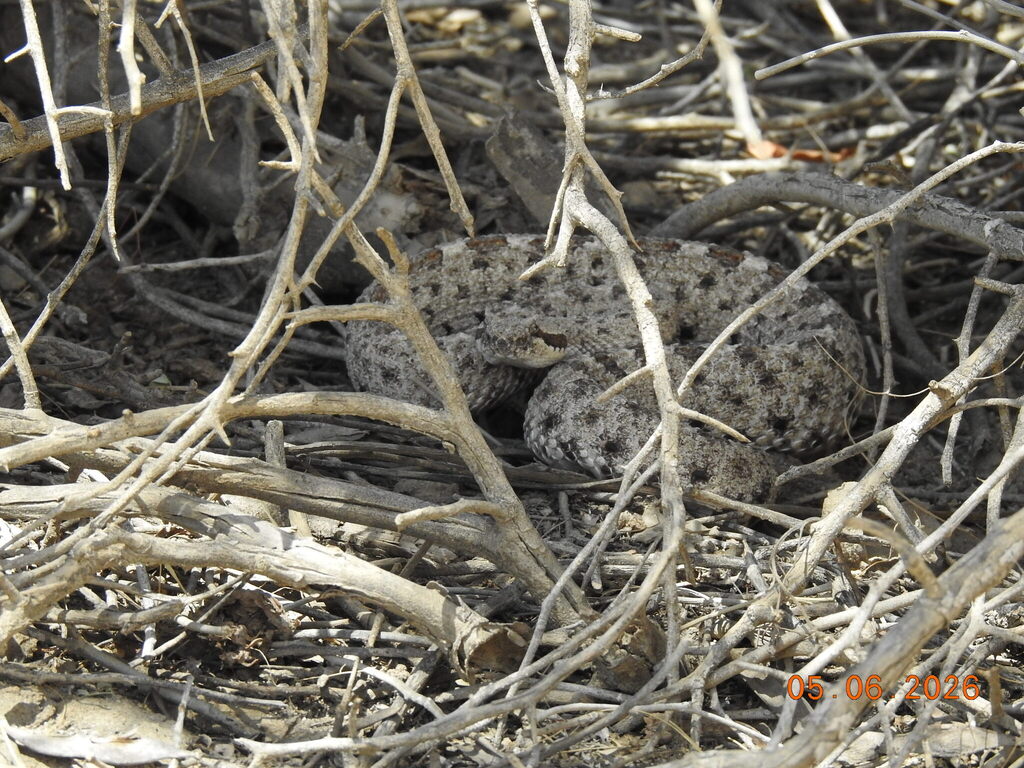
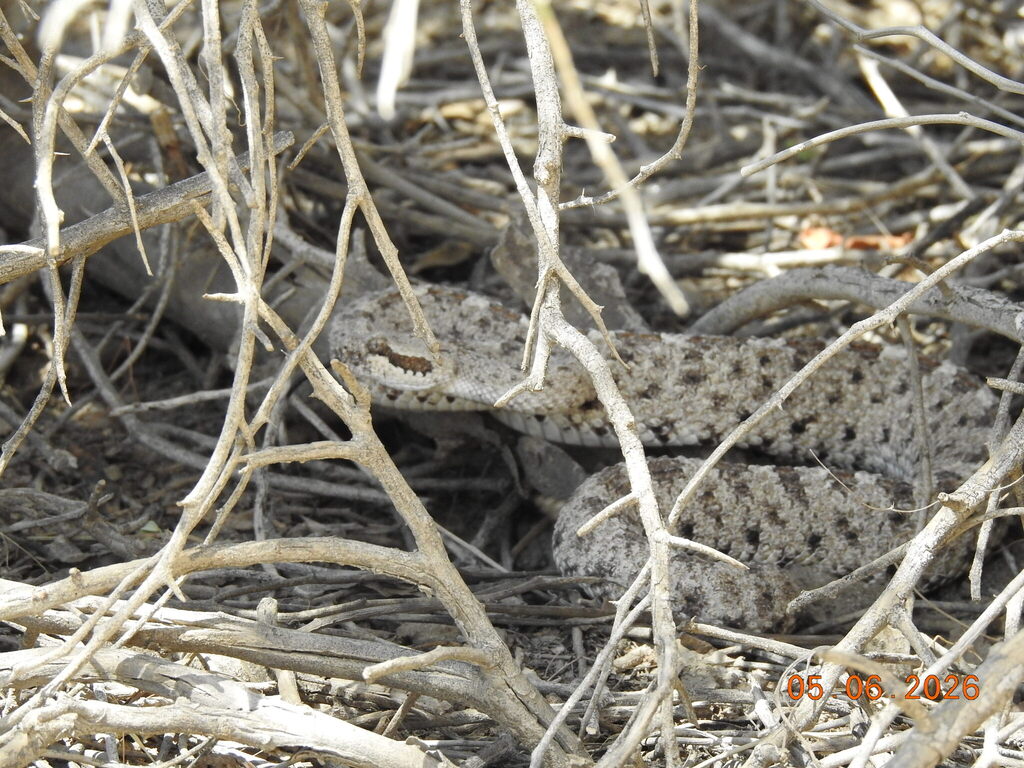
Diana · CC BY 4.0
Related Species
Was this profile helpful?