
Insecta · Coleoptera
Common Goliath Beetle
Goliathus goliatus
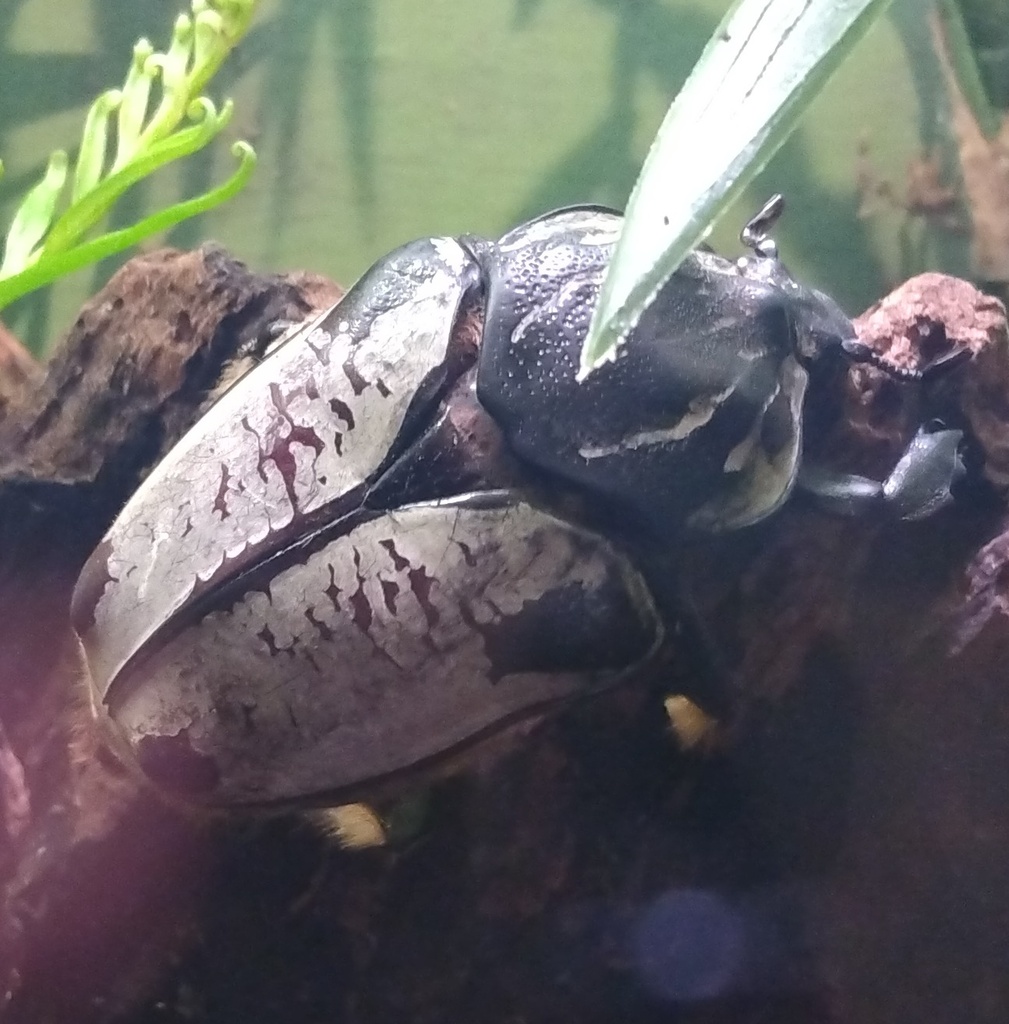
© Rob Schnautz · iNaturalist
वैज्ञानिक वर्गीकरण और त्वरित तथ्य
वर्गीकरण
Known For
Detailed measurements for this species are still being verified.
गोलियथ बीटल—यह नाम ही इसके विशालकाय आकार का संकेत देता है। Goliathus goliatus कीটों की दुनिया के सबसे प्रभावशाली सदस्यों में से एक है, जिसका शरीर मोटा, भारी और शक्तिशाली होता है। यह स्कारेबिड परिवार का सदस्य है—वही परिवार जिसमें गुंजनशील भंवरे और गोबर के कीट शामिल हैं—लेकिन आकार में कहीं अधिक आश्चर्यजनक।
यह प्रजाति अफ्रीका के वर्षावनों में पाई जाती है और 10 से अधिक देशों में विस्तृत है। इसका संरक्षण स्थिति वर्तमान में अज्ञात वर्गीकृत है, जो इस प्रभावशाली कीट के बारे में हमारे ज्ञान के अंतराल को दर्शाता है। गोलियथ बीटल की बायोलॉजी, जीवन चक्र और पारिस्थितिक भूमिका इसे अध्ययन और आश्चर्य दोनों का विषय बनाती है।
पहचान और रूप
आकार और लैंगिक द्विरूपता
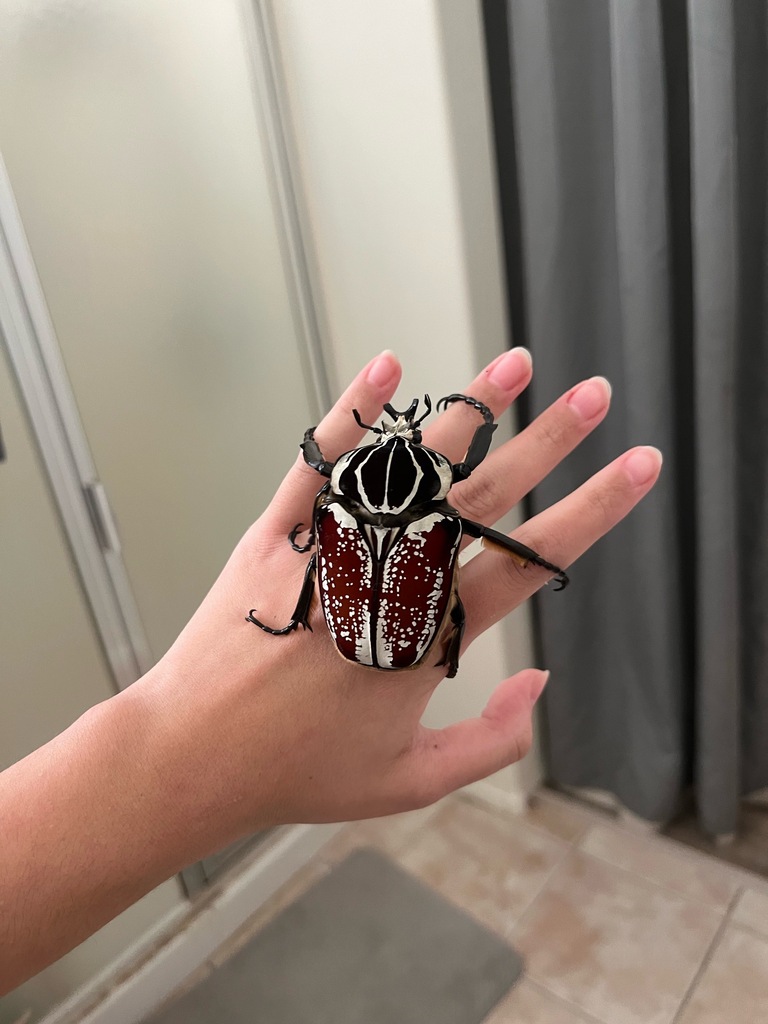
Goliathus goliatus जीनस Goliathus की सबसे बड़ी प्रजातियों में से एक है और सामान्य रूप से सबसे बड़े कीटों में से एक माना जाता है। नर甲虫 का शरीर की लंबाई 50 से 110 मिलीमीटर तक होती है, जबकि मादाएं आमतौर पर 54 से 80 मिलीमीटर के बीच होती हैं। यह स्पष्ट लैंगिक द्विरूपता इस प्रजाति की एक विशेषता है, नर सामान्यतः मादाओं की तुलना में बड़े और अधिक शक्तिशाली होते हैं।
रंग और बाहरी संरचना
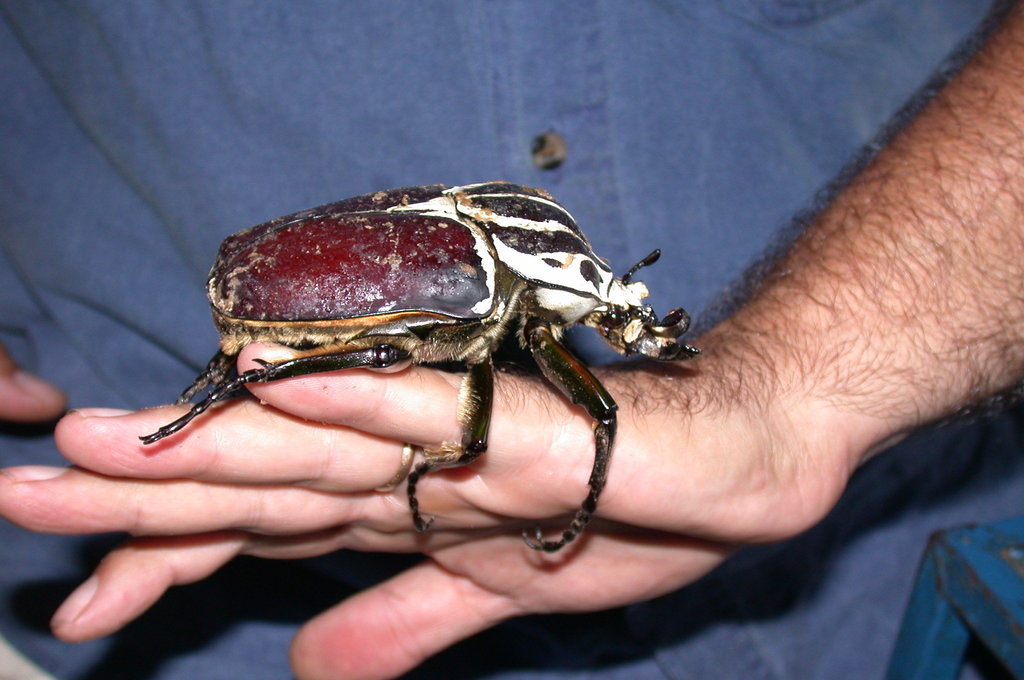
प्रोनोटम (वक्षीय ढाल) मुख्य रूप से काला है, जिसमें सफेद रंग की अनुदैर्ध्य धारियाँ होती हैं। कवच (elytra) आमतौर पर गहरे भूरे रंग के होते हैं, लेकिन इस प्रजाति में रंग में उल्लेखनीय भिन्नता देखी जाती है। विभिन्न रूपों में कवच विभिन्न मात्रा और पैटर्न में भूरे, सफेद और काले रंग दिखाते हैं।
“क्वाड्रिमैकुलेटस” रूप में कवच अधिकांशतः सफेद होते हैं, और इसके साथ कई मध्यवर्ती रूप भी पाए जाते हैं जिन्हें “एलबेटस”, “अपिकेलिस”, “कॉन्सपर्सस”, “हायरोग्लिफिकस” और “अंडुलेटस” नाम दिए गए हैं। ये विभिन्न रूप अधिक सामान्य भूरे रंग के विशिष्ट रूप के साथ सहवर्ती रूप से पाए जाते हैं।
वितरण और आवास
Goliathus goliatus पश्चिम और मध्य अफ्रीका में व्यापक रूप से वितरित है। यह प्रजाति बेनिन में सबसे अधिक पाई जाती है, जहाँ 29 रिकॉर्ड दर्ज हैं, इसके बाद कैमरून में 11 रिकॉर्ड हैं। लोकतांत्रिक कांगो गणराज्य, इक्वेटोरियल गिनी, युगांडा और मध्य अफ्रीकी गणराज्य भी इसके महत्वपूर्ण निवास क्षेत्र हैं। कुल मिलाकर, यह बीटल 10 देशों में दर्ज किया गया है।
ऊँचाई के संदर्भ में, Goliathus goliatus समुद्र तल से 322 मीटर से लेकर 1219 मीटर तक की ऊँचाई पर पाया जाता है, औसतन 920 मीटर पर। यह विस्तृत ऊँचाई रेंज इस प्रजाति को विविध इलाकों में अनुकूल होने की क्षमता दर्शाती है।
सामयिक उपस्थिति में एक स्पष्ट पैटर्न दिखाई देता है, अप्रैल में इसकी गतिविधि शिखर पर होती है, जब 16 अवलोकन दर्ज किए गए। वर्ष के अन्य महीनों में इसकी उपस्थिति कम सुसंगत होती है, जनवरी से मार्च तक प्रत्येक महीने में 3 रिकॉर्ड होते हैं। यह मौसमी पैटर्न स्थानीय जलवायु परिस्थितियों और प्रजनन चक्र से संबंधित हो सकता है।
जीव विज्ञान
व्यवहार
Goliathus goliatus मुख्य रूप से निशाचर कीट है जो रात के समय सक्रिय रहता है। दिन के दौरान यह वनस्पति के बीच छिपा रहता है और संध्या के बाद बाहर निकलता है। इस प्रजाति के पुरुष और महिला दोनों ही उड़ने में सक्षम हैं, हालांकि उनके बड़े आकार और भारी शरीर के कारण उड़ान धीमी और गहरी गुड़गुड़ाहट वाली होती है।
ये कीट आमतौर पर एकांकी होते हैं और आक्रामक व्यवहार प्रदर्शित कर सकते हैं जब प्रतिद्वंद्वी नर एक-दूसरे से मिलते हैं। नर व्यक्ति अपने सिर पर बड़े सींग का उपयोग करके संघर्ष में संलग्न होते हैं, विशेषकर संभावित साथियों को आकर्षित करने के लिए प्रतिस्पर्धा करते समय।
आहार
गोलियाथ बीटल सर्वाहारी है और पके फलों को खाना पसंद करता है। यह अंजीर, केले और अन्य रस युक्त फलों पर भोजन करता है। वयस्क कीट पेड़ों के पत्तों और छाल को भी खाते हैं। इसके विशाल आकार को बनाए रखने के लिए बड़ी मात्रा में भोजन की आवश्यकता होती है।
लार्वा मुख्य रूप से सड़ती हुई लकड़ी, पत्तियों और मिट्टी में जैविक पदार्थ पर भोजन करता है। भूमि में अपने विकास के दौरान यह विघटित वनस्पति को खाकर मिट्टी में महत्वपूर्ण भूमिका निभाता है।
प्रजनन
गोलियाथ बीटल का प्रजनन काल मुख्य रूप से वर्षा के मौसम के दौरान होता है जब नमी अधिक होती है। मादा मिट्टी में गहरे बिल खोदती है और अंडे देती है। वह अपने अंडों की देखभाल नहीं करती, और अंडों के निषेचन के बाद कोई पितृ देखभाल नहीं होती।
लार्वा अवस्था कई महीने तक रहती है, आमतौर पर तीन से छह महीने तक। इस अवधि में लार्वा तेजी से बढ़ता है और अपने अंतिम आकार तक पहुंचने से पहले कई बार अपनी त्वचा बदलता है। सांकुचन अवधि के दौरान लार्वा एक सुरक्षात्मक कोषप्रकोष्ठ बनाता है जहां से यह वयस्क के रूप में निकलता है।
संरक्षण और खतरे
Goliathus goliatus के संरक्षण स्थिति के बारे में अंतर्राष्ट्रीय स्तर पर औपचारिक मूल्यांकन वर्तमान में उपलब्ध नहीं है। IUCN रेड लिस्ट पर इसे सूचीबद्ध नहीं किया गया है, जिसका अर्थ यह है कि इस विशाल甲虫की आबादी के आकार और प्रवृत्ति के बारे में व्यवस्थित डेटा सीमित है। इसके बावजूद, Goliathus जीनस की प्रजातियों को पालतू व्यापार में महत्वपूर्ण संग्रह दबाव का सामना करना पड़ता है।
धमकियाँ
आवास का नुकसान मध्य और पश्चिमी अफ्रीका के वर्षावन क्षेत्रों में Goliathus goliatus के लिए एक प्रमुख चिंता है, जहाँ कृषि विस्तार और वनों की कटाई इसके लार्वल भोजन के पौधों को नष्ट करते हैं। कीटनाशक का उपयोग, विशेषकर कृषि और जैविक नियंत्रण कार्यक्रमों में, लार्वल अवस्था में जनसंख्या को प्रभावित कर सकता है। संग्राहकों और शौकीन कीट प्रेमियों द्वारा जंगली से संग्रह भी एक ज्ञात खतरा है, हालांकि इसका विस्तार अभी तक पूरी तरह प्रलेखित नहीं है।
संरक्षण प्रयास
वर्तमान में, Goliathus goliatus किसी विशेष अंतर्राष्ट्रीय संरक्षण कार्यक्रम द्वारा सुरक्षित नहीं है। हालांकि, कुछ अफ्रीकी देशों ने कीटों के संग्रह और निर्यात को नियंत्रित करने वाले स्थानीय नियम स्थापित किए हैं। इस प्रजाति की दीर्घकालिक व्यवहार्यता सुनिश्चित करने के लिए संरक्षित वन आवास का रखरखाव और आवास पुनर्स्थापन कार्यक्रम महत्वपूर्ण हैं।
सांस्कृतिक महत्व
गोलियथ बीटल का नाम बाइबिल के प्रसिद्ध योद्धा गोलियथ से लिया गया है, जो 1 शमूएल में वर्णित है। बाइबिल के अनुसार, गोलियथ एक विशाल फिलिस्तीनी योद्धा था जिसने इस्राएलियों को एकल युद्ध के लिए चुनौती दी थी। इसी कहानी में युवा दाऊद ने गोलियथ को परास्त किया और बाद में इस्राएल के राजा बने। इस महान पौराणिक योद्धा के नाम से इस बीटल का नामकरण किया गया, जो शायद इसके विशाल आकार और शक्तिशाली उपस्थिति को दर्शाता है।
पश्चिम अफ्रीकी संस्कृतियों में, गोलियथ बीटल को शक्ति और सहनशीलता के प्रतीक के रूप में माना जाता है। इन बीटलों के प्रभावशाली बाहरी कंकाल (एक्सोस्केलेटन) को संग्रहालयों और निजी संग्रहों में दुनिया भर में प्रदर्शित किया जाता है। लाल पीठ वाले Goliathus goliatus गोलियथ बीटल की सबसे विशिष्ट प्रजातियों में से एक हैं।
आधुनिक समय में, गोलियथ बीटल संग्राहकों और प्रकृति प्रेमियों का ध्यान आकर्षित करता है। संग्रहालय में इसकी प्रदर्शनी उष्णकटिबंधीय जैव विविधता और बड़े कीटों के आकर्षण को दर्शाती है। हालांकि, अन्य बीटलों की तुलना में इसकी भूमिका पौराणिक कथाओं में सीमित है, फिर भी यह आधुनिक संस्कृति में प्राकृतिक इंजीनियरिंग का एक अद्भुत उदाहरण बना हुआ है।
रोचक तथ्य
गोलियथ बीटल के बारे में रोचक तथ्य
- गोलियथ बीटल विश्व के सबसे भारी कीटों में से एक है, जिसका वजन 3.5 किलोग्राम तक हो सकता है — यह एक छोटे पक्षी के बराबर है। इसका शरीर 11 सेंटीमीटर से अधिक लंबा हो सकता है।
- इन बीटलों का लार्वा अत्यंत बड़ा होता है और पूरी तरह विकसित लार्वा 80 ग्राम तक वजन का हो सकता है, जो एक अंडे का लगभग 20 गुना वजन है। लार्वा सड़ी लकड़ी और पौधों के मलबे को खाकर रहते हैं।
- नर गोलियथ बीटलों के सिर पर एक विशाल सींग होता है जो वे अपने प्रतिद्वंद्वियों के साथ लड़ाई में इस्तेमाल करते हैं। मादाओं के पास यह सींग नहीं होता और वे काफी छोटी होती हैं।
- गोलियथ बीटल रात को सक्रिय होते हैं और अपनी विशाल टांगों और शक्तिशाली पंखों का उपयोग करके कुशलता से उड़ते हैं। वे पेड़ों के तने और सड़ी लकड़ी में रहने वाली दरारों में दिन में छिपे रहते हैं।
- इन बीटलों का जीवन चक्र लगभग तीन से चार महीने का होता है, लेकिन पूर्ण वयस्कता तक पहुंचने से पहले लार्वा का अवस्था 2-3 वर्ष तक चल सकता है। वे गीले मिट्टी या सड़ी लकड़ी में अपने पप्पे बनाते हैं।
- गोलियथ बीटल के एलीट्रा (सामने के पंख) चमकदार काले और हरे रंग के होते हैं जो धातु जैसी चमक देते हैं। इस चमक को कई अलग-अलग कोणों से देखने पर विभिन्न रंग दिखाई देते हैं।
- ये बीटल पश्चिम और मध्य अफ्रीका के उष्णकटिबंधीय वर्षा वनों में पाए जाते हैं, जहां उन्हें विशेष रूप से फलों वाले पेड़ों और सैप बहने वाली लकड़ी के आसपास देखा जा सकता है। वे अपने वजन के कारण एक जोर की भिनभिनाहट की आवाज करते हैं जब वे उड़ते हैं।
पारिस्थितिकी
आहार
व्यवहार
फोटो गैलरी
Rob Schnautz ·
संबंधित प्रजातियां

क्या यह प्रोफाइल उपयोगी था?