
Lecanoromycetes · Lecanorales
Gray Reindeer Lichen
Cladonia rangiferina
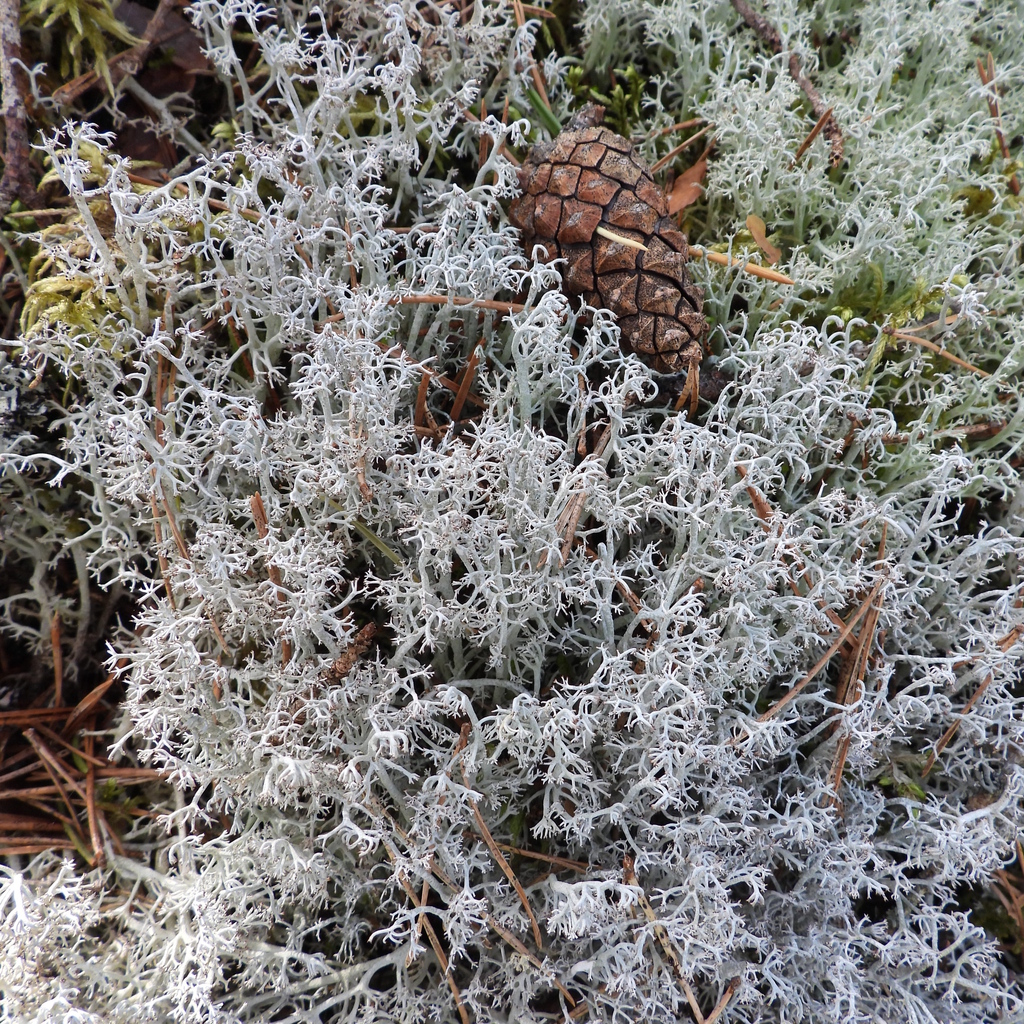
© no rights reserved · iNaturalist · CC0 1.0
Scientific Classification & Quick Facts
Classification
Known For
Full profile in progress — check back soon.
Cladonia rangiferina, known as Gray Reindeer Lichen, is a branching, cup-shaped fungus found across the coldest regions of the Northern Hemisphere. Its pale gray, shrubby fronds rise from the forest floor like miniature trees, creating a delicate structure that belies its resilience in some of Earth’s most demanding environments. Despite its humble appearance, this lichen plays an outsized ecological role in boreal and arctic ecosystems, sustaining entire animal populations that depend on it for survival.
Gray Reindeer Lichen occurs across at least 14 countries, predominantly in northern latitudes where it forms dense carpets on acidic soils and rocky terrain. Its conservation status remains officially unknown, yet its abundance in many regions masks its vulnerability to climate change, air pollution, and habitat disturbance. Understanding this species reveals not only the hidden architecture of arctic ecosystems but also the fragility of the frozen landscapes that define our planet’s polar margins.
Identification and Appearance
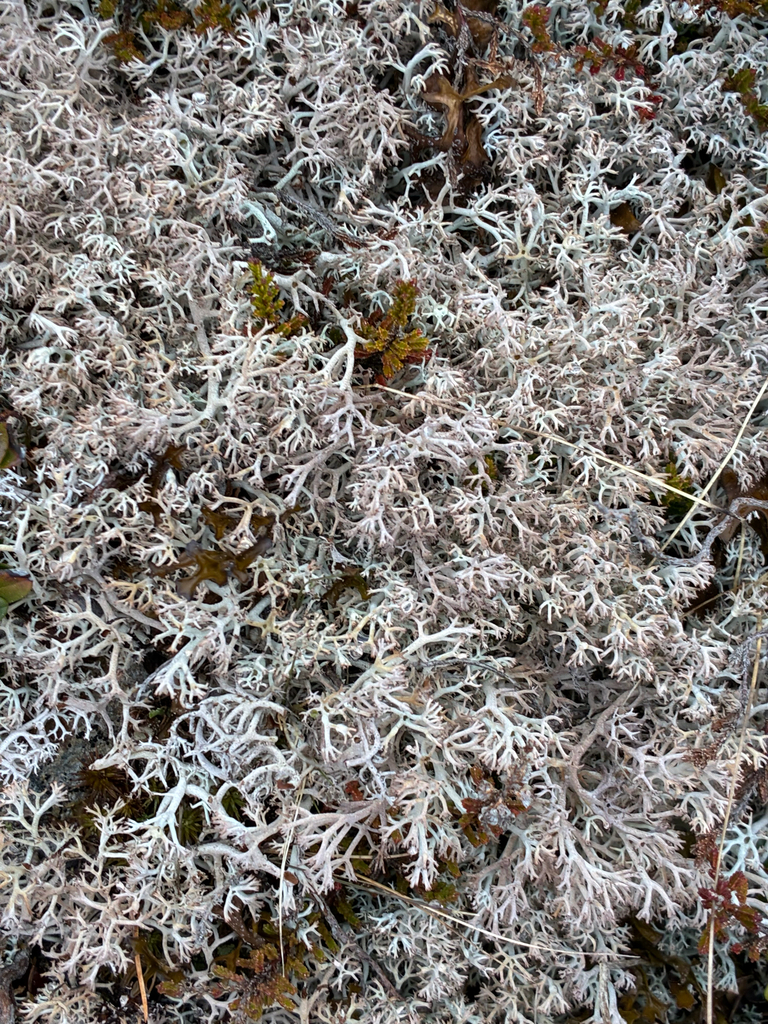
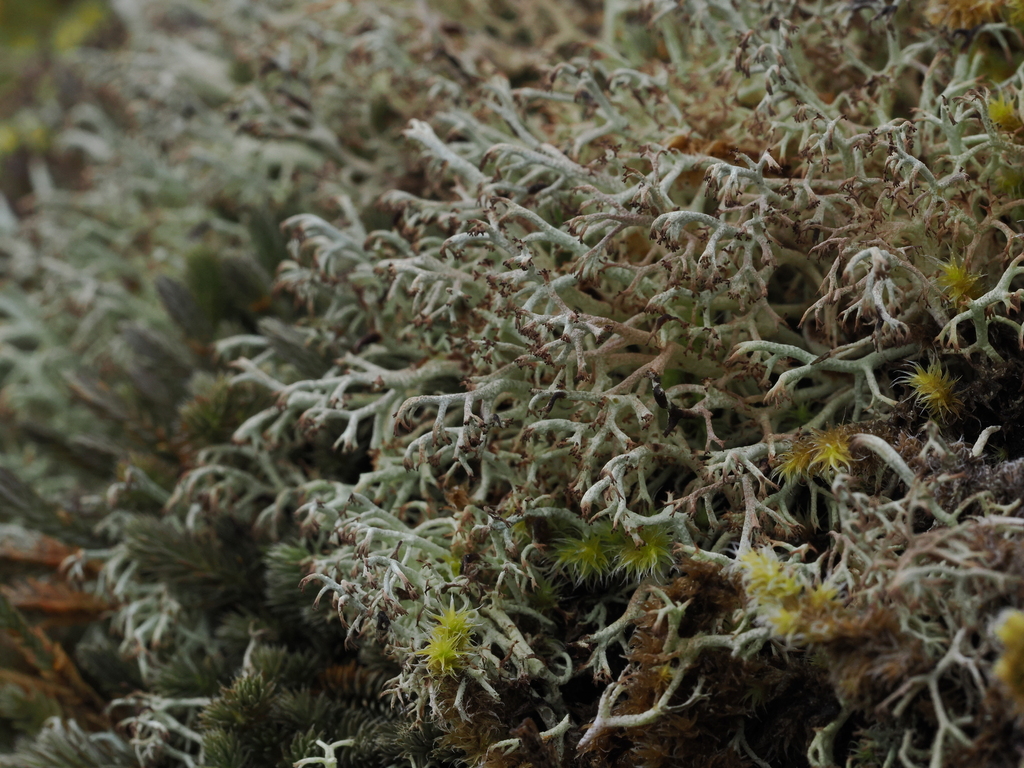
Cladonia rangiferina is a fruticose lichen with an extensively branched structure that creates a distinctive shrub-like appearance. The thallus consists of erect, repeatedly forking branches that typically divide into three or four segments at each junction, occasionally splitting into two. Individual branches measure 1 to 1.5 millimetres in diameter, forming dense, cushion-like mats that grow up to 10 centimetres tall in favorable conditions.
Colour and Surface Structure
The lichen displays a greyish, whitish, or brownish-grey colouration throughout its thallus. Unlike many lichens, C. rangiferina lacks a well-defined cortex—the protective outer layer that typically covers lichen tissue. Instead, a loose network of hyphae (fungal filaments) directly covers the photobiont layer, creating a somewhat delicate, airy surface texture. This structural arrangement is characteristic of the genus and distinguishes it from related species like Cladonia portentosa, which exhibits more acute branching angles.
Photobiont Association
The photosynthetic partner in this symbiosis is the green alga Trebouxia irregularis, which provides the lichen with organic compounds through photosynthesis. When the lichen enters its reproductive phase, the terminal branches often develop small, umbrella-shaped fertile structures that bear spores, adding a subtle textural variation to mature specimens.
Distribution and Habitat
Cladonia rangiferina has a distinctly northern distribution, concentrated in boreal and subarctic regions of Europe and North America. Sweden hosts the largest population, with 143 recorded observations, followed by Norway (47), Finland (41), and the United States (24). The lichen also occurs in Canada (15), Germany (9), Belarus (9), and Russia (4), with smaller populations in Latvia, Korea, and other scattered locations. In total, the species has been documented in 14 countries, reflecting its preference for cold climates at high latitudes.
The genus Cladonia typically thrives in open, well-lit environments such as heaths, moorlands, and sparse woodlands where it competes minimally with other ground cover. C. rangiferina favors acidic, nutrient-poor soils and thrives in areas with minimal moss competition. This lichen is drought-resistant and often dominates the forest floor of coniferous woodlands, particularly in Scandinavian and circumpolar regions. Elevation data for this species are not currently available in standard databases.
Observation records exhibit a marked seasonal pattern, with peak activity in April (123 observations). A secondary rise occurs in spring months—March shows 87 records and May shows 43—while the summer and autumn months (June through December) record virtually no observations. This pattern likely reflects the timing of lichen fruitification and spore dispersal in boreal spring rather than changes in the lichen’s actual presence; the species is present year-round but most conspicuous and actively reproductive in early spring.
Biology
Lifecycle
Cladonia rangiferina is a composite organism comprising fungal and algal partners that reproduce and develop together. The fungus forms the structural framework (the thallus), while photosynthetic algae provide carbohydrates. Reproduction occurs through two primary mechanisms: sexual reproduction via spores dispersed from apothecia (cup-shaped fruiting bodies), and asexual reproduction through fragmentation of the thallus itself.
The fertility and growth of C. rangiferina are heavily influenced by microclimate conditions. In sites with good water availability and high air humidity, the lichen produces abundant apothecia and develops taller podetia (the branching, antler-like structures) reaching approximately 12 centimetres. In contrast, drier locations produce fewer fertile individuals with shorter podetia, typically 4–6 centimetres tall. Growth rates vary significantly by environment: Finnish research documented annual growth of 3.9 to 4.4 millimetres per year, with the fastest rates in younger forests (less than 60 years old) with adequate shade, and the slowest rates in older, thinned forests exceeding 180 years of age.
Ecological Role
Cladonia rangiferina occupies a pivotal niche in northern and boreal ecosystems as a primary producer and food source. The lichen fixes atmospheric nitrogen through its cyanobacterial component, enriching nutrient-poor soils and making this species essential to the productivity of tundra and taiga landscapes. Its dense mats stabilize substrates and reduce erosion across exposed dunes and rocky terrain.
The species also serves as a host organism for specialized lichenicolous fungi—fungi that colonize lichens themselves. Lichenopeltella rangiferinae, Lichenoconium pyxidatae, and Lichenopeltella uncialicola are documented associates of C. rangiferina, demonstrating that this lichen supports its own micro-ecosystem. As a decomposer in harsh environments where few other organisms can thrive, C. rangiferina participates in nutrient cycling in regions where plant productivity is otherwise limited.
Uses
Cladonia rangiferina is prized as winter forage for reindeer and caribou across Arctic and subarctic regions—a connection reflected in both its common and scientific names. Herders recognize it as a critical survival food for livestock, particularly when snow cover melts to expose lichen mats. The lichen is also edible to humans and has been consumed in traditional diets, though it is rarely utilized in modern culinary practice outside indigenous communities.
Historically, C. rangiferina has been investigated for medicinal properties in traditional medicine systems, though scientific validation of these uses remains limited. The lichen contains compounds of interest to biochemical research, but it is not routinely employed in contemporary pharmaceutical or nutraceutical applications. Its primary contemporary value lies in its role as an indicator of air quality and ecosystem health in northern regions.
Conservation and Threats
Cladonia rangiferina, commonly known as Gray Reindeer Lichen, has not been formally assessed by the IUCN Red List, meaning its global conservation status remains unclassified. However, population monitoring across its range indicates an increasing trend, suggesting the species is currently not facing widespread decline. This positive trajectory reflects the lichen’s ability to persist and expand in suitable habitats, though regional conditions vary considerably.
Threats and Conservation Status
Despite the overall increasing population trend, C. rangiferina remains vulnerable to habitat degradation and environmental change. The species thrives in boreal and arctic regions, making it sensitive to climate warming, which alters snow cover patterns and growing conditions. Air pollution, particularly nitrogen deposition, can shift lichen community composition and favor competing species. Overgrazing by reindeer herds, ironically the animal for which this lichen is named, can locally deplete populations in areas with high herbivore pressure.
Habitat loss due to industrial development, forestry practices, and land use conversion poses a secondary threat in some regions. The slow growth rate of lichens means recovery from disturbance can take decades. In managed boreal forests where clear-cutting removes the intact forest structure that lichens require, reestablishment is particularly slow.
Conservation Efforts
No specific international legal protections target C. rangiferina globally, though regional protections exist in some jurisdictions. In Scandinavia and northern Europe, sustainable forestry guidelines increasingly recognize the ecological importance of lichen-rich habitats and encourage retention of old-growth forest patches. Monitoring programmes in the Arctic track lichen health as an indicator of ecosystem condition and climate change impacts.
Cultural Significance
Cladonia rangiferina, commonly called reindeer lichen or reindeer moss, holds significant cultural importance in Arctic and northern indigenous communities. The species has been traditionally used both as a food source and for medicinal purposes, reflecting its essential role in the lives of peoples inhabiting cold northern climates. Its cultural value is deeply tied to its ecological role as a critical food for reindeer herds, which have themselves been central to the subsistence and economy of Arctic cultures for millennia.
The lichen’s primary cultural significance stems from its relationship with reindeer husbandry and livestock management. In indigenous Arctic societies, Cladonia rangiferina serves as a vital winter food for reindeer herds, making it an indispensable resource for communities that depend on these animals. Beyond its role in animal nutrition, the lichen has been employed in traditional medicine and as a food resource for humans in these regions, demonstrating its multifaceted importance to Arctic peoples. The common names across different languages—including the Swedish “renlav” (reindeer lichen)—underscore how thoroughly this species is woven into the cultural and linguistic fabric of northern communities.
Fun Facts
- Gray reindeer lichen is not a single organism but a composite life form: a fungus and photosynthetic algae or cyanobacteria living in permanent partnership. The fungal component provides structure and mineral absorption, while the photosynthetic partner manufactures sugars through photosynthesis.
- Despite its name, this lichen is consumed not only by reindeer but also by caribou, moose, and other large herbivores across the Arctic and subarctic. In winter, when other food is scarce, some populations rely on lichen for up to 90% of their diet.
- Growth rates are exceptionally slow: Cladonia rangiferina typically expands by just 1–3 millimetres per year, meaning a mature carpet can be decades or even centuries old. A fully developed thallus may take 50 years to achieve just 5 centimetres in height.
- The lichen produces compounds called usnic acid and atranorin, which have antimicrobial and antifungal properties. These secondary metabolites help the lichen defend itself against competing microorganisms in harsh alpine and arctic environments.
- Gray reindeer lichen is highly sensitive to air pollution, especially nitrogen deposition and sulfur compounds from industrial sources. It is used as a bioindicator species by environmental scientists to monitor air quality and atmospheric deposition across boreal and arctic regions.
- The pale, branching structure characteristic of this species acts as a vast surface area for photosynthesis despite the lichen’s small size. This morphology allows it to capture moisture and nutrients from fog and drifting snow even in extremely arid conditions.
- Archaeological evidence shows that humans in northern Scandinavia and Russia have harvested and used reindeer lichen as a famine food for millennia. When properly processed, it can be rendered digestible and used to make emergency flour or porridge during food shortages.
Photo Gallery
no rights reserved · CC0 1.0
Related Species
Was this profile helpful?