
Perciformes
Espadon
Xiphias gladius
QUASI MENACéAussi connu sous le nom de : Espadron
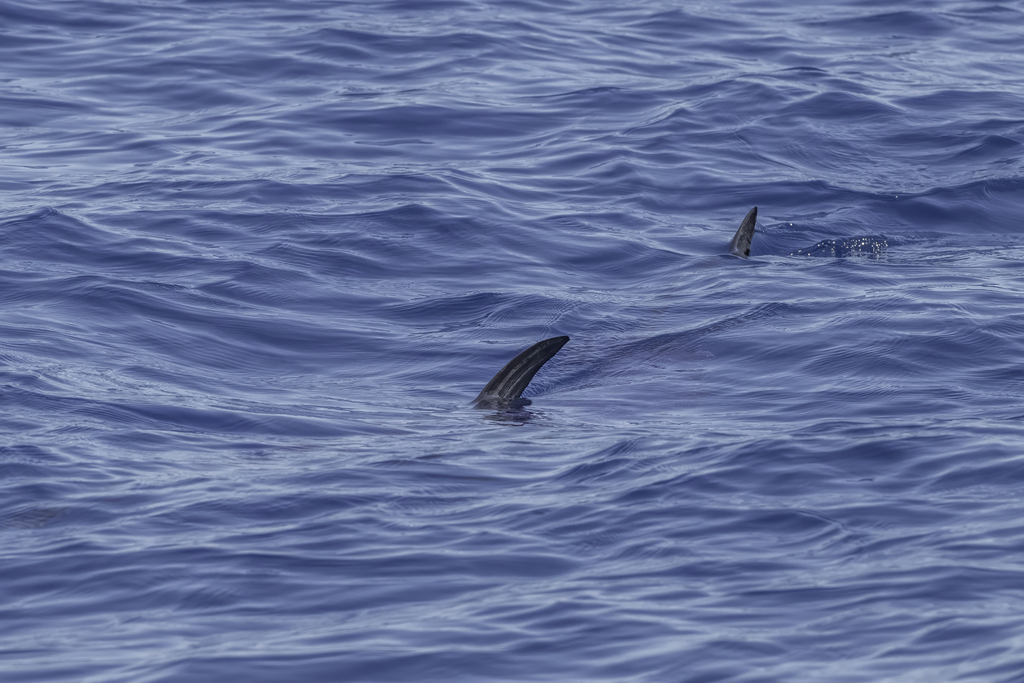
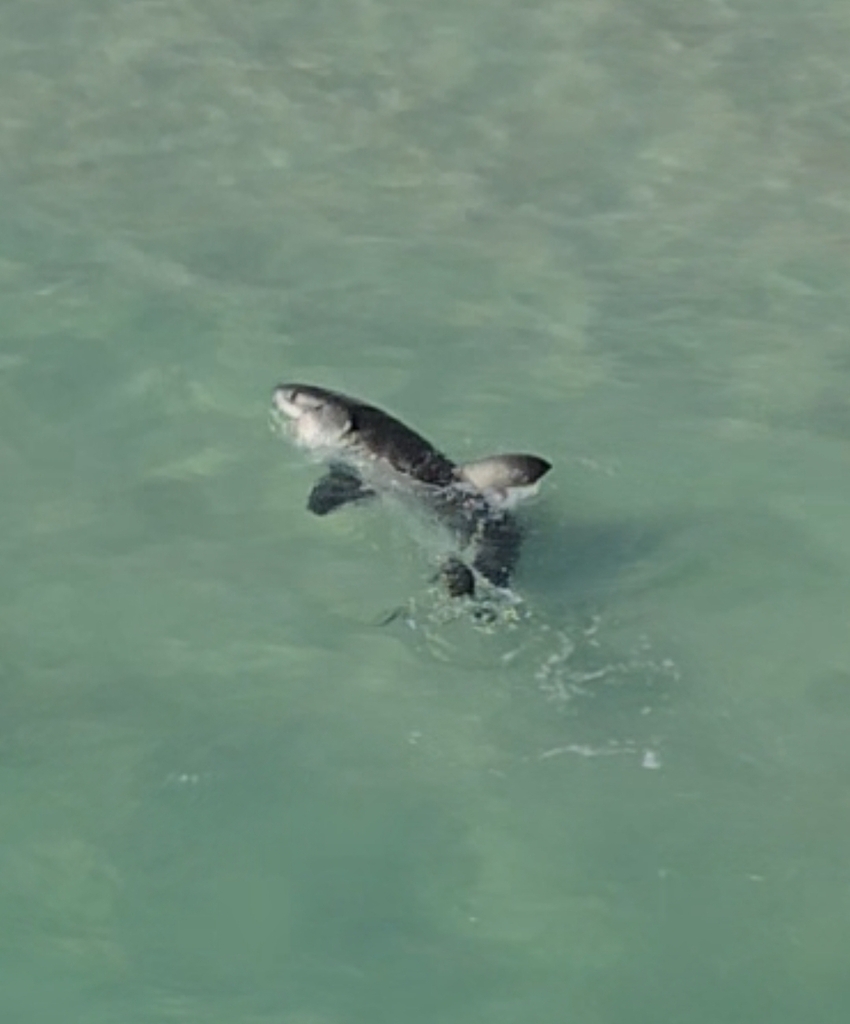
© Emily Turteltaub Nelson · iNaturalist · CC BY 4.0
Classification scientifique et faits rapides
Classification
En un coup d'œil
Le poisson-épée de l’Atlantique, Xiphias gladius, est l’un des prédateurs les plus redoutables des océans du monde. Son rostrum allongé en forme d’épée, qui peut représenter un tiers de la longueur totale de son corps, en fait une créature immédiatement reconnaissable et hautement spécialisée pour la chasse. Ce poisson migrateur parcourt les eaux tempérées et tropicales à travers 19 pays, se déplaçant entre les zones côtières et les eaux profondes selon les saisons et la disponibilité des proies.
Classé en tant qu’espèce Quasi menacée selon la liste rouge de l’UICN, le poisson-épée de l’Atlantique subit des pressions croissantes dues à la pêche commerciale intensive et aux changements des écosystèmes marins. Malgré sa rareté relative et son statut de conservation préoccupant, cette espèce demeure un sujet d’étude majeur pour les biologistes marins qui cherchent à comprendre ses stratégies migratoires complexes et son rôle écologique dans les écosystèmes océaniques du monde.
Identification et Apparence
L’espadon atlantique est un poisson de grande taille caractérisé par son rostrum allongé et aplati qui lui donne son nom vernaculaire. Les individus atteignent communément 3 mètres de longueur. Le record de taille rapporté atteint 4,55 mètres de longueur pour une masse de 682 kilogrammes. Le corps est fusiforme et robuste, présenté en deux couleurs : gris foncé à noirâtre sur le dos et argenté sur les flancs et le ventre. La peau est lisse, dépourvue d’écailles.
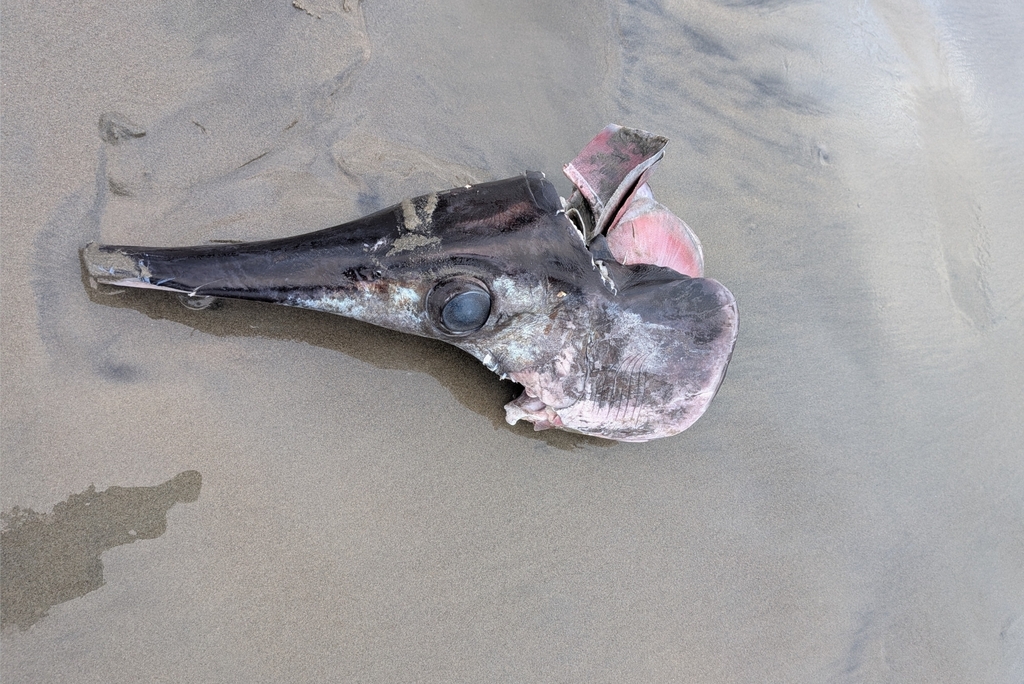
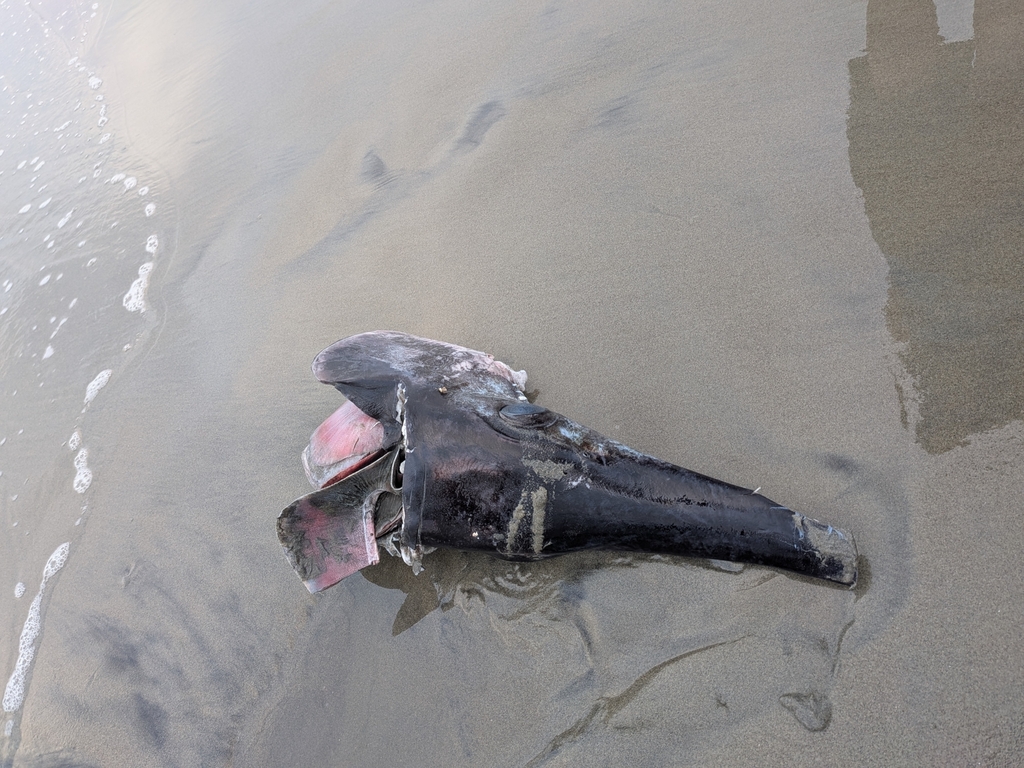
La caractéristique la plus distinctive de l’espèce demeure l’épée, une extension aplatie du museau servant à la chasse et au combat. Cette structure, plate et affilée, représente une adaptation remarquable à la prédation. Les nageoires sont noires ou sombres, tandis que la nageoire dorsale est haute et bien développée chez les juvéniles, s’atténuant parfois avec l’âge chez les adultes.
Dimorphisme sexuel
Les femelles sont systématiquement plus grandes que les mâles. En outre, les espadons du Pacifique atteignent une taille supérieure à celle de leurs congénères de l’Atlantique nord-ouest et de la Méditerranée, suggérant une variation géographique marquée dans le potentiel de croissance.
Distribution et Habitat
Xiphias gladius, l’épée de mer de l’Atlantique, est une espèce pélagique largement distribuée dans l’océan Atlantique et les eaux adjacentes. Les données d’observation montrent une présence confirmée dans 19 pays, avec une concentration notable au Canada (239 observations), suivi des États-Unis (18 observations). Des occurrences significatives sont également documentées en Italie, aux Pays-Bas, en Turquie, en Algérie, en Albanie, au Sri Lanka, en Inde et au Portugal.
Cette espèce habite les eaux océaniques profondes et tempérées, se déplaçant largement entre les continents en fonction des cycles de reproduction et d’alimentation. Bien que l’espèce ne soit pas restreinte à une zone géographique spécifique, sa présence en Atlantique Nord reste prédominante, particulièrement au large des côtes nord-américaines et méditerranéennes.
Patterns saisonniers
L’épée de mer de l’Atlantique présente une saisonnalité marquée. Le mois de juillet constitue le pic d’observation avec 216 enregistrements, reflétant une concentration saisonnière notable. Les mois d’avril, juin et août enregistrent également une activité observable (respectivement 10, 9 et 26 observations), tandis que les observations diminuent progressivement de septembre à octobre. Aucune observation n’a été documentée en novembre et décembre, suggérant que l’espèce se retire vers d’autres zones géographiques ou des profondeurs inaccessibles pendant les mois d’hiver boréal.
Biologie
Comportement
L’espadon atlantique est un prédateur solitaire et extrêmement mobile. Contrairement à l’image populaire qui le montre transperçant ses proies avec son rostre, les preuves scientifiques suggèrent que l’espadon utilise plutôt son épée pour frapper latéralement et affaiblir ses proies. Cette technique de coupe s’avère bien plus efficace que le modèle de « harpon » largement diffusé. L’hypothèse selon laquelle il emploierait son rostre comme arme défensive contre les requins et autres prédateurs reste encore à l’étude.
La principale stratégie de chasse de l’espadon repose sur sa vitesse et son agilité exceptionnelles dans l’eau. Bien que fréquemment cité comme l’un des poissons les plus rapides, les chiffres de vitesse circulant dans la littérature populaire manquent de fondement scientifique solide. L’espadon est un nageur actif qui entreprend d’importantes migrations entre les zones de reproduction et les aires d’alimentation, se déplaçant à travers les océans tempérés et tropicaux.
Régime alimentaire
L’espadon est un carnivore pur qui se nourrit d’une grande variété de poissons et de céphalopodes. Son régime comprend des proies de taille modérée à grande, comme les maquereaux, les thons, les encornets et autres poissons pélagiques. Il chasse généralement en eaux profondes ou mésopélagiques, exploitant les zones riches en ressources alimentaires lors de ses migrations.
Reproduction
L’espadon atlantique se reproduit une à deux fois par an, selon la population et la région. La saison de reproduction se déroule généralement au printemps et en été dans les eaux tempérées et subtropicales. Les femelles sont ovipares et produisent des œufs en quantités considérables, ce qui en fait une espèce à forte fécondité typique des poissons pélagiques.
Les espadons nouveau-nés sont extrêmement petits et vulnérables, mesurant seulement quelques millimètres à l’éclosion. Aucun soin parental n’est apporté après la ponte, et les larves flottent à la dérive dans la colonne d’eau, se nourrissant de zooplancton jusqu’à atteindre une taille suffisante pour chasser activement. La croissance est rapide durant les premières années, permettant aux juvéniles de devenir des prédateurs efficaces au cours de leur première année de vie.
Conservation et Menaces
L’espadon atlantique est classé comme Quasi menacé (NT) sur la liste rouge de l’UICN. Bien que le statut ne soit pas critique, cela reflète les pressions persistantes exercées sur les populations mondiales et l’incertitude quant à la durabilité des stocks exploités. La population affiche actuellement une tendance à l’augmentation, ce qui suggère qu’une gestion prudente des pêches a permis une certaine récupération après des décennies de surexploitation.
Menaces
La pêche excessive constitue la menace primordiale pour l’espadon atlantique. Dans l’océan Indien, les signes de surexploitation sont évidents, tandis que dans la Méditerranée, la mortalité due à la pêche dépasse les niveaux maximums recommandés. Ces deux stocks sont considérés comme présentant un risque de conservation élevé. En 2010, Greenpeace International a ajouté l’espadon à sa liste rouge des fruits de mer, mettant en évidence les préoccupations persistantes concernant les pratiques de pêche non durables et l’absence de contrôles adéquats dans certaines régions.
La pêche commerciale intensive reste le principal moteur du déclin historique de l’espèce. Les flottes utilisant des palangres, des filets et d’autres engins de pêche moderne capturent les individus à un rythme qui peut dépasser la capacité de reproduction des populations, particulièrement dans les eaux méditerranéennes où les stocks subissent une pression constante.
Efforts de conservation
Plusieurs organisations internationales et gouvernements ont mis en place des mesures de gestion. Des organisations comme la Monterey Bay Aquarium ont publié des rapports détaillés documentant l’état de l’espèce et recommandant des pratiques de pêche durables. La Commission internationale pour la conservation des thonidés de l’Atlantique (CICTA) impose des quotas de pêche et des restrictions saisonnières pour certains stocks atlantiques afin de prévenir une nouvelle dégradation.
Signification Culturelle
L’espadon occupe une place remarquable dans la mythologie et le folklore occidentaux depuis l’Antiquité. Dans la mythologie grecque, cet animal était associé à Poséidon, le dieu des mers, qui était censé commander ces créatures redoutables dans son domaine océanique. Les marins anciens considéraient l’espadon comme un symbole de force et de vaillance, incarnation de la puissance brute des profondeurs marines.
En Sicile et dans le détroit de Messina, l’espadon demeure un symbole saisonnier dans les histoires de pêche traditionnelle. Il y est représenté comme un rival prêt au combat, armé d’une lame qui met à l’épreuve le courage et la compétence des pêcheurs. Cette imagerie du duel entre l’homme et le poisson reflète le respect craintif que ces créatures inspiraient aux populations côtières.
Dans la culture moderne, l’espadon a acquis une notoriété inattendue en tant que mot de passe mémorable. Le terme a été popularisé par le film Horse Feathers des Marx Brothers en 1932 et s’est depuis propagé dans de nombreux films, séries télévisées, livres et jeux vidéo, devenant un cliché culturel reconnaissable. De plus, le nom Xiphias a été emprunté par les astronomes pour désigner une constellation céleste, le Dorado, illustrant comment cet animal a transcendé son rôle écologique pour s’inscrire dans la symbolique astronomique humaine.
Le saviez-vous ?
L’espadon atlantique est l’une des créatures marines les plus spectaculaires de l’océan, armée d’une épée caractéristique qui fascine les naturalistes depuis des millénaires. Voici quelques faits surprenants sur ce poisson légendaire.
- L’épée de l’espadon n’est pas une arme de combat, mais un organe sensoriel sophistiqué. Elle est parsemée de récepteurs électromagnétiques qui aident le poisson à détecter les proies dans l’eau sombre et profonde.
- Les espadons atlantiques peuvent plonger à plus de 600 mètres de profondeur, où les températures approchent le point de congélation. Malgré ces conditions extrêmes, leur métabolisme musculaire hautement spécialisé maintient une température corporelle nettement plus élevée que celle de l’eau environnante.
- Ce poisson est capable de nager à des vitesses dépassant 100 kilomètres par heure, ce qui en ferait l’un des vertébrés marins les plus rapides si ces estimations historiques étaient confirmées par la science moderne.
- Les espadons atlantiques sont des migrateurs transoceániques remarquables, parcourant des milliers de kilomètres entre les zones d’alimentation des eaux froides et les frayères tropicales ou subtropicales.
- Contrairement à la plupart des poissons, l’espadon manque d’écailles adultes bien développées, présentant à la place une peau lisse et robuste qui réduit la traînée hydrodynamique lors de la nage rapide.
- Le dimorphisme sexuel chez l’espadon est remarquable : les femelles deviennent considérablement plus grandes que les mâles, atteignant parfois le double de leur taille et de leur poids.
- Les espadons atlantiques peuvent vivre plus de 30 ans dans la nature, bien que la longueur moyenne de leur vie soit probablement réduite par la pêche commerciale et récréative intensive.
Écologie
Régime alimentaire
Comportement
Statut de conservation
LC · NT · VU · EN · CR · EW · EX
Galerie photos
Emily Turteltaub Nelson · CC BY 4.0
Espèces apparentées

Ce profil vous a-t-il été utile ?