Mniobia armata (Murray, 1905) is a microscopic invertebrate placed within Rotifera, one of the animal phyla defined by a wheel-like ciliated corona used for feeding and movement.
It belongs to the class Eurotatoria and the order Bdelloidea, and sits within the family Philodinidae alongside other rotifers that share this body plan. No conservation assessment is available for this species, reflecting how little attention such small, easily overlooked organisms typically receive outside specialist research.
Because rotifers like Mniobia armata are rarely studied in detail, even basic facts about its life history and range remain sparsely documented, making every new observation valuable to understanding this corner of the animal kingdom.
Distribution and Habitat
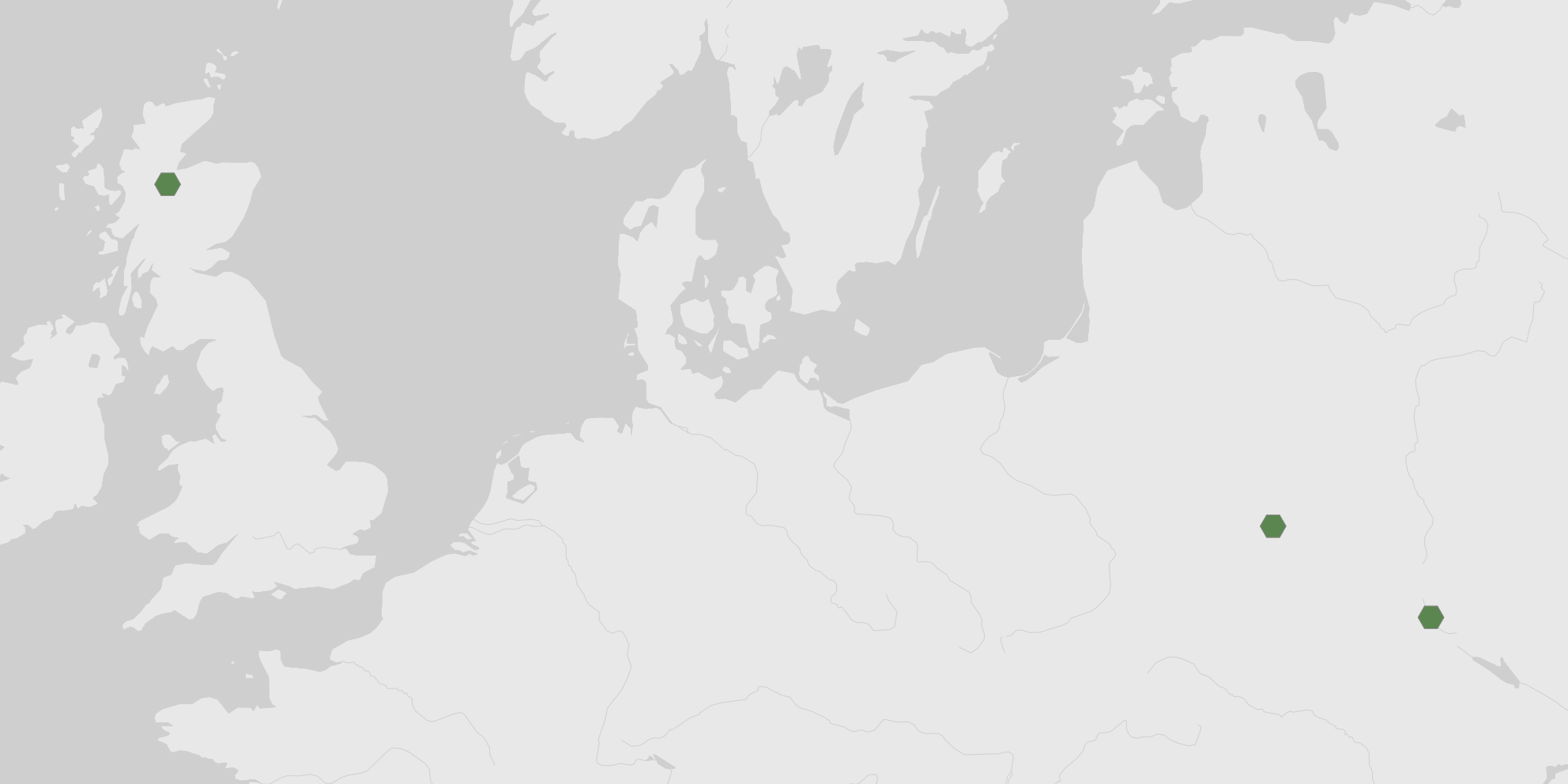
Records of Mniobia armata are extremely sparse, with observation data showing activity in only two months of the year: August and October. This pattern likely reflects when researchers happened to sample or notice the species rather than any true seasonal cycle in its biology.
These figures come from GBIF occurrence data, which register presence only. They say nothing about how many individuals exist, where the species is most common, or the full extent of its range, and should not be read as a population count or a complete distribution map.
No specific habitat type, region, or water body is documented in the available records, so the ecological setting in which Mniobia armata lives cannot be described with confidence beyond noting that, like other bdelloid rotifers, it is an aquatic or semi-aquatic microinvertebrate.
Cultural Significance
No folklore, symbolism, or artistic tradition is documented for Mniobia armata. As a microscopic rotifer known mainly through specialized biological observation, it has not entered human storytelling or visual culture the way larger, more visible invertebrates such as butterflies and moths have in various traditions around the world.
Its significance remains confined to the scientific record rather than to shared cultural memory, with its name and classification serving as the primary way people have engaged with it since Murray first described it in 1905.
Ecology and classification
Classification
- Phylum
- Rotifera
- Class
- Eurotatoria
- Order
- Bdelloidea
- Family
- Philodinidae
- Genus
- Mniobia
- Species
- Mniobia armata