Plants
| Kingdom | Plantae |
|---|---|
| Phylum | Bryophyta |
| Class | Bryopsida |
| Order | Dicranales |
| Family | Leucobryaceae |
| Genus | Leucobryum |
| Species | Leucobryum albidum |
Leucobryum albidum is a moss that whispers stories of resilience from forest floors across continents. This delicate bryophyte belongs to the Leucobryaceae family, a group of mosses that have thrived for millions of years in Earth’s shadiest corners. With over 8,000 documented observations spanning from the southeastern United States to Europe and beyond, this unassuming plant reveals the quiet majesty of the moss world—a realm where patience, adaptation, and survival strategies unfold in miniature.
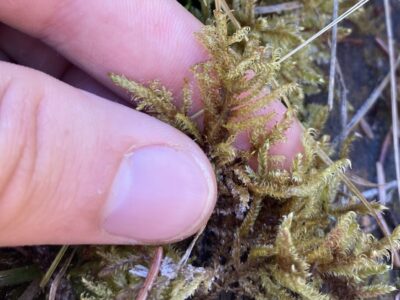
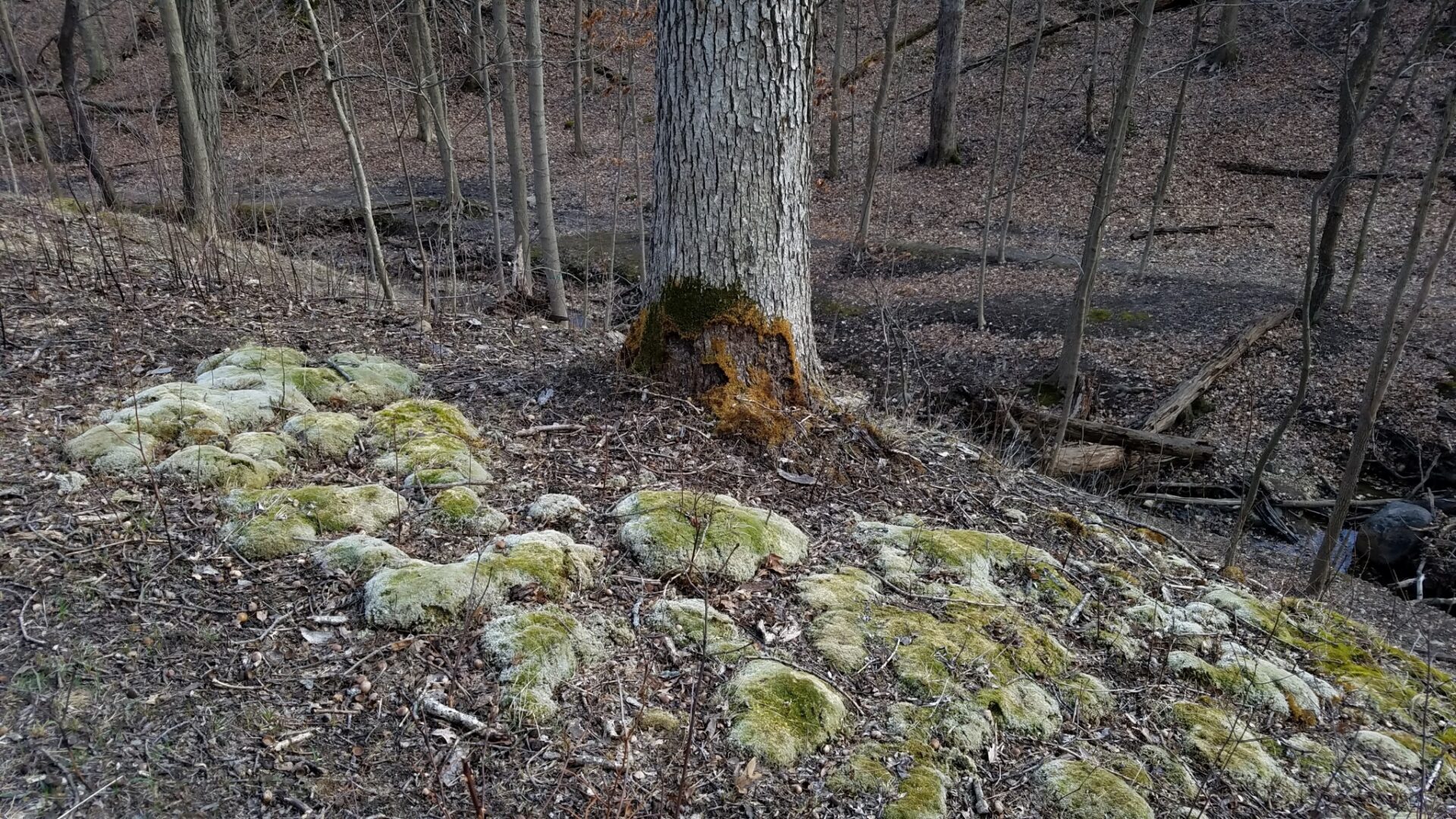
Leucobryum albidum presents itself as a distinctive moss characterized by its pale, almost luminescent appearance that gives the species its scientific name—albidum meaning “whitish.” The plant forms dense cushions or tufts, creating soft, velvety mounds that catch the eye with their ghostly pallor against darker forest substrates.
The moss displays the typical bryophyte structure: a gametophyte body composed of stems and leaves rather than true vascular tissues. Individual leaves are arranged densely along slender stems, creating a compact, feathery texture that feels delicate to the touch. The pale coloration results from specialized leaf cells that help regulate water retention in the plant’s tissues—a crucial adaptation for a plant that lacks true roots.
Notable adaptation: The whitish appearance isn’t merely aesthetic; it reflects a sophisticated water-management system that allows this moss to survive in periodically dry environments where other bryophytes cannot persist.
Leucobryum albidum follows the ancient life cycle of mosses, alternating between two distinct generations: the gametophyte (the visible moss plant) and a microscopic sporophyte stage. The gametophyte persists year-round in suitable conditions, growing slowly and steadily as it expands its cushion-like colonies across suitable substrates.
Growth occurs primarily during moist periods when the moss can absorb water directly through its leaf surfaces. The plant lacks true roots, instead anchoring itself with rhizoids—hair-like structures that provide stability rather than nutrient absorption. This growth strategy allows Leucobryum albidum to colonize surfaces where vascular plants cannot establish themselves, from rotting logs to moist rock faces.
The moss exhibits remarkable resilience in response to environmental stress. During dry periods, the plant enters a dormant state, its tissues desiccating while remaining viable. When moisture returns, the moss rehydrates and resumes metabolic activity within hours—a survival mechanism honed over evolutionary time.
Leucobryum albidum demonstrates a cosmopolitan distribution across temperate and subtropical regions, with particularly strong populations documented throughout the eastern United States, the Netherlands, Belgium, the United Kingdom, Germany, Mexico, Venezuela, and Italy. GBIF records show over 6,600 occurrence points, revealing a species that thrives across diverse landscapes and climates.
The moss favors moist, shaded habitats where competition from vascular plants remains limited:
Leucobryum albidum prefers acidic to neutral substrates and thrives in environments where humidity remains consistently high. The species shows particular affinity for temperate forests with cool, damp conditions—the kind of microhabitats that emerge in the shadowy understory where few plants dare venture.
Mosses lack true flowers, instead reproducing through spores released from specialized structures called sporangia. Leucobryum albidum produces its sporophyte stage—the spore-bearing generation—during favorable conditions, typically in spring and early summer when moisture and temperature align favorably.
The reproductive cycle begins with sexual reproduction: male and female structures develop on separate or shared gametophytes, requiring water for sperm to swim to the egg. Once fertilization occurs, the resulting sporophyte emerges directly from the female gametophyte, developing a slender stalk topped with a capsule containing millions of microscopic spores. These spores disperse via wind currents, traveling considerable distances before landing on suitable substrates. Successful colonization depends on encountering conditions where moisture, shade, and appropriate substrate converge—a remarkable feat of dispersal strategy that has enabled this species to establish populations across multiple continents.
While Leucobryum albidum lacks the economic importance of vascular plants, it plays vital ecological roles within forest ecosystems. The moss stabilizes soil, retains moisture, and creates microhabitats for countless invertebrates and microorganisms. In traditional bryology, this species serves as an important indicator of forest health and undisturbed habitats.
Cultivation of Leucobryum albidum remains challenging outside its natural environment, as the moss requires precise conditions: consistent moisture without waterlogging, shade from direct sunlight, acidic substrate, and good air circulation to prevent fungal issues. Enthusiasts and researchers occasionally cultivate the species in terraria or moss gardens, where it rewards careful attention with its luminous beauty. The plant’s presence in a forest indicates that ecosystem conditions remain relatively undisturbed—a silent testament to environmental quality.
Ancient lineage: Mosses like Leucobryum albidum have existed for over 450 million years, predating flowering plants by more than 200 million years. This species represents a living connection to Earth’s deep botanical past.
Water wizards: Despite lacking roots, Leucobryum albidum can absorb water across its entire surface and can survive complete desiccation, reviving within hours of rehydration—a superpower that vascular plants cannot match.
Continent-hopper: With over 8,000 documented observations spanning from Florida to the Netherlands to Venezuela, this moss demonstrates remarkable dispersal abilities despite its tiny spores and sedentary lifestyle.
Luminescent appearance: The whitish coloration that gives this species its name isn’t just beautiful—it’s functional, helping the moss manage light exposure and water loss in shaded forest environments.
Micro-ecosystem engineer: A single moss cushion of Leucobryum albidum can harbor hundreds of microscopic invertebrates, fungi, and bacteria, creating a thriving world invisible to the naked eye.
Silent indicator: Bryologists recognize Leucobryum albidum as an indicator species for old-growth forests with high humidity and minimal disturbance—its presence whispers stories of ecological integrity.
Spore powerhouse: A single moss plant can produce millions of spores, each capable of germinating into a new colony under suitable conditions, making this diminutive plant a reproductive marvel.