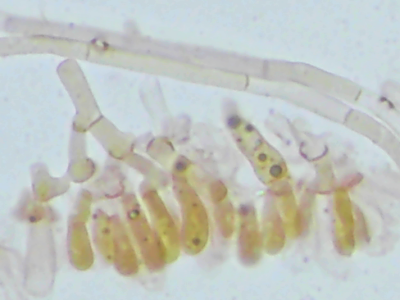
Fungi
| Kingdom | Animalia |
|---|---|
| Phylum | Arthropoda |
| Class | Diplopoda |
| Order | Polydesmida |
| Family | Polydesmidae |
| Genus | Polydesmus |
| Species | Polydesmus coriaceus |
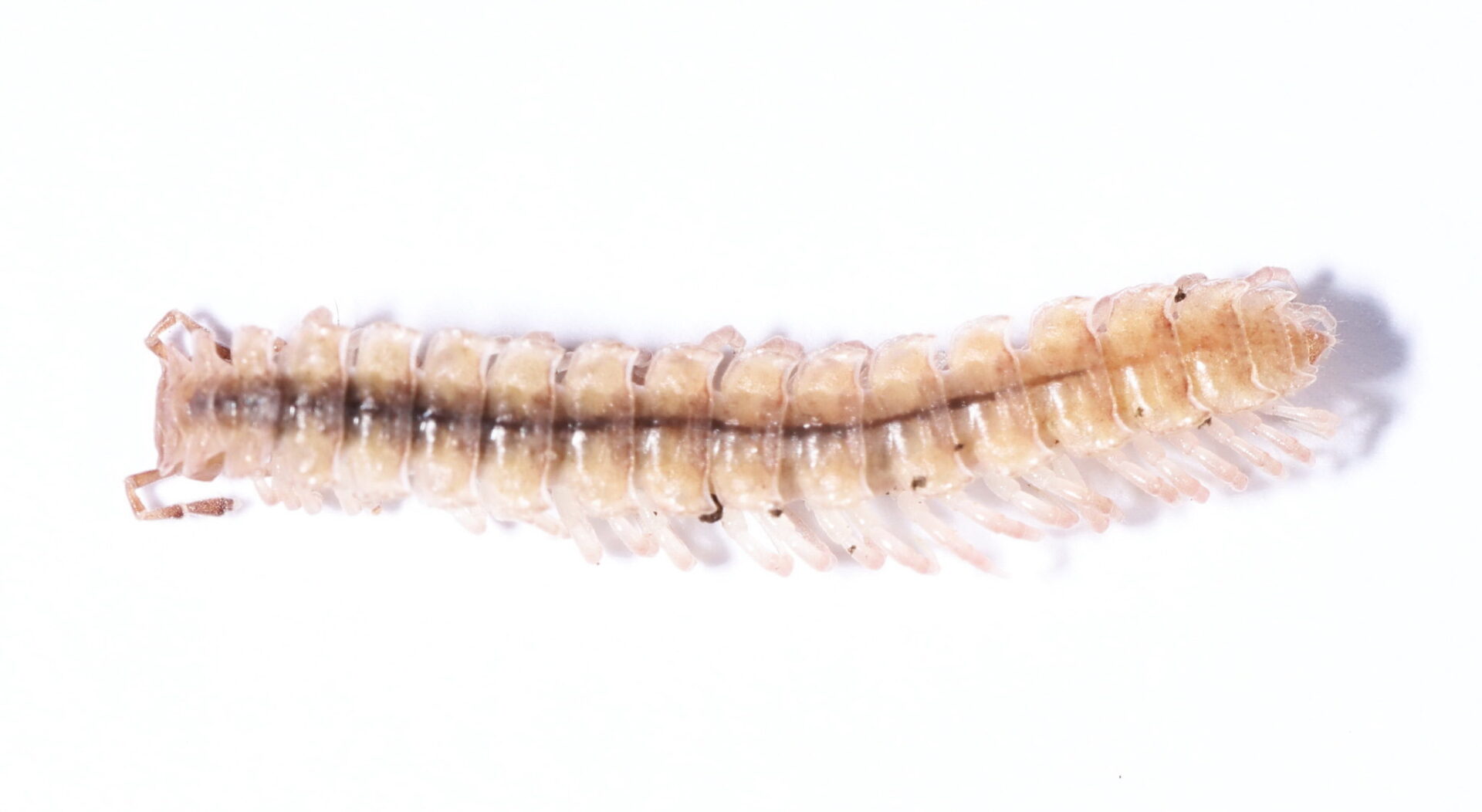
In the shadowed leaf litter of European woodlands, a remarkable creature moves with deliberate grace—Polydesmus coriaceus, a millipede whose very name whispers of ancient forests and the hidden wonders beneath our feet. Though often mistaken for a fungus by casual observers, this segmented arthropod represents one of nature’s most efficient decomposers, a tireless worker in the grand orchestration of forest ecology. Found across the temperate regions of Western Europe, from the misty British Isles to the sun-dappled Mediterranean foothills, this creature embodies the quiet majesty of the invertebrate world. To encounter Polydesmus coriaceus is to glimpse the intricate machinery that keeps our forests alive and thriving.
Polydesmus coriaceus is a medium-sized millipede displaying the characteristic cylindrical body plan of the Polydesmida order, with a leathery texture that gives the species its scientific epithet “coriaceus.” The body measures typically between 8-15 millimeters in length, with a dark brown to blackish coloration that deepens with age, creating an appearance reminiscent of polished mahogany.
The segmented body consists of numerous rings, each bearing two pairs of legs—a feature that distinguishes millipedes from their six-legged insect cousins. The dorsal surface displays characteristic keels or paranota extending laterally from each segment, giving the creature a somewhat angular profile when viewed from above. These lateral projections serve both protective and sensory functions, helping the millipede navigate the complex three-dimensional architecture of soil and leaf litter.
Identification tips:
Like all millipedes, Polydesmus coriaceus undergoes a fascinating developmental journey that mirrors the turning of seasons in temperate forests. After mating in autumn, females deposit their eggs in carefully constructed chambers within the soil, creating protective cocoons that shelter the developing young through winter’s harsh conditions. These eggs hatch in spring, releasing tiny nymphs that bear a striking resemblance to adults but possess fewer body segments—typically around 7-8 segments at hatching.
The nymphs grow through a series of molts, adding new segments with each shedding of their exoskeleton. This anamorphic development—where segments are added gradually rather than all at once—continues for several months, with juvenile millipedes reaching maturity by late summer. Sexual maturity arrives around 12-18 months of age, allowing newly mature individuals to participate in autumn breeding displays.
The lifespan of Polydesmus coriaceus spans 2-3 years under favorable conditions, with populations remaining relatively stable across seasons through staggered reproduction and overlapping generations. Adults remain active throughout much of the year, though activity levels peak during the moist conditions of autumn and spring, when the forest floor becomes a bustling metropolis of decomposer activity.
Polydesmus coriaceus claims a distinctly European range, with documented populations spanning from the British Isles and Netherlands in the north to Spain, Portugal, and the Azores in the south. This widespread distribution reflects the species’ remarkable adaptability to temperate woodland ecosystems across a diverse array of climatic zones. The creature has been recorded in over 4,400 distinct locations, suggesting either exceptional dispersal abilities or ancient establishment across the continent.
The species exhibits a strong preference for moist, organic-rich substrates—particularly the leaf litter and humus layers of deciduous and mixed forests. Polydesmus coriaceus thrives in woodlands dominated by oak, beech, and other hardwoods where decomposing leaves accumulate in deep layers. The millipede is equally at home in hedgerows, parks, and gardens that provide adequate moisture and organic matter. Populations reach their highest densities in areas where:
Polydesmus coriaceus functions as a primary decomposer of extraordinary importance, processing vast quantities of leaf litter and woody debris that might otherwise accumulate indefinitely on the forest floor. As the millipede consumes dead plant material, it fragments organic matter into progressively smaller particles, dramatically increasing surface area available for microbial colonization. This shredding action accelerates decomposition rates by 20-40% compared to forests lacking millipede populations, fundamentally altering nutrient cycling dynamics.
Beyond its direct decomposition activities, Polydesmus coriaceus serves as a crucial link in forest food webs, providing sustenance for countless predators including ground beetles, spiders, small mammals, and ground-feeding birds. The millipede’s feces, enriched with microbial communities and partially processed nutrients, become premium food sources for springtails, microarthropods, and fungi. Additionally, the creature’s burrowing activities improve soil structure and water infiltration, creating microhabitats that support entire communities of soil-dwelling organisms. In this way, a single millipede becomes an ecosystem engineer, fundamentally shaping the physical and biological properties of the forest floor it inhabits.
Edibility warning: While Polydesmus coriaceus is not toxic to humans, it is not considered edible in any culinary or medicinal context. The millipede’s primary value lies entirely in its ecological function rather than human consumption.
In traditional European folklore, millipedes have occupied fascinating positions in folk medicine and superstition. Some historical texts reference millipedes as ingredients in alchemical preparations or remedies for various ailments, though these claims lack scientific validation. Modern mycologists and entomologists recognize the species’ true value: as an indicator organism for healthy forest ecosystems and as a model system for studying decomposition processes.
Researchers increasingly value Polydesmus coriaceus as a bioindicator species, with population densities reflecting overall soil health and organic matter availability. The presence of robust millipede populations suggests well-functioning forest ecosystems with adequate leaf litter accumulation and moisture retention. Conservation-minded land managers monitor millipede populations as part of comprehensive biodiversity assessments, recognizing these humble creatures as sentinels of forest health.
Ancient lineage: Millipedes have roamed Earth’s forests for over 300 million years, predating dinosaurs by tens of millions of years and surviving multiple mass extinction events
Thousand-leg myth: Despite their name suggesting 1,000 legs, Polydesmus coriaceus typically possesses only 30-40 pairs of legs—a more modest but still impressive locomotive apparatus
Chemical defense: When threatened, this millipede secretes defensive compounds from lateral glands, creating a pungent odor that deters most predators
Microbial farming: The millipede’s digestive system harbors specialized microbial communities that break down recalcitrant plant compounds, effectively “farming” bacteria to process otherwise indigestible materials
Moisture sensors: The creature’s antennae contain specialized sensory organs that detect minute changes in humidity, allowing navigation toward optimal microhabitats within the leaf litter
Nitrogen cycling specialists: By processing nitrogen-rich leaf litter, Polydesmus coriaceus accelerates the release of bioavailable nitrogen compounds that fuel forest plant growth
Climate indicators: Recent research suggests millipede population dynamics respond sensitively to climate variations, with warmer, drier springs reducing reproductive success
Hopkin, S. P. & Read, H. J. (1992). “The Biology of Millipedes.” Oxford University Press. A comprehensive treatment of millipede biology, ecology, and identification.
Kime, R. D. & Golovatch, S. I. (2000). “Millipede (Diplopoda) distributions: A review.” Soil Organisms 72: 1-159. Essential reference for understanding Polydesmus distribution patterns across Europe.
Sierwald, P. & Decker, P. (2011). “Myriapoda—Chilopoda, Diplopoda.” Arthropod Biology. Detailed taxonomic and ecological information on millipede orders including Polydesmida.
Enghoff, H., Petersen, G., & Seberg, O. (2007). “A molecular phylogeny of arthropods.” Cladistics 23: 1-35. Modern molecular perspectives on millipede evolution and relationships.
Hopkin, S. P. (1991). “A Key to the Woodlice, Millipedes and Centipedes of the British Isles.” Field Studies Council. Practical identification guide for British populations of Polydesmus coriaceus.