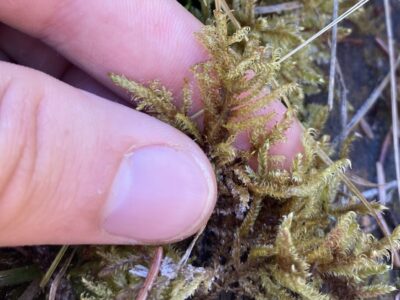
Plants

| Kingdom | Plantae |
|---|---|
| Phylum | Bryophyta |
| Class | Bryopsida |
| Order | Pottiales |
| Family | Pottiaceae |
| Genus | Crossidium |
| Species | Crossidium rosei |
In the harsh, windswept landscapes where most plants dare not venture, Rose crossidium moss (Crossidium rosei) emerges as a testament to botanical resilience and quiet beauty. This remarkable bryophyte, named in honor of botanist Rose, weaves emerald tapestries across some of Earth’s most challenging terrains, from the sun-baked Atacama Desert to the alpine meadows of British Columbia. Like a master of disguise, this diminutive moss transforms barren rock faces and sandy soils into living galleries of microscopic wonder, proving that size means nothing when it comes to ecological importance.
Rose crossidium moss presents itself as a study in miniature perfection, forming dense, cushion-like colonies that rarely exceed a few centimeters in height. Each individual plant consists of delicate, thread-like stems adorned with tiny, spirally-arranged leaves that shimmer with an almost metallic quality in the right light. The leaves themselves are marvels of engineering—narrow, lance-shaped structures that curl inward when dry, creating protective spirals that conserve precious moisture.
Notable adaptation: The moss’s leaves possess specialized cells called hyalocysts that act like microscopic water reservoirs, allowing the plant to survive months without rainfall. When viewed under magnification, these structures reveal intricate patterns of cellular architecture that rival any human-designed water storage system. The overall appearance shifts dramatically with moisture levels—transforming from tight, brownish cushions during drought to vibrant green carpets when conditions improve.
Distinguishing features include: • Distinctive spiral leaf arrangement when dry • Glossy, almost waxy leaf surfaces • Dense, mat-forming growth pattern • Reddish-brown coloration of older stem portions • Minute size requiring close inspection for proper identification
The life cycle of Rose crossidium moss unfolds like a carefully choreographed dance between patience and opportunity. Unlike flowering plants that rush through their reproductive cycles, this moss embraces the philosophy of slow and steady growth, building its colonies grain by grain, leaf by leaf, over years and sometimes decades. During favorable conditions, new shoots emerge from the colony’s edges, extending the living carpet across available substrate with methodical precision.
Growth patterns follow the rhythms of moisture availability rather than traditional seasons. When rain finally arrives after months of drought, the moss undergoes a remarkable transformation—what bryologists call “resurrection”—as dried, seemingly lifeless cushions burst into vibrant green activity within hours. This poikilohydric lifestyle allows the plant to essentially pause its metabolism during harsh conditions and resume normal function when water returns.
Environmental requirements reveal the moss’s remarkable adaptability: • Thrives in extreme temperature fluctuations • Tolerates intense UV radiation at high altitudes • Requires minimal soil depth or nutrients • Responds rapidly to humidity changes • Exhibits phenomenal drought tolerance
The geographic range of Rose crossidium moss tells a fascinating story of botanical wanderlust across three continents. From the otherworldly landscapes of Chile’s Atacama Desert—one of Earth’s driest places—to the high-altitude plateaus of Peru and the temperate valleys of British Columbia, this species has mastered the art of thriving in marginal habitats. The scattered distribution pattern suggests an ancient lineage that has persevered through dramatic climate changes and geological upheavals.
In South America, the moss colonizes rocky outcrops and sandy soils between 1,000 and 4,000 meters elevation, painting subtle green accents across landscapes that appear utterly barren to the untrained eye. The Canadian populations, found in the dry interior valleys of British Columbia, represent the northernmost extent of the species’ range and demonstrate remarkable cold tolerance alongside the characteristic drought resistance.
Preferred habitat characteristics include: • Well-drained, mineral-rich soils • Rocky substrates with minimal organic matter • Areas with intense sunlight exposure • Locations with infrequent but periodic moisture • Elevations ranging from sea level to alpine zones
Rose crossidium moss orchestrates its reproductive symphony through the ancient art of spore production, a process far more elegant and mysterious than the showy displays of flowering plants. The reproductive structures, called sporophytes, emerge like tiny lanterns held aloft on delicate stalks, each containing thousands of microscopic spores destined for wind-dispersed journeys across continents. This reproductive strategy explains the species’ remarkable ability to colonize isolated locations separated by vast distances.
The timing of spore release follows moisture patterns rather than calendar seasons, with the moss producing its reproductive structures during periods of sustained humidity. Each spore carries the genetic blueprint for establishing new colonies, though successful germination requires the precise combination of moisture, temperature, and substrate conditions that make bryophyte reproduction a numbers game of astronomical proportions.
Reproductive highlights: • Produces distinctive capsule-shaped sporangia • Releases spores during optimal wind conditions • Capable of both sexual and asexual reproduction • Forms extensive clonal colonies through fragmentation • Exhibits remarkable genetic stability across populations
While Rose crossidium moss may not grace garden centers or herbal medicine cabinets, its ecological value transcends traditional human uses. This humble bryophyte serves as a pioneer species in harsh environments, slowly building soil and creating microclimates that eventually support more complex plant communities. Indigenous peoples of the Andes have long recognized mosses like Crossidium rosei as indicators of water sources and seasonal changes, reading the landscape through these subtle botanical signals.
For the dedicated bryophyte enthusiast, cultivating Rose crossidium moss presents unique challenges and rewards. The species requires specialized growing conditions that mimic its natural habitat—excellent drainage, minimal nutrients, and carefully controlled moisture cycles. Rock gardens designed for alpine plants or specialized moss collections in botanical institutions provide the best opportunities for successful cultivation, though patience remains the gardener’s most essential tool when working with these slow-growing marvels.
Conservation note: While not currently threatened, the species’ fragmented distribution and specialized habitat requirements make it vulnerable to climate change and habitat destruction, emphasizing the importance of protecting the remote ecosystems where it thrives.
1. Williams, R.S. (1901). “New or noteworthy North American mosses.” Bulletin of the Torrey Botanical Club 28(3): 165-174. 2. Crum, H.A. & Anderson, L.E. (1981). Mosses of Eastern North America. Columbia University Press, New York. 3. Matteri, C.M. (1985). “Catálogo de los musgos.” Parodiana 3(2): 259-446. 4. Ochyra, R., Lewis Smith, R.I. & Bednarek-Ochyra, H. (2008). The Illustrated Moss Flora of Antarctica. Cambridge University Press. 5. Global Biodiversity Information Facility (GBIF). Crossidium rosei occurrence records. Accessed 2024.