
Animals
The wolf stands as one of Earth’s most iconic and misunderstood predators, a creature whose haunting howl echoes through wilderness across the Northern Hemisphere and beyond. Canis lupus has captivated human imagination for millennia—feared, revered, hunted, and ultimately, the ancestor of all domestic dogs. Today, this apex carnivore persists in fragmented populations across diverse landscapes, from Arctic tundra to desert margins, a testament to its remarkable adaptability and resilience.
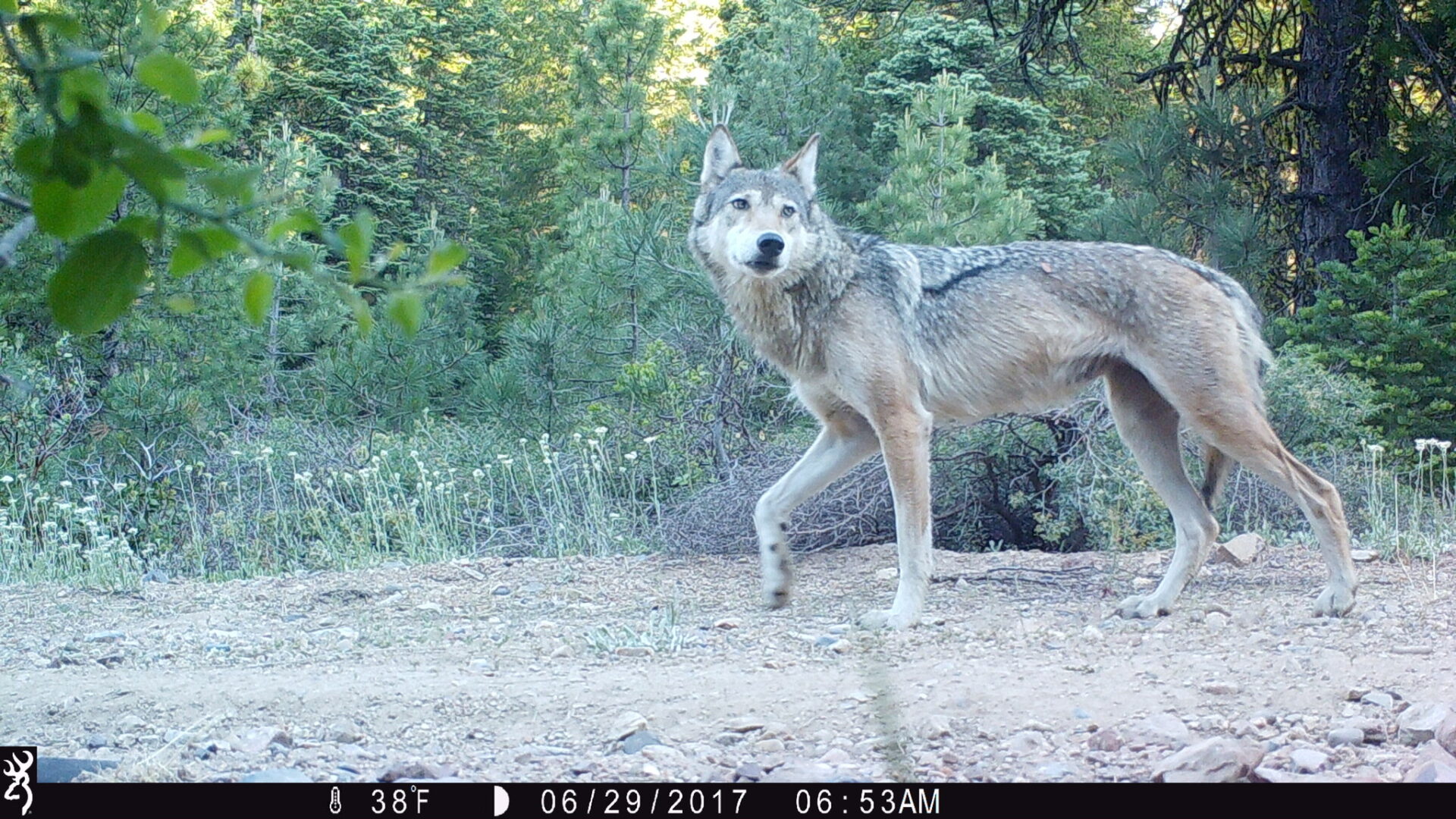
Wolves present a striking silhouette: lean, muscular bodies built for endurance rather than explosive speed. Their size varies dramatically by geography, with northern populations considerably larger than their southern counterparts. A large male wolf may weigh 45–80 kilograms and stand 65–80 centimeters at the shoulder, while smaller subspecies weigh as little as 20 kilograms.
Coat coloration ranges from pure white in Arctic populations to black, gray, brown, and rust tones across temperate regions. Most wolves display a mix of these colors, with darker fur along the back and lighter underparts. Their long, thick winter coat provides insulation against brutal cold, while a shorter summer coat emerges as temperatures rise.
Key identification features include large, upright ears, a long muzzle, and powerful jaws capable of exerting crushing force. Yellow or amber eyes, rarely brown or dark, pierce through their facial structure. Notable feature: their feet are oversized relative to body size, acting as snowshoes for winter travel and leaving distinctive four-toed tracks in snow and soft ground.
Wolves are crepuscular hunters, most active during dawn and dusk, though they may hunt at any hour when prey is available. They are intensely social animals, living in family-based packs typically consisting of a breeding pair (the alpha male and female) and their offspring from multiple years. Pack hierarchy is fluid and contextual, contrary to the rigid dominance structures once believed by researchers.
These predators are tireless travelers, covering 20–40 kilometers daily while patrolling their territories. Their gait is remarkably efficient—a direct register walk where hind feet step nearly into the prints of front feet, minimizing energy expenditure across snow and rough terrain. Packs communicate through a symphony of vocalizations: the iconic howl serves to rally pack members, defend territory, and locate separated individuals across vast distances.
Cooperative hunting distinguishes wolves from solitary carnivores. Packs employ sophisticated strategies, with individuals taking specific roles—some driving prey toward waiting packmates, others cutting off escape routes. This coordination allows them to successfully hunt animals far larger than themselves, including moose and bison.
Wolves historically ranged across the entire Northern Hemisphere, from the Arctic to the deserts of Arabia and Mexico. Today, their distribution is fragmented but expanding in some regions. Populations persist across much of Canada, Alaska, and northern Europe, with reintroduced or naturally recovering populations in the western United States, Mexico, Italy, Spain, and Poland.
They occupy remarkably diverse habitats—boreal forests, tundra, grasslands, deserts, and mountains—adapting their pack size and hunting strategies to local conditions. In prey-rich regions like Yellowstone, smaller packs of 4–6 individuals suffice, while Arctic populations may form larger packs to hunt scattered prey. Their presence spans from sea level to high mountain passes, wherever sufficient ungulate prey exists.
Wolves are obligate carnivores, their entire diet consisting of meat. Large ungulates form their primary prey: elk, moose, bison, deer, and wild boar depending on regional availability. A single wolf requires approximately 5–7 kilograms of meat daily, though they are feast-or-famine feeders, sometimes consuming 15 kilograms in one sitting after days of unsuccessful hunting.
Hunting success rates vary dramatically—studies show wolves succeed in only 5–15% of hunting attempts on large prey. They employ persistence hunting, pursuing prey until exhaustion, leveraging their superior endurance over shorter-burst herbivores. When large prey is unavailable, wolves supplement with smaller mammals, birds, fish, and even vegetation. In coastal regions, some packs have learned to hunt seals. Remarkable adaptation: wolves can digest bone, hide, and organs that would prove toxic to many other predators, extracting maximum nutrition from every kill.
Wolves breed once annually, typically in winter (January–March in Northern Hemisphere populations). The breeding pair—usually the dominant male and female—initiate courtship through ritualized displays: gentle muzzle touching, playful wrestling, and synchronized movement. Only the alpha pair typically reproduces, suppressing breeding in subordinate females through behavioral and hormonal mechanisms.
Following a gestation period of approximately 62 days, females give birth to litters averaging 4–6 pups in a den—often an enlarged fox burrow or cave. Pups are born blind and helpless, entirely dependent on their mother’s milk for the first 8 weeks. The entire pack participates in pup-rearing: subordinate wolves bring food to the nursing mother, babysit pups, and later teach hunting skills through play and mentorship.
Young wolves remain with their natal pack for 1–3 years before dispersing to find mates and establish new territories. This dispersal is crucial for genetic diversity and population expansion, with individuals sometimes traveling 100+ kilometers to find suitable habitat and mates.
Canis lupus currently maintains a conservation status of Least Concern, with global populations estimated in the hundreds of thousands. However, this classification masks significant regional variation: some populations thrive while others face precarious futures. The species’ recovery in parts of Europe and North America represents one of conservation’s notable successes, achieved through legal protection, habitat restoration, and public attitude shifts.
Historically, wolves were systematically eradicated across most of their range through bounty programs and deliberate poisoning campaigns. By the mid-20th century, they had vanished from most of continental Europe and the contiguous United States. Reintroduction programs—most famously in Yellowstone National Park (1995–1997) and the American Southwest—have allowed populations to rebound in carefully managed areas.
Conservation challenges persist: human-livestock conflict remains contentious in pastoral regions, climate change alters prey distributions and availability, and habitat fragmentation isolates populations. Some regions continue to permit hunting and culling, while others provide strict legal protection. The wolf’s recovery demonstrates that large predators can coexist with human societies when legal frameworks, economic incentives, and public support align toward conservation.
Wolves can hear other wolves howling from up to 10 kilometers away, and they each have unique howl signatures, allowing pack members to identify individuals by voice alone.
A wolf’s bite force reaches 400 pounds per square inch (compared to a domestic dog’s 200 psi), allowing them to crush bone with ease.
Wolves have a specialized reflective layer behind their retinas called the tapetum lucidum, which enhances night vision and causes their eyes to glow in flashlight beams.
In Yellowstone, the reintroduction of wolves triggered a “trophic cascade”—their predation on elk altered elk behavior and grazing patterns, allowing vegetation to recover and benefiting countless other species from songbirds to beavers.
Wolf pups play-wrestle constantly, and these games directly teach combat skills and establish pack hierarchy, making play essential to survival.
Wolves can run at speeds up to 65 kilometers per hour in short bursts, but their true advantage lies in endurance—they can maintain 8 kilometers per hour for hours.
The gray wolf is the ancestor of all 300+ dog breeds, domesticated by humans between 15,000 and 40,000 years ago through selective breeding of less fearful individuals.
International Wolf Center. (2024). “Wolf Behavior and Ecology.” Retrieved from https://www.wolf.org
IUCN Red List. (2024). “Canis lupus (Gray Wolf).” Retrieved from https://www.iucnredlist.org
National Geographic. (2023). “Wolves: Behavior, Diet, and Conservation.” Retrieved from https://www.nationalgeographic.com
Mech, L.D., & Boitani, L. (Eds.). (2003). “Wolves: Behavior, Ecology, and Conservation.” University of Chicago Press.
Defenders of Wildlife. (2024). “Gray Wolf Conservation and Recovery Programs.” Retrieved from https://defenders.org