
Eurotatoria · Flosculariaceae
Filinia Cornuta
Filinia cornuta
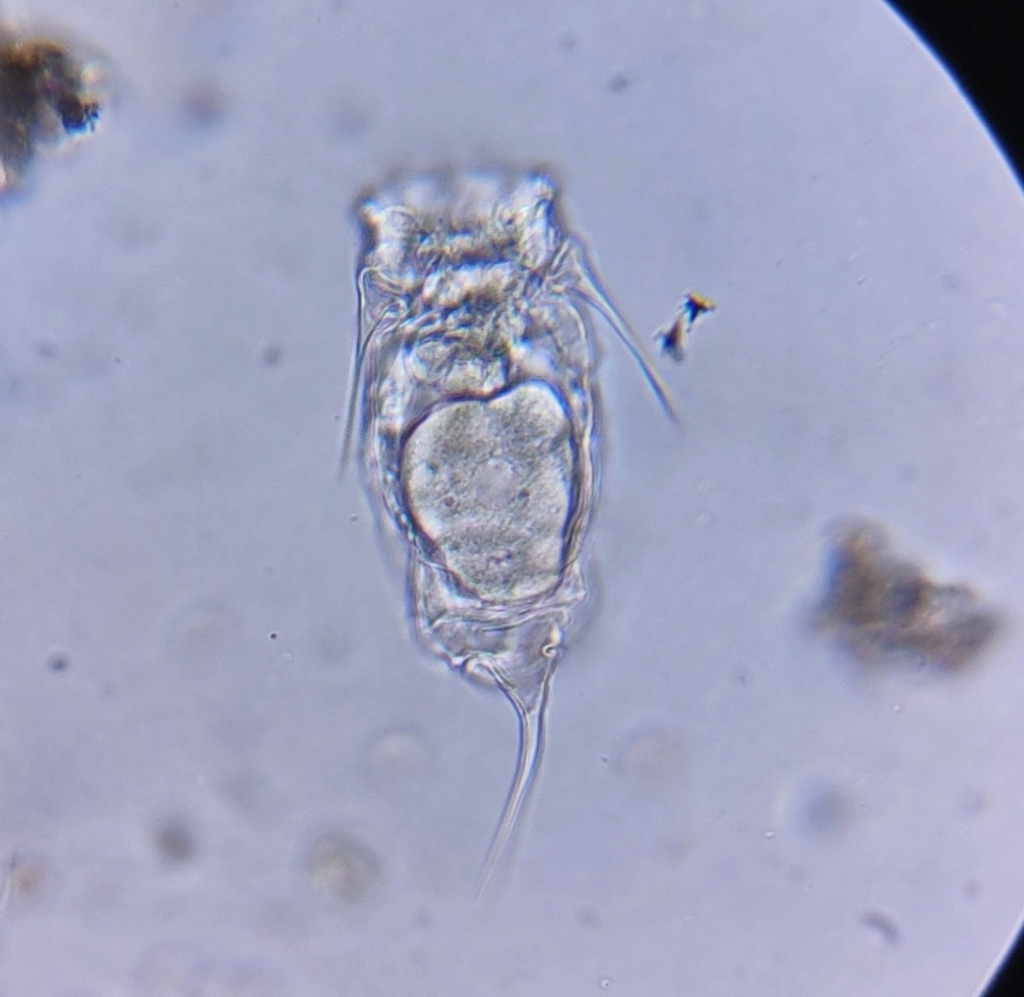
© no rights reserved · iNaturalist · CC0 1.0
Scientific Classification & Quick Facts
Classification
Known For
Full profile in progress — check back soon.
Filinia cornuta is a microscopic rotifer—a tiny, aquatic animal invisible to the naked eye yet equipped with elaborate sensory structures and a complex body plan. These creatures inhabit freshwater environments across at least nine countries worldwide, thriving in the spaces between sediment grains and among aquatic plants where larger organisms cannot venture. Despite their diminutive size, rotifers like Filinia cornuta play a critical ecological role as consumers of bacteria, algae, and organic particles, forming a crucial link in freshwater food webs.
Filinia cornuta remains poorly documented in mainstream biology, with its conservation status currently unknown. This obscurity reflects a broader gap in our knowledge of microscopic fauna: while charismatic megafauna dominate research funding and public attention, the diversity and ecology of rotifers remain underexplored. Understanding species like Filinia cornuta is essential for monitoring freshwater ecosystem health and recognizing the hidden biodiversity that sustains aquatic environments globally.
Identification and Appearance
Filinia cornuta is a microscopic rotifer belonging to the family Trichocercidae. Like all members of its genus, this species is so small that it requires magnification to observe its anatomical features in detail. It inhabits freshwater environments and is recognized by the presence of distinctive horn-like projections that give the species its scientific name.
The defining characteristic of Filinia cornuta is its pair of prominent dorsal spines or “cornua” (horns) projecting from the body. These structures are located on the dorsal surface and serve as a key diagnostic feature for species identification within the genus Filinia. The body itself is transparent or translucent, which is typical of rotifers and allows observation of internal structures including the digestive system and reproductive organs under a microscope. The overall body shape is elongated and somewhat cylindrical, tapering slightly toward the posterior end.
The rotifer possesses a complete set of rotatory organs (rotifers derive their name from these structures) at the anterior end, used for locomotion and feeding. The corona, or wheel-like feeding apparatus, draws water and suspended particles into the mouth. Like other members of Trichocercidae, Filinia cornuta exhibits the characteristic body plan of the family, with a distinct foot region at the posterior end that may be used for temporary attachment to substrates in freshwater habitats.
Distribution and Habitat
Filinia cornuta has been recorded across nine countries spanning Europe and Africa. France represents the primary centre of observation, with 13 records, followed by Poland and the United Kingdom (3 records each). Additional records come from the Netherlands, Russia, Denmark, Algeria, Burundi, and Uganda, indicating a scattered but geographically diverse presence across temperate and tropical regions.
The species shows a marked seasonal pattern, with observations concentrated in spring and autumn months. Peak occurrence occurs in April, with additional records in July, August, and September. This temporal clustering suggests population pulses tied to seasonal environmental conditions, though the precise ecological drivers remain to be clarified. Elevation data are currently unavailable, limiting assessment of altitudinal preferences.
Specific habitat associations for Filinia cornuta have not yet been formally documented in available records. As a rotifer, the species likely inhabits freshwater microhabitats—small water bodies, vegetation, or biofilms in lakes and ponds—though confirmation of preferred substrate types and water chemistry awaits further investigation.
Biology and Behavior
Behavior
Filinia cornuta is a rotifer—a microscopic aquatic animal typically measuring less than 0.5 millimetres in length. Like other rotifers, it exhibits a planktonic lifestyle, drifting and swimming through freshwater environments using a characteristic corona of cilia around its anterior end. This ciliary apparatus not only propels the organism through water but also generates feeding currents.
The species is predominantly solitary, showing no complex social behaviors characteristic of larger animals. Its daily activity centers on feeding and movement within the water column, driven by phototaxis and chemotaxis responses to environmental cues. Rotifers of this genus are known to exhibit diel vertical migration in some water bodies, moving between different water layers in response to light intensity changes.
Diet
Filinia cornuta is omnivorous, feeding on small particles suspended in water. Its primary food sources include bacteria, algae, and organic detritus. The ciliated corona creates a gentle current that draws these particles toward the mouth, where they are filtered and ingested. This feeding strategy allows the rotifer to exploit multiple food sources within its microscopic environment.
Feeding rates vary with food availability and water temperature, with higher temperatures generally accelerating metabolic activity and consumption. In nutrient-rich environments, populations of Filinia cornuta can increase rapidly, functioning as an important intermediate link in aquatic food webs by converting smaller particles into biomass accessible to larger zooplankton predators.
Reproduction
Filinia cornuta reproduces asexually through parthenogenesis under typical conditions, producing genetically identical female offspring without male fertilization. This reproductive strategy allows rapid population growth when conditions are favorable. Under stress—including food scarcity, crowding, or seasonal environmental changes—the species can switch to sexual reproduction, producing resting eggs that resist desiccation and temperature extremes.
The rotifer has an extremely short life cycle, typically completing development from egg to reproductive adult in just 3 to 5 days under optimal laboratory conditions. Females are ovoviviparous, developing eggs internally and releasing live juveniles directly into the water. This rapid reproduction, combined with asexual competence, makes Filinia cornuta a successful colonizer of temporary and permanent freshwater habitats.
Conservation and Threats
Filinia cornuta is a rotifer—a microscopic freshwater animal belonging to the phylum Rotifera. Like most rotifer species, this organism has not been formally assessed by the IUCN Red List, meaning its conservation status remains undocumented in official global databases. The lack of formal assessment reflects a broader gap in conservation knowledge for microscopic fauna, where population monitoring and threat evaluation are logistically challenging and rarely funded.
Because Filinia cornuta inhabits freshwater ecosystems, it is indirectly vulnerable to the same environmental pressures affecting aquatic habitats worldwide. Water pollution, habitat degradation, climate change-induced shifts in temperature and oxygen levels, and alterations to pH balance pose potential risks to rotifer populations. Eutrophication from agricultural runoff and urban contamination can alter the microbial communities and food sources that support rotifer survival. However, without targeted population surveys or threat assessments specific to this species, the relative severity of these pressures remains unknown.
Conservation Efforts and Outlook
No species-specific conservation programmes or legal protections currently exist for Filinia cornuta. The species may benefit indirectly from broader freshwater conservation initiatives, including wetland protection, water quality standards, and habitat restoration projects that improve conditions for entire aquatic communities. Rotifers like Filinia cornuta serve as important indicators of water quality and ecosystem health, making their presence valuable to environmental monitoring.
Fun Facts
- Filinia cornuta is a rotifer—a microscopic animal typically measuring less than 0.5 millimetres—yet it possesses a complete digestive system, nervous system, and reproductive organs. This makes rotifers some of nature’s most complex single-celled and near-single-celled organisms.
- The species name cornuta refers to the characteristic horn-like projections on its body, which are sensory appendages used to detect food particles and navigate its aquatic environment. These “horns” are actually specialized bristles that aid in capturing prey.
- Filinia cornuta is primarily a filter feeder, drawing water through its mouth and using a ciliated wheel-like structure called a corona to trap algae, bacteria, and organic particles. This feeding method allows it to thrive in nutrient-rich freshwater habitats.
- Many rotifer species, including members of the Filinia genus, can reproduce both sexually and asexually depending on environmental conditions. When food is abundant or conditions are favourable, they reproduce asexually; when stressed, they switch to sexual reproduction to create hardier eggs.
- Rotifers can enter a state called cryptobiosis, where they lose up to 99 per cent of their body water and enter a death-like dormancy lasting years or even decades. Filinia cornuta individuals may survive extreme drying and then revive when water returns, making them incredibly resilient.
- Despite their microscopic size, rotifers like Filinia cornuta are preyed upon by small crustaceans, aquatic insect larvae, and even larger protozoans, forming a crucial link between bacteria and algae and larger aquatic predators.
- The genus Filinia is found worldwide in freshwater ecosystems—from temporary puddles to permanent lakes—and is often used as an indicator organism by ecologists to assess water quality and ecosystem health. Their presence or absence can reveal information about nutrient levels and pollution.
Photo Gallery
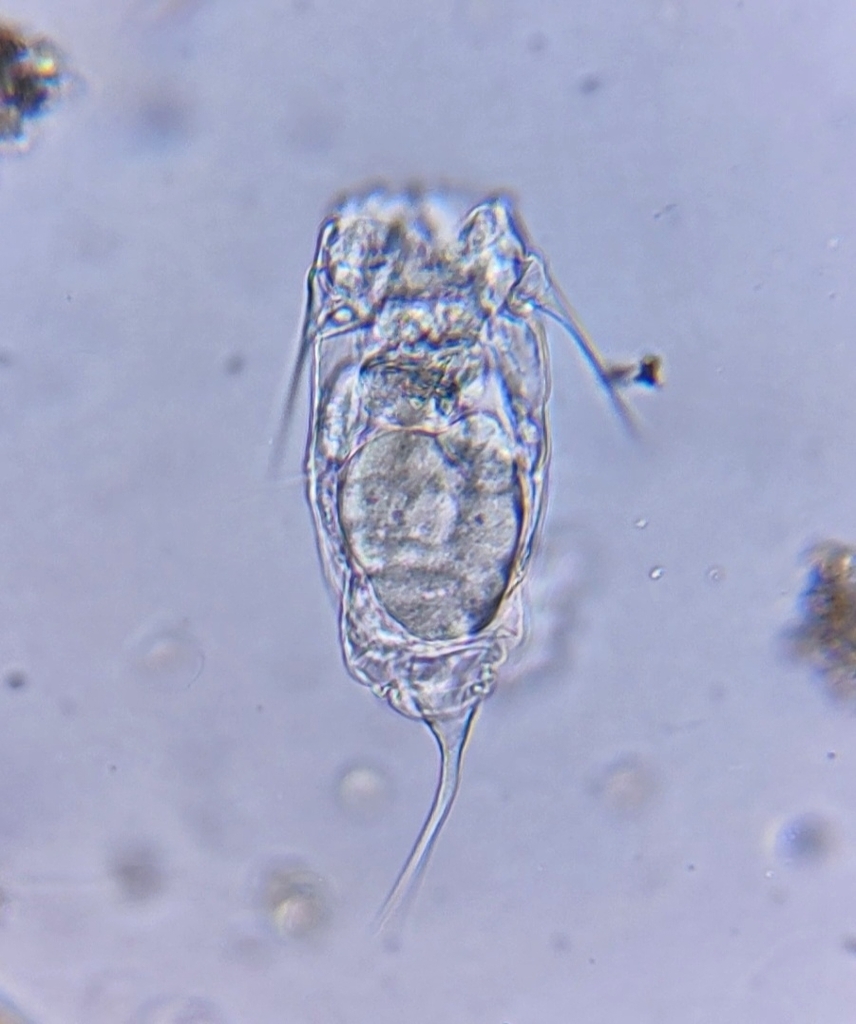
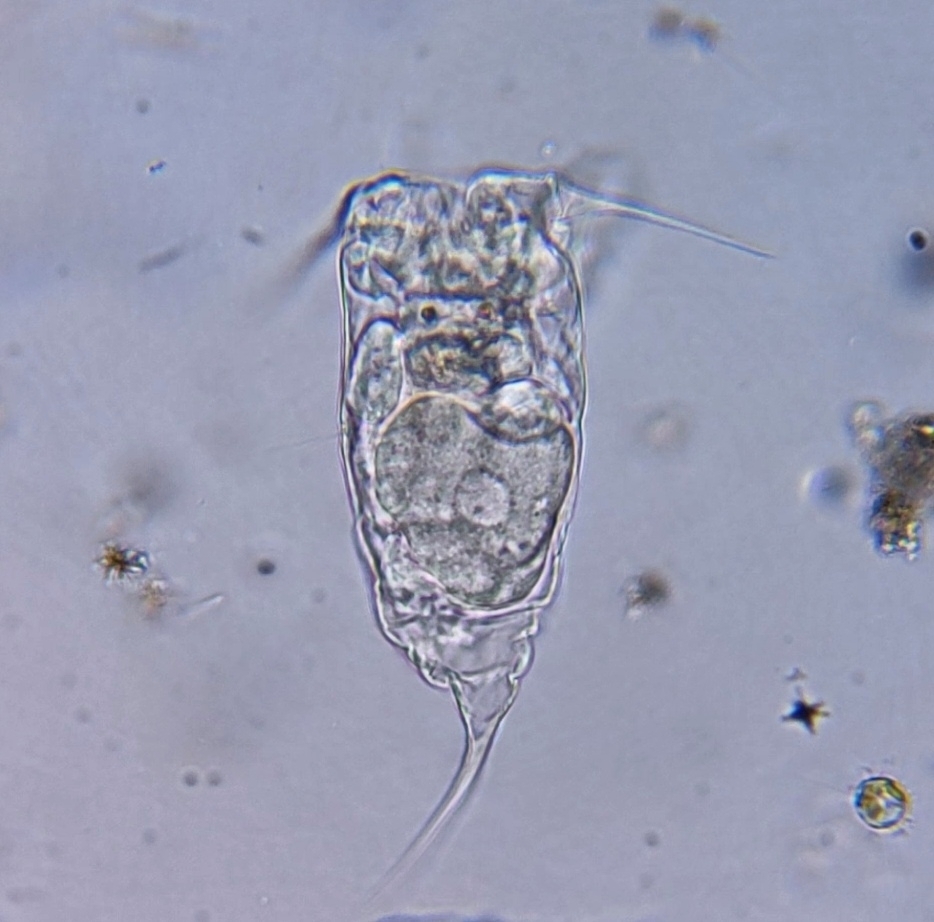
no rights reserved · CC0 1.0
Related Species

Was this profile helpful?