
Magnoliopsida · Laurales
Bay Laurel
Laurus nobilis
Least ConcernAlso known as: Bay, Bay Leaf Tree, Laurel, Laurel, Bay, Sweet Bay
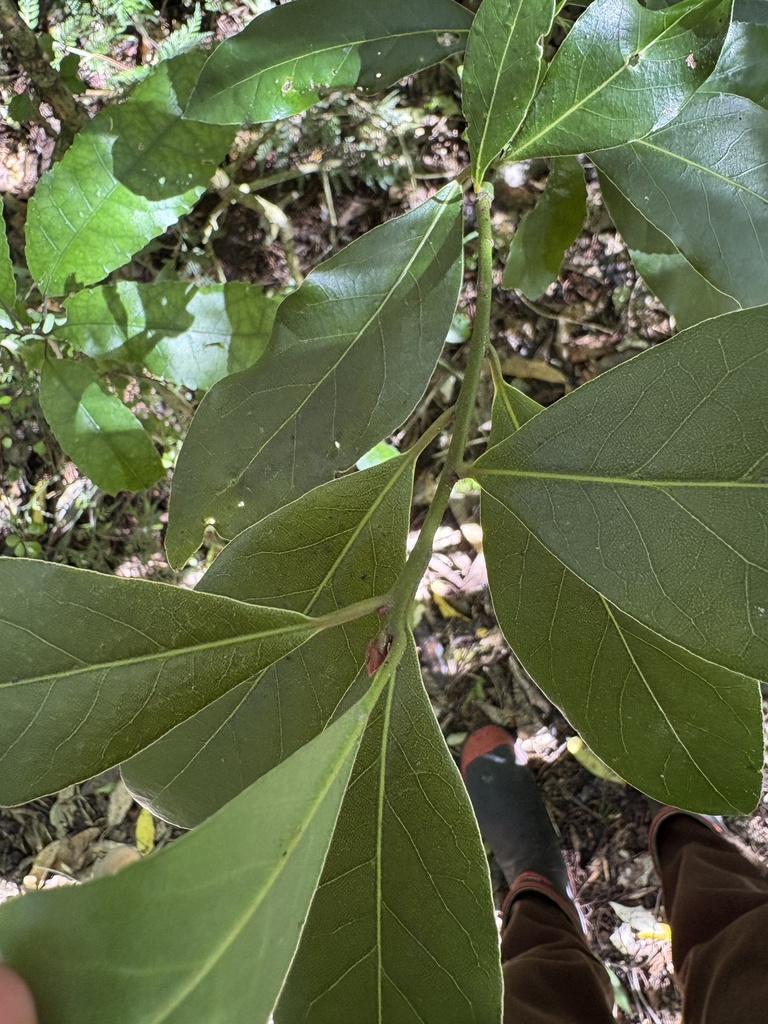
© Cara-Lisa Schloots · iNaturalist · CC BY 4.0
Scientific Classification & Quick Facts
Classification
At a Glance
Laurus nobilis, the bay laurel, is an evergreen shrub or small tree native to the Mediterranean region that has become one of the world’s most widely cultivated culinary and ornamental plants. For over two thousand years, this species has held symbolic and practical significance across Mediterranean cultures—its glossy, aromatic leaves have been harvested for cooking, medicine, and ceremony since ancient times. Today, bay laurel grows across 23 countries worldwide, thriving in temperate and subtropical climates far beyond its original range.
With a conservation status of Least Concern, bay laurel remains abundant and ecologically stable. Its resilience, paired with its practical utility in kitchens worldwide and its ability to adapt to varied growing conditions, makes it a cornerstone species in Mediterranean ecosystems and a fixture in gardens across the globe. The bay laurel’s combination of culinary value, cultural heritage, and ornamental appeal underscores why this modest Mediterranean native has become virtually indispensable to human culture.
Identification and Appearance
Laurus nobilis, commonly known as Bay Laurel, is a variable evergreen shrub or small tree. In its natural habitat, it typically reaches heights between 7 and 18 metres, though cultivated specimens are often considerably smaller. The plant’s size and form depend heavily on growing conditions, age, and cultivation practices—potted specimens may remain compact, while mature individuals in favourable climates can develop into substantial trees.
Foliage and Leaves
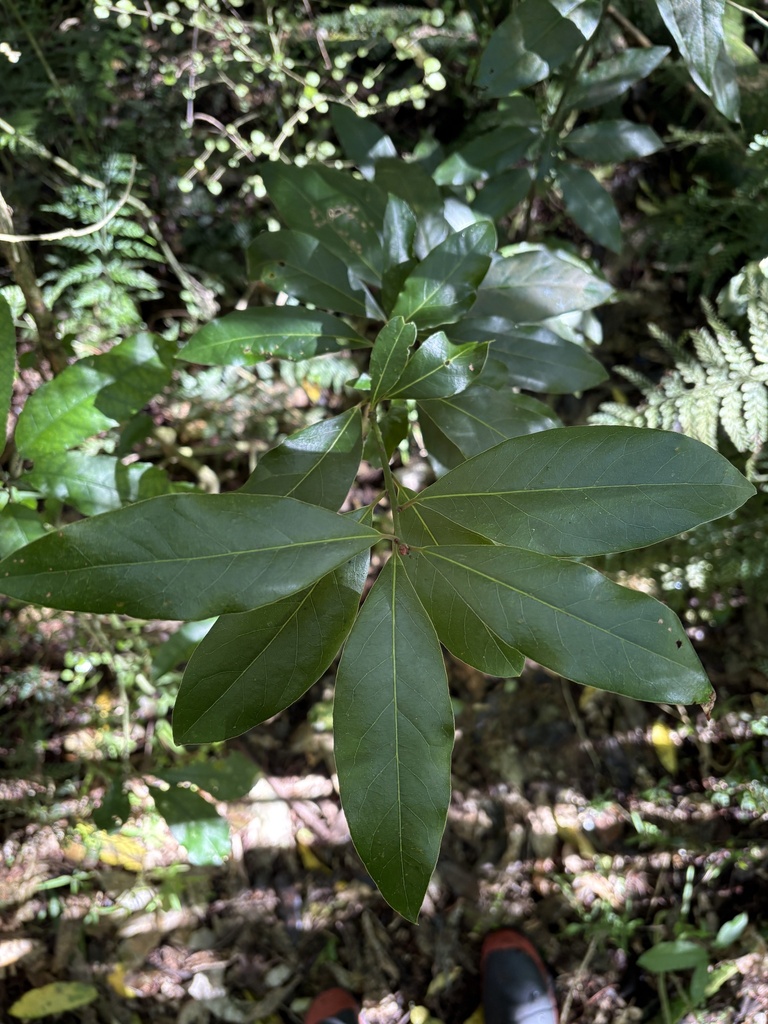
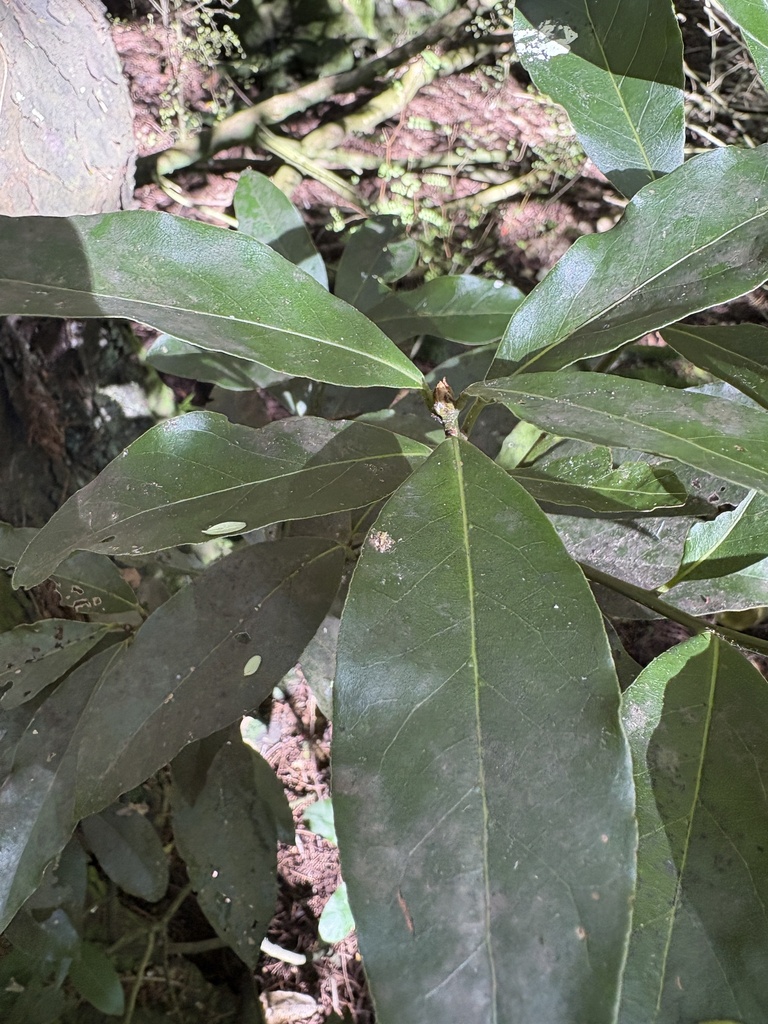
Bay Laurel is immediately recognisable by its distinctive leathery, lanceolate leaves. These are dark green, glossy, and aromatic when crushed, releasing a characteristically warm, slightly peppery fragrance. The leaves are arranged alternately along the stems and retain their colour year-round, maintaining the plant’s evergreen appearance even through winter in temperate regions.
Flowers and Overall Form
The species produces small, greenish-yellow flowers that appear in clusters in spring. These flowers develop into dark purple or nearly black berries in autumn, which ripen to a deep colour and contain a single seed. The overall structure of the plant is dense and rounded, making it highly suitable for hedging, topiary, and ornamental cultivation. Bay Laurel has no marked sexual dimorphism in appearance, though individual plants may vary in vigour and form depending on their provenance and growing environment.
Distribution and Habitat
Laurus nobilis, the bay laurel, is found across 23 countries worldwide, with a strong concentration in the Mediterranean region and temperate zones. France leads occurrence records with 65 documented sightings, followed by Spain (50), Italy (44), and Portugal (27). The species has also established populations in Israel (29 records), Croatia (11), and the United Kingdom (27), reflecting both natural distribution and widespread cultivation in gardens and culinary settings. Small but notable populations exist in New Zealand, Russia, and Turkey, indicating successful introduction to diverse climates.
The species occurs at modest elevations, with records concentrated between 363 and 420 metres, averaging 395 metres. This narrow elevation range reflects bay laurel’s preference for lowland Mediterranean and coastal environments where conditions remain mild year-round. The plant tolerates a broad range of soil and moisture conditions in cultivation, though wild populations show a marked preference for well-drained, temperate locations.
Seasonal occurrence data reveal a pronounced winter peak, with the greatest number of records falling in February (160 sightings) and January (128 sightings). A dramatic drop occurs after March, with no recorded sightings from April through December. This pattern likely reflects observation bias rather than true seasonal absence—winter months bring dormancy or reduced vegetative growth in cooler climates, making the plant’s persistent evergreen foliage and distinctive form more conspicuous. In Mediterranean regions where bay laurel is native, the species remains present year-round.
Growth and Cultivation
Growth
Laurus nobilis, commonly known as bay laurel, grows as a dense evergreen shrub or small tree with a slow to moderate growth rate. In its native Mediterranean habitat and in cultivation, it typically reaches 7–12 metres tall, though it can be pruned to smaller ornamental sizes. The plant develops a compact, pyramidal form with glossy, dark green lanceolate leaves that are aromatic when crushed.
Bay laurel is extremely long-lived and responds well to shaping. Its dense foliage makes it valuable as a screening plant or topiary subject. The bark is smooth and grey-brown, and the entire plant has a refined appearance suited to formal gardens and container cultivation.
Flowering and Fruiting
Small, pale yellow or greenish-yellow flowers appear in the leaf axils, typically in spring. These are mildly fragrant and arranged in clusters. The flowers are dioecious—male and female flowers are borne on separate plants—so both sexes must be present for fruit to develop.
Female plants produce dark purple to black berries approximately 1–1.5 centimetres in diameter. These fruits mature in autumn and contain a single seed. The berries are relatively inconspicuous compared to the foliage but are valuable to birds and small mammals.
Cultivation
Bay laurel thrives in full sun to partial shade and prefers well-drained, fertile soil. It is moderately tolerant of drought once established, though regular watering during the growing season promotes lusher foliage. The species shows good salt tolerance and adapts to a range of soil conditions, making it suitable for coastal gardens.
In cool temperate regions, bay laurel is best grown in containers and moved indoors during harsh winters, or positioned in a sheltered, south-facing location. It is hardy in Mediterranean climates and warmer zones. Container-grown specimens benefit from annual feeding and occasional pruning to maintain shape. Propagation is by seed or semi-hardwood cuttings; seeds should be stratified before sowing to improve germination rates.
Conservation and Threats
Laurus nobilis, the bay laurel, holds a conservation status of Least Concern (LC) on the IUCN Red List. This designation reflects the species’ wide distribution across Mediterranean regions and its successful establishment in cultivation worldwide. The stable status indicates that the species faces no immediate threat of extinction at a global scale.
Threats
Bay laurel encounters relatively few anthropogenic threats in its native Mediterranean habitat. The primary pressure comes from habitat loss and land-use conversion, particularly in coastal areas where development and tourism alter native vegetation. Localised harvesting for culinary and ornamental purposes occurs throughout its range, but this activity remains sustainable and does not threaten population viability. Pathogenic organisms, notably Phytophthora species, can affect cultivated plants in wet conditions, though this affects horticultural populations rather than wild stocks.
Conservation Efforts
Bay laurel benefits from informal protection through its integration into Mediterranean ecosystems and protected areas. The species’ resilience, adaptability to various soil types, and rapid regeneration capacity make it inherently resistant to overexploitation. Its economic value as a culinary and medicinal herb has incentivised cultivation and sustainable management practices across Europe and beyond, reducing pressure on wild populations. No formal species-specific conservation programme exists, reflecting its stable status and lack of immediate conservation need.
Cultural Significance
The cultural notes for this species are not currently available in the database. Bay Laurel has a documented history of human use across Mediterranean cultures, but specific cultural associations, mythological references, culinary applications, medicinal traditions, or symbolic meanings cannot be included without verified source data.
To provide accurate and authoritative information about the cultural significance of Laurus nobilis, primary sources or peer-reviewed documentation would be required. If you have reliable cultural or ethnobotanical data about this species, please contribute it to improve this section.
Fun Facts
Laurus nobilis is far more than a kitchen staple. This Mediterranean evergreen harbours surprising characteristics that link it to some of the world’s most economically important plants and reveals why ancient civilizations held it in such high regard.
- Bay laurel is a substantial tree, not just a shrub. Despite being known primarily for its small culinary leaves, mature specimens can reach 20 metres in height with stems up to 1 metre in diameter, rivalling many timber-producing species in size.
- Its leaves are unusually smooth. The foliage is completely glabrous (smooth and hairless), which is an atypical trait among Mediterranean plants that typically develop textured or hairy surfaces to conserve water in arid climates.
- Bay laurel belongs to the same family as avocados and cinnamon. All three species share membership in the Lauraceae family, linking the humble bay leaf to two of the world’s most commercially valuable crops.
- It is native exclusively to the Mediterranean, yet shaped classical mythology. The tree originated only in Mediterranean regions, yet became so embedded in Greco-Roman culture—particularly the story of Apollo and Daphne—that many assume it is native to Greece and Rome specifically.
- The plant’s oils have antimicrobial properties. The leaves contain aromatic compounds with documented antibacterial and antifungal activity, explaining both their culinary preservation value and traditional medicinal applications.
- Bay laurel was a symbol of athletic and intellectual achievement in antiquity. Victors in ancient Olympic games and celebrated poets received crowns woven from bay leaves, making the tree a universal emblem of excellence across Greek and Roman societies.
- The species is fire-adapted despite its evergreen foliage. Bay laurel thrives in Mediterranean ecosystems characterized by periodic wildfires, with thick bark and the ability to regenerate rapidly after burn events.
Ecology
Growing Conditions
Edibility
Conservation Status
LC (Least Concern) · NT · VU · EN · CR · EW · EX
Photo Gallery
Cara-Lisa Schloots · CC BY 4.0
Related Species
Was this profile helpful?