
Magnoliopsida · Solanales
Tomato
Solanum lycopersicum
Also known as: Garden Tomato, garden tomato
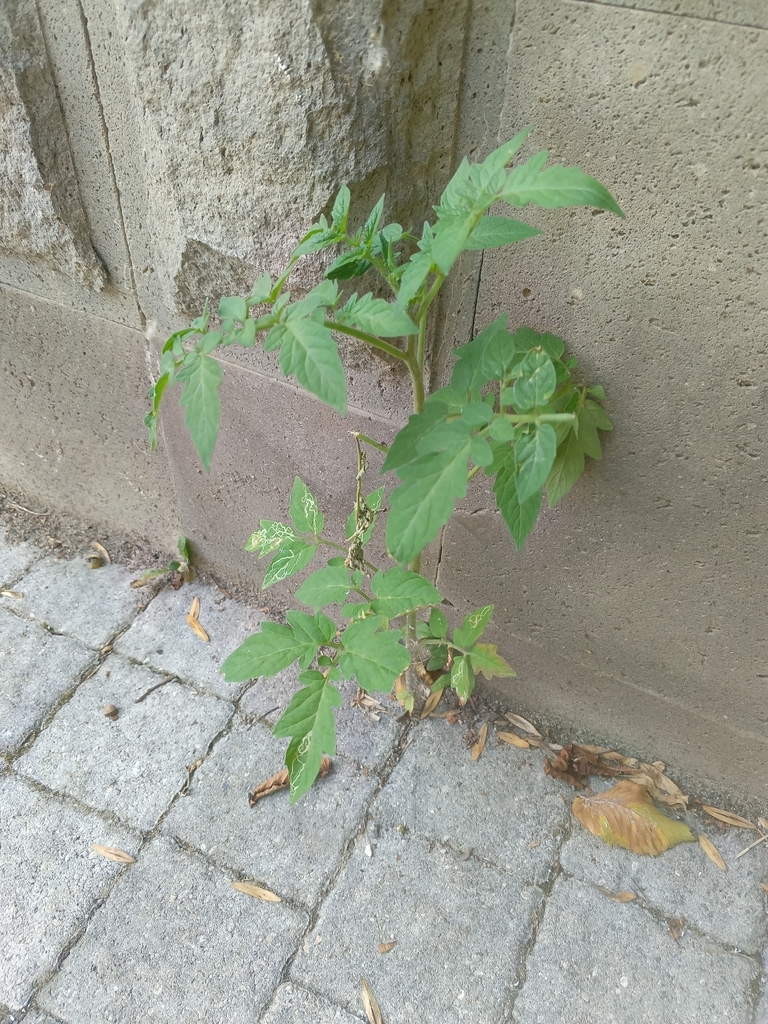
© Maria Kohanovskaya · iNaturalist · CC BY 4.0
Scientific Classification & Quick Facts
Classification
Known For
Detailed measurements for this species are still being verified.
The tomato is one of the world’s most economically important vegetable crops, cultivated across at least 39 countries and integral to cuisines from Asia to the Americas. Yet this humble plant—scientifically known as Solanum lycopersicum—presents a striking paradox: while its fruits nourish billions, the species itself faces no official conservation threat, classified as data-deficient by conservation authorities. Belonging to the nightshade family Solanaceae, the tomato is a herbaceous annual or perennial that transforms simple leaves and modest flowers into the vibrant, nutrient-dense fruits we recognize on kitchen counters worldwide.
What makes the tomato especially notable is not merely its agricultural dominance, but its role as a botanical bridge between traditional farming and modern science. The plant thrives in diverse climates, responds dramatically to selective breeding, and continues to yield new insights into plant physiology, genetics, and human nutrition. For naturalists and gardeners alike, Solanum lycopersicum represents a living laboratory where evolution, cultivation, and ecology converge.
Identification and Appearance
Solanum lycopersicum, the tomato, is a vining plant with considerable variation in growth form depending on cultivar and growing conditions. Indeterminate varieties grow as sprawling vines reaching up to 3 metres in length, becoming decumbent (trailing along the ground or support structures) as they mature. Determinate bush varieties remain compact, typically no taller than 100 centimetres, making them suitable for containers and confined spaces. The plant is a tender perennial, though it is most commonly grown as an annual in temperate climates.
Stems, Leaves, and Flowers
Tomato stems are angular, hairy, and densely covered with trichomes—fine hair-like structures that give the plant a distinctive fuzzy appearance and sticky texture when touched. The compound leaves are pinnately divided, typically alternating along the stem, with irregular, serrated leaflet margins. Flower clusters (called cymes) emerge from leaf axils and bear small, yellow, five-petaled flowers that are self-fertile and lack significant floral fragrance.
Fruits
The fruit is a berry that ranges widely in size, shape, colour, and flavour across the hundreds of cultivated varieties. Mature fruits may be round, oval, elongated, or flattened, with smooth, ribbed, or deeply furrowed skin. Colour at maturity spans red, orange, yellow, pink, purple, brown, or even green, depending on the variety and ripeness stage. Inside, the flesh is juicy with multiple seed-bearing compartments (typically two to many locules), surrounded by gelatinous tissue containing numerous small, cream-coloured seeds embedded in a mucilaginous matrix.
Distribution and Habitat
Solanum lycopersicum is cultivated across at least 39 countries globally, with iNaturalist observations concentrated in a handful of key agricultural regions. Mexico leads with 69 recorded observations, followed by the United States (50), South Africa (26), India (23), and Australia (18). Taiwan, Spain, New Zealand, Indonesia, and China also show significant presence, reflecting both commercial production and home gardening activity across diverse climates.
Observations cluster heavily in the Northern Hemisphere winter months, with February representing the peak activity period (123 observations), preceded by January (112). This seasonal pattern reflects both the timing of winter harvests in tropical and subtropical regions and the houseplant cultivation season in temperate zones. The absence of observations from April onward in the dataset suggests a recording bias toward cooler months, where tomato cultivation—whether outdoor or protected—peaks in many surveyed regions.
Tomato cultivation occurs across varied elevations and climate zones, from lowland tropical regions to temperate highlands, though specific elevation data are not available. The species adapts readily to both field cultivation and controlled environments, making it one of the world’s most widely grown vegetable crops. Its presence in agricultural regions across five continents underscores its exceptional adaptability to human management and diverse growing systems.
Growth and Cultivation
Growth
Solanum lycopersicum is a herbaceous annual or short-lived perennial that grows as an indeterminate or determinate vine, depending on the cultivar. Indeterminate varieties continue growing throughout the season, reaching 2 metres or more in height, while determinate types are bushy and compact, typically 0.5–1 metre tall. The plant develops a fibrous root system and produces pinnately lobed, slightly hairy leaves with a pungent aroma when crushed.
Growth rate and final size vary significantly by variety, environmental conditions, and cultivation method. Container-grown tomatoes remain smaller than those planted directly in soil. The plant responds well to warm conditions and benefits from sturdy support structures, especially indeterminate varieties, which require staking or trellising to manage their sprawling growth.
Flowering and Fruiting
Tomato plants produce small yellow flowers in compound clusters called cymes, typically appearing 20–30 days after transplanting or germination under optimal conditions. Flowering continues throughout the growing season in warm climates. Each flower is self-fertile and can set fruit without cross-pollination, though insect activity or gentle vibration improves fruit set. Flowers develop into fleshy berries that vary widely in size, shape, and colour depending on the cultivar—from small cherry tomatoes to large beefsteak varieties.
Fruit ripening typically takes 20–30 days from flowering, accelerating in warmer temperatures. The plant continues fruiting until frost kills the vines in temperate regions. In tropical and subtropical climates, perennial growth and year-round production are possible under favourable conditions.
Cultivation
Tomatoes thrive in warm, well-drained soil with consistent moisture. They are tender plants intolerant of frost and grow best in full sun, requiring at least 6–8 hours of direct light daily for optimal fruit production and flavour. While specific soil pH requirements are not universally fixed, most cultivars perform well in slightly acidic to neutral soil (pH 6.0–7.0). Regular watering is essential; inconsistent moisture leads to problems such as blossom-end rot and fruit cracking. Mulching helps retain soil moisture and regulate temperature fluctuations.
Fertilizing every 2–3 weeks with balanced or phosphorus-rich fertilizer supports flowering and fruiting. Pruning suckers (side shoots on indeterminate varieties) improves air circulation and directs energy into fruiting. Container cultivation is feasible and allows gardeners to grow tomatoes in limited space; containers should be at least 5 gallons (19 litres) for dwarf varieties and larger for indeterminate types. Starting plants from seed indoors 6–8 weeks before the last frost date, then transplanting outdoors after danger of frost passes, is standard practice in temperate regions.
Conservation and Threats
Solanum lycopersicum, the tomato, does not currently hold an IUCN Red List conservation status. As a widely cultivated crop species with a global distribution across agricultural systems, the tomato is not evaluated under the standard IUCN criteria applied to wild populations. Instead, its conservation relevance centres on maintaining genetic diversity within domesticated and wild relative populations, and on sustainable agricultural practices that preserve both the species and its wild progenitors.
The tomato’s population trend is increasing, driven by rising global demand for this staple vegetable. Production occurs in every continent except Antarctica, with hundreds of millions of tonnes harvested annually. This expansion reflects the crop’s economic importance and adaptability to diverse climates and growing methods.
Threats
Wild relatives of the tomato, found primarily in South America, face habitat loss through deforestation and agricultural conversion. These wild species are crucial reservoirs of genetic traits—including disease resistance and drought tolerance—that breeders use to improve commercial cultivars. Protecting populations of Solanum pimpinellifolium, Solanum chilense, and other wild congeners is therefore essential for the long-term resilience of the domesticated crop itself.
In commercial cultivation, tomatoes face ongoing pressure from pests, diseases, and climate variability. Pathogens such as late blight and fusarium wilt reduce yields and increase dependence on chemical inputs. Intensive monoculture farming also depletes soil health and reduces pollinator habitat, creating vulnerability to future disease outbreaks.
Conservation Efforts
Seed banks and germplasm repositories worldwide maintain extensive collections of tomato varieties and wild relatives. Major institutions including the International Plant Genetic Resources Institute (IPGRI) and national agricultural centres store thousands of accessions to safeguard genetic diversity. These collections enable researchers to develop disease-resistant and climate-adapted varieties without relying solely on wild populations.
Efforts to promote crop diversity include supporting heirloom and traditional tomato varieties through farmers’ markets and community seed-saving programmes. Many regions now emphasize integrated pest management and organic cultivation methods that reduce chemical inputs while maintaining soil fertility. These approaches benefit both the crop and surrounding ecosystems.
Cultural Significance
The tomato has secured a prominent place in popular culture and civic identity across North America and Europe. In the United States, several states have formally enshrined the tomato in their official symbols. Ohio designated it as the state fruit in 2009, complementing tomato juice’s status as the state beverage since 1965. Arkansas took an unusual approach by declaring the South Arkansas Vine Ripe Pink Tomato both the state fruit and state vegetable under the same law, acknowledging the plant’s dual botanical and culinary significance. Reynoldsburg, Ohio, celebrates its historical connection to tomato breeding through an annual Tomato Festival, marketing itself as “The Birthplace of the Tomato” in honor of the plant breeding work carried out there.
The tomato has inspired some of the world’s most unusual festivals and records. La Tomatina, held annually in Buñol, Spain, is a massive public celebration centered entirely on a tomato battle—on 30 August 2007, approximately 40,000 participants threw roughly 115,000 kilograms of tomatoes at one another. At Walt Disney World’s experimental greenhouses in Lake Buena Vista, Florida, a single tomato plant achieved world record status by producing more than 32,000 tomatoes weighing 522 kilograms in a single year, becoming a symbol of horticultural achievement and a centerpiece of the resort’s agricultural exhibits.
Fun Facts
Tomatoes are far more scientifically complex than their everyday role in the kitchen suggests. From their unexpected botanical classification to their role in reshaping global cuisines, these fruits reveal surprising facts about plant biology and human history.
- Tomatoes are berries, not vegetables. Botanically, a tomato is a berry because it develops from the flower’s ovary and contains seeds within soft flesh. The “vegetable” classification is purely culinary convention.
- They share family ties with tobacco and chili peppers. Tomatoes belong to the nightshade family (Solanaceae), which includes tobacco, potatoes, and peppers—linking a staple food crop to psychoactive and stimulant plants.
- The exact origin of tomato domestication remains uncertain. Evidence points to western South America, Mexico, or Central America as possible domestication centers, but no single definitive location has been established by science.
- Tomatoes are a remarkably recent addition to European cuisine. Unknown to Europe, Asia, and Africa until the Spanish introduced them during the 16th century Columbian exchange, tomatoes have shaped world cooking for less than 500 years.
- Tomato plants produce alkaloid compounds as a natural defense. Like other nightshades, tomato foliage and unripe fruits contain alkaloids that deter herbivores, though ripe fruits are safe for human consumption.
- A single tomato flower can produce multiple fruits from one bloom. The determinate and indeterminate growth patterns in different cultivars allow some varieties to yield clustered fruits throughout an extended growing season.
Ecology
Growing Conditions
Edibility
Photo Gallery
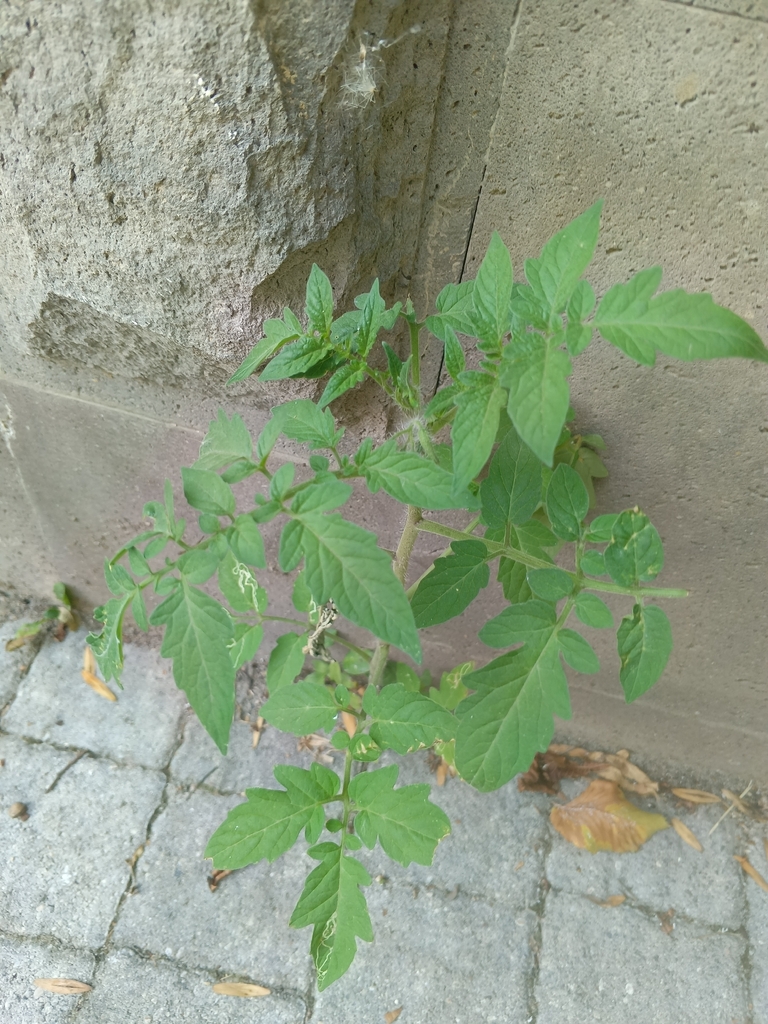
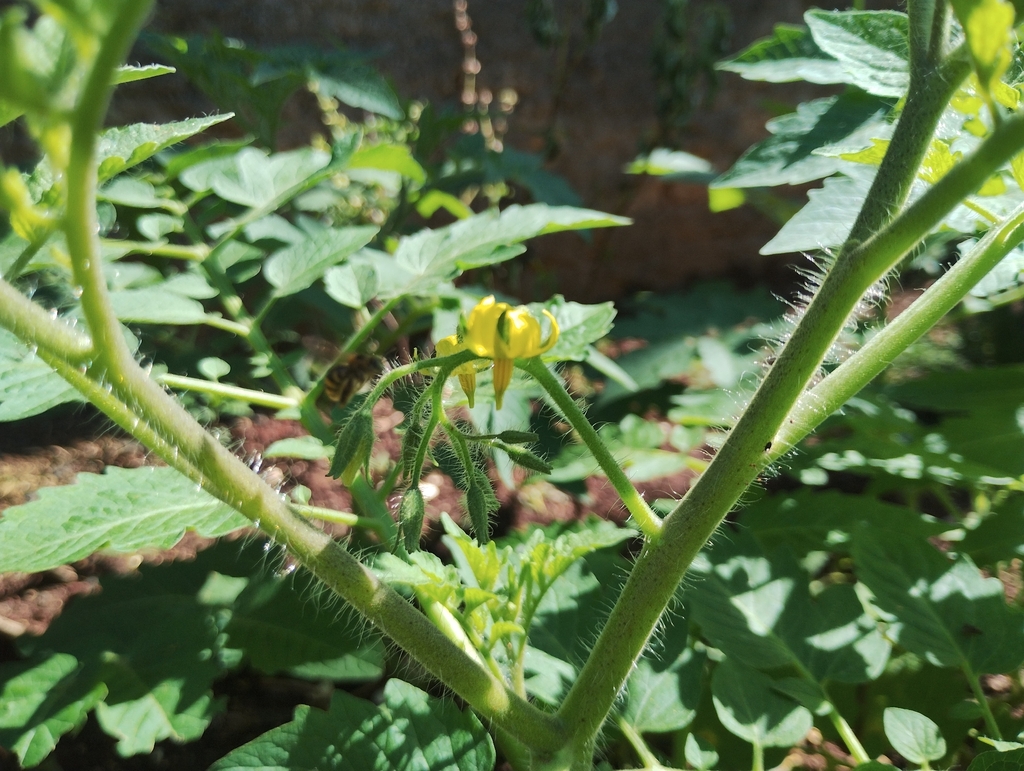
Maria Kohanovskaya · CC BY 4.0
Related Species
Was this profile helpful?