
Magnoliopsida · Solanales
Bell Pepper
Capsicum annuum
Least ConcernAlso known as: Bird Pepper, Capsicum, Chili, Green Capsicum, Hot Pepper, Paprika, Sweet Pepper, Capsicum, Chili, Green capsicum, Hot pepper, Paprika, Sweet pepper, Cayenne Pepper, Chili
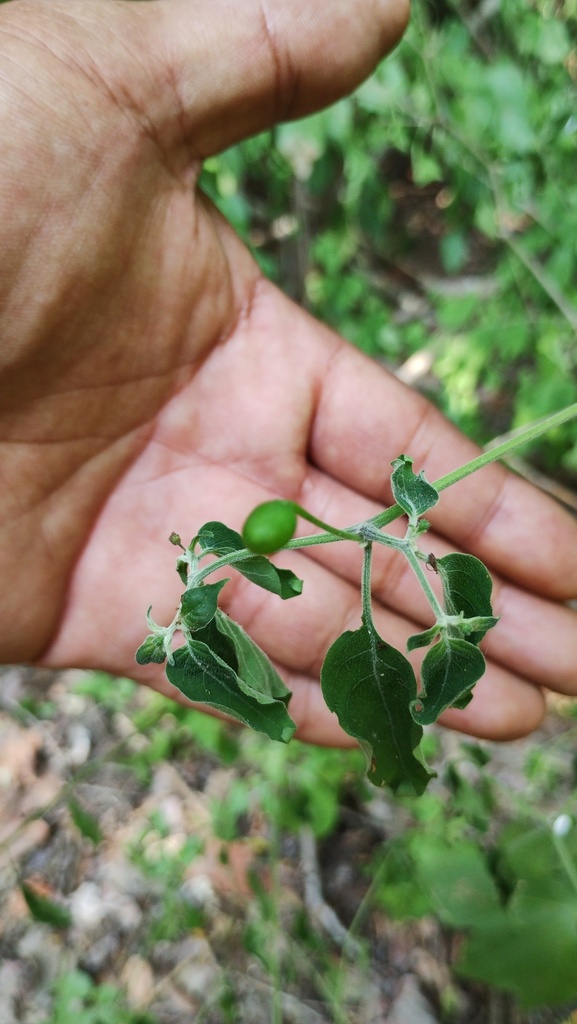
© Carlos Domínguez-Rodríguez · iNaturalist · CC BY 4.0
Scientific Classification & Quick Facts
Classification
Known For
Detailed measurements for this species are still being verified.
Bell peppers brighten markets, kitchens, and dinner plates across the globe, their glossy skin ranging from green to red, yellow, and orange. Yet behind this familiar vegetable lies a plant of considerable botanical interest: Capsicum annuum, a member of the nightshade family that has been cultivated for thousands of years and now thrives in 29 countries worldwide. Listed as Least Concern by the IUCN, the species faces no immediate threat to its survival, a testament to its adaptability and the massive agricultural investment in its production.
What makes Capsicum annuum especially notable is the genetic diversity concealed within a single species. The same plant that produces sweet, mild bell peppers contains the genetic capacity to yield fiery chilli peppers—a spectrum of pungency controlled by a single gene that regulates capsaicinoid production. This versatility, combined with the pepper’s importance as a global food crop and rich source of vitamins A and C, explains why the species has become one of humanity’s most economically significant vegetables.
Identification and Appearance
Capsicum annuum, commonly known as the bell pepper, is a herbaceous annual plant that produces hollow, thick-walled fruits prized for culinary use worldwide. The plant itself reaches a moderate height, typically between 0.5 and 1 metre, with branching stems and simple, ovate leaves. Its flowers are small and white or pale green, appearing singly or in clusters before developing into the characteristic fruiting bodies.
Fruit Appearance and Size
The bell pepper fruit is the most recognizable feature of this species. It is a large, blocky berry with a smooth skin and a hollow interior divided into two to four chambers by internal walls. Fruits are typically 7 to 10 centimetres long and 5 to 8 centimetres in diameter, though dimensions vary with cultivar and growing conditions. The skin is waxy, firm, and glossy in appearance, with a distinctive thick flesh that remains crisp when harvested at proper ripeness.
Colour Variation
Bell peppers display remarkable colour polymorphism, with fruits progressing through different pigmentation stages as they mature. Immature peppers are typically dark green or pale green. As they ripen, they may transition to red, yellow, orange, brown, or purple, depending on the variety cultivated. This colour variation reflects changing levels of chlorophyll and carotenoid pigments and is often used as a harvest indicator in commercial production. The fruit base bears a distinctive crown-like structure formed by the persistent calyx, which is a reliable identifying feature of the species.
Distribution and Habitat
Capsicum annuum, the bell pepper, has established a global presence across 29 countries, with the strongest concentration in North America and scattered populations throughout temperate and tropical regions. GBIF records show the United States dominates observations with 184 documented occurrences, followed by Mexico with 29 records. Australia, Belgium, Thailand, and Indonesia each contribute significant populations, indicating successful cultivation in both hemispheres across diverse climatic conditions.
The species thrives at an elevation of approximately 2,078 metres, suggesting adaptation to mid-altitude growing conditions where temperature and light exposure support vigorous fruit development. Additional populations are recorded across Ecuador, India, the Dominican Republic, and the Maldives, reflecting the crop’s commercial importance and ease of cultivation in varied agricultural systems worldwide.
Seasonal Presence
Observations show pronounced seasonal variation, with peak activity in April when 74 records were documented. Sightings remain consistent through the growing season from January to July, with notable numbers in January (56 records) and July (51 records). A complete absence of records from August through December suggests either dormancy during cooler months in temperate regions or reduced documentation during the crop’s off-season, reflecting the cultivation cycle of this warm-season vegetable.
Growth and Cultivation
Growth
Capsicum annuum is an herbaceous shrub that typically reaches 0.5 to 1 metre in height, though cultivars vary considerably. Plants develop a compact, branching stem structure with oval to lanceolate leaves arranged alternately. Growth is moderate and steady under warm conditions, with the plant establishing a substantial canopy within 8 to 12 weeks from transplanting. The root system is fibrous and shallow, concentrating nutrients close to the soil surface.
Flowering and Fruiting
Bell peppers produce small white or pale yellow flowers, typically solitary or clustered at branch nodes. Flowering begins 6 to 8 weeks after transplanting and continues throughout the growing season in warm environments. Each flower develops into a hollow, angular fruit that matures from green through yellow, orange, or red depending on cultivar and ripeness. Fruit maturation requires 60 to 90 days from flower pollination, and plants remain productive for several months under suitable conditions.
Self-pollination occurs readily, though insect visitation enhances fruit set. Mature peppers are harvested green or left on the plant to fully color, with continued harvest encouraging additional flowering and fruiting. Seeds develop within the fruit cavity and remain viable for 2 to 4 years when stored in cool, dry conditions.
Cultivation
Bell peppers thrive in full sun, requiring at least 6 to 8 hours of direct light daily for optimal flowering and fruit production. Soil should be well-draining and rich in organic matter; the plant tolerates a broad pH range but performs best between 6.0 and 6.8. Consistent moisture is essential—soil should remain evenly moist but never waterlogged, as excessive wetness promotes root rot. Plants are moderately drought-tolerant once established but yield better under regular watering schedules.
Temperature is critical: peppers require warm conditions, ideally 20 to 30 °C, and cease growth below 15 °C. Flowering and fruit set improve in temperatures above 21 °C. In cooler climates, cultivation under row covers or in protected structures extends the growing season. Fertilizer with balanced nitrogen-phosphorus-potassium ratios supports growth; additional phosphorus during flowering improves fruit development. Staking or support structures prevent fruit damage and improve air circulation around the plant.
Conservation and Threats
Capsicum annuum, the bell pepper, holds a conservation status of Least Concern (LC) on the IUCN Red List. This classification reflects the species’ widespread cultivation across global agricultural systems and its secure position as one of the world’s most economically important vegetable crops. Unlike wild plant species facing habitat loss, the bell pepper benefits from intensive human stewardship and continuous breeding programmes that ensure its genetic diversity and availability.
Threats
While the cultivated bell pepper itself faces no immediate extinction risk, wild populations of Capsicum annuum subspecies in its native range—Mexico and Central America—are subject to habitat degradation from deforestation and agricultural expansion. Crop-based populations confront distinct challenges: fungal and bacterial diseases such as anthracnose and bacterial spot reduce yields and increase reliance on chemical inputs. Insect pests, particularly spider mites and pepper weevils, damage fruit quality. Climate variability and drought stress threaten productivity in key growing regions.
Monoculture cultivation practices have narrowed the genetic base of commercial bell pepper varieties, reducing resilience to emerging pests and pathogens. Seed companies and breeding programmes work to maintain genetic diversity, but conservation of wild Capsicum relatives—which harbour disease resistance traits and adaptation genes—remains underfunded in many range countries.
Conservation Efforts
No international legal protections govern the bell pepper itself, given its domesticated status. However, conservation efforts focus on preserving wild Capsicum species and landraces. Seed banks and botanical institutions maintain collections of pepper genetics. Agricultural research institutions conduct breeding for disease resistance and climate adaptation. Mexico, the primary centre of pepper genetic diversity, has established some protected areas that overlap with wild pepper habitats, though enforcement and funding remain inconsistent.
Cultural Significance
The bell pepper occupies a central place in kitchens and agricultural systems across the globe, yet the provided data contains no documented cultural notes, folklore, mythology, or symbolic associations for this species. Without verified information about its role in specific cultural traditions, religious practices, or historical significance, any account would rest on assumption rather than evidence.
Bell peppers remain primarily valued as a culinary ingredient and agricultural commodity in contemporary use. To accurately describe their cultural importance—whether in specific regional cuisines, traditional medicine systems, or historical practices—would require documented sources that link particular communities or time periods to the species. If you have access to ethnographic records, historical texts, or community sources that detail such connections, those would provide the foundation for a reliable cultural account.
Fun Facts
Capsicum annuum has shaped human cuisine and culture for millennia, yet many of its remarkable features remain unknown to casual gardeners and cooks.
- Bell peppers were domesticated approximately 6,000 years ago in Mexico, placing Capsicum annuum among humanity’s earliest cultivated crops—older than wheat and nearly as ancient as maize.
- The plant’s native range spans two continents: both southwestern North America and northern South America, an unusually broad geographic origin for a single species.
- Despite the genus Capsicum containing over 30 species, Capsicum annuum dominates global cultivation and commerce due to its superior adaptability and productivity across diverse climates.
- A single pepper plant produces berries in multiple colors—red, green, yellow, and orange—often on the same plant at different ripening stages, creating a natural spectrum of flavors and heat levels.
- The plant’s pungency (spiciness) evolved as a chemical defense mechanism against seed-eating animals, yet humans have selectively bred some varieties to be completely mild while others remain intensely hot.
- Beyond the kitchen, Capsicum annuum serves four distinct human purposes: culinary staple, traditional medicine, non-lethal self-defense (pepper spray), and ornamental garden display—a versatility matched by few crop species.
- Green peppers harvested early are the same fruit as red peppers left longer on the plant; the color change signals increasing sweetness and vitamin C content as the fruit matures.
Ecology
Growing Conditions
Edibility
Conservation Status
LC (Least Concern) · NT · VU · EN · CR · EW · EX
Photo Gallery
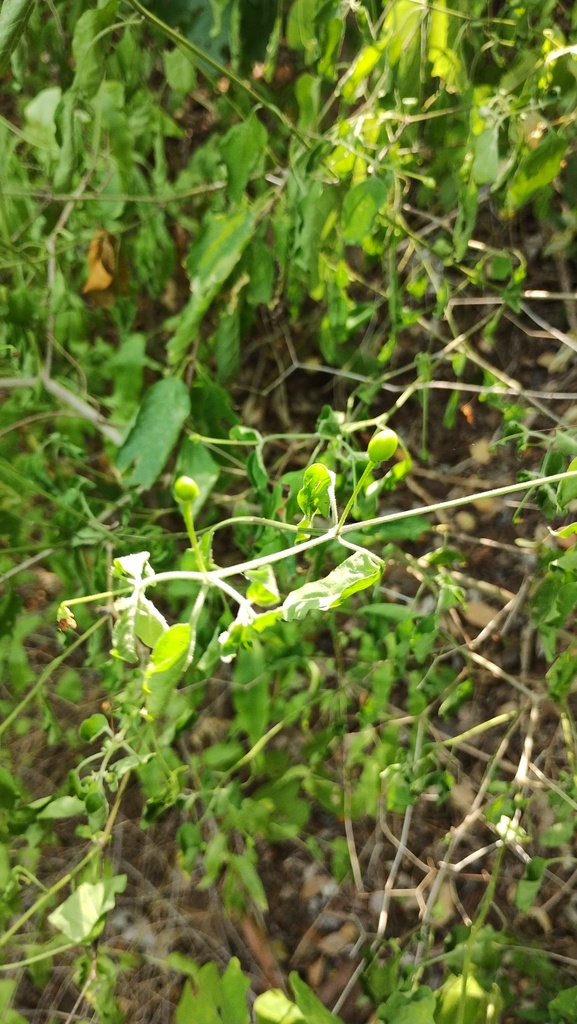
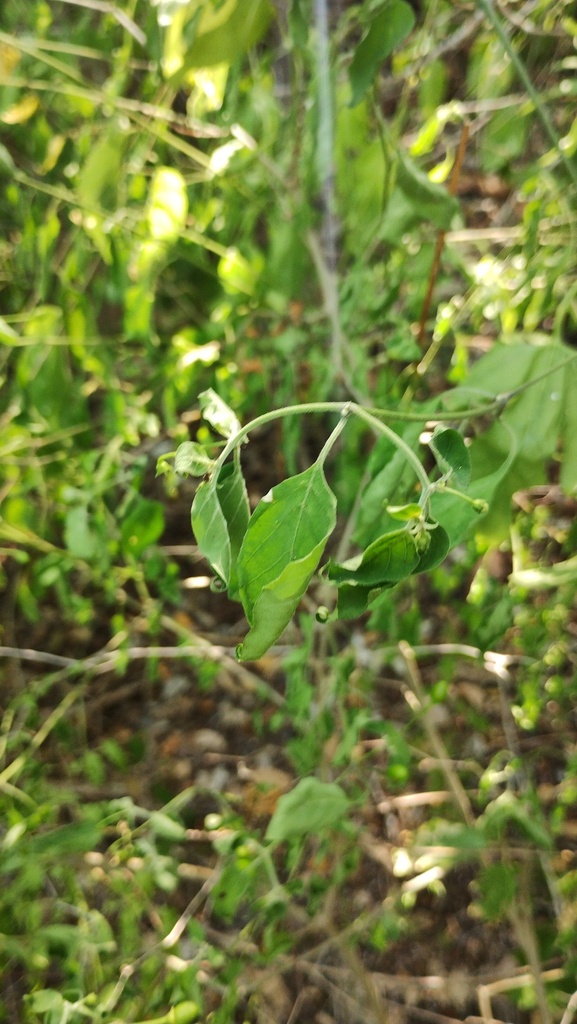
Carlos Domínguez-Rodríguez · CC BY 4.0
Related Species
Was this profile helpful?