
Magnoliopsida · Rosales
Wild Apple
Malus sylvestris
Also known as: Crab Apple, European Crab Apple, European crab apple, European wild apple, Pommier Sauvage
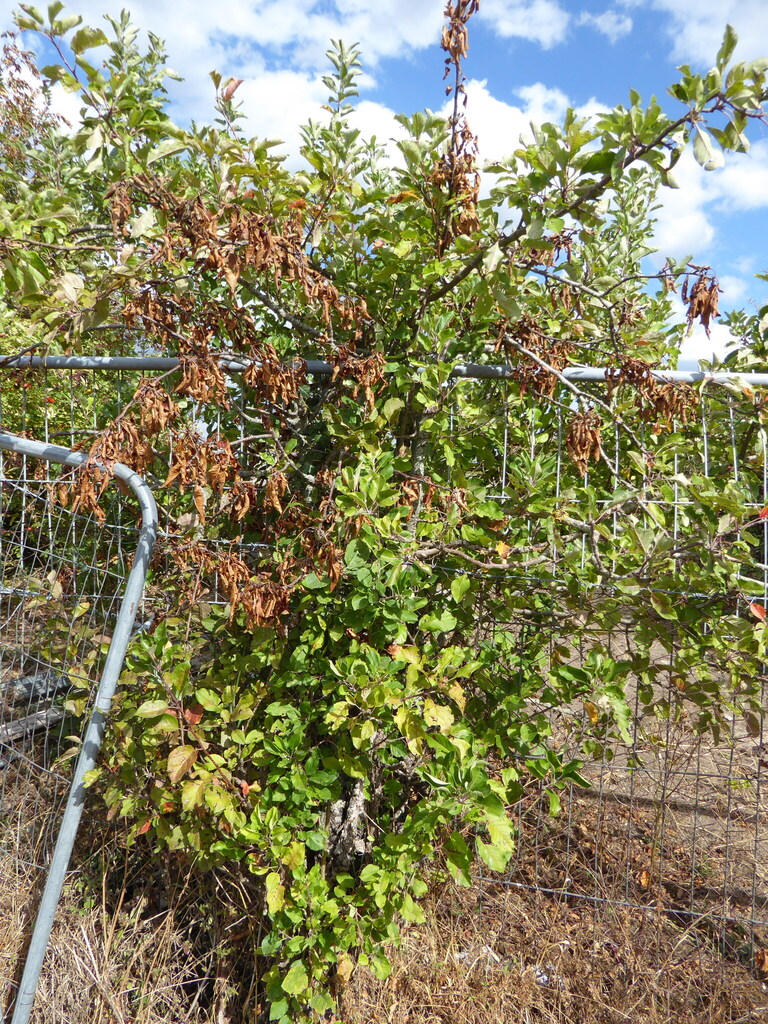
© jamie-aa · iNaturalist · CC BY 4.0
Scientific Classification & Quick Facts
Classification
Known For
Detailed measurements for this species are still being verified.
Malus sylvestris, the wild apple, is a small deciduous tree native to Europe and western Asia that bears little resemblance to the cultivated apples found in orchards worldwide. This humble ancestor of commercial apple varieties has shaped human agriculture for millennia, yet remains poorly understood in its natural state. Found across 26 countries, the wild apple survives in woodlands and hedgerows where it produces small, astringent fruits that attract birds and small mammals but offer limited appeal to human palates.
The species holds a unique position in both ecological and cultural contexts. Ecologically, it provides critical food resources for wildlife and contributes to woodland structure across its native range. Culturally, wild apple represents a living link to pre-modern agriculture and the genetic diversity that underpins modern fruit production. Yet its conservation status remains listed as Data Deficient by the IUCN, reflecting a significant gap in knowledge about wild populations, their genetics, and their vulnerability to habitat loss and hybridization with escaped orchard varieties. Understanding wild apple is essential for both protecting the species itself and safeguarding the genetic reservoir it represents for future crop resilience.
Identification and Appearance
Malus sylvestris, the wild apple, is a deciduous tree or multi-stemmed shrub that typically grows to 14 metres tall, though exceptional specimens have been recorded. Trunk diameters usually range from 23 to 45 centimetres, with some individuals exceeding 90 centimetres. The bark is light brown and characteristically breaks into flakes with age. The branches are notably spiny, a feature particularly prominent on young growth.
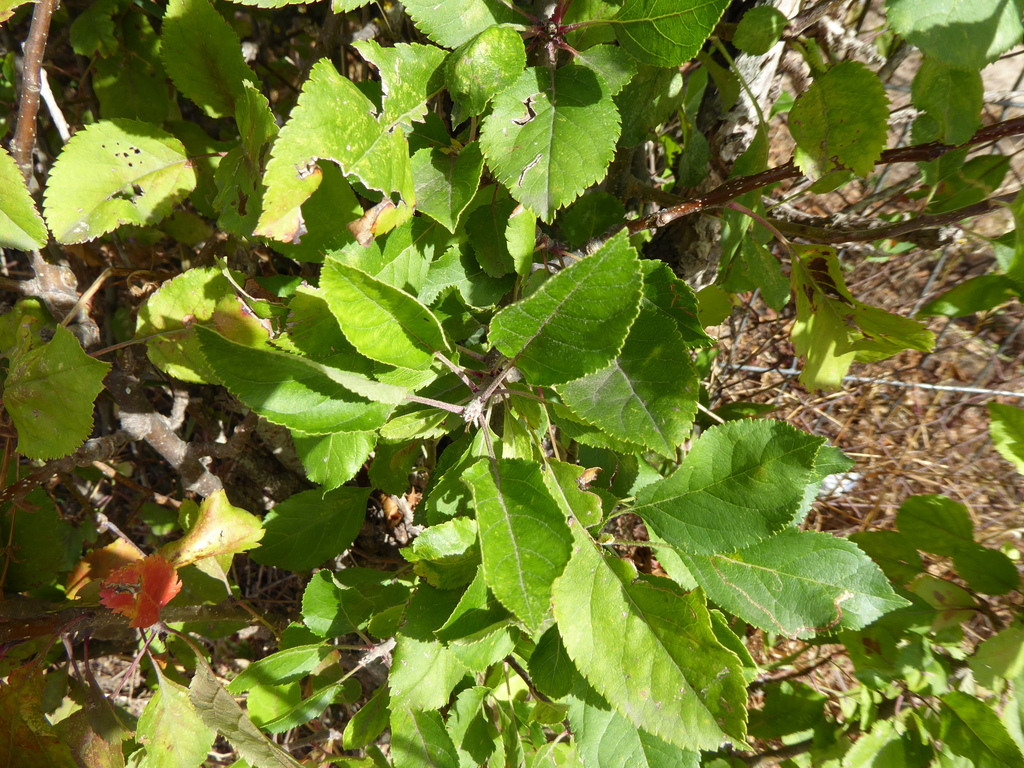
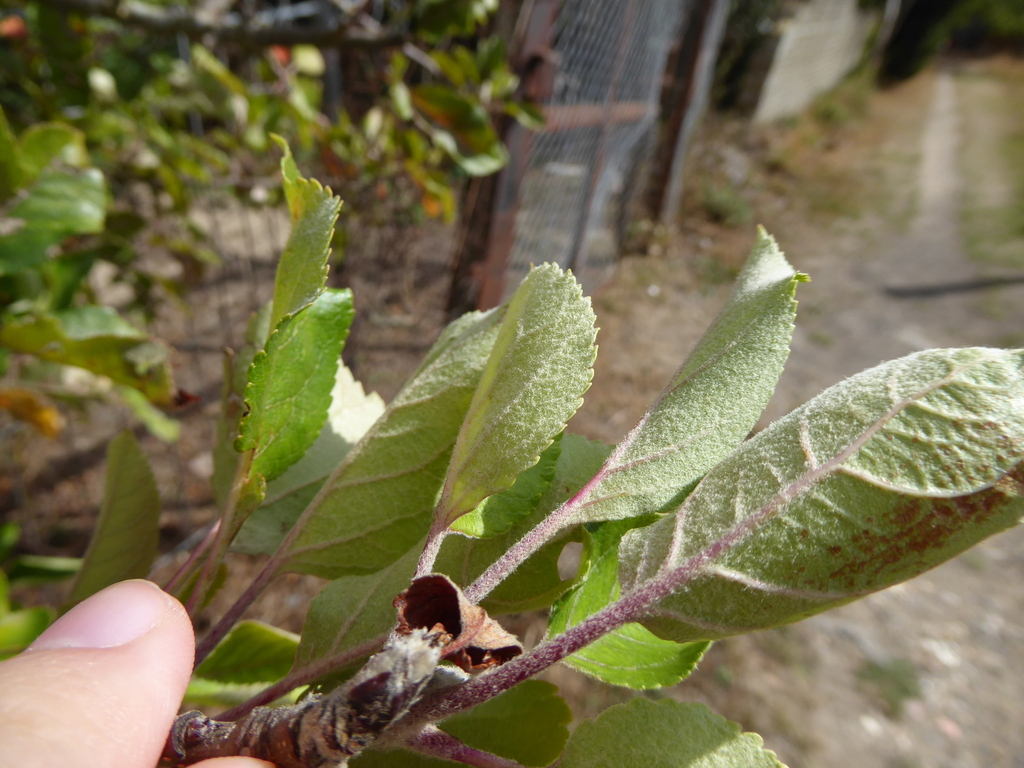
Leaves are roundish-oval in shape, with a smooth upper surface and sometimes hairy undersides. The tree produces hermaphrodite flowers that emerge in May to June, slightly ahead of hawthorn blooms. Petals range from white to pale pink, and flowers are insect-pollinated. The small pome-fruits measure approximately 3 centimetres in diameter, ripen during autumn, and eventually drop to the ground. Fruit colour varies from green to yellow or red depending on the individual tree and growing conditions.
The species is long-lived, with wild apples typically reaching 80 to 100 years of age. This longevity, combined with its hardy growth habit, makes the wild apple resilient in temperate landscapes. The tree inhabits lowland areas, with an average elevation of around 22 metres in recorded occurrences.
Distribution and Habitat
Malus sylvestris, the wild apple, is distributed across temperate Europe and western Asia, with records documented in 26 countries. The species shows the strongest concentration in northern and central Europe, with Sweden leading at 109 records, followed by Norway (51), Great Britain (31), Russia (20), and Ukraine (20). Additional populations are present in the Netherlands, Denmark, Italy, Germany, and Switzerland, reflecting a range that extends from Atlantic coasts to the Urals.
The species occupies a narrow elevation band, with observations clustered around 22 metres above sea level. This low elevation preference reflects its association with lowland deciduous and mixed woodlands, hedgerows, and scrubland habitats typical of continental and oceanic Europe.
Phenological data reveal a marked seasonal pattern of observation and flowering activity. Peak detection occurs in May (108 records), with elevated numbers continuing through April (59) and June (69). Activity drops sharply after July, with no records in the autumn and winter months (August through December). This pattern closely aligns with the species’ flowering period and the visibility of fruiting trees during the growing season, when field surveys and botanical observations are most commonly conducted.
Growth and Cultivation
Growth
Malus sylvestris, the wild apple, is a small to medium deciduous tree that typically reaches 7–10 metres in height at maturity. It develops a broadly spreading crown with a sturdy trunk and dense branching structure. The tree’s natural form is often irregular and somewhat gnarled, particularly in wild or unmanaged settings, giving it characteristic visual character that distinguishes it from cultivated apple varieties.
Growth rate data for wild apple is limited in standardized references, though the species is known to establish itself steadily in suitable conditions. Young trees develop their crown architecture gradually, becoming more pronounced with age. The wood is hard and relatively dense, contributing to the tree’s longevity in natural landscapes.
Flowering and Fruiting
Wild apple flowers in spring, producing clusters of white to pale pink blossoms that emerge before or alongside leaf development. The flowers are typical of the genus Malus, with five petals and prominent stamens that attract insect pollinators. Flowering phenology varies with local climate and latitude, but the main bloom period occurs over several weeks in mid to late spring.
Fruiting follows successful pollination, producing small apples typically 2–3 centimetres in diameter. The fruit matures in late summer to autumn and ranges in colour from yellow-green to russet. Seeds within the fruit are viable and dispersed by wildlife, particularly birds and small mammals, making wild apple an important food source in temperate ecosystems. The tree may produce abundant fruit in favourable years and lighter crops in others, depending on weather and pollination conditions.
Cultivation
Wild apple thrives in temperate climates and adapts to a wide range of soil types, from sandy to clay loams. The species tolerates moderate to poor soils and shows reasonable resilience in dry conditions once established, though it performs better with adequate moisture during the growing season. Specific soil pH requirements are not strictly documented, but the tree generally performs well in neutral to slightly acidic soils typical of its native European range.
For cultivation, wild apple prefers full sun exposure to promote flowering and fruiting, though it tolerates partial shade. The species is hardy in cool temperate zones and requires winter chilling to set fruit reliably. Minimal pruning is needed beyond removing dead or crossing branches; the tree’s natural form is generally attractive when left largely unpruned. Propagation is possible from seed, though seedlings may not reproduce the exact characteristics of the parent tree. Grafting onto dwarfing rootstocks can produce smaller forms suitable for smaller gardens or orchards.
Conservation and Threats
Malus sylvestris, the wild apple, is listed as Data Deficient (DD) on the IUCN Red List. This designation means that insufficient information exists to evaluate the species’ conservation status reliably. The lack of comprehensive population surveys across its range makes it difficult to determine whether wild apple populations are stable, declining, or recovering. Data Deficient status does not indicate that the species is secure—rather, it signals a critical gap in knowledge that hampers effective conservation planning.
Threats
Wild apple populations face several interconnected pressures across their European and western Asian range. Habitat loss through agricultural intensification, urban development, and woodland clearance directly reduces the availability of suitable growing environments. Hybridisation with cultivated apple varieties and feral apple trees represents a significant genetic threat, potentially diluting the genetic integrity of wild populations and reducing their evolutionary distinctness. Competition from introduced species and the alteration of forest structure through human management further fragment remaining wild apple populations.
Disease and pest pressure also affects wild apples, though the extent of this threat varies regionally. Climate change may alter the phenology and productivity of wild populations, though long-term impacts remain poorly understood given current data gaps.
Conservation Efforts
Legal protections for wild apple exist in several European countries, where the species is recognised as part of native woodland heritage. Some regions include wild apple in forestry guidelines that prioritise the retention of native fruit-bearing trees. Botanical gardens and seed banks maintain germplasm collections to preserve genetic diversity, though these efforts remain geographically scattered and underfunded relative to the conservation need.
Cultural Significance
The wild apple has deep roots in European cultural history, though specific documented traditions are limited in available records. As the progenitor of cultivated apple varieties, Malus sylvestris holds significance in the domestication narrative of one of the world’s most important fruit crops. Its role as ancestor to commercial apples means it occupies an important—if often overlooked—place in agricultural heritage across temperate regions.
In modern contexts, wild apples are valued by horticulturists and geneticists for their genetic diversity and potential resilience traits. Conservation and cultivation of wild apple populations supports both cultural continuity and practical breeding programs aimed at developing hardier or disease-resistant varieties. The species represents a living link to pre-agricultural landscapes and the origins of intensive fruit cultivation in Europe.
Fun Facts
Malus sylvestris, the wild apple, carries within its name the story of its origins. The scientific name translates directly to ‘forest apple’, a fitting description for a species that has thrived in European woodlands for millennia and ultimately became the progenitor of every cultivated apple variety we grow today.
Key Facts
- The species is native to western Eurasia, where it naturally occurs across a vast range spanning from the Atlantic coast to the foothills of central Asia, making it one of Europe’s most widespread wild fruit trees.
- Multiple common names—European crab apple, European wild apple, and simply crab apple—reflect the species’ historical importance across different regions and cultures, each name capturing local traditions of recognizing this tree.
- Wild apples produce small, hard fruits typically measuring 2–3 centimetres in diameter, far smaller than commercial varieties but packed with tannins and acids that make them valuable for cider production and traditional medicines.
- The tree’s remarkable longevity allows individual specimens to live for over 100 years, with some ancient wild apples in European forests still producing fruit and serving as genetic reservoirs for breeding programs.
- Unlike many cultivated apples that require cross-pollination from a different variety, Malus sylvestris can self-pollinate, an adaptation that ensures fruit production even in isolated woodland populations.
- The wood of wild apple is exceptionally dense and hard, historically prized for making tool handles, small wooden implements, and decorative items despite the tree’s modest size.
Ecology
Growing Conditions
Edibility
Photo Gallery
jamie-aa · CC BY 4.0
Related Species
Was this profile helpful?