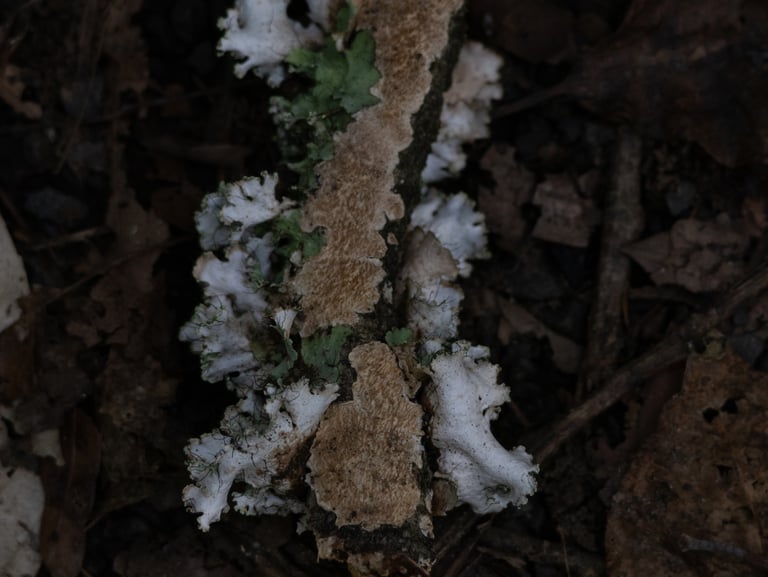
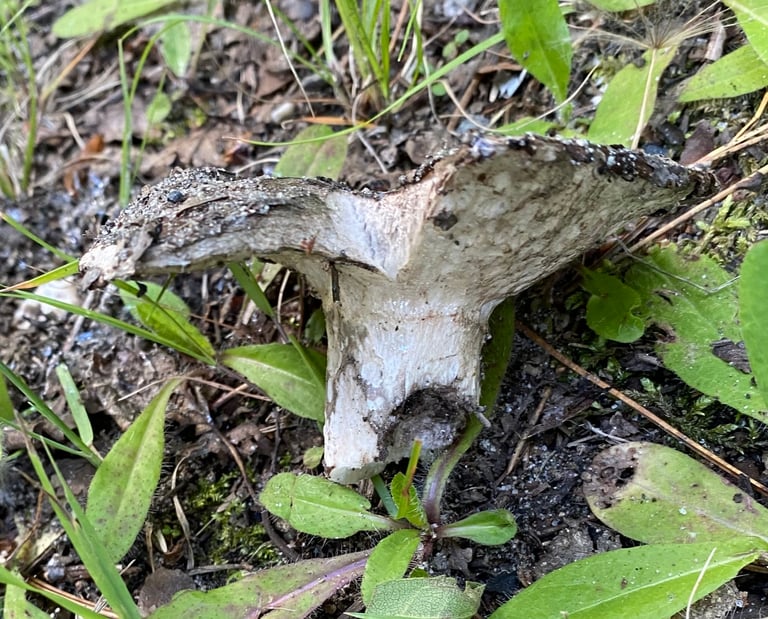
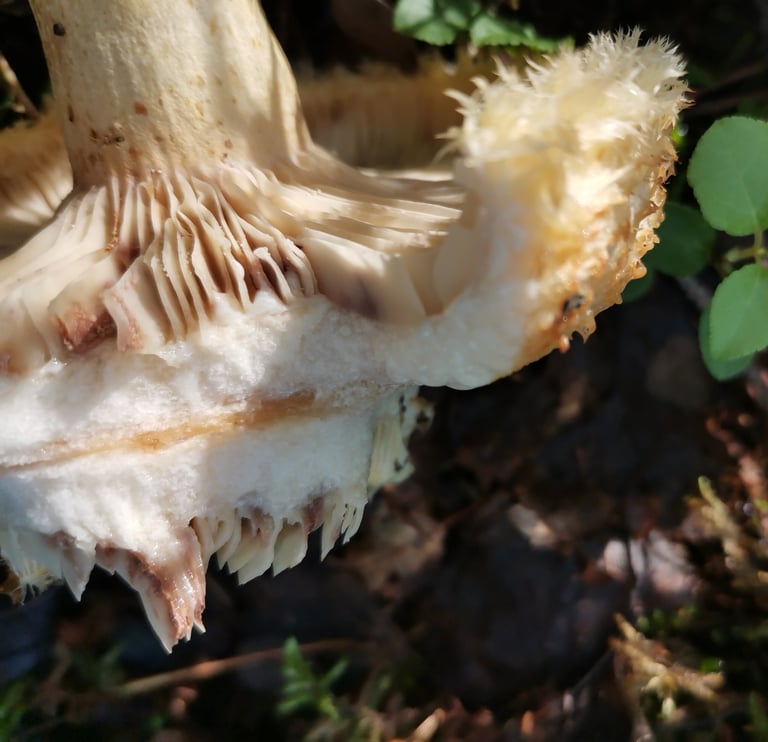
Black knot is a plant pathogen that produces rough, black growths that encircle and kill the infested parts of its host. It affects Prunus trees such as cherry, plum, apricot and chokecherry across North America, and it is the causal agent of the disease that bears its name. The fungus is known by the scientific name Apiosporina morbosa, also called Dibotryon morbosum.
The fungus belongs to the class Dothideomycetes, which makes it a member of the ascomycete fungi. Its galls are the most visible sign of infection on affected trees, and they are the reason the disease matters to orchard and home growers alike.
Distribution and Habitat
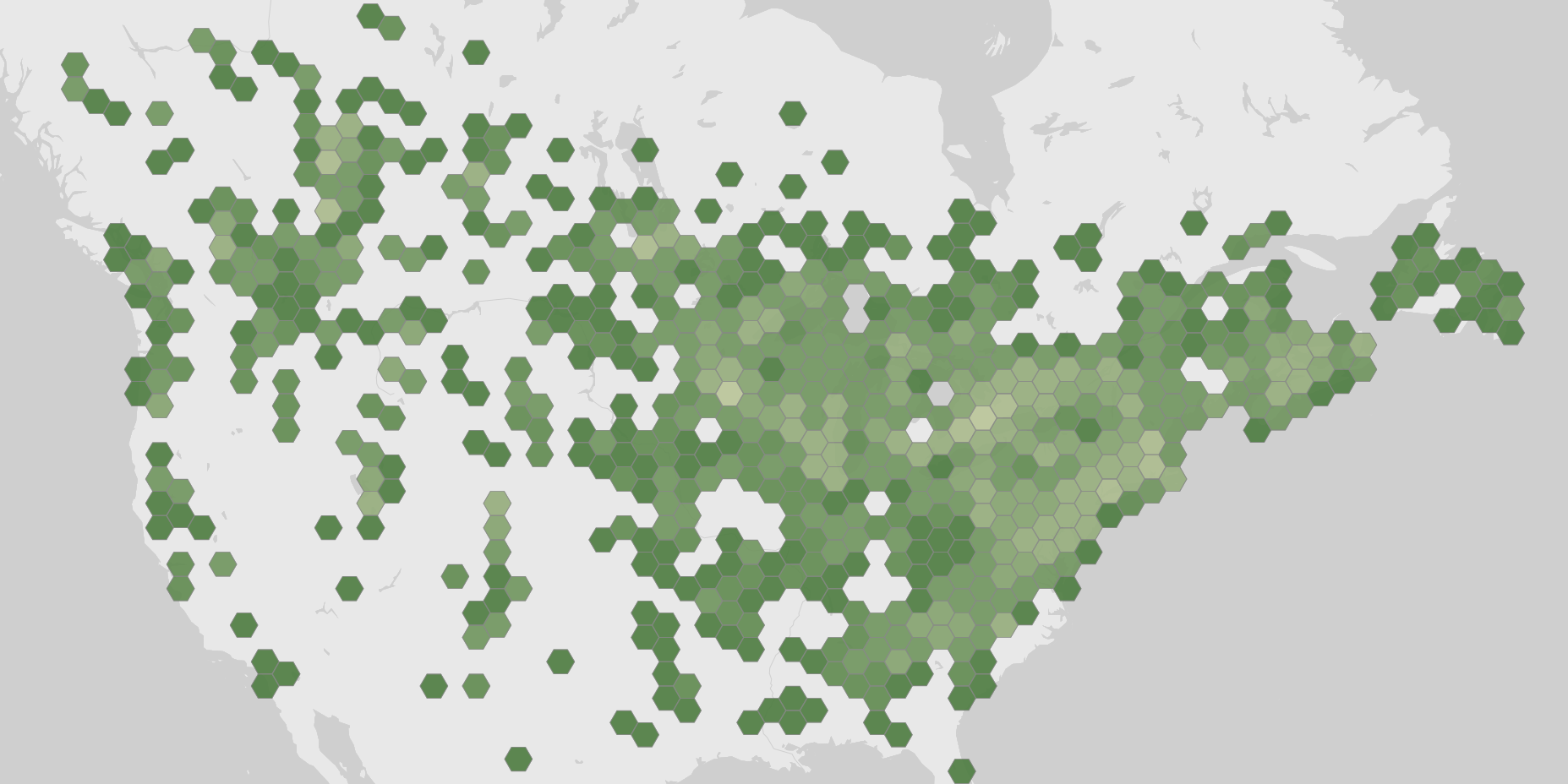
Black knot occurs on Prunus trees in North America, where it attacks cherry, plum, apricot and chokecherry. The galls form on the woody parts of these trees and persist as black, encircling growths.
Records of the fungus show a clear seasonal pattern. Observations peak in April, then decline through the summer and fall to their lowest levels in January and February. This pattern matches the spring period when the fungus releases its spores.
Ecology and Relationships
The fungus forms its fruiting structures, called pseudothecia, embedded in the black stroma on the surface of the gall. In spring, two winters after the initial infection, it produces sexual spores called ascospores. These mature during the early spring of the infection's second season and are forcibly discharged into the air during rain events.
Spores travel only short distances. Wind currents and rain splashing carry them from gall to gall and from tree to tree. The asexual stage, or anamorph, produces abundant olive-green conidia during the summer on the surfaces of one-year-old knots. The conidia have only limited ability to infect, so management strategies focus on ascospore development and infection.
Photos
Photographs from via iNaturalist, licensed under CC0 1.0., by Alex via iNaturalist, licensed under CC BY 4.0., by Evan H via iNaturalist, licensed under CC BY 4.0., by Nico Carl via iNaturalist, licensed under CC BY 4.0., by Cole Wolf via iNaturalist, licensed under CC BY 4.0., by Carolyn Koehn via iNaturalist, licensed under CC BY 4.0., by Norma Malinowski via iNaturalist, licensed under CC BY 4.0., by Daughter Dad via iNaturalist, licensed under CC BY 4.0., by Michael via iNaturalist, licensed under CC BY 4.0., by Eric Schmidt via iNaturalist, licensed under CC BY 4.0., by Carter Ertel via iNaturalist, licensed under CC BY 4.0., by Skgunt via iNaturalist, licensed under CC BY 4.0., by Barry Cottam via iNaturalist, licensed under CC BY 4.0., by Chris Baer via iNaturalist, licensed under CC BY 4.0., and by tylernoonan via iNaturalist, licensed under CC BY 4.0., credited on each photo.
Ecology and classification
Classification
- Phylum
- Ascomycota
- Class
- Dothideomycetes
- Order
- Venturiales
- Family
- Venturiaceae
- Genus
- Apiosporina
- Species
- Apiosporina morbosa
Sources
- GBIF Species names and classification
- iNaturalist Photos
- Wikidata Common names and conservation status
- Wikipedia Summary extract