The bearded milkcap, Lactarius repraesentaneus, stains dull lilac to purple wherever its flesh is injured. The colour change is one of the quickest ways to recognize it in the field.
This fungus belongs to the family Russulaceae and is known by several common names, including the purple-staining bearded milkcap, the northern bearded milkcap and the northern milkcap. It grows in cool, northern forests and is a fungus of higher ground, where spruce and mountain forests are common.
Fruiting Body and Identification
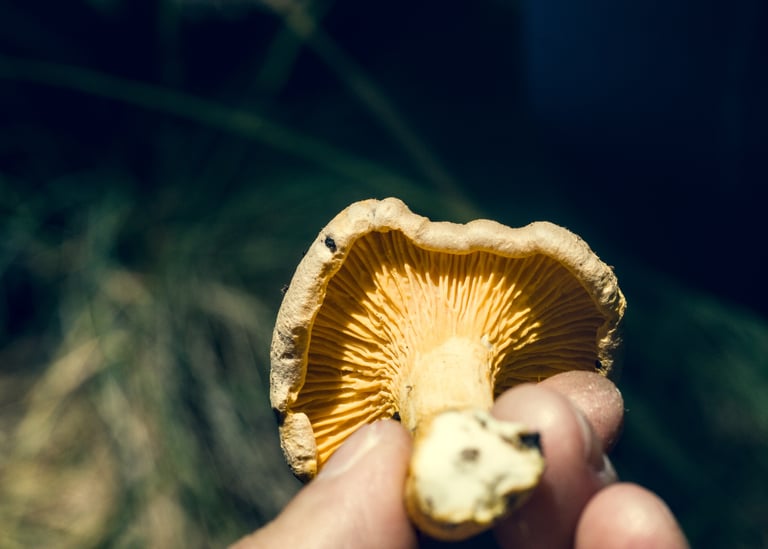
The most reliable identifying feature is the bearded cap margin on young specimens, along with the lilac to purple staining of the flesh and gills when they are bruised or cut.
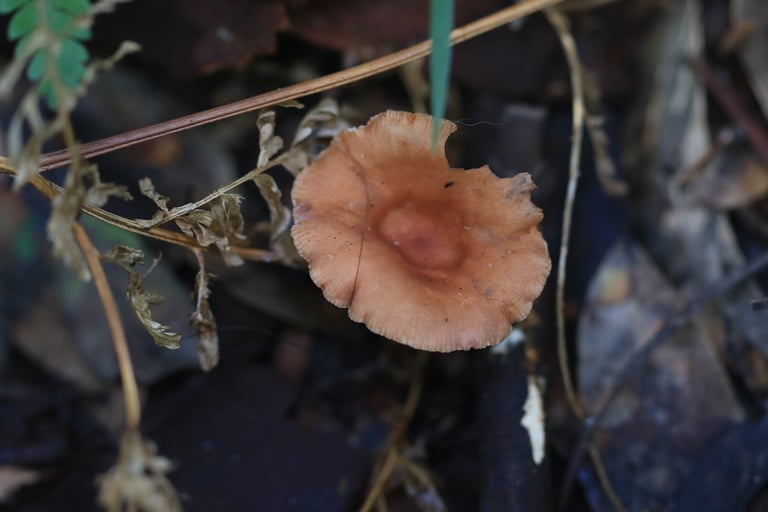
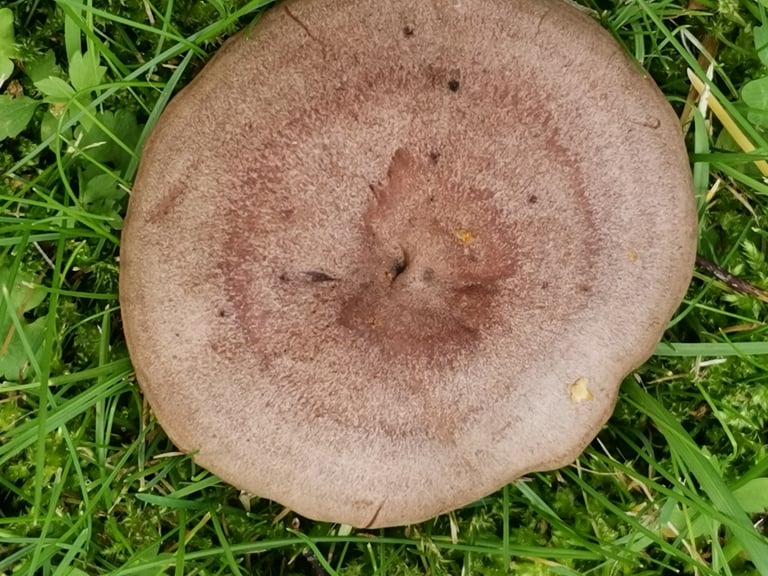
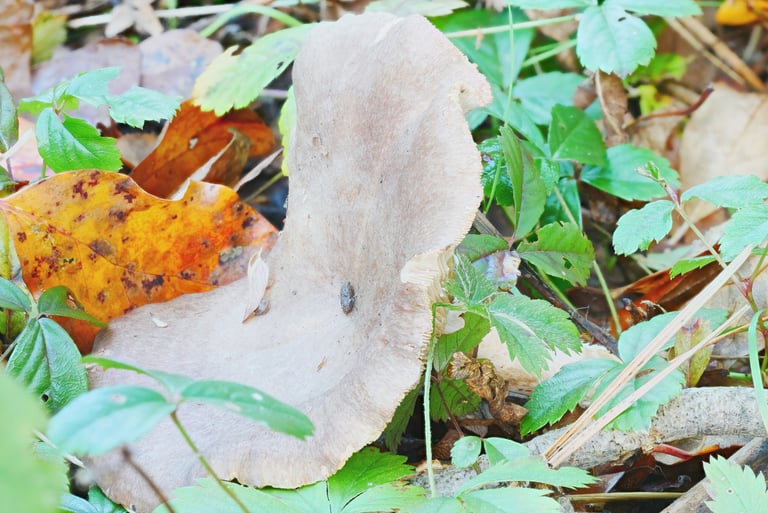
The cap is 6–18 cm (2.4–7.1 in) wide and convex to broadly funnel-shaped. Its surface is dry to somewhat sticky and light yellow to orange-yellow, sometimes with rusty tints on older specimens. The surface is often scurfy with age. The gills are cream to pale ochraceous, moderately broad and close to crowded, and they run slightly down the stem. Some gills are forked near the stem.
The stem is 5–12 cm (2.0–4.7 in) long and 1–3 cm (0.4–1.2 in) thick. It is nearly equal in width or enlarged downward, hollow at maturity and coarsely pitted. The firm, brittle flesh is white and stains dull lilac to purple when cut. The white latex does not change colour and also stains the tissues lilac to purple. The spore print is yellowish.
The odor is sometimes faintly fragrant or not distinctive, but the dried mushroom smells intensely of soap. The taste is mild to slightly acrid or somewhat bitter, and the flavour has been compared to sweet flag (Acorus calamus).
Distribution and Habitat
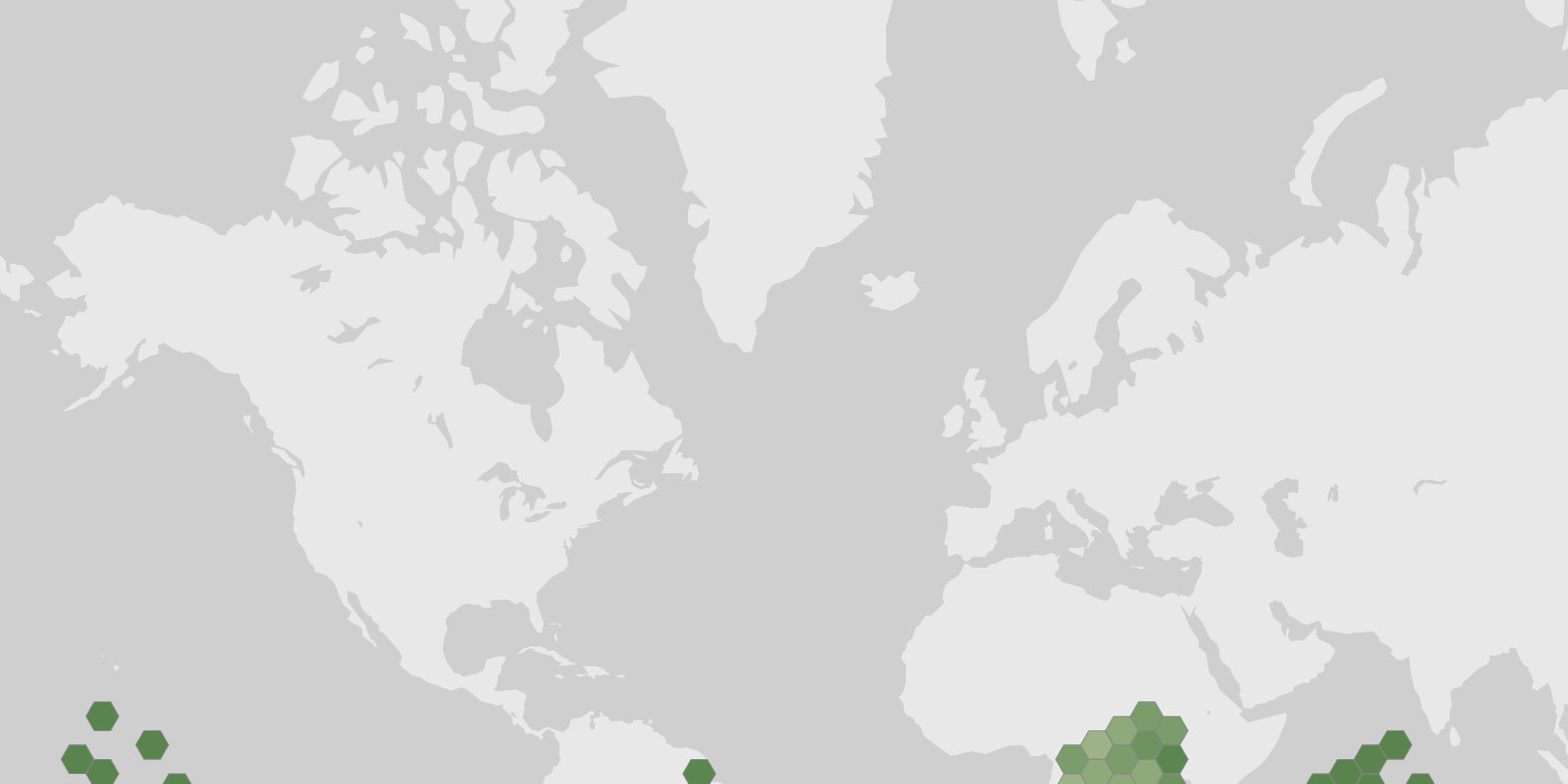
Lactarius repraesentaneus grows scattered or in groups on the ground under spruce. In northern USA and southern Canada it occurs at higher elevations where spruce is present. It has also been reported from Alaska, California and the Rocky Mountains, and its frequency is described as occasional to fairly common.
In Europe it is fairly rare. There it grows mainly under sallows (Salix caprea) in forests at the foot of mountains, on non-calcareous soil. It has been collected in Czechoslovakia, Sweden, Switzerland, the French Alps and England.
The fungus has also been collected under birch (Betula pubescens, B. nana and B. glandulosa) in Greenland. Overall it is widely distributed across the temperate zone of the northern hemisphere.
Records cluster in late summer, with most observations falling in August and September.
Uses and Cultural History
Fruiting bodies of Lactarius repraesentaneus are considered poisonous. Eating them causes stomach aches.
Photos
Photographs from via iNaturalist, licensed under CC0 1.0., by Полина Полежанкина via iNaturalist, licensed under CC BY 4.0., by Bob Walker via iNaturalist, licensed under CC BY 4.0., by Johan Adler via iNaturalist, licensed under CC BY 4.0., by Virn Stothers via iNaturalist, licensed under CC BY 4.0., by Mark Costello via iNaturalist, licensed under CC BY 4.0., by Артём via iNaturalist, licensed under CC BY 4.0., by Casey H. Richart via iNaturalist, licensed under CC BY 4.0., by Yannick Brenz via iNaturalist, licensed under CC BY 4.0., by Ben Gruhot via iNaturalist, licensed under CC BY 4.0., by Abby Hyde via iNaturalist, licensed under CC BY 4.0., by Chris Fluit via iNaturalist, licensed under CC BY 4.0., and by Tatiana Strus via iNaturalist, licensed under CC BY 4.0., credited on each photo.
Ecology and classification
Classification
- Phylum
- Basidiomycota
- Class
- Agaricomycetes
- Order
- Russulales
- Family
- Russulaceae
- Genus
- Lactarius
- Species
- Lactarius repraesentaneus
Sources
- GBIF Species names and classification
- iNaturalist Photos
- Wikidata Common names and conservation status
- Wikipedia Summary extract