The Pap Milkcap, Lactarius mammosus, gets its common name from a distinctive nipple-like bump found on its cap. It belongs to the Russulaceae family, part of the order Russulales within the fungal kingdom.
This species is classified among the milkcaps, a group of fungi known for exuding a milky latex when cut or broken.
Fruiting Body and Identification
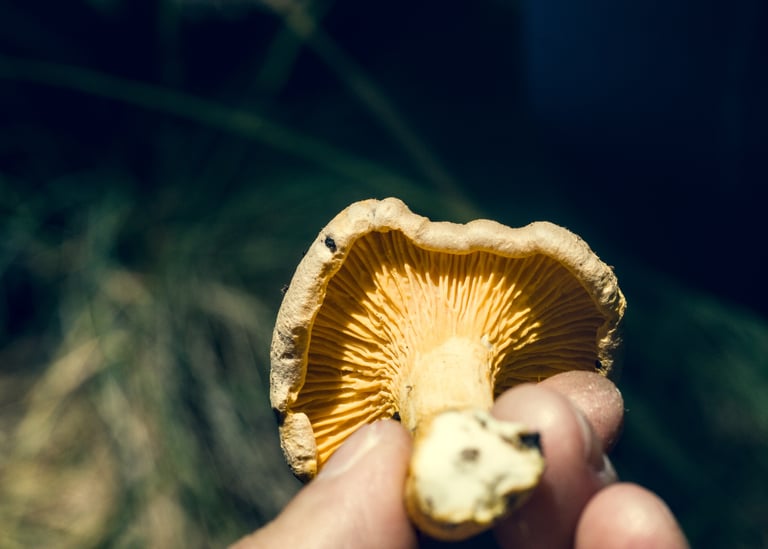
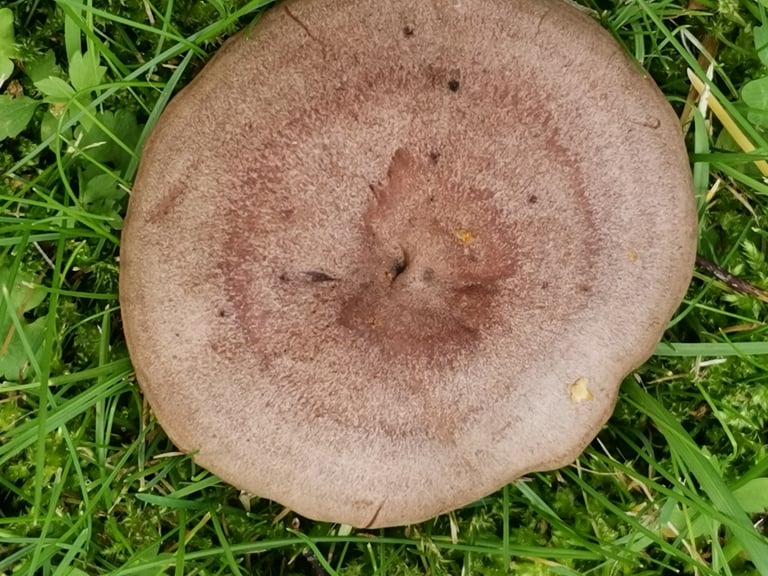
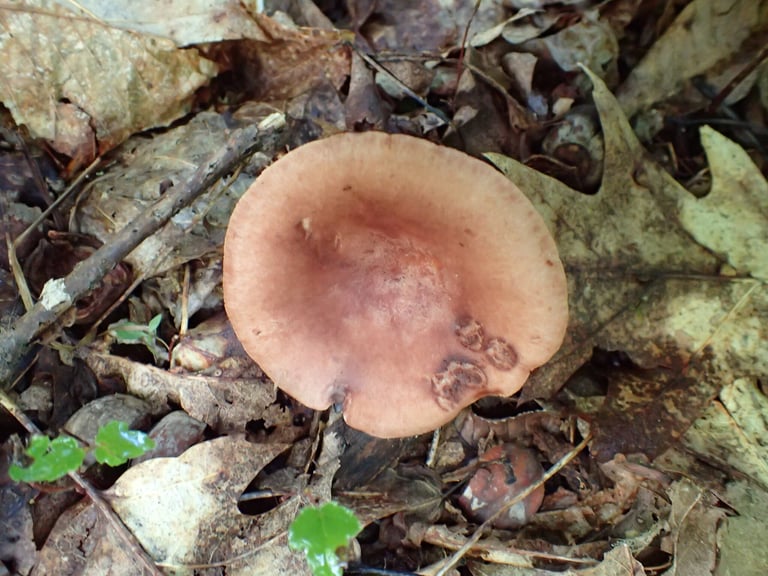
Lactarius mammosus is identified chiefly by the shape of its cap, which bears a distinct central bump, or umbo, resembling a small nipple at its center — a feature reflected in its species name, mammosus.
Beyond this characteristic profile, the fruiting body follows the general form typical of the genus Lactarius: a fleshy cap supported by a central stem, with a gill layer on the underside of the cap where spores are produced.
Distribution and Habitat
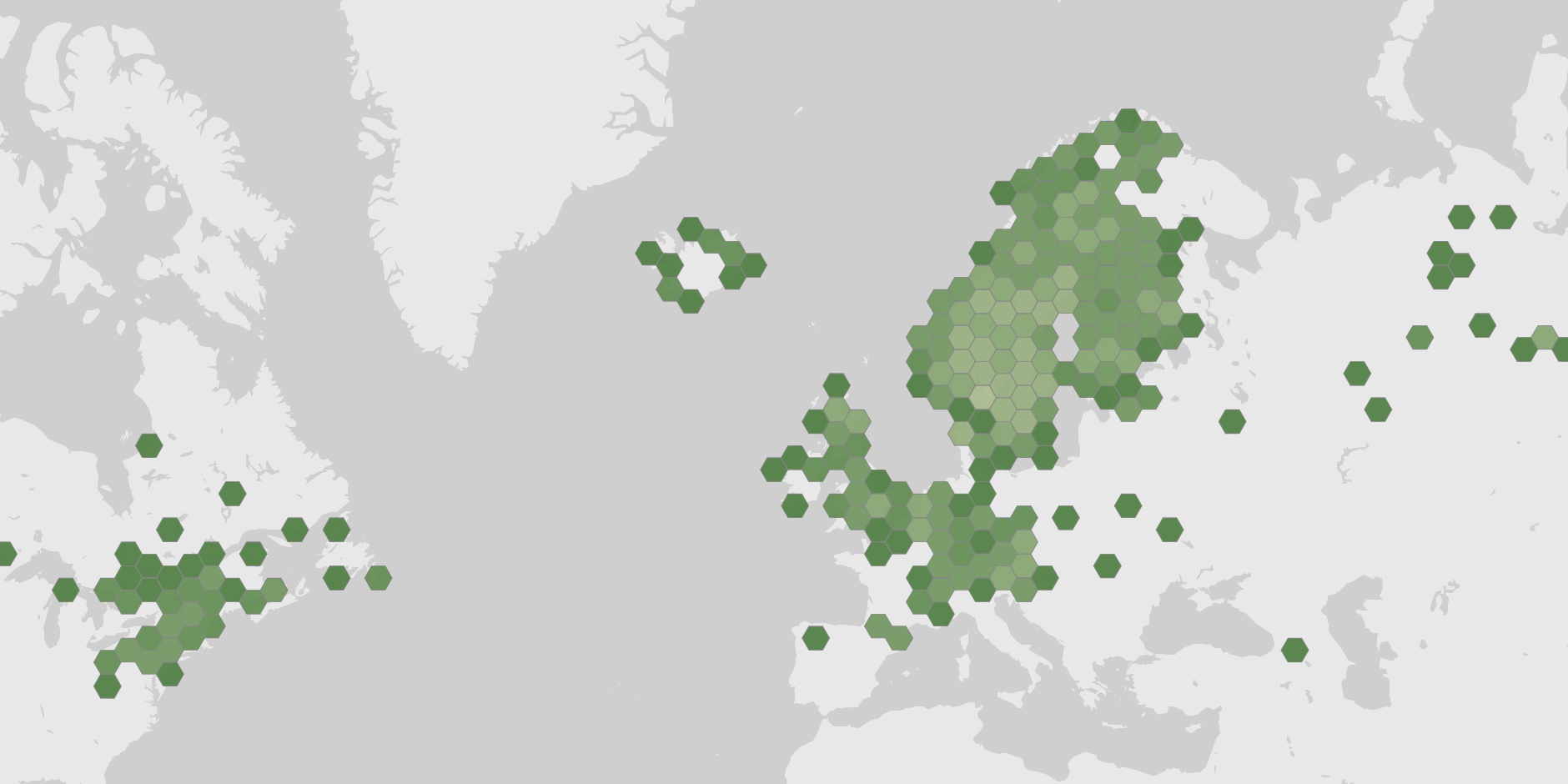
Observation records for Lactarius mammosus show a pronounced seasonal pattern, with counts rising sharply through the summer months and peaking in early autumn before dropping off through the winter. This pattern suggests a fruiting season concentrated in the late summer to early fall period, though these figures reflect presence observations rather than actual abundance or a complete picture of its range.
The species appears in forest settings, consistent with its likely role among milkcap fungi that associate with trees.
Fun Facts
- The species was originally described by the mycologist Elias Magnus Fries in 1836 under the name Agaricus mammosus.
- It has at times been confused with Lactarius glyciosmus in older mycological literature, appearing under that name in works from 1872 and 1915.
Photos
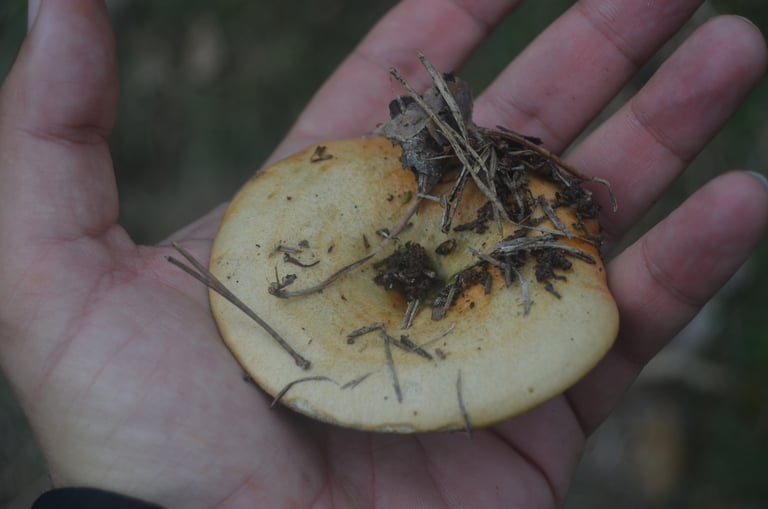
Photographs from via iNaturalist, licensed under CC0 1.0., by maureen_c-m via iNaturalist, licensed under CC BY 4.0., and by Peter Nathaniel Boyer via iNaturalist, licensed under CC BY 4.0., credited on each photo.
Ecology and classification
Habitat
Classification
- Phylum
- Basidiomycota
- Class
- Agaricomycetes
- Order
- Russulales
- Family
- Russulaceae
- Genus
- Lactarius
- Species
- Lactarius mammosus
Sources
- GBIF Species names and classification
- iNaturalist Photos
- Wikidata Common names and conservation status
- Wikipedia Summary extract