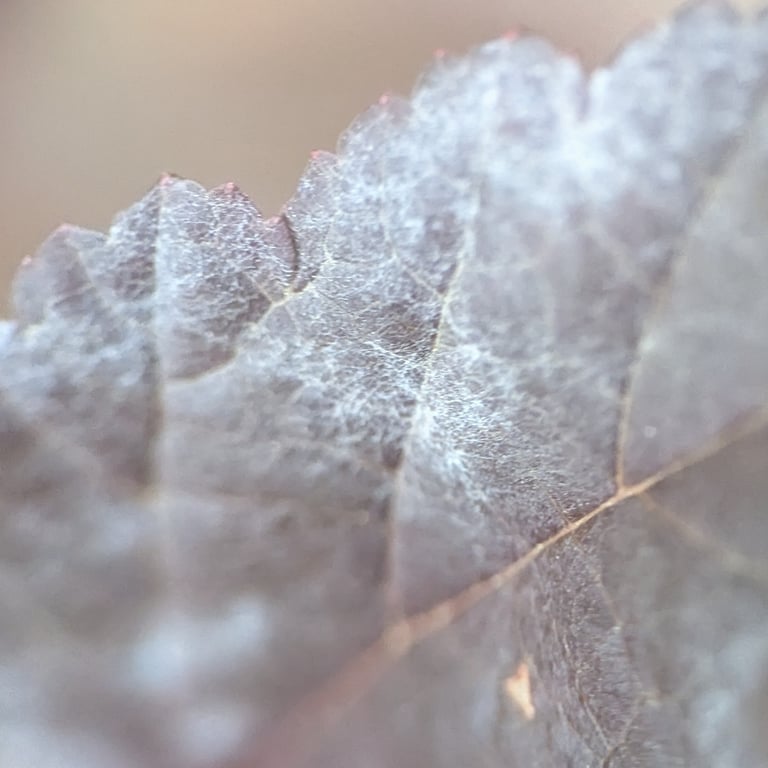
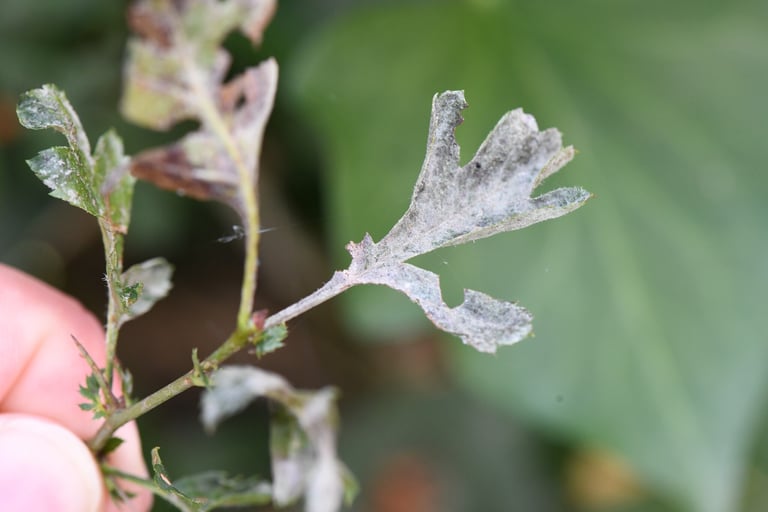
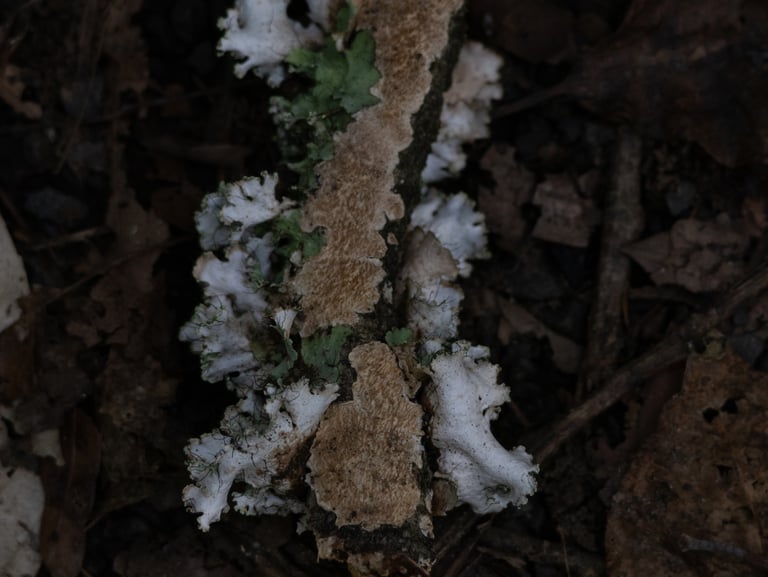
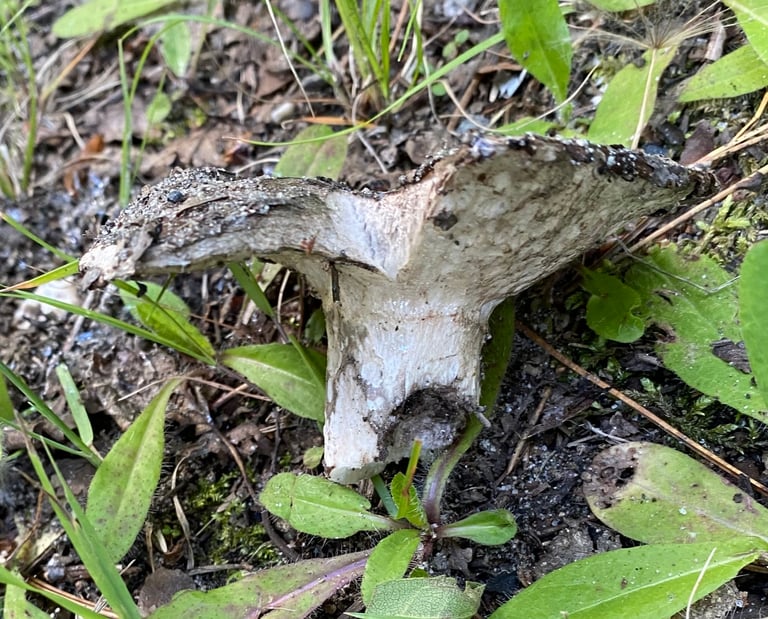
Few fungi do as much damage to crops as Botrytis cinerea. This necrotrophic fungus attacks many plant species, and in vineyards growers call its disease botrytis bunch rot. In horticulture, it is usually known as grey mould or gray mold.
Botrytis cinerea belongs to the genus Botrytis in the family Sclerotiniaceae, within the phylum Ascomycota. Because it kills the plant tissue it feeds on, it is a serious threat wherever its hosts are grown.
Distribution and Habitat
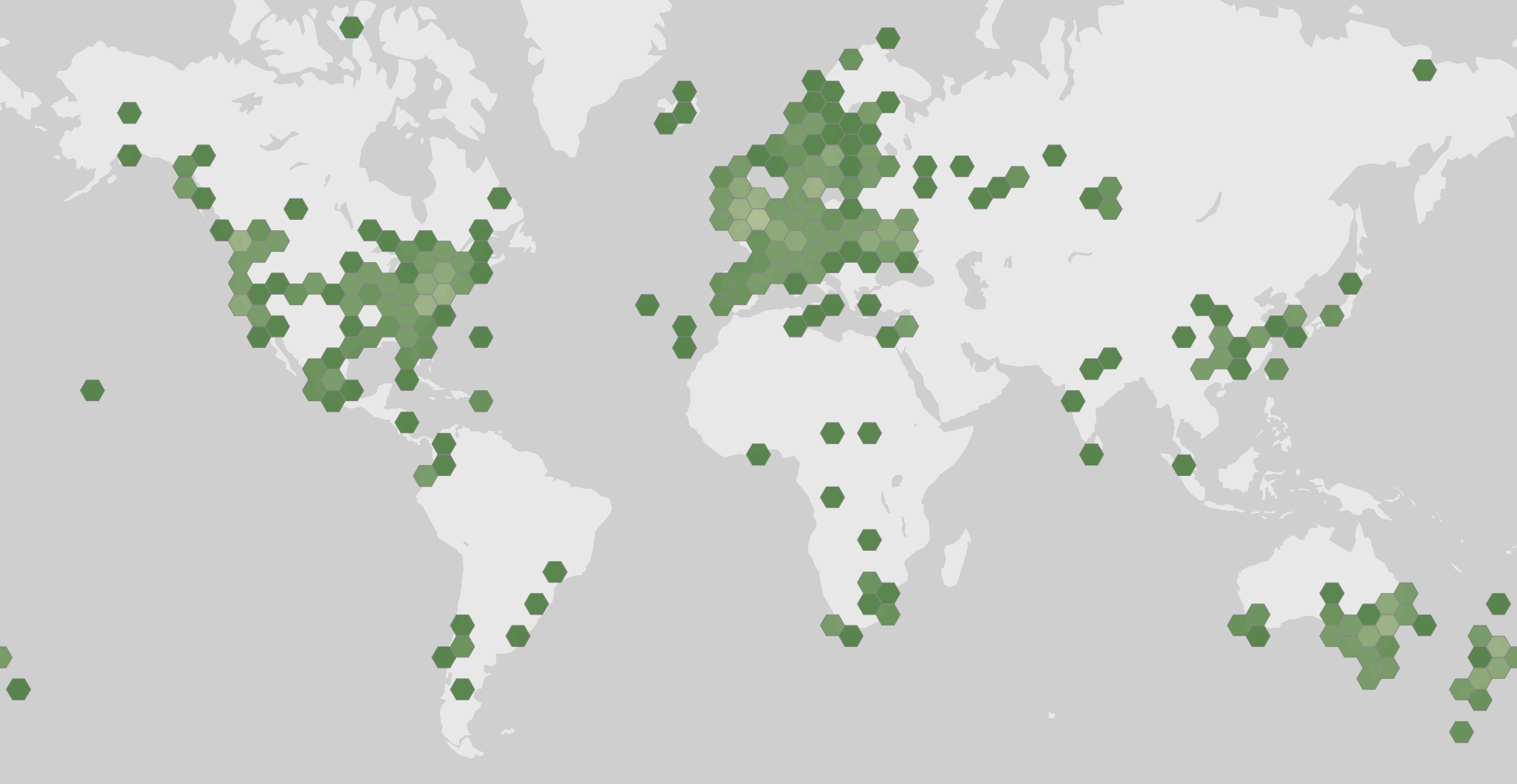
Botrytis cinerea attacks a very wide range of plants, so its presence follows the crops it infects.
Among its hosts are wine grapes, strawberries, bulb crops, tomatoes grown in greenhouses, rhubarb and lettuce (Lactuca sativa). It also infects snowdrops, white meadowfoam, western hemlock, Douglas-fir and cannabis.
The fungus is most often seen from late summer into autumn, with October the highest month, followed by September and August. Sightings are lowest in February and December. This timing reflects when the fungus is most often noticed, not how abundant it is at any time of year.
Uses and Cultural History
In strawberry fields, the fungus makes berries unfit to sell, so affected fruit is discarded. Unlike wine grapes, infected strawberries are not edible. Good ventilation around the berries keeps moisture from being trapped among leaves and fruit, which limits infection.
Several bacteria have been shown in controlled studies to act as natural antagonists to B. cinerea. In greenhouse horticulture, the fungus is well known for causing considerable damage to tomatoes.
Vàsquez et al. (2017) found that UV-C treatment raises phenylalanine ammonia-lyase activity and phenolic production in lettuce, which lowers the crop's susceptibility to the fungus. A potassium bicarbonate-based fungicide may also be used.
Photos
Photographs from via iNaturalist, licensed under CC0 1.0., by Mark Richman via iNaturalist, licensed under CC BY 4.0., by Martin Scheidleder via iNaturalist, licensed under CC BY 4.0., by Tim Johnson via iNaturalist, licensed under CC BY 4.0., by Matt Berger via iNaturalist, licensed under CC BY 4.0., by Bryan Rennick via iNaturalist, licensed under CC BY 4.0., and by Luca Gagliano via iNaturalist, licensed under CC BY 4.0., credited on each photo.
Ecology and classification
Classification
- Phylum
- Ascomycota
- Class
- Leotiomycetes
- Order
- Helotiales
- Family
- Sclerotiniaceae
- Genus
- Botrytis
- Species
- Botrytis cinerea
Sources
- GBIF Species names and classification
- iNaturalist Photos
- Wikidata Common names and conservation status
- Wikipedia Summary extract
- GloBI What it eats, what eats it, parasites and pollinators
- Wardeh et al. 2015 (EID2)