Coccidioides immitis is a pathogenic fungus that lives in the soil of parts of the southwestern United States, northern Mexico and a few other areas of the Western Hemisphere. It belongs to the phylum Ascomycota and the class Eurotiomycetes, within the family Onygenaceae.
The fungus is a dimorphic species, meaning it can take different forms depending on its environment. In the soil it grows as a mold, but inside a host it changes form, which is why it can cause infections that range from subclinical to severe.
Fruiting Body and Identification
In infected tissue, Coccidioides immitis forms characteristic spherules. A Gomori methenamine silver stain can confirm their presence in a tissue sample.
Distribution and Habitat
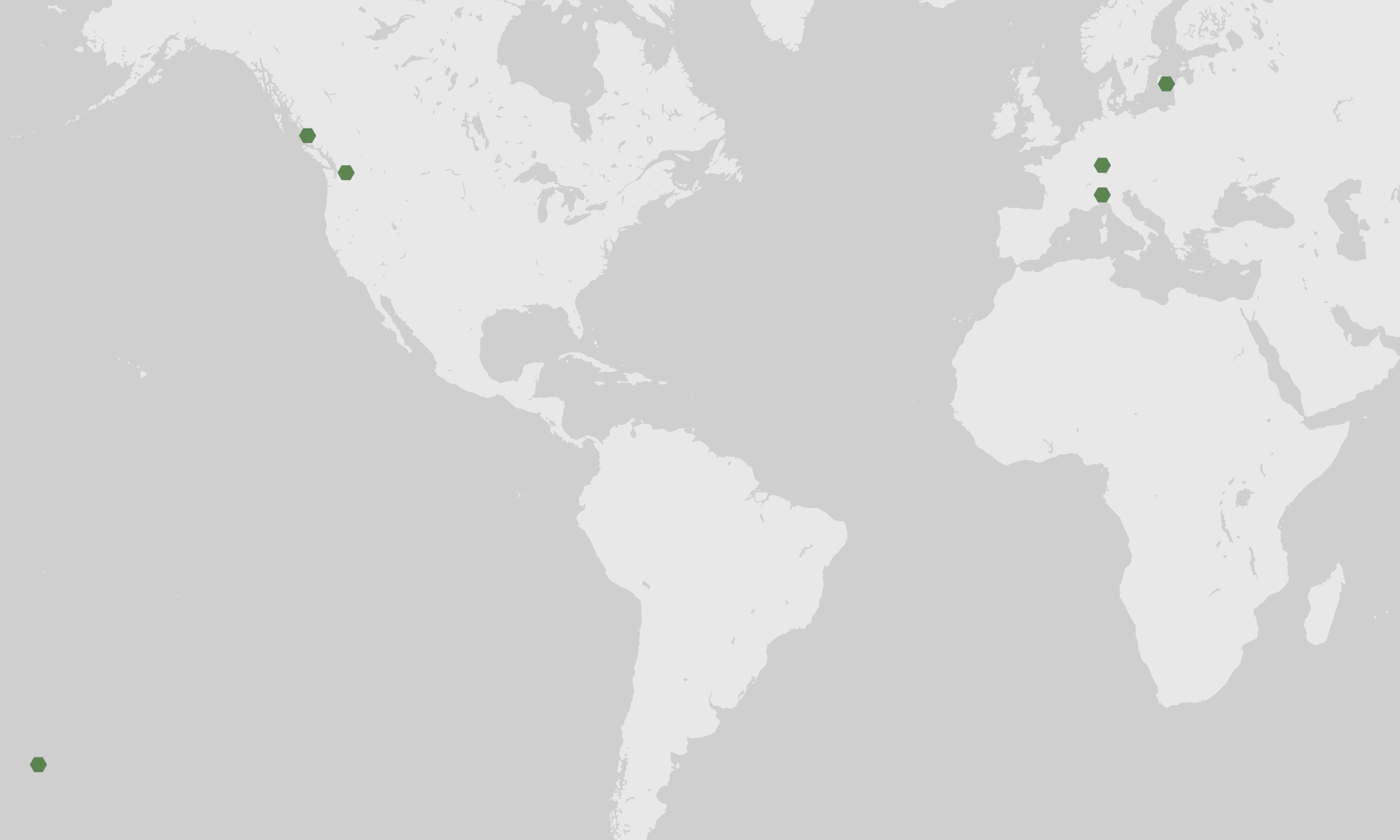
Coccidioides immitis is found in the soil of certain parts of the southwestern United States and northern Mexico. It also occurs in a few other areas of the Western Hemisphere.
The fungus lives in the soil itself rather than on plants or animals, which is why its distribution follows soil conditions in these regions.
Fun Facts
- Culturing Coccidioides immitis from a patient sample can take weeks, and the work requires special laboratory precautions.
- The species is classed as a dimorphic fungus, and its ability to disseminate through the body is what makes some infections fatal.
Ecology and classification
Classification
- Phylum
- Ascomycota
- Class
- Eurotiomycetes
- Order
- Onygenales
- Family
- Onygenaceae
- Genus
- Coccidioides
- Species
- Coccidioides immitis