This fungus is a plant pathogen that causes anthracnose and fruit rot on hundreds of economically important hosts. It is a member of the Ascomycota, in the family Glomerellaceae, and it is a significant problem for growers worldwide.
The species has two names because it has two life stages. The more commonly used name, Colletotrichum gloeosporioides, belongs to the asexual stage. The sexual stage is called Glomerella cingulata. Most accounts refer to the pathogen by its asexual name.
Distribution and Habitat
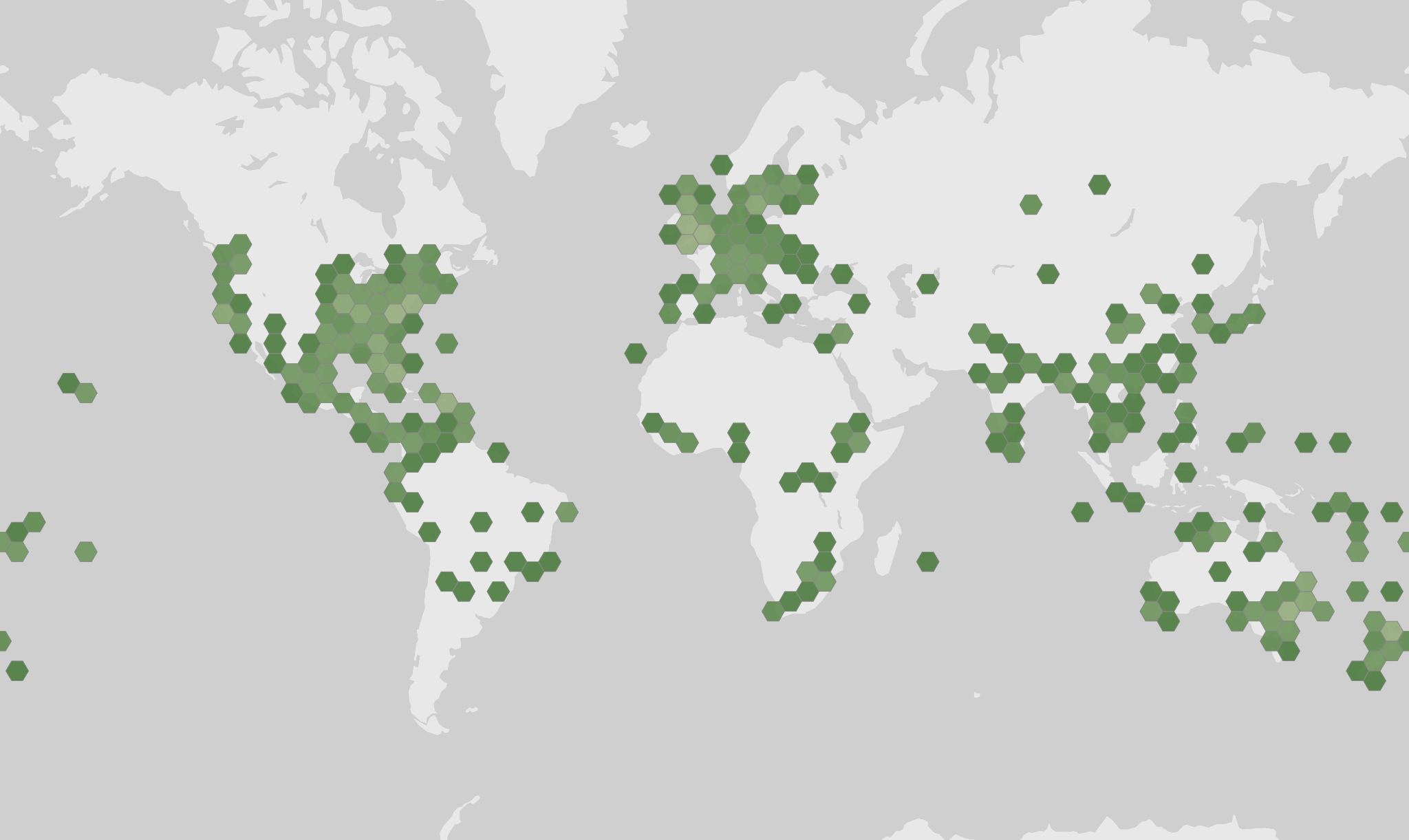
Observations of Colletotrichum gloeosporioides appear in every month of the year. Presence is somewhat higher from late spring through summer, with the most in August and May, and lower in the late fall and winter months.
Ecology and Relationships
Colletotrichum gloeosporioides is a hemibiotroph, so it lives partly as a plant parasite and partly as a decomposer. It prefers living hosts, but when host tissue dies, or when it persists in soil without one, it switches to feeding on dead plant material.
Infection begins when a spore lands on a susceptible host. The fungus forms an appressorium, a specialized structure that pushes a penetration peg through the host's outer cuticle and cell wall. Inside, it produces infection vesicles that drain nutrients from the plant.
Its hosts are mainly crops and fruit trees, including citrus, soybean and mango, along with several other fruit trees and vegetables. Later, when infected fruit or leaf tissue dies, the fungus switches to feeding on that dead tissue.
Photos
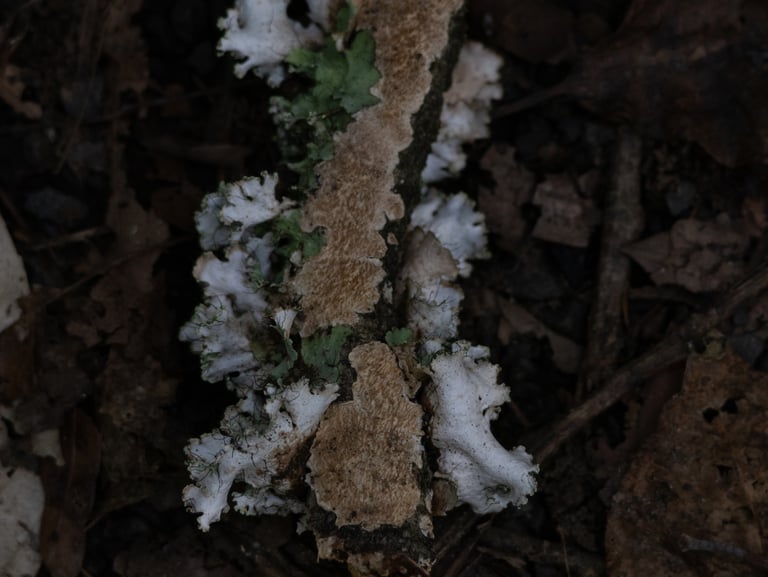
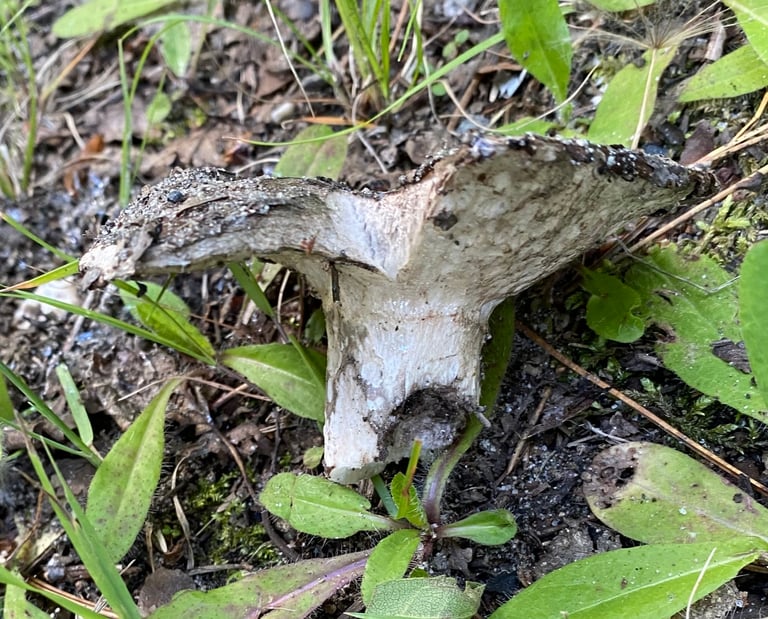
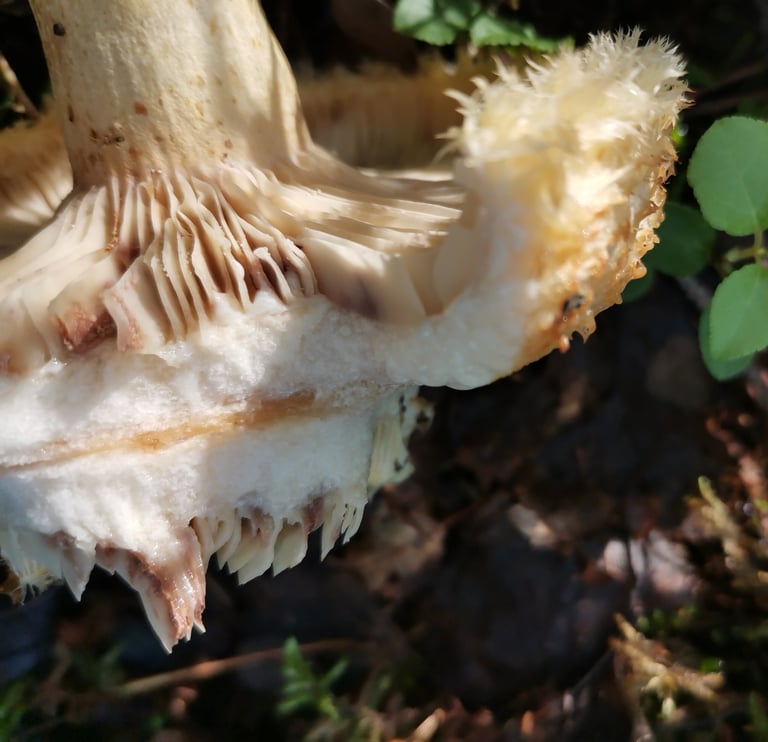
Photographs from via iNaturalist, licensed under CC0 1.0., by Mark Richman via iNaturalist, licensed under CC BY 4.0., by Atsushi Nakajima via iNaturalist, licensed under CC BY 4.0., by Jamie O'Neill via iNaturalist, licensed under CC BY 4.0., and by Julie Travaglini via iNaturalist, licensed under CC BY 4.0., credited on each photo.
Ecology and classification
Classification
- Phylum
- Ascomycota
- Class
- Sordariomycetes
- Order
- Glomerellales
- Family
- Glomerellaceae
- Genus
- Colletotrichum
- Species
- Colletotrichum gloeosporioides
Sources
- GBIF Species names and classification
- iNaturalist Photos
- Wikidata Common names and conservation status
- Wikipedia Summary extract
- GloBI What it eats, what eats it, parasites and pollinators
- Wardeh et al. 2015 (EID2)