Diploschistes scruposus is a pale gray to white, warty crustose lichen with black, urn-shaped fruiting bodies called apothecia. It grows on siliceous rock and is found worldwide.
It belongs to the family Graphidaceae in the class Lecanoromycetes. Its surface is warty to cracked, a pattern called areolate, and it lacks the powdery white coating that separates it from other members of its genus.
Distribution and Habitat
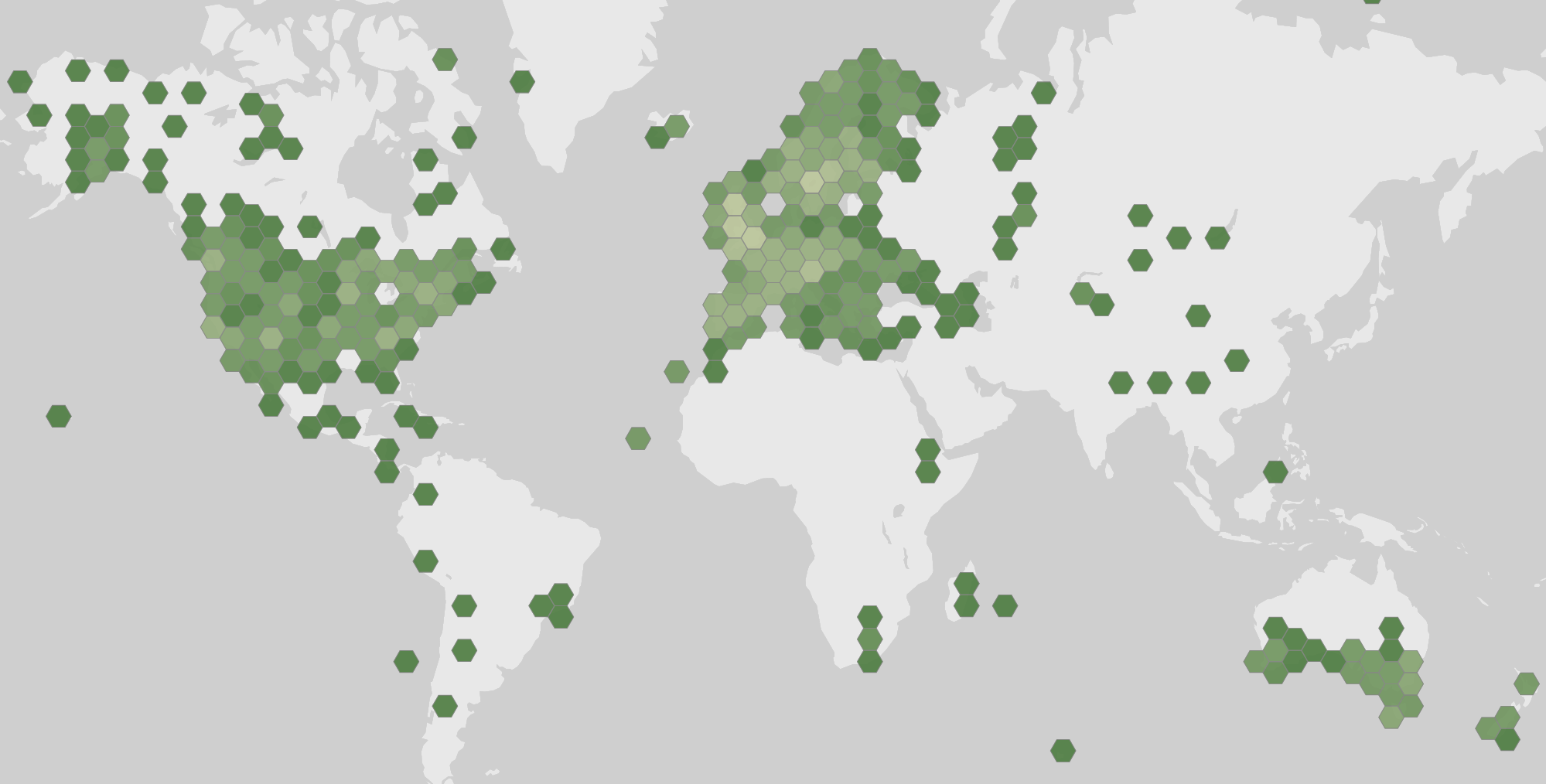
The lichen grows on siliceous rock in open areas across Mediterranean, temperate and polar regions. It occurs from the low tropics up to high altitudes.
It is found worldwide, and in California it is the most common member of its genus.
Observations are most frequent from June to August, peaking in July, and fewest in December. This pattern shows when the lichen is most often seen, not how abundant it is.
Photos
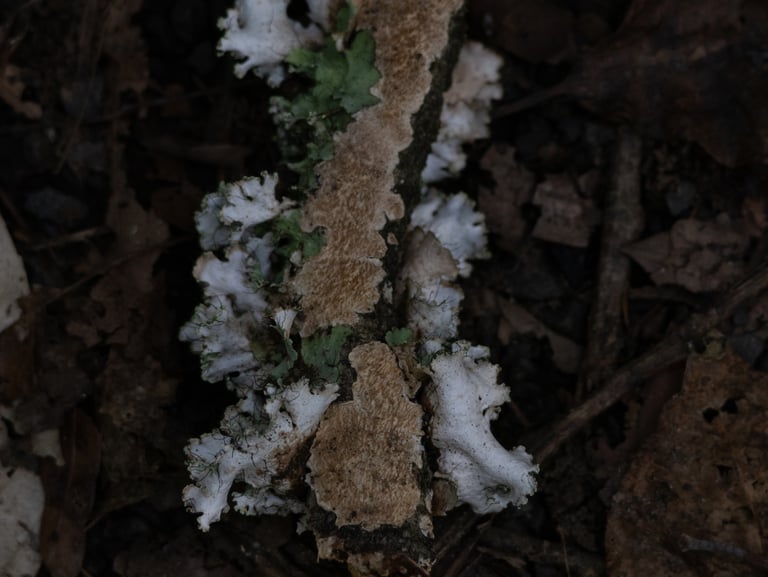
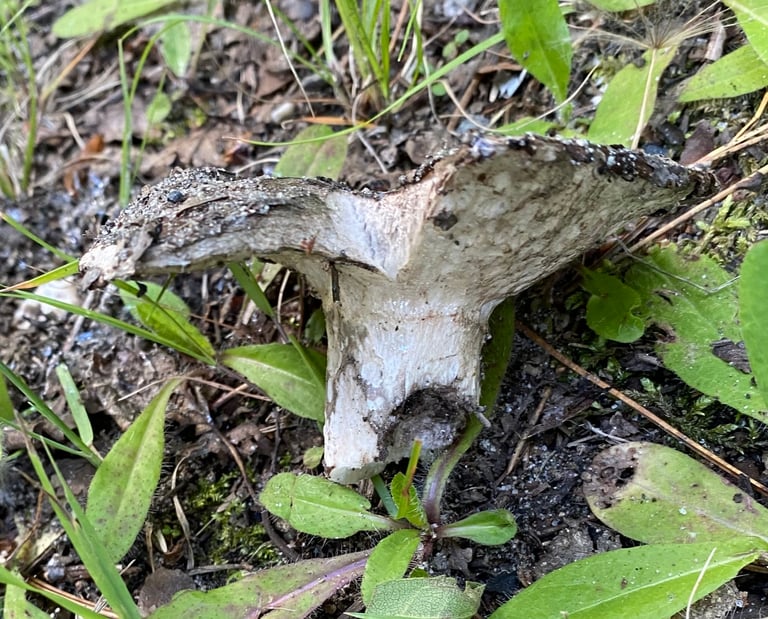
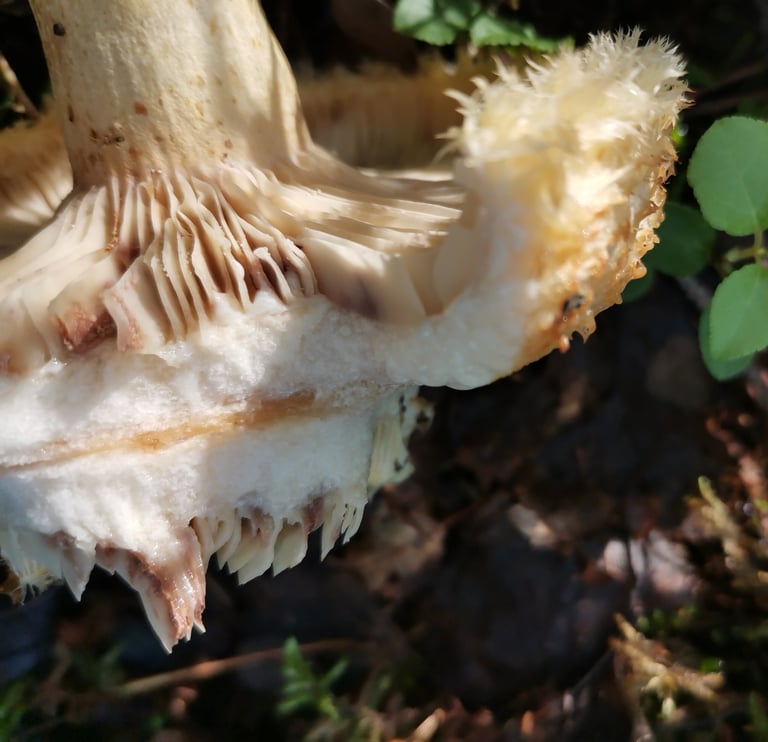
Photographs from via iNaturalist, licensed under CC0 1.0., by Charlie Pavlisich via iNaturalist, licensed under CC BY 4.0., by Michal Honskus via iNaturalist, licensed under CC BY 4.0., by zebedeugalinha via iNaturalist, licensed under CC BY 4.0., by Tanner Barnharst via iNaturalist, licensed under CC BY 4.0., by Matt Berger via iNaturalist, licensed under CC BY 4.0., by FloraJenensis via iNaturalist, licensed under CC BY 4.0., by Bartosz Czołczyński via iNaturalist, licensed under CC BY 4.0., by David Pereira via iNaturalist, licensed under CC BY 4.0., by Barry Stewart via iNaturalist, licensed under CC BY 4.0., and by Alexis Tinker-Tsavalas via iNaturalist, licensed under CC BY 4.0., credited on each photo.
Ecology and classification
Classification
- Phylum
- Ascomycota
- Class
- Lecanoromycetes
- Order
- Ostropales
- Family
- Graphidaceae
- Genus
- Diploschistes
- Species
- Diploschistes scruposus
Sources
- GBIF Species names and classification
- iNaturalist Photos
- Wikidata Common names and conservation status
- Wikipedia Summary extract