Hexarthra brandorffi Koste, 1977 is a microscopic invertebrate belonging to the phylum Rotifera, one of the animal kingdom's smallest and least conspicuous groups. It sits within the class Eurotatoria, the order Flosculariaceae, and the family Hexarthridae, placing it among a lineage of rotifers defined by these shared taxonomic ranks.
As a member of Rotifera, the species belongs to a group of organisms too small to see without magnification, yet ecologically present in freshwater systems around the world. Its formal description by Koste in 1977 marks the point at which it was first distinguished and named within the genus Hexarthra.
Little else about this species has been documented, which makes even the basic facts of its naming and classification worth noting for anyone tracing the diversity hidden within the rotifer family Hexarthridae.
Distribution and Habitat
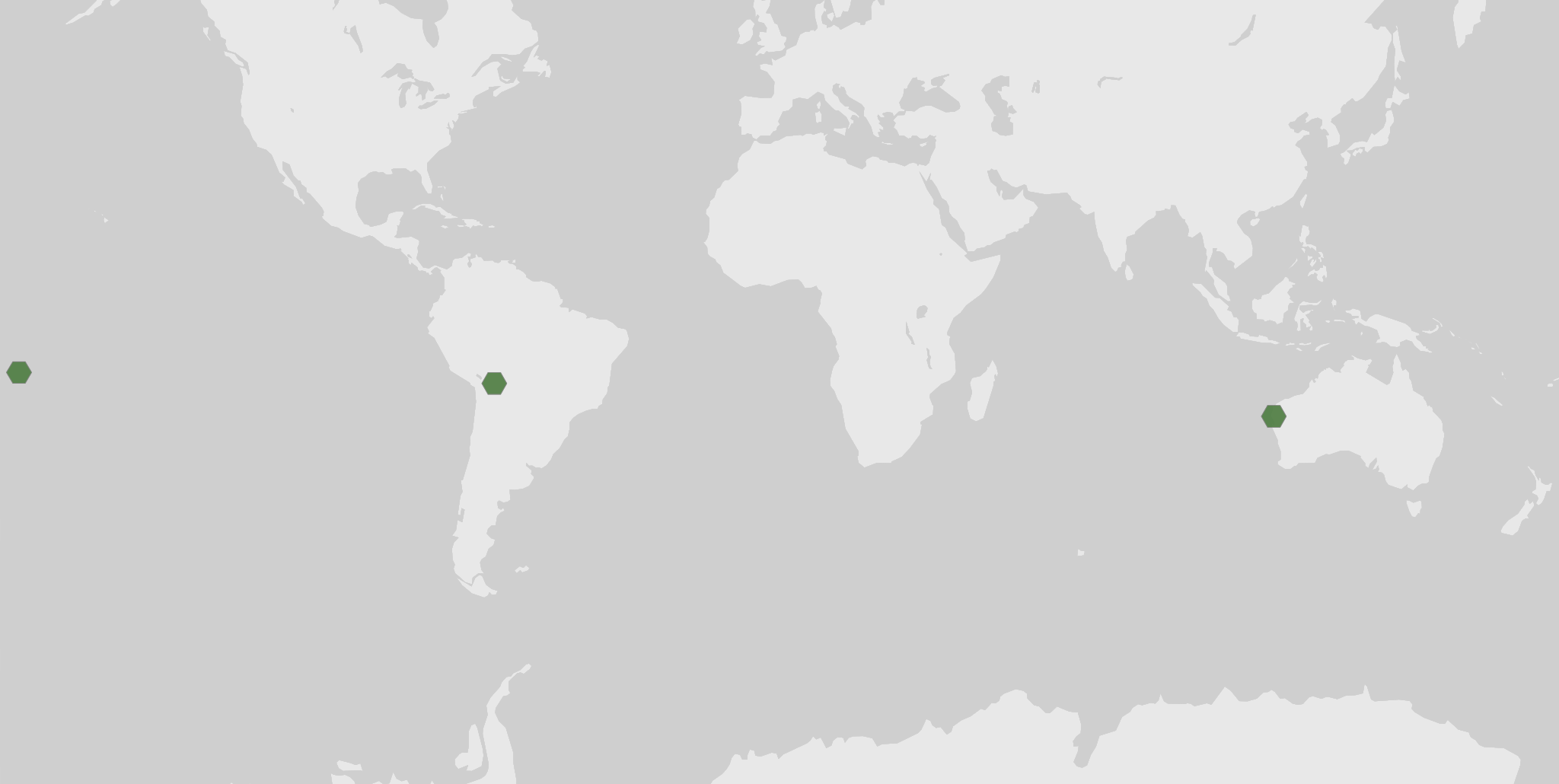
Records of Hexarthra brandorffi are extremely sparse. The only occurrence data available show a single observation, logged in March, with no records in any other month of the year.
Because this amounts to just one data point, it cannot be used to describe a range, a preferred habitat, or a seasonal pattern of activity. GBIF occurrence counts of this kind reflect presence observations only, not abundance, population size, or a complete picture of where the species actually occurs.
Given how little has been documented, the true distribution and habitat requirements of Hexarthra brandorffi remain effectively unknown from the available evidence.
Cultural Significance
No documented cultural significance is known for Hexarthra brandorffi specifically. The available notes reference the Hydra of Lerna, a serpent-like monster from Greek mythology famed for its battle with Hercules, but this legend concerns mythological storytelling rather than the rotifer genus Hexarthra.
The apparent link is a naming coincidence rather than an established cultural connection, and no folklore, art, cuisine, or human use tied to this rotifer species has been recorded.