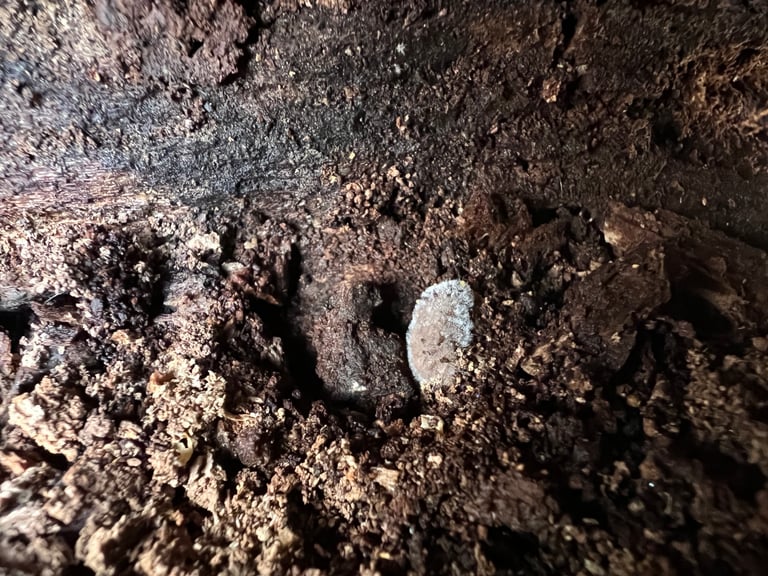
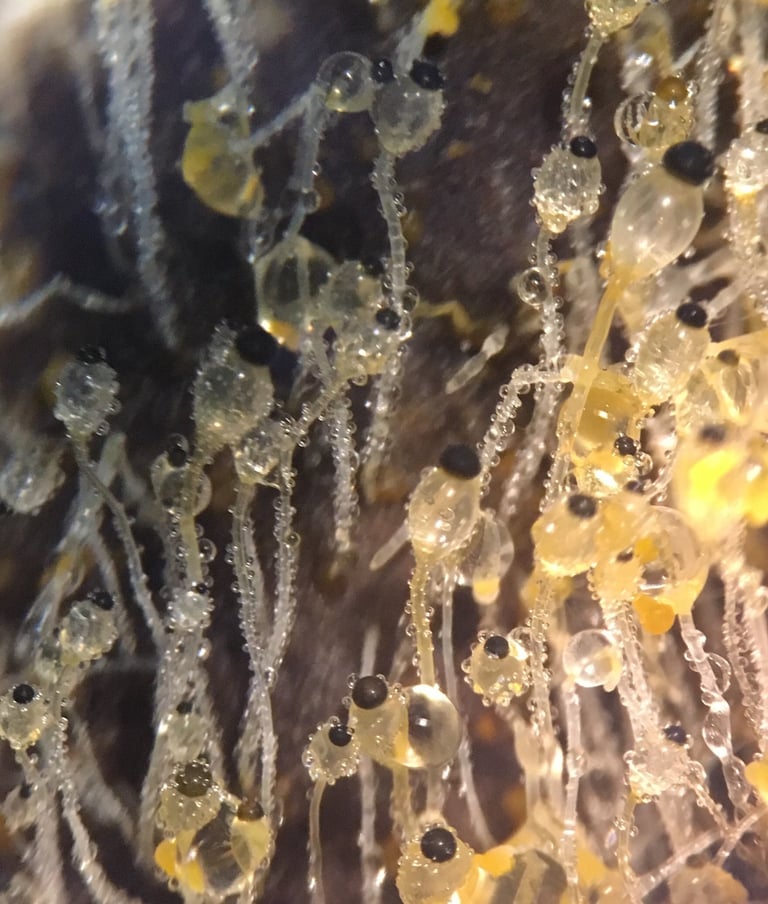
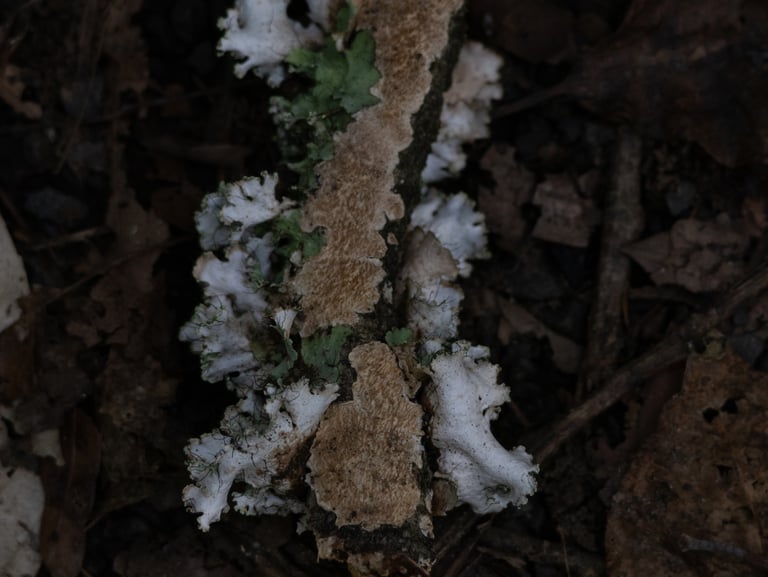
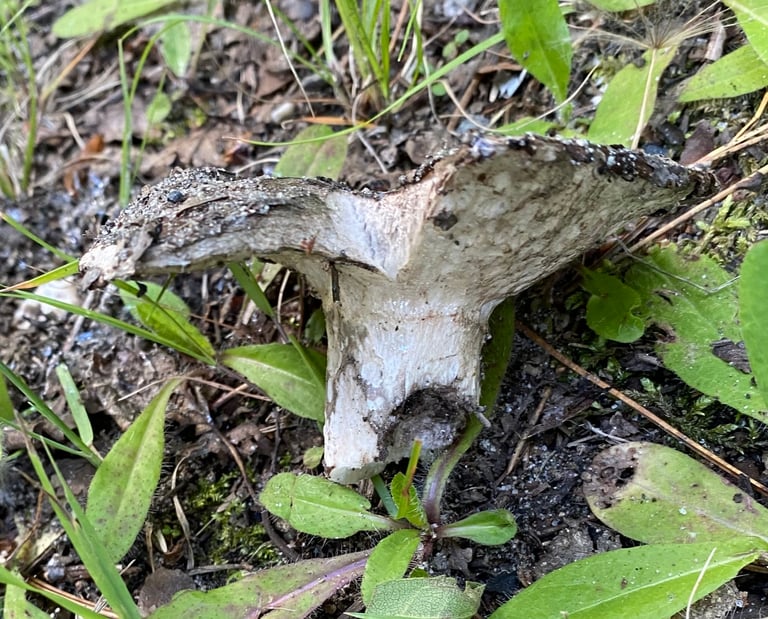
Few fungi are as widespread as Rhizopus stolonifer, and it is often one of the first molds to appear on stale bread.
Known as black bread mold, this species belongs to the Mucoromycota and is considered the most important species in the genus Rhizopus. It has a global distribution, although it is most commonly found in tropical and subtropical regions.
Its success comes from its broad appetite. It decomposes stored foods and helps start the breakdown of many materials, which makes it a familiar presence in kitchens, pantries and warehouses.
Distribution and Habitat
Rhizopus stolonifer has a cosmopolitan distribution. It appears on all types of moldy materials and lives both in the soil and in the air.
The fungus colonizes a wide range of natural substrata. It tolerates large swings in the concentration of essential nutrients and can use carbon and nitrogen in many combined forms.
In the laboratory, it grows well on many media, including those containing ammonium salts or amino compounds. It will not grow on Czapek's agar, because it cannot use nitrogen supplied as nitrate.
Presence records peak in May, the strongest month of the year for the species.

Life Cycle
The species is a saprotroph and plays an important role in the early colonization of substrata in soil. It can also act as a parasite of plant tissues, causing a rot of vegetables and fruits.
It grows rapidly and spreads by means of stolons. These aerial runners carry the mycelium across large areas, and they can climb both vertically and horizontally. Rhizoids anchor the fungus to its substrate, while unbranched aerial sporangiophores rise from it. Sporangiophores can reach 2.5 mm in length and about 20 μm in diameter.
Spore shape depends on the nutrients available, and spores can be ovate, polygonal or angular. Growth is best between 25 and 30 °C, and a temperature of 60 °C kills all cells within ten minutes. The fungus can grow at a pH as low as 2.2 and tolerates a range up to 9.6. Ultraviolet irradiation delays spore germination.
Ecology and Relationships
As a saprotroph, Rhizopus stolonifer breaks down dead organic matter in soil and on stored food. Its early arrival on new substrata helps prepare them for other organisms.
Humans are among its main partners, through the spoilage of stored foods. Sweet potato, Ipomoea batatas, is also one of its main partners, as a plant host attacked by the fungus.
Because it can also parasitize plant tissue, it links the decay of dead material with the rot of living fruits and vegetables.
Photos
Photographs from via iNaturalist, licensed under CC0 1.0., by Andrew Sebastian via iNaturalist, licensed under CC BY 4.0., by zebedeugalinha via iNaturalist, licensed under CC BY 4.0., by Tim Johnson via iNaturalist, licensed under CC BY 4.0., by Mark Richman via iNaturalist, licensed under CC BY 4.0., by unmotivated_frog via iNaturalist, licensed under CC BY 4.0., by allan5519 via iNaturalist, licensed under CC BY 4.0., and by Carter Ertel via iNaturalist, licensed under CC BY 4.0., credited on each photo.
Ecology and classification
Habitat
Classification
- Phylum
- Mucoromycota
- Class
- Mucoromycetes
- Order
- Mucorales
- Family
- Rhizopodaceae
- Genus
- Rhizopus
- Species
- Rhizopus stolonifer
Sources
- GBIF Species names and classification
- iNaturalist Photos
- Wikidata Common names and conservation status
- Wikipedia Summary extract
- GloBI What it eats, what eats it, parasites and pollinators
- Wardeh et al. 2015 (EID2)