Saccharomyces pastorianus carries a genome that is not the product of ordinary evolution but of hybridization between two separate species within the Saccharomyces complex. That mixed ancestry has made the yeast notoriously difficult to classify, a puzzle that persisted long after German mycologist Max Reess first described and named it in 1870, in honor of Louis Pasteur.
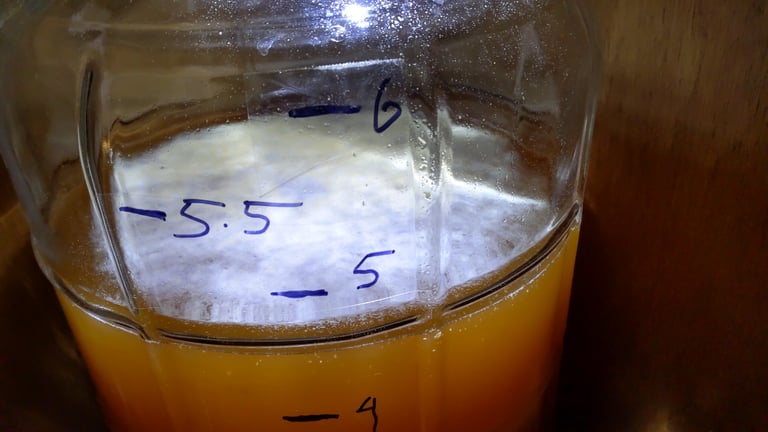
This single-celled fungus belongs to the class Saccharomycetes, order Saccharomycetales, and family Saccharomycetaceae. It is not found fruiting in forests or fields like a mushroom; instead, its significance lies almost entirely in industry, where it serves as the essential agent in producing lager beer.
What makes this organism worth understanding is precisely that hybrid identity: a domesticated microbe whose genetic complexity mirrors the complicated brewing history that shaped it.
Fruiting Body and Identification
The most defining feature of Saccharomyces pastorianus is not a visible physical structure but its genome: the yeast is a hybrid, formed from the union of two separate pure species within the Saccharomyces species complex. This genetic mixing is the primary trait used to identify and distinguish it, rather than any macroscopic form typical of larger fungi.
That hybrid ancestry is also the reason the species has long resisted straightforward taxonomic description. Its complicated genetic makeup blurs the boundaries that would otherwise separate it cleanly from its parent species, making genome-level analysis, rather than visual inspection, central to confirming its identity.
Distribution and Habitat
Records of Saccharomyces pastorianus show observations spread unevenly across the year, with counts of 10 in January, 11 in February, and 10 in April, tapering to lows of 2 in May and 3 in both November and December. Intermediate peaks appear again in June (9) and October (9).
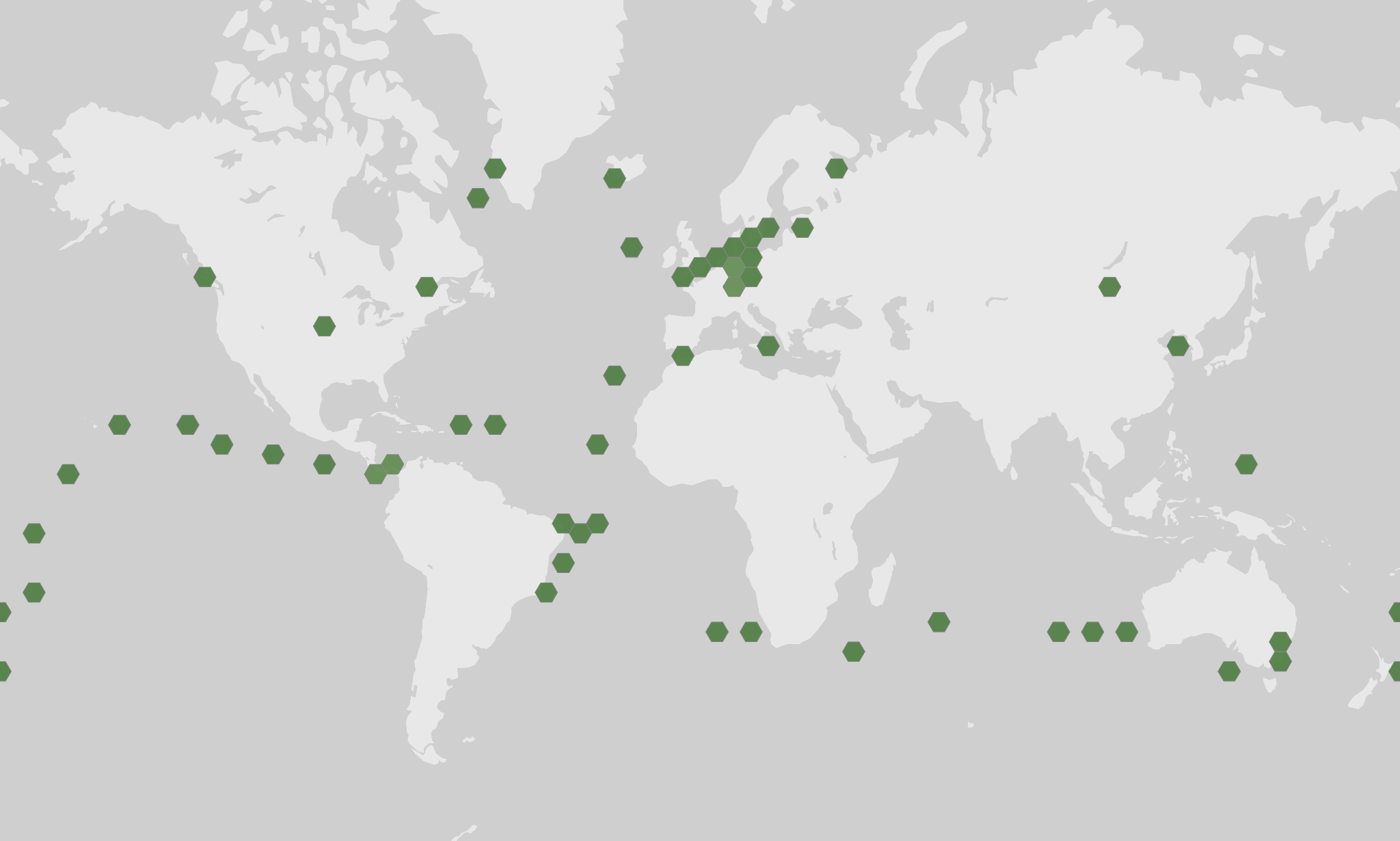
These figures come from GBIF occurrence data, which reflect presence observations rather than true abundance or a complete picture of the species' range. Because S. pastorianus is primarily an industrial organism tied to lager production, the pattern likely reflects when and where sampling or reporting occurred rather than a natural seasonal cycle in the wild.
Given this caveat, the modest peaks in late winter and early spring should be read cautiously, as an indication of recorded presence during those months rather than evidence of population size or a defined native habitat.
Fun Facts
- The species carries synonyms including Saccharomyces carlsbergensis and Saccharomyces monacensis; type strains of both are now stored in yeast banks under the name S. pastorianus.
- Bottom-fermenting brewing yeasts were already being described as early as the 14th century in Nuremberg, forming a lasting part of Franconian and Bavarian brewing culture in southern Germany.
- The hopped lager style likely emerged after changes in brewing practice, including single-storey houses with stonewalled ovens, greater use of hops and barley, and the separation of boiling and mashing steps, conditions that favored mixed yeast cultures containing cold-tolerant Saccharomyces species before modern S. pastorianus strains existed.
- S. pastorianus belongs to the Saccharomyces sensu stricto complex alongside S. cerevisiae, used for ale, wine, and sake, and S. bayanus, used in wine and cider production, plus six further recognized species.