
Eurotatoria · Flosculariaceae
Filinia Limnetica
Filinia limnetica

Scientific Classification & Quick Facts
Classification
Known For
Full profile in progress — check back soon.
Filinia limnetica is a microscopic rotifer that inhabits freshwater environments across at least 15 countries worldwide. Like all rotifers, this animal is nearly invisible to the naked eye, yet it plays a vital ecological role in aquatic food webs and nutrient cycling. Despite its tiny size and global presence, little public attention has been devoted to understanding the biology and distribution of this species.
The species belongs to the family Trochosphaeridae within the phylum Rotifera, a group of aquatic invertebrates renowned for their transparent bodies and rotating crown of cilia. Filinia limnetica exemplifies the hidden diversity of freshwater microfauna—organisms so small they elude casual observation, yet so abundant and widespread that they fundamentally shape the structure and function of aquatic ecosystems. Understanding even minor rotifer species contributes essential knowledge to limnology and global freshwater biodiversity assessment.
Identification and Appearance
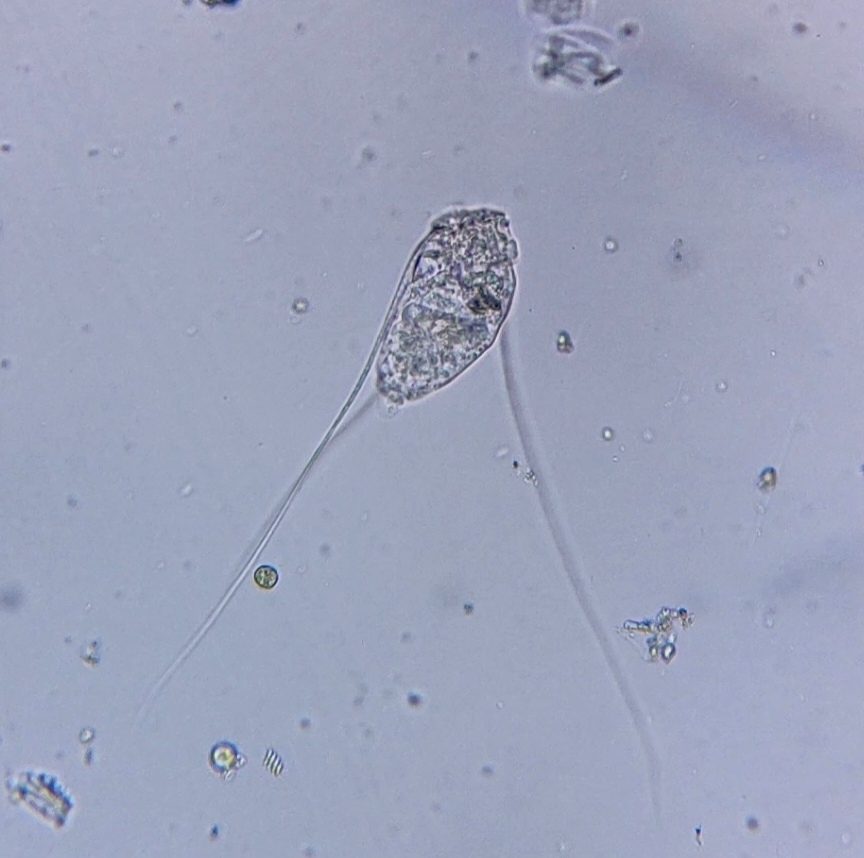
Filinia limnetica is a microscopic rotifer belonging to the family Filiniidae, characterized by its diminutive size and specialized morphology adapted for life in freshwater systems. As a member of the rotifers—a group of aquatic invertebrates sometimes called “wheel animals”—this species is too small to be observed with the naked eye and requires microscopic examination for proper identification.
Size and morphology
The precise body dimensions of Filinia limnetica have not been standardized in readily available sources, making direct measurement comparisons challenging for field identification. However, like other members of the genus Filinia, this species exhibits the characteristic rotifer body plan: a transparent or translucent body composed of a corona (the anterior wheel-like feeding apparatus), a trunk, and a foot region. The corona contains cilia arranged in distinct patterns that generate water currents for feeding and locomotion.
Distinctive features
Identification of Filinia limnetica at the species level requires microscopic observation of specific anatomical structures, particularly the arrangement of spines, the morphology of the foot and toes, and details of the corona pattern. The species has been recorded at elevations around 775 metres in freshwater environments. Like other filiniid rotifers, Filinia limnetica lacks the pronounced dorsal spines present in some congeners, and the body outline is typically elongated and somewhat fusiform. Sexual dimorphism, if present, is minute and observable only under high magnification, as is typical for rotifer species.
Distribution and Habitat
Filinia limnetica is found across multiple continents, with records concentrated in Europe and Africa. Estonia leads in observation frequency with 39 records, followed by Italy with 17. Kenya and Sudan each contribute 10 records, while Mali adds 8. Additional presence has been documented in Ukraine, Senegal, Algeria, Nigeria, and Egypt, with the species recorded in a total of 15 countries worldwide. This distribution pattern reflects both its ecological tolerance and the geographic scope of sampling effort.
The species occurs at an elevation of 775 metres, a consistent measurement across recorded localities. This rotifera inhabits freshwater environments, occupying a narrow ecological niche typical of limnetic (open-water) zooplankton communities.
Seasonal presence shows pronounced variation throughout the year. Population abundance peaks sharply in September with 14 records, reflecting optimal conditions during late summer. Secondary peaks occur in June and July, each with 9 observations, indicating sustained activity during the warmer months. May and August show moderate representation with 4 and 6 records respectively. From October through April, presence is minimal or absent, suggesting either migration, dormancy, or population decline during cooler seasons. This pronounced seasonality aligns with typical rotifer life cycles, where reproduction and population growth accelerate in response to temperature increases and food availability during spring and summer.
Biology and Behavior
Behavior
Filinia limnetica is a planktonic rotifer that inhabits freshwater environments, where it drifts passively within the water column. As a microscopic organism, its behavior is driven primarily by chemical gradients, light cues, and water currents rather than deliberate locomotion. The species exhibits diel vertical migration patterns, moving between different water depths in response to light intensity changes throughout the day—a strategy shared with many other zooplankton that helps avoid visual predators during daylight hours and access food resources.
This rotifer is solitary by nature, with no complex social structures. It spends most of its time feeding and reproducing within the water column, relying on its ciliated corona (a crown-like structure of cilia) to generate feeding currents. Movement is limited to passive drift and gentle swimming powered by its rotatory cilia, making it an entirely inconspicuous component of the pelagic food web.
Diet
Filinia limnetica is omnivorous, feeding on a diverse array of small particles suspended in freshwater. Its primary diet consists of algae, bacteria, and organic detritus. The rotifer’s ciliated feeding apparatus draws water and suspended particles toward its mouth, allowing it to filter-feed on phytoplankton and bacterioplankton efficiently. This feeding strategy makes it a key grazer in temperate lake ecosystems, helping regulate phytoplankton populations and contributing to nutrient cycling.
Depending on seasonal availability and local conditions, the species may shift its feeding preferences between different algal species and bacterial communities. Its role as a primary consumer connects primary producers to higher trophic levels through fish larvae and other small predators that consume rotifers.
Reproduction
Filinia limnetica reproduces through a combination of asexual and sexual reproduction, a reproductive strategy common among rotifers. During favorable environmental conditions—typically spring and early summer in temperate regions—the species reproduces asexually by parthenogenesis, producing clones through mitosis. Females can generate several offspring per day under optimal food and temperature conditions, allowing rapid population growth when resources are abundant.
When environmental stress increases (declining food quality, dropping temperatures, or rising population density), the species shifts to sexual reproduction. Males appear seasonally, and females produce fertilized resting eggs (diapausing embryos) that are highly resistant to desiccation, freezing, and starvation. These dormant eggs allow populations to survive unfavorable winter conditions and can remain viable in lake sediments for years, enabling recolonization when conditions improve. Generation time is typically measured in days under warm, food-rich conditions, supporting the species’ role as a rapid-response grazer in seasonal plankton dynamics.
Conservation and Threats
Filinia limnetica has not been formally assessed by the IUCN Red List, so its official conservation status remains unknown. This microscopic rotifer inhabits freshwater environments and is distributed widely across temperate and subtropical regions, but the lack of a formal assessment reflects the general scarcity of conservation attention devoted to most rotifer species. Population trends and current population size are not documented in available sources, making it difficult to determine whether the species faces immediate conservation concerns.
Rotifers like Filinia limnetica are vulnerable to environmental changes that degrade freshwater habitats. Water pollution, nutrient runoff, habitat loss from agricultural expansion and urban development, and alterations to aquatic ecosystems all threaten microscopic fauna indirectly. Climate change may also affect water temperature and oxygen levels in the lakes and ponds where this species lives. However, no specific quantified threats have been formally documented for this particular species.
Conservation Efforts and Legal Protections
No dedicated conservation programmes or legal protections specifically target Filinia limnetica. Protection of this species occurs incidentally through broader freshwater ecosystem conservation and water quality regulations. Many countries enforce water pollution standards and wetland protection laws that benefit aquatic microorganisms, though these measures are not designed with rotifers in mind.
How You Can Help
Fun Facts
Filinia limnetica is a microscopic rotifer that thrives in freshwater environments worldwide. Despite their tiny size—often less than 0.3 millimetres—these animals play an outsized role in aquatic food webs and water quality dynamics.
- Rotifers like Filinia limnetica have existed for over 80 million years, making them ancient survivors that predate many modern fish species in the same water bodies.
- This species is a filter feeder that can consume bacteria, algae, and organic particles suspended in water, making it an important control mechanism for planktonic populations in lakes and ponds.
- Filinia limnetica reproduces through parthenogenesis—females can produce clones of themselves without males involved—allowing rapid population explosions when conditions are favourable.
- The species exhibits extreme environmental tolerance, surviving in oxygen-depleted waters and even temporarily thriving in brackish conditions where few other rotifers persist.
- Rotifers possess a transparent body that allows scientists to observe their internal organs, including a functional brain and digestive system, under a standard microscope—making them popular subjects for developmental biology research.
- Population fluctuations of Filinia limnetica serve as biological indicators of water quality; sudden declines often signal pollution or nutrient imbalances in freshwater ecosystems.
- Despite their ubiquity in lakes and reservoirs worldwide, Filinia limnetica remains largely unknown to the public because their size makes them invisible to the naked eye.
Related Species
Was this profile helpful?