
Magnoliopsida · Magnoliales
Star Magnolia
Magnolia stellata
Endangered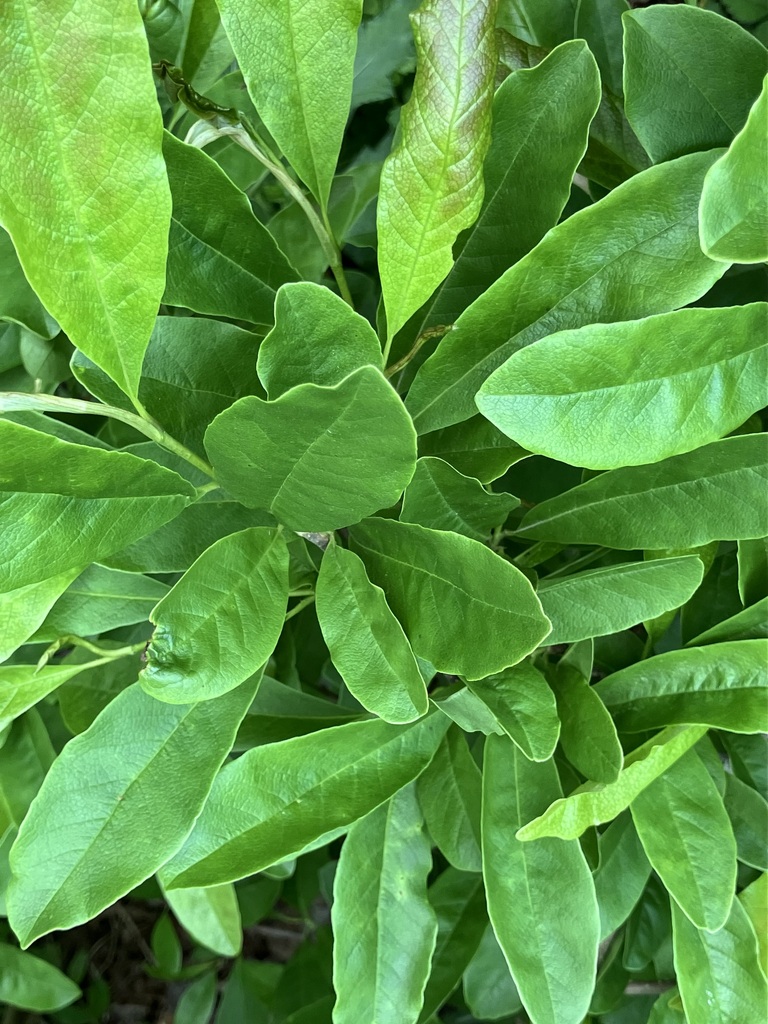
© toad-wife · iNaturalist · CC BY 4.0
Scientific Classification & Quick Facts
Classification
Known For
Detailed measurements for this species are still being verified.
The star magnolia is one of the earliest flowering trees in temperate gardens, bursting into delicate, star-shaped blooms while snow still clings to the ground. Native to Japan, this ornamental species has spread across eight countries worldwide, captivating gardeners and horticulturists with its refined beauty and remarkable cold tolerance. Yet beneath its celebrated horticultural appeal lies a conservation challenge: Magnolia stellata is listed as Endangered, facing pressure from habitat loss and the tension between its wild rarity and widespread cultivation.
The contrast between star magnolia’s global horticultural popularity and its precarious wild status makes it a compelling case study in plant conservation. Its presence in gardens across multiple continents masks the vulnerability of remaining natural populations, raising important questions about the role of cultivation in species survival and the distinction between ecological and horticultural success.
Identification and Appearance
Magnolia stellata, the Star Magnolia, is a compact deciduous shrub that reaches 1.5 to 2.5 metres in height at maturity, spreading to 4.6 metres across. Young plants display an upright, oval form, gradually becoming broader and more mounded as they age. This moderate size makes it well-suited to gardens and landscaped spaces where larger magnolia species would overwhelm the setting.
Flowers and Bloom Timing
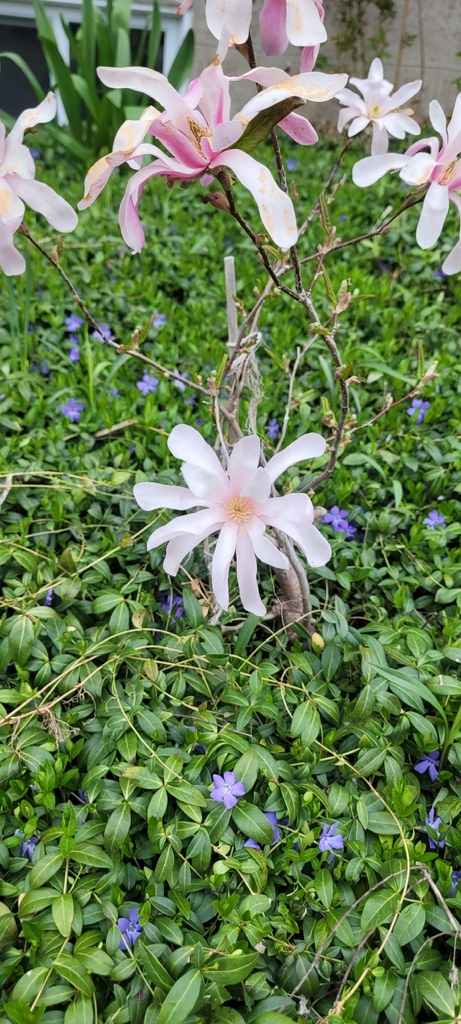
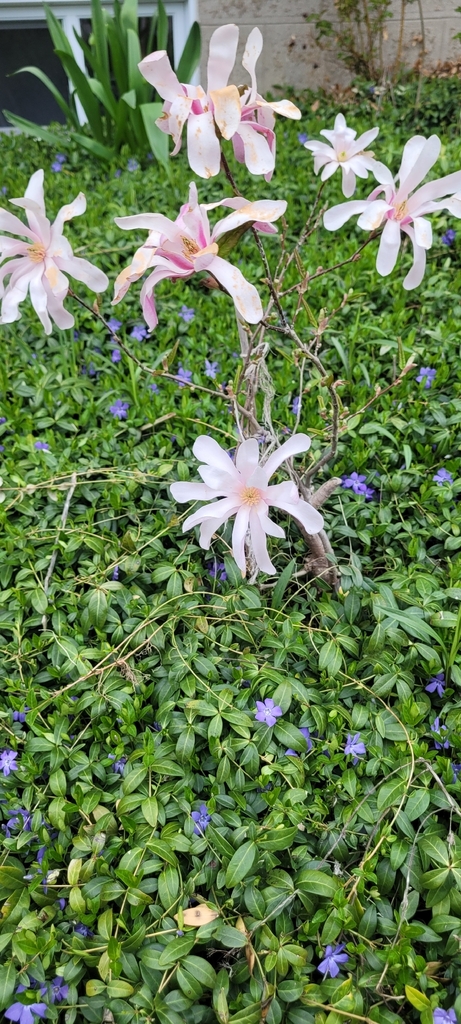
The most distinctive feature of Star Magnolia is its early, abundant flowering. The shrub blooms at a remarkably young age, with slightly fragrant flowers appearing in late winter or early spring before the leaves emerge. Each flower measures 7 to 10 centimetres across, clothing the bare branches in striking colour. The blooms display natural variation ranging from pure white to rich pink, with pink flowers often deepening or shifting in shade as they age.
The flower colour varies naturally across individual plants and even within a single specimen, creating appealing diversity in cultivated populations. This variable palette—from crystalline white to blushed and deep pink tones—contributes to the species’ popularity in temperate gardens, where early spring colour is highly valued.
Distribution and Habitat
Magnolia stellata is primarily cultivated across temperate regions of Europe and North America, with the strongest concentration in central Europe. Germany dominates global records with 136 documented observations, followed by the United States with 94 records. Sweden, Japan, Great Britain, Canada, Switzerland, and Austria account for additional populations, reflecting the species’ appeal as an ornamental plant in cool-climate gardens and parks.
The species occurs at low to moderate elevations, spanning from approximately 13 metres to 770 metres above sea level, with an average elevation of around 197 metres. This range reflects both its cultivation in lowland gardens and parks as well as its presence in hillside and upland landscape settings. Star Magnolia flowers prominently during March, the peak month for flowering observations, with secondary peaks in February and April as the species responds to warming spring temperatures across its range.
Geographic distribution is shaped primarily by horticultural practice rather than wild native range. The species thrives in the cooler temperate zones of western and central Europe, particularly Germany, and is widely planted across North America and northern Europe where spring conditions support reliable flowering. Observations across different months show a pronounced spring flowering season from February through May, with minimal activity during summer and autumn months, indicating strong photoperiod and temperature dependence in its phenological cycles.
Growth and Cultivation
Growth
Magnolia stellata is a deciduous shrub to small tree that typically reaches 4–5 metres in height at maturity, though it can be cultivated as a multi-stemmed specimen. The plant develops a compact, rounded crown with spreading lateral branches that make it an excellent choice for smaller gardens where space is limited. Growth is moderate, creating a densely branched structure that becomes increasingly architectural with age.
Flowering
Star Magnolia produces one of the earliest displays of spring bloom among ornamental magnolias. The flowers emerge on bare branches before leaf emergence, with delicate, star-shaped blossoms that typically feature 12–18 narrow white petals with a pale pink tinge at their bases. The profuse flowering transforms the entire plant into a cloud of colour for 2–3 weeks in early spring, making it highly valued in temperate gardens.
After pollination, the plant develops characteristic elongated, cylindrical fruit clusters typical of the genus. These mature follicles eventually split open to release red-arillate seeds that attract birds for dispersal. The fruit development is ornamental in its own right, extending the plant’s seasonal interest beyond the spring bloom period.
Cultivation
Star Magnolia thrives in well-draining soil with a slightly acidic to neutral pH range. It prefers full sun to partial shade, with at least 6 hours of direct sunlight daily to ensure optimal flowering. The plant is relatively hardy in cool temperate climates and adapts well to a range of soil types provided drainage is adequate; waterlogged conditions should be avoided, as they can lead to root rot.
Young plants benefit from consistent moisture during the growing season, though established specimens show reasonable resilience to dry periods once their root systems are well-developed. Pruning is generally unnecessary except to remove crossing or damaged branches immediately after flowering. Mulching around the base helps retain soil moisture and moderates temperature fluctuations that can damage emerging flower buds in late winter.
Conservation and Threats
Magnolia stellata, the Star Magnolia, is classified as Endangered on the IUCN Red List. This designation reflects genuine concern about the species’ long-term survival in the wild. The classification means that the species faces a very high risk of extinction in its natural habitat and requires active intervention to prevent further decline.
Threats
Star Magnolia faces habitat loss as its primary threat. The species occurs naturally in a restricted range in Japan, where forests have been cleared and fragmented by human development, agriculture, and urban expansion. This geographic limitation makes the species particularly vulnerable—populations confined to small areas are inherently at greater risk of local extinction from stochastic events and reduced genetic diversity.
Collection for the ornamental plant trade has also impacted wild populations. The species’ appealing early spring flowers and compact growth habit have made it popular in gardens worldwide, and historical over-harvesting from wild sources has depleted some populations. Continued demand for wild-collected specimens, particularly from older gardens seeking authentic genetic lines, remains a potential pressure on remaining natural populations.
Conservation Efforts
Star Magnolia benefits from protection within Japanese nature reserves and is subject to regulations governing the removal of plants from protected areas. The species is also widely cultivated in botanical gardens and private collections across temperate regions, creating an insurance population outside its native range. This horticultural presence means that the species is unlikely to become entirely extinct, though preservation of wild genetic diversity remains important.
Cultural Significance
Magnolia stellata holds significant value in ornamental horticulture, particularly in temperate gardens across North America and Europe. Its outstanding flower display in early spring—appearing in March across most regions and as early as February in the southern United States—makes it a prized specimen for residential and public landscapes. The plant’s compact, multi-stem growth habit and reliable flowering performance have established it as a cornerstone species in spring garden design.
The species’ cultural importance extends to its horticultural documentation and popularization. Resources such as the Royal Horticultural Society maintain detailed cultivation guides, reflecting the plant’s widespread adoption among gardeners and landscape professionals. Academic institutions, including Virginia Tech’s School of Plant and Environmental Sciences, continue to publish and update care information, underscoring the species’ enduring relevance in contemporary horticulture and garden design practice.
Fun Facts
- Star Magnolia is a slow-growing plant, meaning it takes many years to reach mature size—a trait that makes it ideal for gardeners seeking a long-term ornamental investment rather than rapid screening or privacy.
- Its flowers open in early spring before the leaves emerge, creating a striking bare-branch display of large, showy white or pink petals that can light up a garden landscape in late winter and early spring.
- The species is native to Japan, where it grows naturally in limited regions and was historically prized by Japanese horticulturists before its introduction to Western gardens.
- Star Magnolia is closely related to the Kobushi magnolia (Magnolia kobus), and the two species share many botanical features, though M. stellata is typically smaller and more shrub-like in form.
- The scientific community did not formally recognize Magnolia stellata as a distinct species until 1998, when botanist David Hunt published a comprehensive monograph clarifying its taxonomic status—meaning this “new” species was only officially validated within the last few decades.
- The flower buds of Star Magnolia are remarkably hardy and can withstand late frosts that would damage flowers on other early-blooming species, allowing it to flourish in regions with unpredictable spring weather.
- Star Magnolia’s name derives from the shape of its flowers: when fully open, the narrow petals radiate outward like the points of a star, creating a distinctive silhouette that distinguishes it from other magnolia varieties.
Ecology
Growing Conditions
Conservation Status
LC · NT · VU · EN (Endangered) · CR · EW · EX
Photo Gallery
toad-wife · CC BY 4.0
Related Species
Was this profile helpful?