
Testudines
Green Sea Turtle
Chelonia mydas
EndangeredAlso known as: Black Turtle, Common Green Sea Turtle, Common green turtle, Green Turtle, Pacific green sea turtle
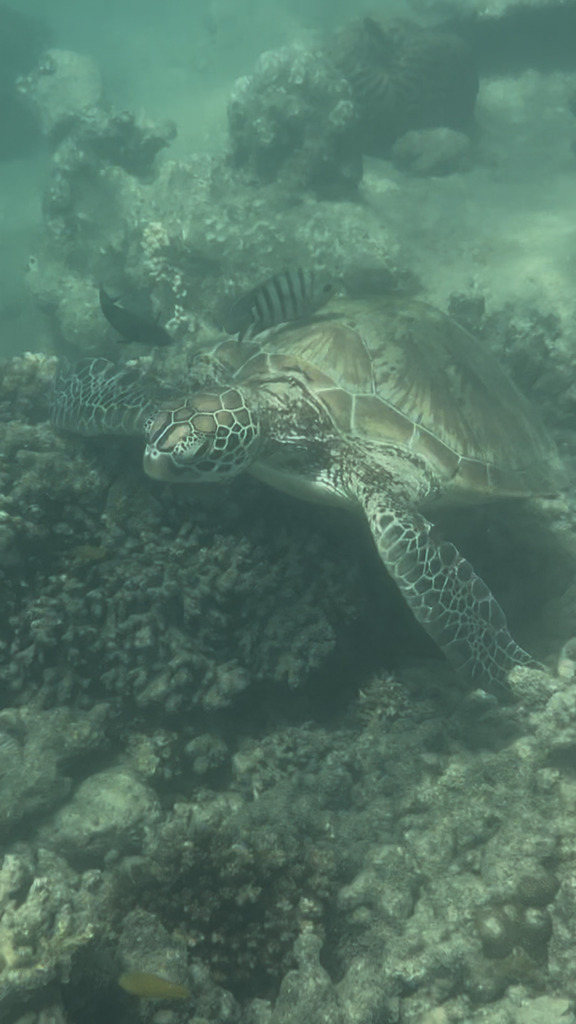
© no rights reserved · iNaturalist · CC0 1.0
Scientific Classification & Quick Facts
Classification
At a Glance
The green sea turtle is one of the largest living sea turtles, spending most of its life in tropical and subtropical oceans across 39 countries worldwide. Named for the greenish colour of its fat rather than its shell, Chelonia mydas is classified as Endangered by the IUCN, facing threats from habitat loss, fishing nets, pollution, and climate change. Despite the challenges threatening its survival, this ancient reptile remains a symbol of ocean conservation and has become the focus of intensive protection efforts across the globe.
What makes the green sea turtle particularly compelling is its complex life cycle and remarkable fidelity to natal beaches. Females return to the exact shores where they were born, sometimes decades later, to lay their own eggs in the sand. This behaviour, combined with their long lifespan and slow maturation, makes them vulnerable to disruption yet also grants them the potential for long-term population recovery if adequate protections are maintained.
Identification and Appearance
Chelonia mydas, the green sea turtle, displays the characteristic anatomy of a marine chelonian: a dorsoventrally flattened body, a beaked head set on a short neck, and powerful paddle-like flippers adapted for oceanic locomotion. Adult green sea turtles typically weigh between 150 and 200 kilograms, making them substantial reptiles suited to life in open water. Their body plan reflects millions of years of evolution for aquatic existence, with streamlined shells and limbs that sacrifice terrestrial mobility for swimming efficiency.
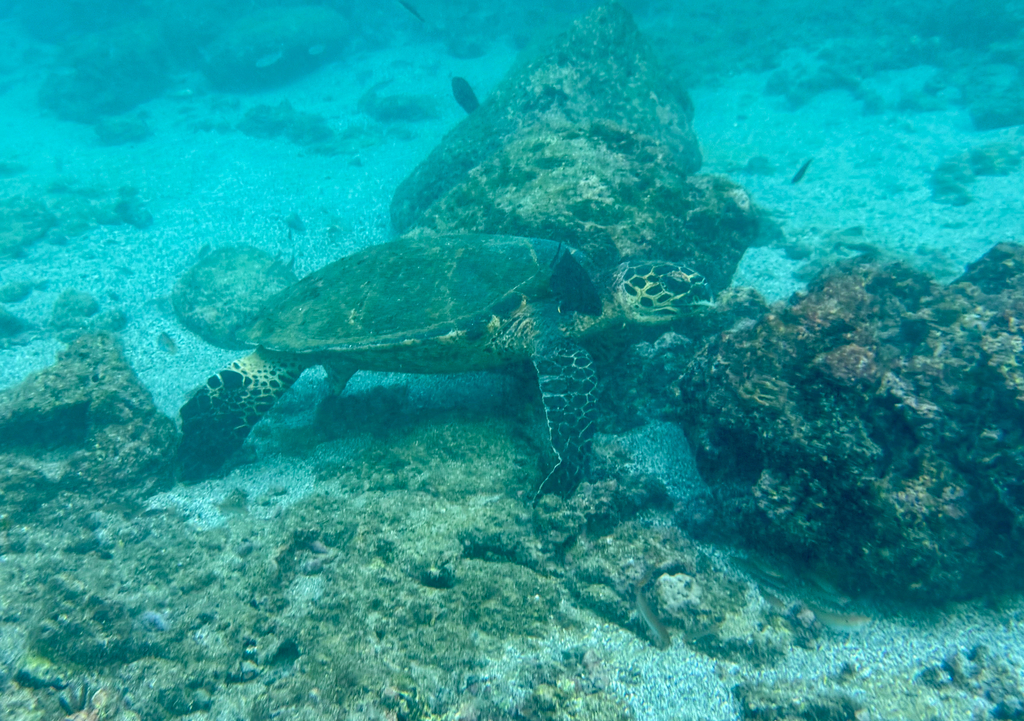
The carapace (dorsal shell) is smooth and shield-shaped, typically olive to dark brown or nearly black in colour, sometimes with radiating patterns of lighter scales. The plastron (ventral shell) is generally pale yellow or cream. The head, neck, and flippers range from olive-green to dark grey-brown. The species derives part of its common name from the greenish hue of the fat beneath the shell, visible during processing, though this coloration is not apparent on living animals. Juveniles often display more vibrant colouration than adults, with yellowish plastrons and sometimes patterned carapaces that fade with maturity.
Both sexes share similar external appearance throughout most of their lives, though sexually mature males develop longer tails that extend beyond the shell edge and concave plastrons to facilitate reproduction. Females lack these pronounced secondary sexual characteristics. The shell contains distinct scutes (large shield-shaped scales) arranged in predictable patterns: five central vertebral scutes run down the midline, bordered by four pairs of costal scutes, with marginal scutes forming the rim. This scute arrangement remains consistent across individuals and aids in species identification and age estimation.
Distribution and Habitat
Chelonia mydas, the green sea turtle, occurs across tropical and subtropical oceans worldwide, with a documented presence in 39 countries. The species has been recorded most frequently in the United States, particularly in North Carolina, as well as in Australia, Ecuador, Brazil, Martinique, Mexico, the Philippines, Costa Rica, and Taiwan. This wide distribution reflects the turtle’s migratory nature and its reliance on coastal breeding grounds and open ocean feeding habitats across multiple continents.
Green sea turtles are marine reptiles with no elevation data applicable to their range, as they spend their entire lives in saltwater environments. They inhabit tropical and subtropical ocean basins, coastal bays, and seagrass beds where they forage as adults. Hatchlings disperse into open ocean currents, drifting thousands of kilometers before returning to nearshore environments years later. Adult turtles are highly migratory, traveling between distant feeding grounds and nesting beaches, sometimes covering over 2,000 kilometres during breeding migrations.
Seasonal occurrence data shows a pronounced peak in January observations, with no recorded sightings in the remaining months across the dataset. This pattern likely reflects heightened coastal and nesting activity during peak breeding season in many populations, particularly in the Atlantic and Pacific regions. However, the global population maintains year-round presence in various oceanic regions, with different populations breeding at different times depending on their geographic location.
Biology and Behaviour
Behavior
Green sea turtles exhibit dramatically different behaviors across their life stages. Hatchlings are pelagic carnivores that inhabit open ocean waters as part of the small-animal nekton community, drifting with currents and feeding on jellyfish and other soft-bodied prey. As juveniles mature, they migrate inshore to seagrass meadows where they settle into a more sedentary lifestyle. Adult turtles spend much of their time grazing in shallow coastal waters, moving between feeding grounds and resting areas with little fanfare. They are generally solitary except during mating season, when males and females converge at breeding sites.
Migration is a defining feature of green turtle behavior. Females return to the beach where they hatched, sometimes traveling thousands of kilometers across ocean basins, to nest every two to four years. Males patrol breeding areas waiting for females, displaying aggressive territorial behavior toward rivals. Outside of breeding season, turtles remain largely cryptic, moving between feeding and resting grounds on predictable routes that they may use for decades.
Diet
The diet of green sea turtles shifts dramatically with age, reflecting changes in habitat and foraging capabilities. Newly emerged hatchlings are strictly carnivorous, feeding on small jellyfish, fish eggs, crustaceans, and other planktonic animals in the open ocean. This carnivorous phase can last several years while they remain in pelagic waters.
Juveniles and adult green turtles transition to herbivory, becoming the only primarily vegetarian sea turtle species. They graze extensively on seagrass meadows and algae in shallow coastal bays and lagoons, consuming vast quantities of seagrass to meet their nutritional needs. Some adults supplement their diet with jellyfish and sponges, but seagrass comprises the bulk of intake once they reach adulthood. This ontogenetic dietary shift is one of the most striking transitions in sea turtle life history.
Reproduction
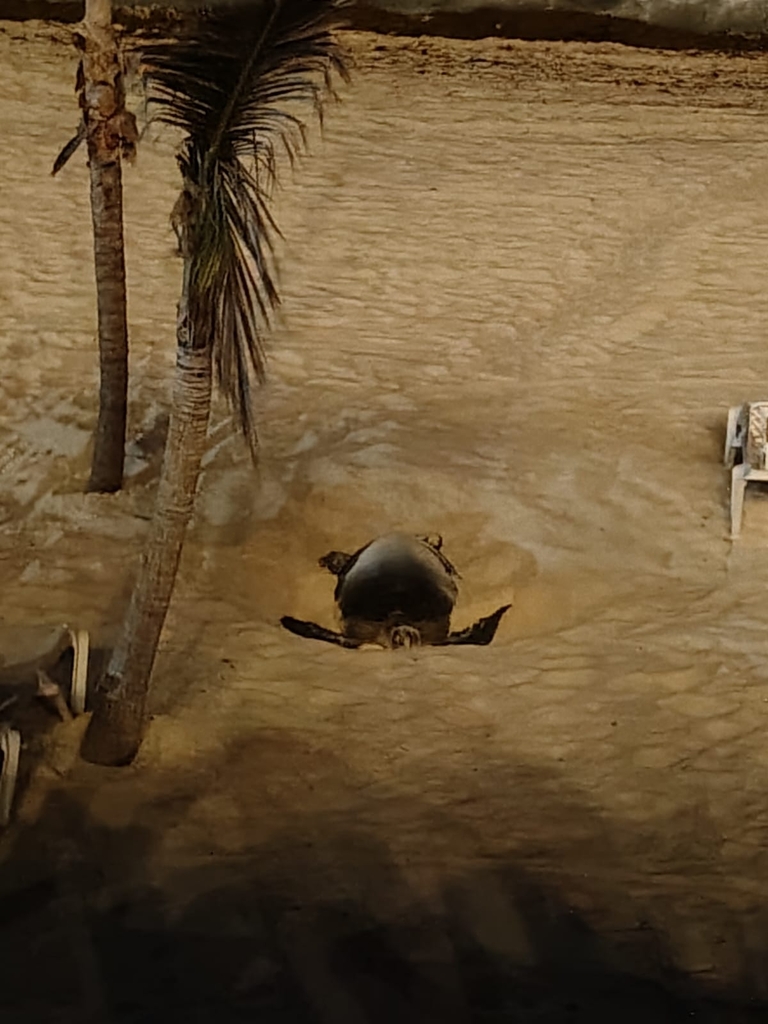
Female green turtles breed every two to four years, with populations showing distinct seasonal breeding peaks that vary by geographic location. During breeding season, females come ashore at night to dig nests in sand above the high-tide line, often returning to the same beach where they hatched decades earlier. A single female may lay multiple clutches within a breeding season, with clutch sizes typically ranging from 75 to 200 eggs depending on body size and population.
Eggs incubate in the sand for approximately 60 days under the warmth of the sun. Hatchlings emerge synchronously, usually at night, and make a sprint to the ocean where they immediately face high predation from shorebirds, crabs, and fish. Those that survive the journey begin their pelagic phase, drifting in ocean currents for years before eventually recruiting into coastal seagrass meadows as juveniles. Sexual maturity is reached at 35–50 years of age, with some individuals living 75 years or longer in the wild.
Conservation and Threats
The green sea turtle is classified as Endangered on the IUCN Red List, reflecting decades of population decline from hunting, poaching, and habitat loss. The classification indicates the species faces a high risk of extinction in the wild without ongoing conservation intervention. However, recent data show an increasing population trend in many regions, a testament to the effectiveness of international protections and breeding programmes established since the 1970s.
Threats
Green sea turtles face a complex mix of deliberate and accidental threats. Intentional harm—hunting for meat, shell, and eggs—continues in some parts of the world despite legal protections. Unintentional threats are often more damaging. Fishing nets without turtle excluder devices drown thousands annually. Boat strikes kill turtles in shipping lanes and coastal waters. Pollution from harbours and sewage creates multiple hazards: chemical contaminants trigger fibropapillomatosis, a tumour-causing disease that kills a significant portion of infected individuals; tar balls and plastic debris are mistaken for food; and light pollution from coastal development disorients hatchlings during their critical journey from nest to ocean.
Habitat destruction poses an additional long-term threat. Coastal development destroys or degrades nesting beaches, while water pollution and nutrient runoff degrade seagrass and algae meadows that juvenile and adult turtles depend on for food. In some populations, the infectious disease fibropapillomatosis has become endemic, killing a sizeable fraction of those it infects, though some individuals display resistance.
Conservation Efforts
International law has played a key role in the species’ recovery. Green sea turtles are protected under the Convention on International Trade in Endangered Species (CITES), which prohibits commercial trade in live turtles and their products. Many countries have designated nesting beaches as protected areas and established hatchery programmes to boost recruitment. Turtle excluder devices are now mandatory in commercial fisheries in many jurisdictions, significantly reducing bycatch mortality.
Cultural Significance
The green sea turtle holds profound significance in global conservation narratives, marking one of the most successful recovery stories in modern environmental history. After decades of intensive protection efforts, the species achieved a historic milestone in October 2025 when the International Union for the Conservation of Nature (IUCN) officially reclassified it from Endangered to Least Concern on the IUCN Red List of Threatened Species. This downlisting reflects the species’ improved global population status and represents a tangible demonstration of how coordinated international conservation can reverse the trajectory of declining species.
In many regions, green sea turtles remain subjects of legal and cultural protection frameworks. Within the United States, the species continues to receive management oversight through distinct population segments listed under the Endangered Species Act, with federal agencies including NOAA Fisheries and the U.S. Fish and Wildlife Service overseeing recovery efforts and incidental take regulations. State-level conservation initiatives, such as those undertaken by the Texas Parks and Wildlife Department, implement careful monitoring protocols to balance fishery operations with turtle protection, underscoring the ongoing commitment to safeguarding populations during their vulnerable lifecycles.
Fun Facts
Green sea turtles are among the ocean’s most intriguing reptiles, with biology and behaviour that continues to surprise researchers and observers alike. Here are some of the most compelling facts about this remarkable species.
- The name is misleading. The green sea turtle’s name comes from the greenish fat beneath its carapace, not from the shell itself, which is typically olive to black. This fat coloration results directly from its diet of seagrass.
- It is a strict vegetarian. Unlike most sea turtles, which are omnivorous, Chelonia mydas feeds almost exclusively on seagrass and algae as an adult. This dietary specialization makes it the only primarily herbivorous sea turtle species.
- There is only one species in its genus. Chelonia mydas is the sole surviving member of the genus Chelonia, making it taxonomically unique among sea turtles.
- It undertakes epic oceanic migrations. Green sea turtles migrate thousands of kilometres between feeding grounds in seagrass meadows and nesting beaches, sometimes returning to the exact beach where they were born decades earlier.
- Multiple ocean populations exist separately. The species maintains distinct populations in the Atlantic, Pacific, and Indian Oceans, each with unique genetic signatures and migration patterns despite occurring in overlapping ranges.
- Hatchlings are omnivorous. Newly hatched green sea turtles eat jellyfish, crustaceans, and plant material as they drift in ocean currents, only transitioning to a herbivorous diet as they mature and settle into seagrass beds.
Conservation Status
LC · NT · VU · EN (Endangered) · CR · EW · EX
Photo Gallery
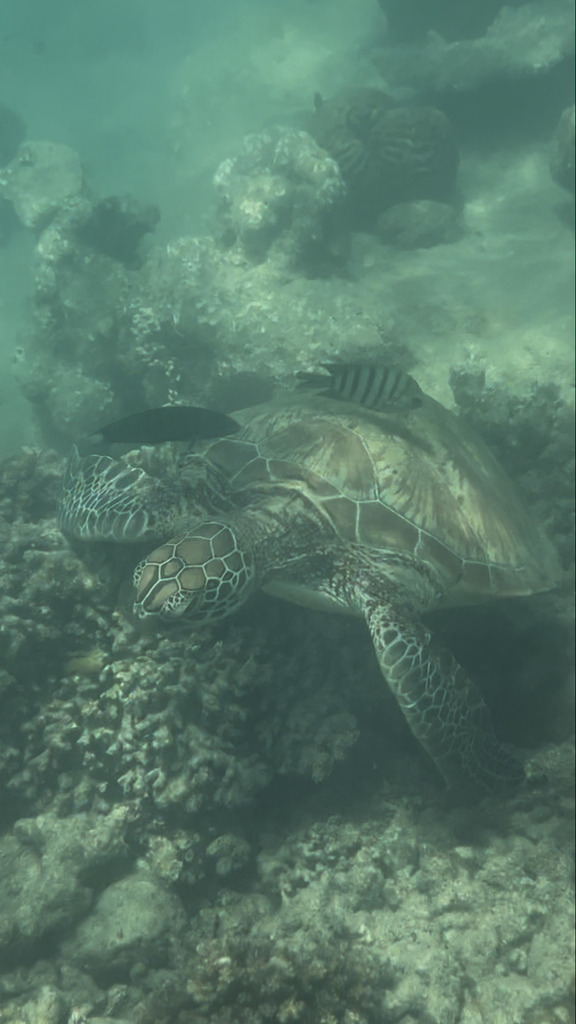
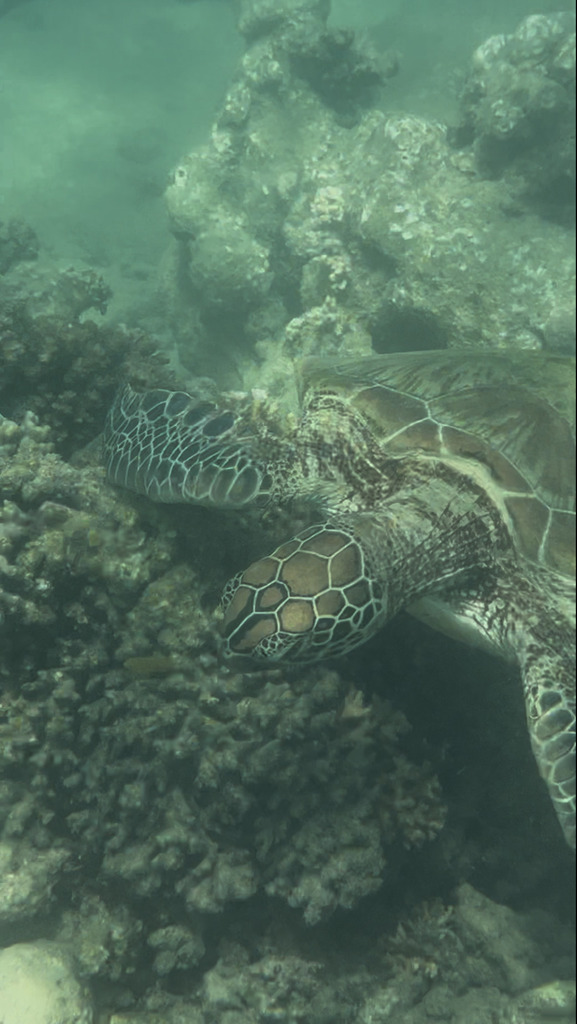
no rights reserved · CC0 1.0
Related Species
![Abingdon Island Giant Tortoise [abingdonii]](https://plantnimals.com/wp-content/uploads/2026/05/chelonoidis-niger-featured.jpg)
Was this profile helpful?