
Testudines
Loggerhead Sea Turtle
Caretta caretta
VulnerableAlso known as: Atlantic Loggerhead Sea Turtle, Common Loggerhead Turtle, Indo-Pacific Loggerhead Sea Turtle, Loggerhead, Loggerhead (Sea) Turtle
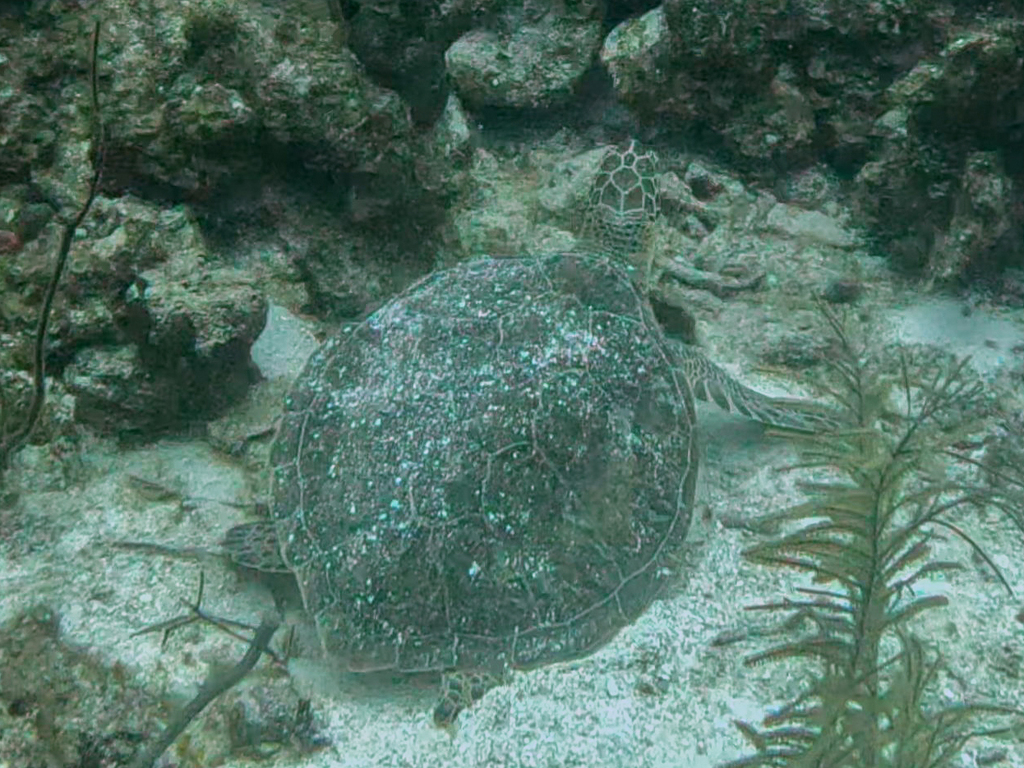
© Dan Schofield · iNaturalist · CC BY 4.0
Scientific Classification & Quick Facts
Classification
At a Glance
The loggerhead sea turtle crosses continents in its lifetime, navigating thousands of kilometres across ocean currents and coastal waters to return to the very beach where it was born. Named for its disproportionately large head—an adaptation that houses powerful jaw muscles for crushing hard-shelled prey—this ancient mariner has roamed Earth’s seas for over 100 million years. Yet today, Caretta caretta faces mounting pressures from human activity, earning its classification as Vulnerable on the IUCN Red List. Found across 30 countries spanning tropical and temperate oceans worldwide, the loggerhead represents both the resilience and fragility of sea turtle populations in the modern era.
What makes the loggerhead especially notable is its remarkable longevity and the complexity of its life history. Hatchlings smaller than a thumbnail must survive a perilous journey across beaches and through open ocean, where fewer than one in a thousand will reach adulthood. Those that do mature over 20–50 years, developing the strength to migrate between feeding grounds and breeding sites across hemispheres. This combination of extreme vulnerability in early life and remarkable navigational capacity makes the loggerhead a critical indicator species for ocean health and a focal point for international conservation efforts.
Identification and Appearance
Caretta caretta, the loggerhead sea turtle, is the world’s largest hard-shelled turtle. Adult specimens typically weigh between 77 grams at hatching and up to 545 kilograms at maturity, with hatchlings measuring 2.13 centimetres in length. This extreme size range reflects the remarkable growth trajectory of the species across its lifespan of approximately 77 years.
Carapace and Shell
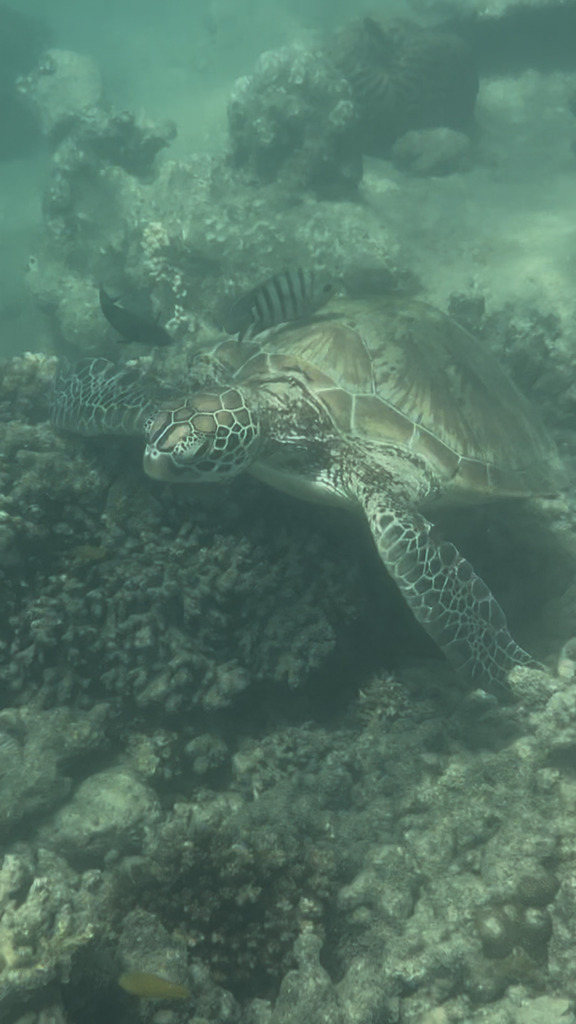
The carapace displays a reddish-brown colouration and features a characteristic scute pattern consisting of five vertebral scutes running down the midline, bordered on each side by five pairs of costal scutes. This arrangement creates a symmetrical, domed shell that streamlines the turtle’s body for aquatic locomotion. The shell composition of hard keratin plates distinguishes loggerheads from leatherback turtles, which possess a flexible, leather-like carapace.
Head and Skeletal Features
The skull is remarkably robust, with enlarged temporal fossae—the depressions on either side of the braincase—housing the powerful adductor muscles that generate the crushing bite force necessary for feeding on hard-bodied prey such as molluscs and crustaceans. The head is notably disproportionate to body size, particularly visible in juveniles and adults, and distinguishes loggerheads from other sea turtle species at any size. Hatchlings emerge with fully formed shells and the same proportional head structure as larger individuals, though the relative size difference becomes less pronounced as the turtle grows.
Distribution and Habitat
Caretta caretta occupies a truly global range, occurring in at least 30 countries across tropical, subtropical, and temperate waters worldwide. GBIF records show the highest concentration of observations in Australia, Israel, and Greece, each with 31 occurrences, followed closely by the United States (29), Italy (19), and Brazil (16). This distribution reflects both the species’ wide-ranging ocean migrations and the geographic clustering of nesting beaches in specific regions.
The loggerhead turtle inhabits open ocean environments and coastal marine waters across all major oceans. Adults spend most of their lives in pelagic zones, undertaking remarkable transoceanic migrations that can span thousands of kilometres between feeding grounds and breeding sites. Nesting populations concentrate along subtropical and temperate coastlines, with significant aggregations in the Mediterranean (Greece, Italy, Spain, Portugal), the Atlantic (United States, Brazil, Argentina), the Indian Ocean (Australia), and the Middle East (Israel).
Seasonal patterns in observation records reveal a pronounced peak in January (86 records), with elevated activity continuing through April (68 records) and May (67 records), then dropping sharply through summer and autumn months. This seasonal signature reflects the timing of nesting activities and breeding aggregations in key nesting regions, particularly in the Mediterranean and along Atlantic coasts, where females return to beaches between late spring and early summer to deposit eggs. Outside the peak breeding season, loggerheads disperse widely across open waters, making detection and observation less frequent.
Biology and Behavior
Behavior
Loggerhead sea turtles are primarily solitary animals, spending most of their lives in the open ocean where they drift with currents and actively forage for food. Juveniles remain in oceanic waters for years, riding ocean currents to distant feeding grounds before eventually recruiting to coastal areas as they mature. Adults exhibit strong site fidelity, returning to the same beaches year after year to nest, often traveling thousands of kilometres across ocean basins to reach their natal shores.
Nesting behavior is highly ritualized and occurs exclusively at night. Female loggerheads emerge from the ocean under cover of darkness, dig chambers in sand above the tide line, and deposit their eggs with minimal disturbance. This nocturnal activity protects them from predators and overheating. Once eggs are buried, females return to sea and provide no further parental care. Males never come ashore after hatching; they remain oceanic throughout their lives.
Diet
Loggerhead sea turtles are omnivorous feeders with a diet that shifts across their lifespan. Hatchlings and early juveniles consume jellyfish, small crustaceans, and larval fishes in surface waters and within sargassum mats. As they grow and transition to coastal and nearshore habitats, their diet becomes more heavily weighted towards benthic invertebrates—molluscs, crustaceans, and echinoderms—obtained by foraging along the seafloor and rocky reefs.
Adult loggerheads are generalist feeders capable of processing hard-shelled prey. Their powerful jaw muscles and enlarged head (which gives the species its common name) enable them to crush shells of conchs, clams, and horseshoe crabs. They also consume fish, sea grass, and sponges when available. Feeding is opportunistic; loggerheads consume whatever prey is abundant in their current location.
Reproduction
Loggerhead sea turtles reach sexual maturity between 35 and 50 years of age, making them long-lived before they first reproduce. Breeding occurs in distinct seasons that vary by region, with most populations breeding during spring and early summer. Males and females migrate to shared breeding grounds, where mating occurs in shallow waters near nesting beaches.
Females lay multiple clutches in a single breeding season, typically depositing 100–150 eggs per clutch and producing 2–5 clutches spaced 12–14 days apart. Incubation takes approximately 60–65 days depending on sand temperature. Hatchlings emerge synchronously, usually at night, and make the perilous journey to the ocean. Mortality during this sprint is extreme—only a tiny fraction of hatchlings survive to adulthood, and loggerheads can live up to 77 years in the wild, allowing multiple breeding attempts across their long lifespan.
Conservation and Threats
Caretta caretta is classified as Vulnerable on the IUCN Red List, indicating the species faces a high risk of extinction in the wild without continued conservation intervention. Encouragingly, the global population trend is increasing, a sign that protection efforts are yielding measurable results across key nesting and foraging regions.
Threats
Climate change and rising sea surface temperatures pose the most pervasive threat to loggerhead turtles. Warming oceans alter breeding phenology, shorten the intervals between nesting clutches, and shift the distribution of prey species. The increasing intensity and frequency of tropical cyclones driven by climate change further destabilize nesting beaches and disrupt hatchling survival. Temperature increases also complicate sex determination during embryonic development, potentially skewing population sex ratios toward females in warming conditions.
Poaching and incidental capture remain significant localized threats, particularly in artisanal fisheries where loggerheads are caught as bycatch in nets and traps or deliberately harvested. Coastal development, including thermal power stations that raise local water temperatures near critical habitat, destroys or degrades nesting beaches and alters marine ecosystems. Pollution from marine debris and chemical contaminants also accumulates in turtle tissues, impairing immune function and reproductive success.
Conservation Efforts and Legal Protections
Loggerhead sea turtles benefit from multiple international legal frameworks. They are protected under Annex 2 of the Specially Protected Areas and Wildlife Protocol of the Cartagena Convention, which safeguards them from harmful pollution in the Caribbean region. Nesting sites, including the globally important rookery at Cape Verde, receive direct protection through fencing and monitoring programmes such as the Sea Turtle Protection Project operating on beaches in the United States.
Recent advances in genomic research have enhanced conservation planning. A chromosome-scale genome and methylome assembly from Cape Verde turtles, sequenced using Oxford Nanopore Technologies, now provides crucial insights into demographic history and climate change responses, informing targeted management strategies for this iconic species.
Fun Facts
Loggerhead sea turtles are among the ocean’s most resilient travelers, with remarkable adaptations that allow them to thrive across tropical and temperate seas. Here are some surprising facts about these ancient mariners:
- Sexual dimorphism emerges only with maturity. Young loggerhead sea turtles show no external differences between males and females until they reach adulthood, at which point males develop thicker tails and shorter plastrons (lower shells) compared to females.
- They can reach impressive sizes. While the average loggerhead measures about 90 centimetres in carapace length, the largest individuals can weigh up to 200 kilograms—roughly equivalent to a grand piano—making them formidable ocean dwellers.
- Their coloration is distinctly warm-toned. Loggerheads are named for their large heads, but their appearance is equally distinctive: their shells are typically reddish brown, while their skin ranges from yellow to brown, giving them a warm, earthy palette.
- They possess powerful jaw muscles. The loggerhead’s disproportionately large head houses muscular jaw adductors that enable them to crack open hard-shelled prey like molluscs and crustaceans with ease.
- They navigate using Earth’s magnetic field. Loggerheads imprint on the magnetic signature of their natal beach and use this internal compass to return thousands of kilometres across open ocean to breed at the same location decades later.
- Their hatchlings face extreme odds. Of the hundreds of eggs laid in a single nest, fewer than one in a thousand hatchlings survive to adulthood—the remainder fall prey to predators or perish during their perilous journey to the sea.
Conservation Status
LC · NT · VU (Vulnerable) · EN · CR · EW · EX
Photo Gallery
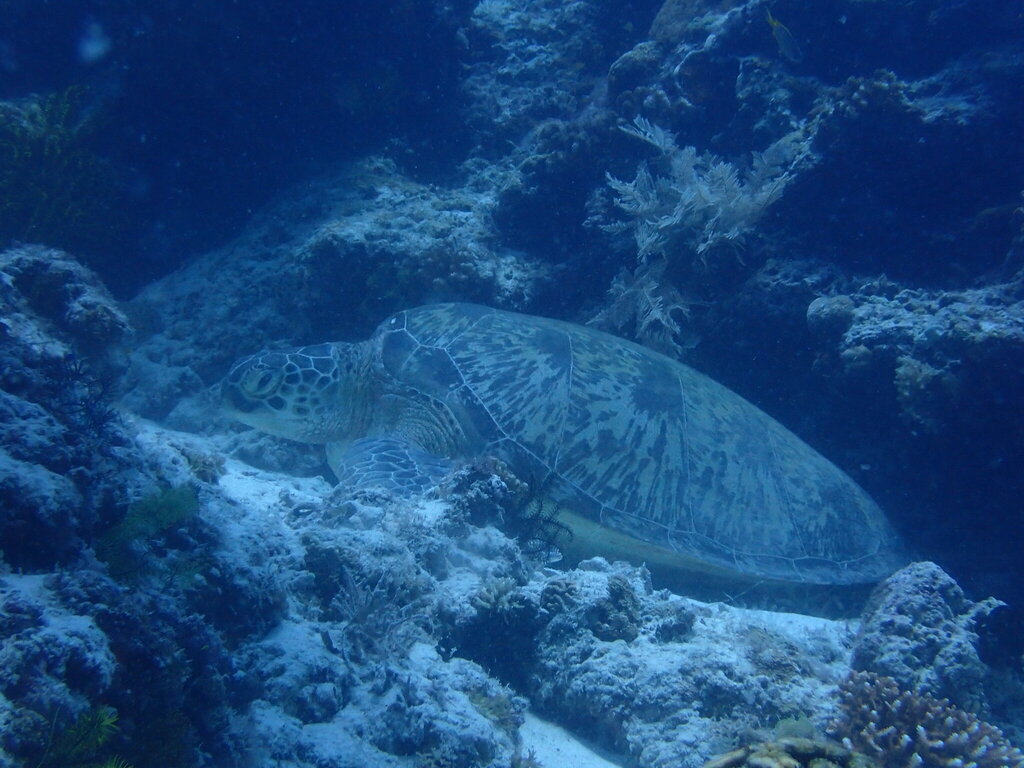
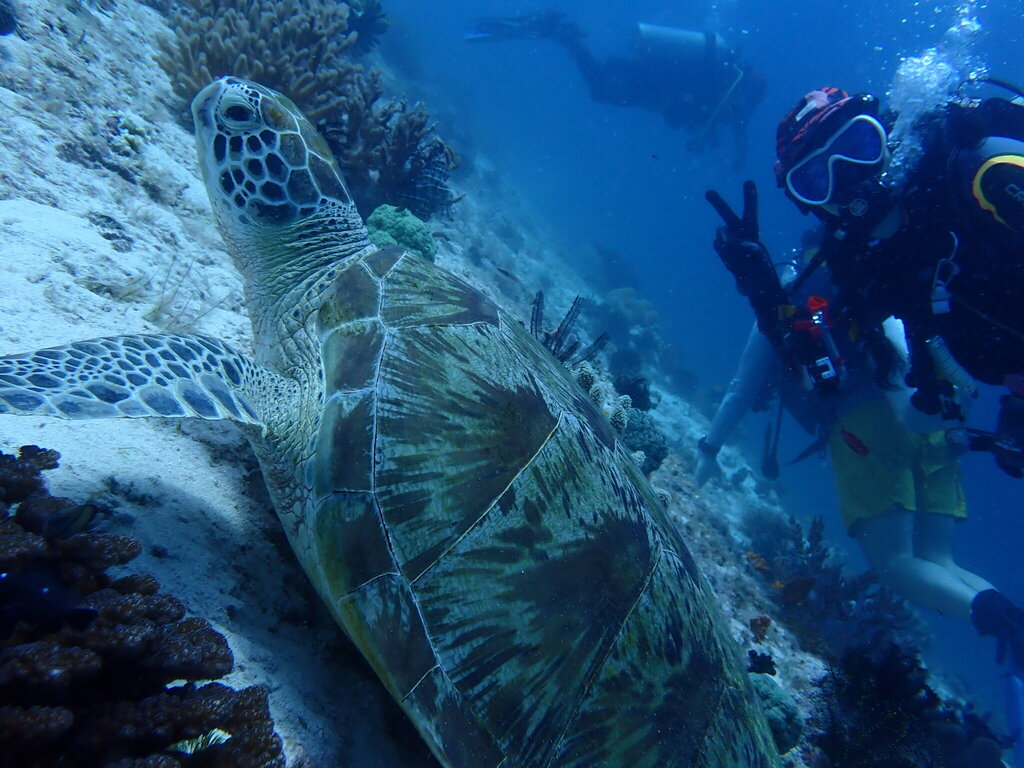
Dan Schofield · CC BY 4.0
Related Species

Was this profile helpful?