
Eurotatoria · Flosculariaceae
Filinia Terminalis
Filinia terminalis
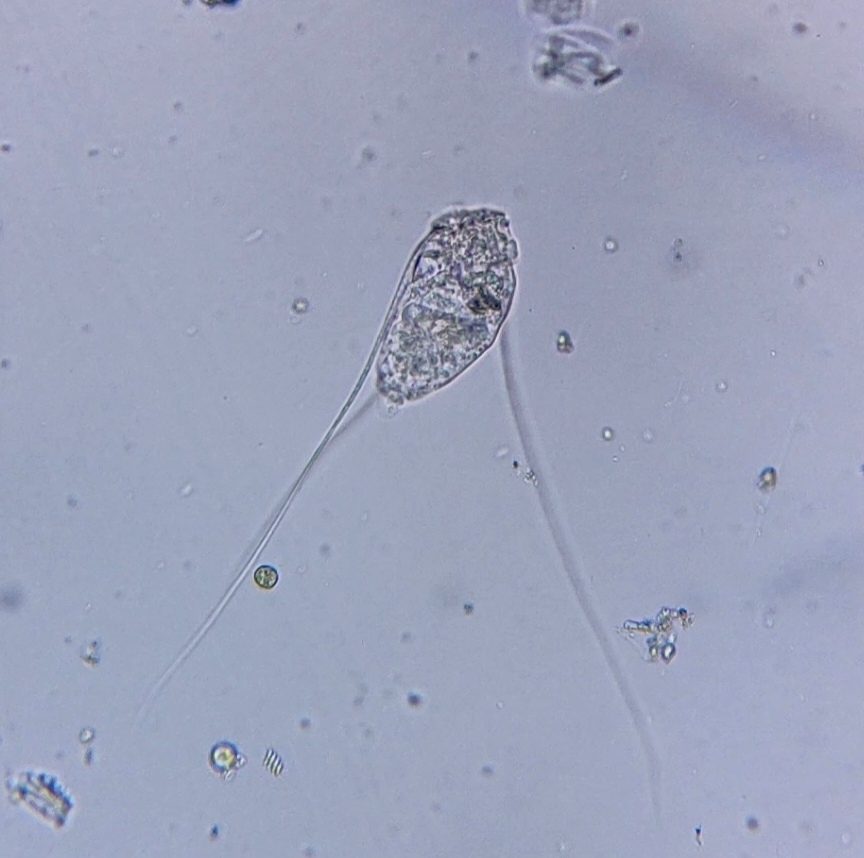
© no rights reserved · iNaturalist · CC0 1.0
Scientific Classification & Quick Facts
Classification
Known For
Full profile in progress — check back soon.
Filinia terminalis is a microscopic rotifer—a tiny, translucent animal barely visible to the naked eye—yet one of remarkable ecological importance in freshwater ecosystems across the globe. Despite its diminutive size, this species has established populations across at least 23 countries on multiple continents, making it one of the more widely distributed members of its phylum. Its conservation status remains unknown, reflecting the challenge of monitoring organisms so small that they escape casual observation despite their abundance in lakes, ponds, and slow-moving rivers.
What distinguishes Filinia terminalis among rotifers is its ecological versatility and rapid reproductive capacity, traits that have enabled it to thrive in diverse freshwater environments from temperate zones to tropical regions. Understanding this species illuminates how life at the smallest scales—organisms requiring magnification to observe—nonetheless shapes the health and function of entire aquatic systems.
Identification and Appearance
Filinia terminalis is a microscopic rotifer belonging to the class Monogononta. Like all rotifers, this organism is extremely small, requiring magnification to observe its anatomical features. The species inhabits freshwater environments and has been documented at an average elevation of approximately 532 metres.
The identification of Filinia terminalis relies on microscopic examination of its distinctive morphological structures. Rotifers possess a characteristic ciliated wheel organ (corona) used for locomotion and feeding, and specific variations in body form, trophi (jaw apparatus), and spination patterns distinguish Filinia terminalis from congeners. The genus Filinia is characterized by a relatively elongated body plan and particular arrangements of dorsal spines and lateral processes that are diagnostic under compound microscopy.
Detailed morphological descriptions of this species require specialized taxonomic keys and comparison with preserved reference specimens or high-resolution microscopic imagery. Without specific measurements provided in standard literature or datasets, precise size ranges cannot be reliably stated here. Identification in field samples is typically confirmed through careful observation of the corona structure, lorica (body wall) ornamentation, and reproductive organs under appropriate magnification.
Distribution and Habitat
Filinia terminalis is a cosmopolitan rotifer with records across 23 countries spanning multiple continents. The species shows strongest occurrence in Colombia, with 91 recorded observations, followed by Russia (29 records), Bulgaria (28), Nigeria (25), and Italy (19). Additional populations are documented in Côte d’Ivoire, Poland, Burundi, Kenya, and Ethiopia, indicating a widespread distribution across tropical, subtropical, and temperate regions.
The species occupies a broad elevation range from 4 metres to 2,294 metres above sea level, with an average recorded elevation of 532 metres. This vertical spread reflects its adaptability to freshwater habitats at diverse altitudes, from lowland water bodies to montane systems. The absence of strict elevation preferences suggests F. terminalis inhabits both plains and highland environments wherever suitable aquatic conditions occur.
Seasonal occurrence shows marked variation throughout the year, with June emerging as the peak month for observations (30 records). Secondary peaks occur in August and September (24 and 25 records respectively), indicating summer and early autumn prevalence in the Northern Hemisphere. Winter months record substantially fewer observations, with December showing only 5 records, suggesting either reduced population density or reduced sampling effort during colder periods. This seasonal pattern likely reflects water temperature dynamics and the availability of food resources in temperate and subtropical freshwater ecosystems where the species is most frequently documented.
Biology and Behavior
Behavior
Filinia terminalis is a microscopic rotifer that exhibits the typical swimming behavior of its genus, using its corona—a ciliated crown-like structure at its anterior end—to propel itself through water. The organism is planktonic, drifting and swimming through freshwater environments with subtle, coordinated movements powered by the rotation of its cilia. Activity patterns are driven by environmental factors including light, temperature, and food availability, which influence its vertical and horizontal distribution within the water column.
As a small-bodied zooplankton, this species responds to environmental cues and predator presence through behavioral shifts. It occupies a middle position in freshwater food webs, feeding on smaller organisms while remaining vulnerable to larger zooplankton predators and filter-feeding fish larvae. The rotifer’s small size—typically less than 0.5 millimetres—makes direct observation of individual behavior challenging, though population-level dynamics are well documented in limnological research.
Diet
Filinia terminalis is an omnivorous zooplankton that feeds on a diverse diet of microscopic particles. Its primary food sources include bacteria, algae, and small organic detritus suspended in the water column. The rotifer uses its corona to generate feeding currents, drawing particles into its mouth and directing them toward its mastax—a muscular pharyngeal structure that processes food through grinding action.
This species plays an important role in freshwater ecosystems by consuming algal cells and bacteria, thereby controlling phytoplankton and bacterial populations and channeling energy from primary producers to larger predators. Feeding rate and efficiency vary with food particle size and water temperature, with higher metabolic activity occurring in warmer conditions.
Reproduction
Filinia terminalis reproduces through both asexual and sexual pathways, a reproductive strategy common to rotifers. Under favorable environmental conditions—adequate food, stable temperature, and low population density—females produce diploid eggs that develop via parthenogenesis into genetically identical females, enabling rapid population growth. This asexual reproduction allows the species to quickly exploit resource-rich environments.
Sexual reproduction occurs in response to environmental stress, including food limitation, crowding, or changes in temperature or photoperiod. Males appear cyclically, and females produce haploid eggs that require fertilization to enter dormancy as resistant diapausing eggs. These hardy resting eggs can survive unfavorable conditions—desiccation, extreme temperature, or anoxia—for extended periods, allowing populations to persist through seasonal bottlenecks. Lifespan is typically measured in days to weeks under laboratory conditions, depending on temperature and nutrient availability.
Conservation and Threats
Filinia terminalis is a microscopic rotifer with no formal IUCN Red List assessment. Like many freshwater microorganisms, this species has not been evaluated under standard conservation frameworks, reflecting the challenge of monitoring and protecting organisms at this scale. Current population trends and global population size remain unknown, as comprehensive surveys of rotifer populations are rare and largely dependent on incidental sampling during broader aquatic studies.
The absence of formal threat documentation for Filinia terminalis does not indicate absence of threat. Rotifers as a group are sensitive indicators of water quality and are vulnerable to the same pressures affecting freshwater ecosystems: pollution from agricultural runoff and industrial discharge, habitat degradation through drainage and channelization, and shifts in water chemistry and temperature linked to climate change. Eutrophication—excessive nutrient enrichment in freshwater systems—can alter the competitive balance among rotifer species and reduce overall diversity.
Conservation Efforts
No targeted conservation programmes exist specifically for Filinia terminalis. Protection of this species occurs indirectly through broad freshwater conservation measures, including the designation of wetlands and small water bodies as protected areas, implementation of water quality standards, and restoration of degraded aquatic habitats. Inclusion of rotifers in biomonitoring protocols for assessing ecosystem health has potential value for detecting early warning signs of freshwater degradation.
Fun Facts
- Filinia terminalis belongs to the rotifer phylum, a group of microscopic animals so small that most species require a microscope to observe. Despite their size, rotifers have been thriving in aquatic ecosystems for over 500 million years.
- As a member of the family Trochosphaeridae, Filinia terminalis possesses a crown of cilia (tiny hair-like structures) that it uses to create water currents for filter feeding. These ciliary crowns are among the most efficient feeding structures in the microscopic world.
- Filinia terminalis is a bacterivore, meaning it feeds exclusively on bacteria suspended in water. A single rotifer can consume thousands of bacterial cells per day, making these organisms crucial regulators of microbial populations in freshwater and marine environments.
- Rotifers in the genus Filinia can reproduce both sexually and asexually, depending on environmental conditions. When food is abundant and conditions are favourable, they reproduce asexually; under stress, they switch to sexual reproduction to increase genetic diversity.
- Filinia terminalis can enter a state called cryptobiosis, suspending its metabolism almost completely when subjected to extreme desiccation or other harsh conditions. Individuals can revive within hours or days of rehydration, allowing survival through prolonged droughts.
- Despite their simple appearance, rotifers possess a complete digestive system with a mouth, pharynx, stomach, and intestine—making them among the simplest animals with a functional gut. This efficiency allows Filinia terminalis to extract maximum nutrition from microscopic food particles.
- Filinia terminalis occupies a critical ecological niche as a link between bacteria and larger zooplankton. By grazing on bacterial populations, it regulates nutrient cycling and indirectly influences the health of entire aquatic food webs.
Photo Gallery
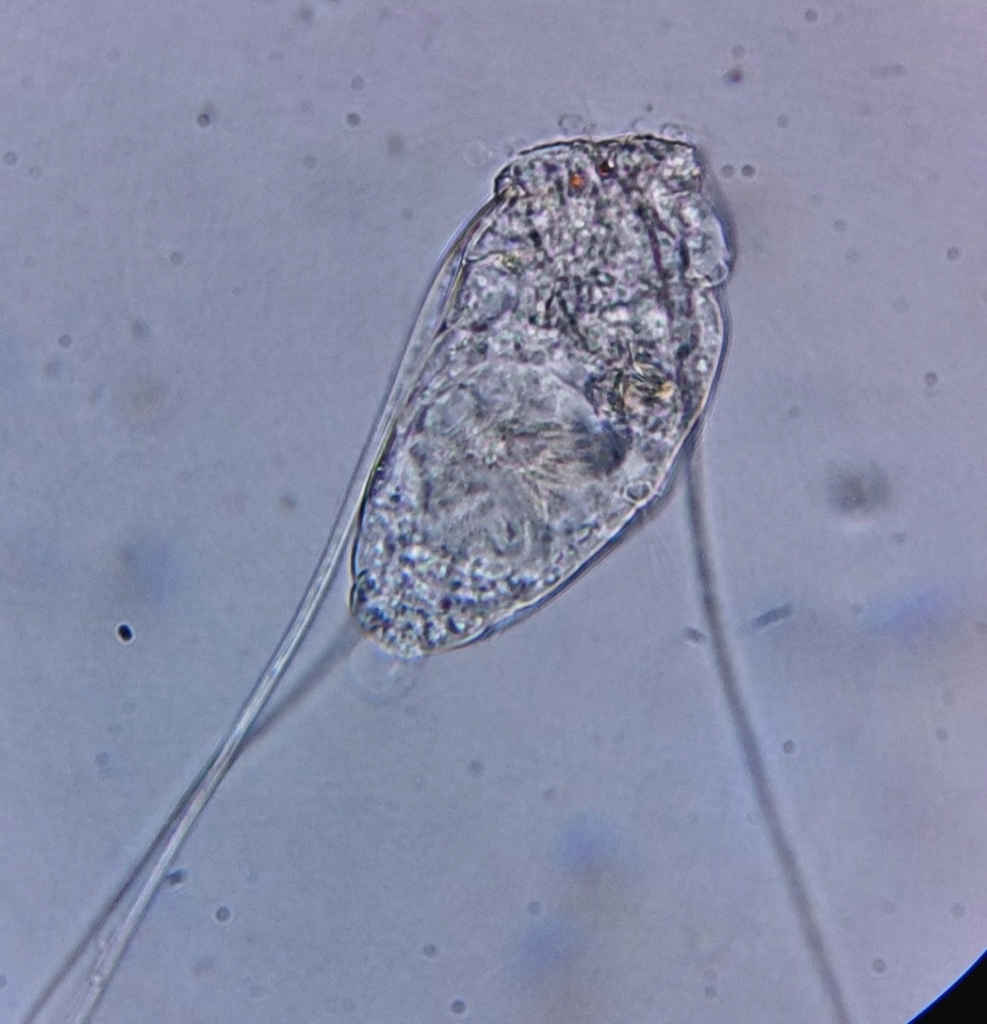
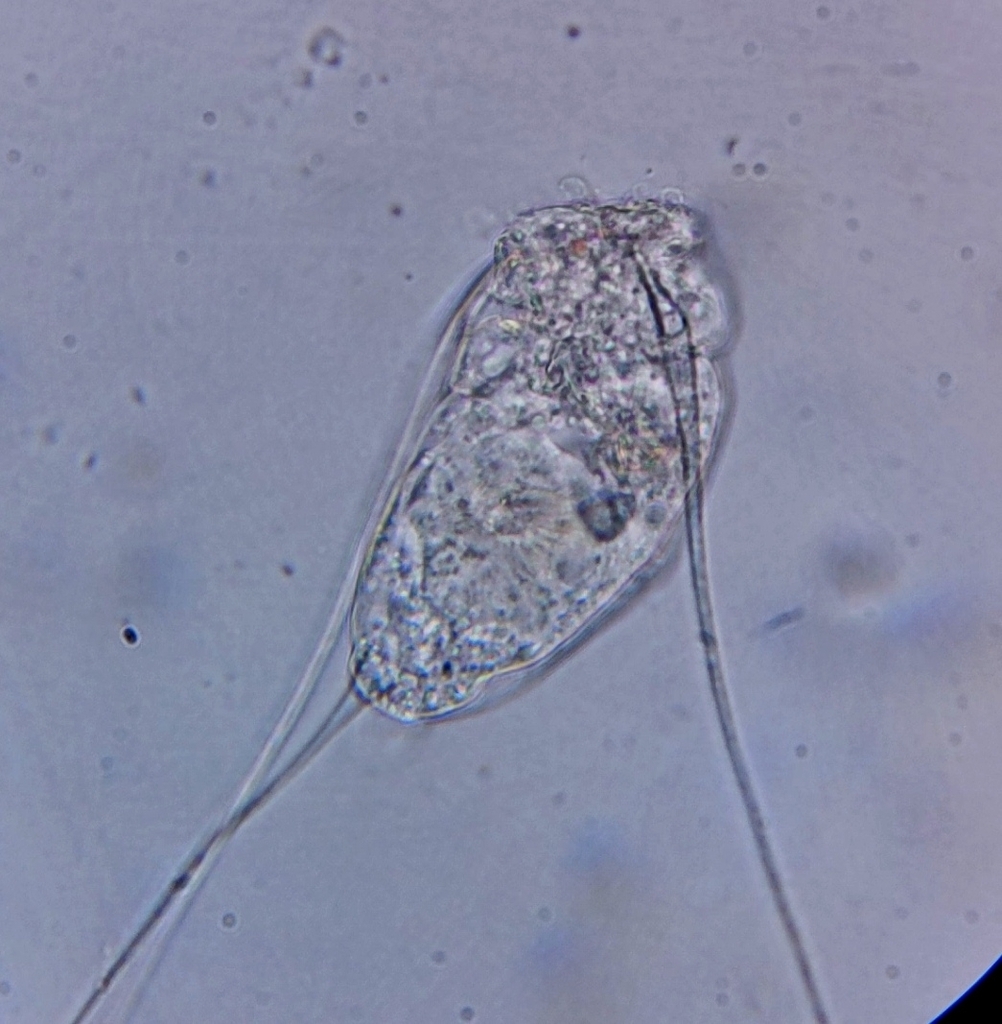
no rights reserved · CC0 1.0
Related Species

Was this profile helpful?