
Eurotatoria · Flosculariaceae
Filinia Novaezealandiae
Filinia novaezealandiae

Scientific Classification & Quick Facts
Classification
Known For
Full profile in progress — check back soon.
Filinia novaezealandiae is a microscopic rotifer belonging to the phylum Rotifera, a group of aquatic animals so small they require magnification to observe. Named for its initial discovery in New Zealand, this species has since been documented across eight countries, revealing a broader geographic distribution than once suspected. Despite its diminutive size—typical of most rotifers—this organism plays a meaningful role in freshwater ecosystems as both predator and prey, cycling nutrients through the water column and feeding on smaller microorganisms.
Little is known about the specific ecology and life history of Filinia novaezealandiae, and its conservation status remains formally unknown. The species illustrates a broader gap in our knowledge of microinvertebrate biodiversity—organisms that sustain aquatic food webs yet remain poorly studied compared to larger, more conspicuous animals. Understanding its distribution, habitat preferences, and ecological role offers insight into the hidden diversity of freshwater ecosystems worldwide.
Identification and Appearance
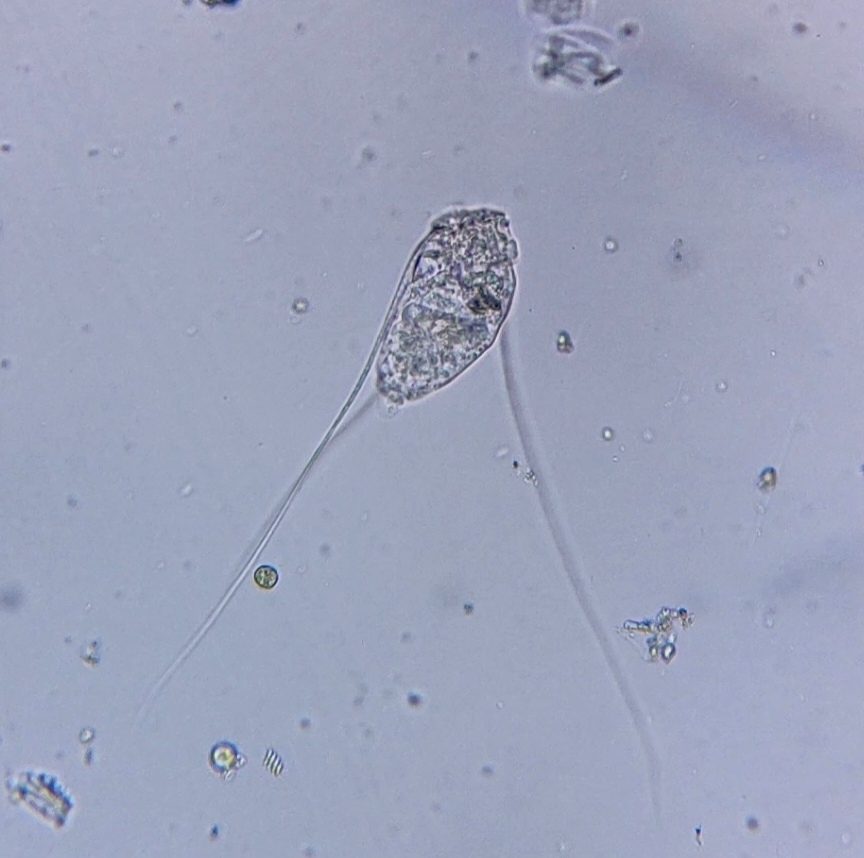
Filinia novaezealandiae is a microscopic rotifer belonging to the family Filiniidae. Like all members of its genus, this species is a minute organism requiring magnification to observe in detail. The animal inhabits freshwater environments and is known from New Zealand, where it occurs at an average elevation of approximately 678 metres.
As a rotifer, Filinia novaezealandiae possesses the characteristic features of its phylum: a transparent or translucent body plan, an anterior corona of cilia used for feeding and movement, and a posterior foot with toes for temporary attachment to substrates. The precise morphological characteristics—including body length, colour patterning, and distinctive markings that would differentiate this species from congeners—are not currently documented in standard taxonomic references. Identification at the species level typically requires microscopic examination of internal structures and detailed comparison with type specimens.
New Zealand’s freshwater systems, particularly at moderate elevations where this species is recorded, provide the cool, relatively undisturbed conditions favourable to many rotifer populations. The species likely exhibits the seasonal population fluctuations typical of rotifers in temperate regions, responding to changes in water temperature, nutrient availability, and predation pressure from larger zooplankton.
Distribution and Habitat
Filinia novaezealandiae has been recorded across eight countries, with the strongest documented presence in East Africa and Southeast Asia. Ethiopia leads with seven records, followed by Thailand with six observations. Additional occurrences appear in Kenya (2 records), Mexico (2), New Zealand (2), and single records from Guatemala, Tanzania, and French Guiana. This scattered distribution suggests the species occupies freshwater environments across tropical and subtropical regions spanning Africa, Asia, the Americas, and Oceania.
The species occurs at elevations ranging from 127 metres to 953 metres above sea level, with an average of approximately 678 metres. This moderate elevation range indicates tolerance for both lowland and mid-altitude freshwater systems. Seasonality data show marked peaks in December, when three records were documented, with occasional sightings in March, April, and July. The concentration of observations in December may reflect seasonal water availability or conditions favoring population sampling in the relevant regions during that month.
As a rotifer, Filinia novaezealandiae inhabits aquatic and semi-aquatic environments, though specific habitat preferences remain understudied. The geographic spread across diverse climatic zones—from East African highlands to Thai lowlands and Oceanic freshwaters—suggests the species can persist in varied freshwater conditions, including temporary and permanent water bodies where suitable algal food sources are present.
Biology and Behavior
Behavior
Filinia novaezealandiae is a rotifer, a microscopic animal belonging to the phylum Rotifera. Like other members of this group, it exhibits the characteristic behaviors of a planktonic organism, drifting and swimming through freshwater environments. The species moves through water using its corona—a ring of cilia around its anterior end—which creates currents for both locomotion and feeding. This ciliary apparatus allows the organism to navigate its microscopic world and position itself in favorable feeding zones.
As a member of the genus Filinia, this species likely exhibits behaviors typical of filter-feeding rotifers, including periodic swimming and settling patterns. Rotifers of this genus are known to respond to environmental cues such as light, chemical gradients, and water disturbances, adjusting their position within the water column accordingly. The organism’s small size and aquatic lifestyle mean it remains largely invisible to the naked eye, with its behavior observable only through microscopic examination.
Diet
Filinia novaezealandiae is a filter feeder, like most rotifers in its genus. The species consumes microscopic food particles suspended in the water, including bacteria, small algae, and organic detritus. Using its ciliated corona, the organism generates feeding currents that draw particles toward its mouth, where they are filtered and ingested. This feeding strategy allows the rotifer to exploit abundant food resources in its freshwater habitat without active hunting.
The organism’s diet depends on the availability of particles within its local environment. In nutrient-rich waters, populations of Filinia novaezealandiae can thrive on abundant bacterial and algal cells. In less productive waters, the species relies on dissolved organic matter and smaller particulates. This dietary flexibility has likely contributed to the genus’s wide geographic distribution and ecological success across diverse freshwater ecosystems.
Reproduction
Filinia novaezealandiae reproduces through a process common to many rotifers: a combination of asexual and sexual reproduction. Under favorable environmental conditions, females produce eggs via asexual parthenogenesis, generating clones that mature rapidly and contribute to population growth. This reproductive strategy allows the species to exploit resource-rich periods efficiently, rapidly building population numbers without the time investment of sexual mating.
When environmental conditions deteriorate—such as food scarcity, overcrowding, or temperature stress—the species shifts to sexual reproduction. Males develop in the population, and sexual eggs are produced; these eggs are typically more resilient and resistant to harsh conditions, allowing the species to survive unfavorable periods in a dormant state. The rapid generation time of asexually reproducing rotifers, combined with the survival advantage of sexually produced resting eggs, makes Filinia novaezealandiae well adapted to the dynamic conditions of freshwater environments.
Conservation and Threats
Filinia novaezealandiae has not been formally assessed by the IUCN Red List, so its official conservation status remains unknown. This rotifer species, endemic to New Zealand freshwater systems, lacks the comprehensive population data and threat assessment needed for a formal Red List evaluation. The absence of a designated status does not indicate safety—rather, it reflects the limited research attention many microinvertebrate species receive globally.
Without published population surveys or trend data, the current abundance and trajectory of Filinia novaezealandiae cannot be determined with confidence. Like most rotifers, this species is difficult to monitor due to its microscopic size and the specialized taxonomy required to identify it reliably in field samples. Opportunistic records from freshwater surveys may exist in regional databases or museum collections, but systematic monitoring programs remain absent for this taxon.
Threats and Conservation Efforts
Potential threats to Filinia novaezealandiae are not formally documented, but freshwater rotifers in general face risks from habitat degradation, pollution, eutrophication, and shifts in water chemistry. Changes to New Zealand’s wetland and stream systems—driven by land use intensification, urban development, and climate variability—could affect rotifer communities indirectly. However, no specific conservation programs or legal protections have been established for this species.
Fun Facts
Filinia novaezealandiae is a rotifer—a microscopic animal so small that thousands could fit on the head of a pin. Despite their diminutive size, rotifers are fully formed organisms with complete organ systems, making them remarkable examples of biological complexity at the microscopic scale.
- Rotifers like F. novaezealandiae possess a unique feeding structure called a corona, which consists of cilia arranged in rings around the mouth and creates a whirlpool effect to draw food particles into the digestive system.
- Members of the genus Filinia are omnivorous planktonic organisms found in freshwater environments, feeding on algae, bacteria, and even smaller zooplankton—making them key players in aquatic food webs despite being invisible to the naked eye.
- Filinia species can reproduce asexually through parthenogenesis, where females produce clones of themselves without male fertilization, allowing rapid population growth in favorable conditions.
- Rotifers are among the most resilient animals on Earth; they can enter a state called cryptobiosis, suspending all metabolic activity and surviving extreme desiccation for years before rehydrating and resuming life.
- The body of a rotifer is transparent, allowing researchers to observe its internal organs and life processes directly under a microscope—making F. novaezealandiae a valuable organism for studying animal development and physiology.
- New Zealand’s freshwater ecosystems host diverse rotifer communities, including F. novaezealandiae, which play crucial roles in regulating phytoplankton populations and nutrient cycling in lakes and ponds.
Related Species
Was this profile helpful?