
Aves · Falconiformes
Peregrine Falcon
Falco peregrinus
Least ConcernAlso known as: Duck Hawk, Great-footed Hawk
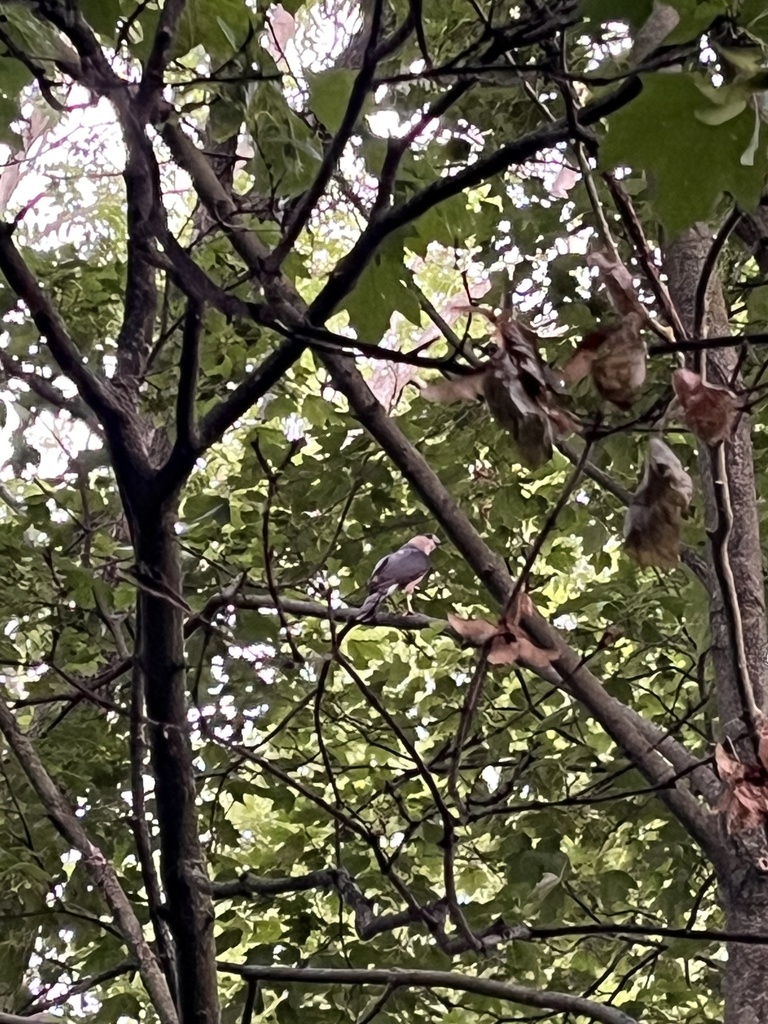
© Elliot Greiner · iNaturalist · CC BY 4.0
Scientific Classification & Quick Facts
Classification
At a Glance
The peregrine falcon is a bird of unparalleled speed and precision. With a stoop—a controlled dive from great height—it achieves velocities exceeding 320 kilometres per hour, making it the fastest animal on Earth. This sleek raptor has colonised nearly every continent, thriving in landscapes from urban skyscrapers to remote cliffs, and is now found across 29 countries worldwide. Its global recovery from near extinction represents one of conservation’s most compelling successes.
Listed as Least Concern by the IUCN, Falco peregrinus has recovered spectacularly since the 1970s, when pesticide poisoning nearly drove it to extinction in North America and Europe. Today, it hunts medium-sized birds across open country and urban centres alike, demonstrating remarkable adaptability. Its renaissance illuminates how targeted protection—including captive breeding and nest-site management—can restore populations on the edge of collapse, and explains why this species commands attention from both conservation biologists and bird enthusiasts worldwide.
Identification and Appearance
The peregrine falcon is a medium-sized bird of prey with a body length of 34–58 centimetres and a wingspan of 74–120 centimetres. The species displays marked sexual dimorphism in size, with females measuring up to 30% larger than males. Males weigh 330–1,000 grams, while the noticeably larger females weigh 700–1,500 grams. In most subspecies, males weigh less than 700 grams and females exceed 800 grams; cases of females weighing approximately 50% more than their male breeding mates occur regularly.
Plumage and Markings
Both sexes share similar markings and plumage patterns. The peregrine falcon is characterised by dark upperparts that contrast sharply with pale underparts, creating a distinctive appearance easily recognised in the field. The face bears the species’ signature feature: bold dark “malar stripes” (moustache marks) that run downward from the eye, creating an intense, hooded expression. The crown is dark, often nearly black, and extends down the nape. This high-contrast facial pattern and streamlined body shape make the species unmistakable among raptors.
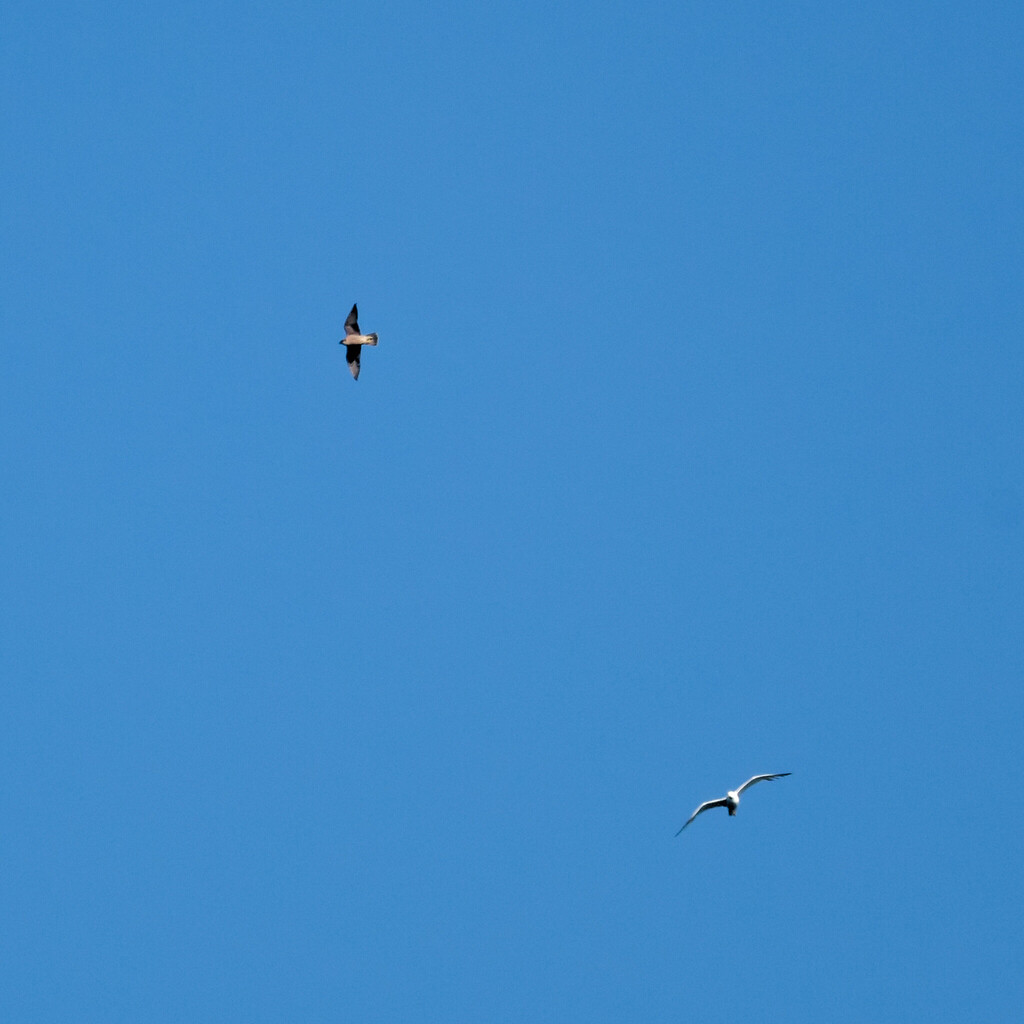
The wings are pointed and scythe-like, an adaptation for the extreme speed and manoeuvrability required during high-speed pursuits of airborne prey. Plumage colour varies subtly across the numerous subspecies distributed worldwide, but the fundamental pattern of dark upperparts, pale breast and belly, and barred underparts remains consistent. The tail is relatively short and square-ended, aiding rapid directional changes during flight.
Distribution and Habitat
Falco peregrinus has a nearly cosmopolitan distribution across 29 countries, with the strongest populations concentrated in northern Europe. Norway and Sweden dominate the records, accounting for 86 and 80 observations respectively, followed by Denmark with 43. The species also maintains significant presence in North America, particularly the United States (33 records), and scattered populations across western Europe including the United Kingdom, Germany, Italy, and Romania. Additional records extend into Puerto Rico and Russia, reflecting the species’ wide geographic footprint.
Peregrine falcons occupy diverse landscapes from coastal cliffs and urban environments to open terrain, demonstrating remarkable adaptability across their range. They breed and hunt in areas that provide vantage points for aerial pursuit—including sea cliffs, inland rock formations, and increasingly, tall structures in cities. The species tracks prey migration and food availability, shifting across regions seasonally. A marked concentration of observations occurs in January, suggesting winter aggregations or enhanced detectability during this period, though sighting data remains sparse for other months in the available records.
Biology and Behavior
Behavior
The peregrine falcon inhabits mountain ranges, river valleys, coastlines, and increasingly cities across its range. In mild-winter regions, populations are permanent residents, with adult males often remaining on breeding territories year-round. Only populations breeding in Arctic climates undertake long-distance migrations during northern winters.
The falcon’s most distinctive behavior is its hunting stoop—a near-vertical high-speed dive from great heights used to strike prey. During this dive, the bird reaches extreme velocities and impacts prey with one wing to avoid self-injury. Small bony tubercles (ridges) on the falcon’s nostrils are theorized to channel airflow away from the nostrils, protecting the lungs from pressure damage during these intense dives.
Diet
Peregrine falcons are specialized avian predators, hunting primarily medium-sized birds in flight. They pursue prey with unmatched aerial agility, using their stoop to intercept and capture targets mid-flight. Their prey includes pigeons, doves, shorebirds, and smaller songbirds, depending on local availability and seasonal patterns.
Reproduction
Peregrine falcons are monogamous and highly territorial during breeding season. Pairs nest on cliff ledges, building crevices, and increasingly on man-made structures such as tall buildings and bridge girders in urban environments. They do not construct nests but lay eggs in scrapes—shallow depressions in existing cavities.
Females lay a clutch of two to four eggs, typically three, which both parents incubate for approximately 29 to 32 days. Young fledge at 35 to 42 days old and remain dependent on their parents for several weeks after leaving the nest. The extended family bond and high site fidelity—with pairs returning to the same territory year after year—contribute to the species’ relatively long lifespan of up to 25 years in the wild.
Conservation and Threats
Falco peregrinus holds a Least Concern status on the IUCN Red List, reflecting a remarkable recovery from near extinction in the mid-20th century. However, the species’ global population is currently decreasing, signalling that ongoing vigilance remains essential despite its formal conservation category.
Threats
The peregrine falcon faced catastrophic declines during the 1950s and 1960s, driven primarily by organochlorine pesticides—particularly dichlorodiphenyltrichloroethane (DDT)—which accumulated in the food chain and caused eggshell thinning. Though DDT was banned in many developed nations by the 1970s, its lingering effects persist, and illegal or continued use in some regions poses ongoing risk. Habitat loss, particularly the removal of cliff nesting sites and tall urban structures unsuitable for breeding, constrains populations in certain areas. Illegal persecution, including nest destruction and shooting for falconry, remains a localized but significant threat in some territories. Climate change may alter prey availability and breeding phenology, though long-term impacts are still emerging.
Conservation Efforts
The peregrine falcon’s recovery stands as one of conservation’s success stories. Captive breeding programmes, initiated in the 1970s in North America and Europe, reintroduced thousands of birds to the wild and restored viable populations where the species had been extirpated. Legal protections—including listing under the Endangered Species Act in the United States and similar legislation globally—prohibit hunting and nest disturbance. Nest box programmes and urban monitoring initiatives help birds breed successfully on buildings, bridges, and artificial structures. International cooperation through the Ramsar Convention and regional agreements has standardized protection across migratory routes.
The current downward trend demands continued action. Reducing residual pesticide use, protecting remaining cliff habitat, preventing illegal take, and maintaining nest site availability remain critical. Success depends on sustained funding for monitoring and enforcement, as well as cross-border coordination given the species’ intercontinental migrations.
Fun Facts
The peregrine falcon is one of nature’s most accomplished hunters, with a hunting strategy and physical design perfectly tuned for speed and precision in the air. Here are some surprising facts about this extraordinary bird of prey.
- During a hunting dive called a stoop, the peregrine falcon reaches speeds exceeding 320 kilometres per hour, making it the fastest animal on Earth.
- The bird’s dramatic high-speed dives are made possible by a specially adapted skull and reinforced skeleton that can withstand tremendous g-forces.
- Female peregrine falcons are considerably larger than males—a pattern seen across bird-eating raptors—giving them an advantage in handling larger prey.
- Historically, the peregrine falcon was called the “duck hawk” in North America because it preyed so effectively on waterfowl and other birds in flight.
- In Australia, the species earned the local name “black-cheeked falcon,” a reference to the bold dark facial markings that contrast with its blue-grey back and barred white underparts.
- The peregrine falcon is crow-sized, yet its hunting prowess and territorial behavior made it a symbol of elite falconry for centuries across Europe, the Middle East, and Asia.
- The species nearly went extinct in the mid-20th century due to pesticide poisoning and egg-shell thinning, but intensive captive-breeding programmes saved it from the brink of extinction.
Conservation Status
LC (Least Concern) · NT · VU · EN · CR · EW · EX
Photo Gallery
Elliot Greiner · CC BY 4.0
Related Species
Was this profile helpful?