
Gnetopsida · Ephedrales
Joint Pine
Ephedra distachya
Least ConcernAlso known as: European Ephedra, Jointfir, Little Sea Grape, Sea Grape, jointfir
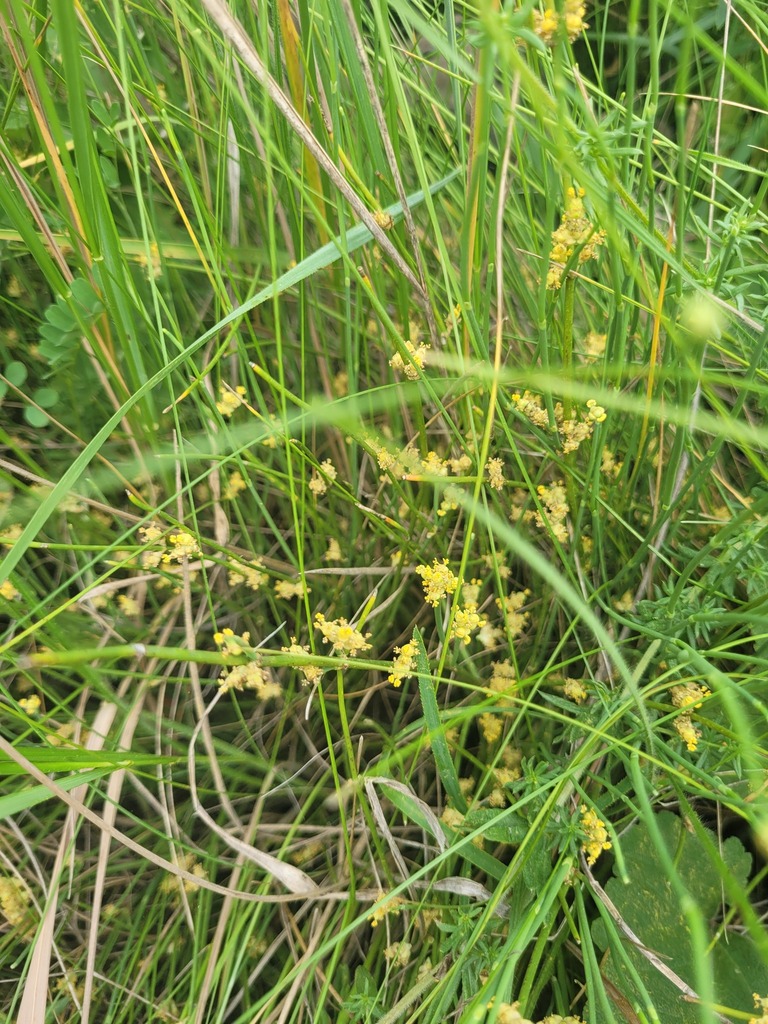
© Dmitriy Bochkov · iNaturalist · CC BY 4.0
Scientific Classification & Quick Facts
Classification
At a Glance
Ephedra distachya, known as Joint Pine, is a wiry, deciduous shrub that defies the typical image of a conifer. Unlike true pines, this ancient plant belongs to the gymnosperm class Gnetopsida—a lineage that bridges the gap between conifers and flowering plants. Its peculiar jointed, green stems perform photosynthesis in place of conventional leaves, giving the plant its common name and an otherworldly appearance suited to harsh, arid environments.
Joint Pine is found across 11 countries, primarily in the Mediterranean region and Central Asia, where it thrives in rocky slopes, sandy steppes, and semi-desert conditions. The species is classified as Least Concern by the IUCN, reflecting its broad geographic distribution and ecological resilience. Its persistence across such diverse arid and semi-arid landscapes underscores the remarkable adaptability of this ancient plant group.
What makes Joint Pine particularly compelling is its dual significance: it is both a botanical curiosity that illuminates plant evolution and a practical resource that has been harvested for millennia in traditional medicine and as a source of the stimulant ephedrine. Understanding this species reveals how plants innovate under environmental stress and how ancient lineages continue to shape human culture and ecology.
Identification and Appearance
Ephedra distachya, commonly called Joint Pine, is a diminutive shrub that rarely exceeds 25–50 centimetres in height. This extreme dwarfism is one of its most defining characteristics, making it instantly recognizable in its native arid and semi-arid habitats. The plant’s compact stature allows it to thrive in harsh, exposed environments where taller woody species struggle, particularly at modest elevations around 560 metres where it is commonly encountered.
Stem and Branch Structure
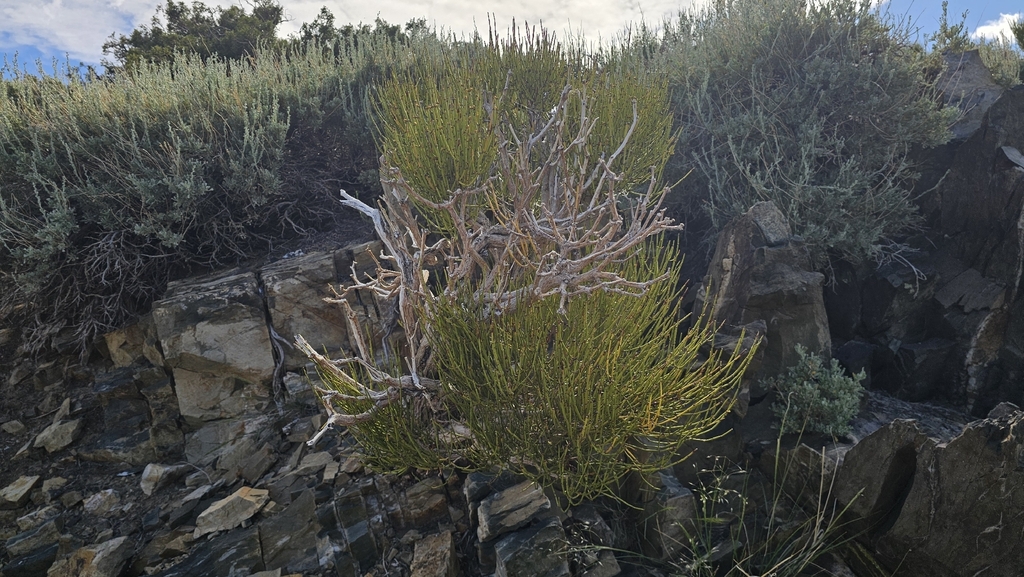
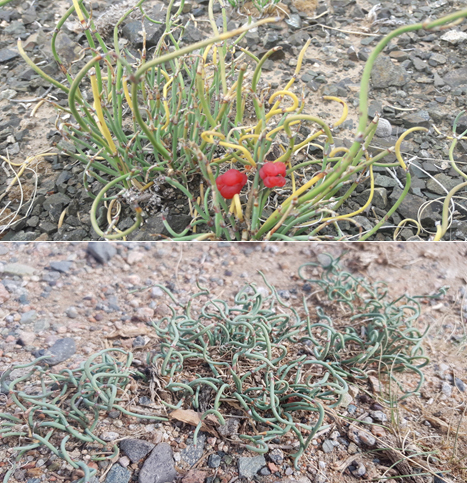
The plant’s most distinctive visual feature is its system of green, jointed stems that branch repeatedly and spread close to the ground or slightly upright. These stems are thin and wiry, typically herbaceous or woody depending on age and growth conditions. The characteristic “joints” or nodes where stems branch are clearly visible and give the plant a peculiar, almost skeletal appearance. Where the stems would normally bear leaves, scale-like structures occur instead—a reduction that reflects the genus’s ancient evolutionary origin and adaptation to desert conditions.
Reproductive Structures
Joint Pine produces small, inconspicuous reproductive cones rather than flowers in the conventional sense. The seed-bearing cones are fleshy and red or orange when mature, providing a subtle but notable flash of colour against the predominantly green foliage. These berry-like structures are among the few coloured elements of the plant’s otherwise muted appearance, and they serve as the primary distinguishing feature during the fruiting season. The diminutive scale of all structures—stems, cones, and reproductive organs—reinforces the plant’s role as a pioneer species in marginal rocky and gravelly soils where competition from larger plants is minimal.
Distribution and Habitat
Ephedra distachya is found across a broad swathe of Eurasia, with records concentrated in Russia and China. The species occurs in 11 countries total, with Russia accounting for the highest number of observations (97 records), followed by China (83 records) and Ukraine (39 records). Additional populations are documented in Kazakhstan, France, Hungary, Romania, Spain, and Greece, reflecting a fragmented but geographically extensive range across temperate and steppe regions.
The species occupies a moderate elevation band, occurring from 53 metres to 847 metres above sea level, with an average elevation of 560 metres. This vertical range encompasses lowland and foothill habitats, suggesting broad ecological flexibility across different topographies within its continental distribution.
Observations show a pronounced seasonal pattern, with the vast majority of records concentrated between January and May. Peak activity occurs in March (91 observations), with significant presence in February, April, and May. The absence of records from July through December suggests either dormancy during warmer months or reduced detectability during the growing season when the plant may be less conspicuous to surveyors.
Growth and Cultivation
Growth
Ephedra distachya, commonly called Joint Pine, is a low-growing shrub with a distinctive branched, jointed stem structure. The plant develops as a compact, spreading woody specimen, typically forming dense mats or cushions across rocky and arid terrain. Its characteristic segmented green stems—which are photosynthetic and largely replace the function of true leaves—give the plant a skeletal, almost architectural appearance. The foliage is reduced to tiny scale-like structures along the joints, a adaptation to water-stressed environments.
Growth rate and mature dimensions are not extensively documented for this species, though field observations across its native Mediterranean and Central Asian range indicate it remains a relatively small shrub, rarely exceeding 1 metre in height. Its slow establishment and modest stature make it well-suited to rocky outcrops, steppe grasslands, and calcareous soils where larger woody plants struggle to establish.
Flowering
Joint Pine produces small, cone-like reproductive structures rather than true flowers. These appear at the branch nodes and consist of male and female cones on separate plants (the species is dioecious). The male cones release pollen in spring, while female cones develop fleshy, berry-like arils that ripen to red or orange tones by late summer or autumn. These colourful fruiting structures are the most visually distinctive reproductive feature and attract dispersal by birds and small mammals across its native range.
Cultivation
Joint Pine is an exceptionally hardy shrub adapted to extreme aridity and nutrient-poor soils. It thrives in full sun and requires excellent drainage; waterlogged soils cause root rot and rapid decline. The species tolerates strongly alkaline and calcareous soils typical of its native Mediterranean limestone habitats, though it also grows well in neutral substrates. Supplemental watering is rarely necessary once established; the plant relies on deep root systems to access moisture during extended dry periods.
Propagation is challenging and slow. Seed requires cold stratification (exposure to winter conditions) to break dormancy, and germination rates remain low even under optimal conditions. Cuttings are difficult to root. In cultivation, allow the plant to develop without supplemental fertiliser—its adaptation to infertile native soils means nutrient additions often stress rather than benefit the specimen. Established plants require minimal maintenance beyond occasional removal of dead wood. This species is best suited to specialist collectors and botanic gardens with the expertise to provide appropriate Mediterranean or steppe-like growing conditions.
Conservation and Threats
Ephedra distachya, commonly known as Joint Pine, holds a conservation status of Least Concern (LC) on the IUCN Red List. This designation indicates that the species currently faces no immediate threat of extinction and maintains stable populations across its range. However, this favourable status does not render the species immune to future pressures, particularly in regions where its habitat is undergoing rapid change.
Threats
Joint Pine inhabits arid and semi-arid environments, making it sensitive to land-use conversion and habitat degradation. Urban expansion, agricultural intensification, and infrastructure development fragment its populations in accessible lowland areas. Climate change poses an emerging threat, as altered precipitation patterns and rising temperatures could reduce the availability of moisture-dependent niches where this xerophytic shrub persists. Overexploitation for traditional medicine and ornamental horticulture has historically affected some populations, though this pressure varies by region.
Conservation Efforts
Joint Pine benefits from its classification as Least Concern, which has allowed it to escape intensive conservation intervention that can strain limited resources. The species occurs within several protected areas across its Mediterranean and Central Asian range, providing de facto habitat protection. In some countries, collection restrictions and trade regulations under CITES Appendix III limit commercial harvesting and help maintain wild populations.
Fun Facts
- Joint Pine is one of Europe’s smallest woody plants, rarely exceeding 50 centimetres in height, yet it survives in the harsh, shifting environment of stabilized sand dunes across southern and central Europe and western Asia.
- The plant belongs to the ancient family Ephedraceae, which traces its lineage back over 100 million years—making it a living fossil of the Mesozoic era that has remained virtually unchanged in form and function.
- Known locally as somlatha in some regions, Joint Pine has been used in traditional medicine systems for centuries, though modern pharmacological research on this species remains limited compared to its Asian relatives.
- Unlike most plants, Joint Pine has virtually no visible leaves; instead, its photosynthesis occurs in green, jointed stems that give the genus its distinctive appearance and allow it to conserve water in arid conditions.
- The species specifically colonizes grey dunes—the fixed, vegetation-covered sand dunes that represent a stable intermediate stage in dune succession—where its low growth and deep root system help anchor the soil against erosion.
- Joint Pine flowers are minute and inconspicuous, producing small red or orange berry-like cones that are actually modified seed structures unique to the Ephedra genus and dispersed by birds and small mammals.
Conservation Status
LC (Least Concern) · NT · VU · EN · CR · EW · EX
Photo Gallery
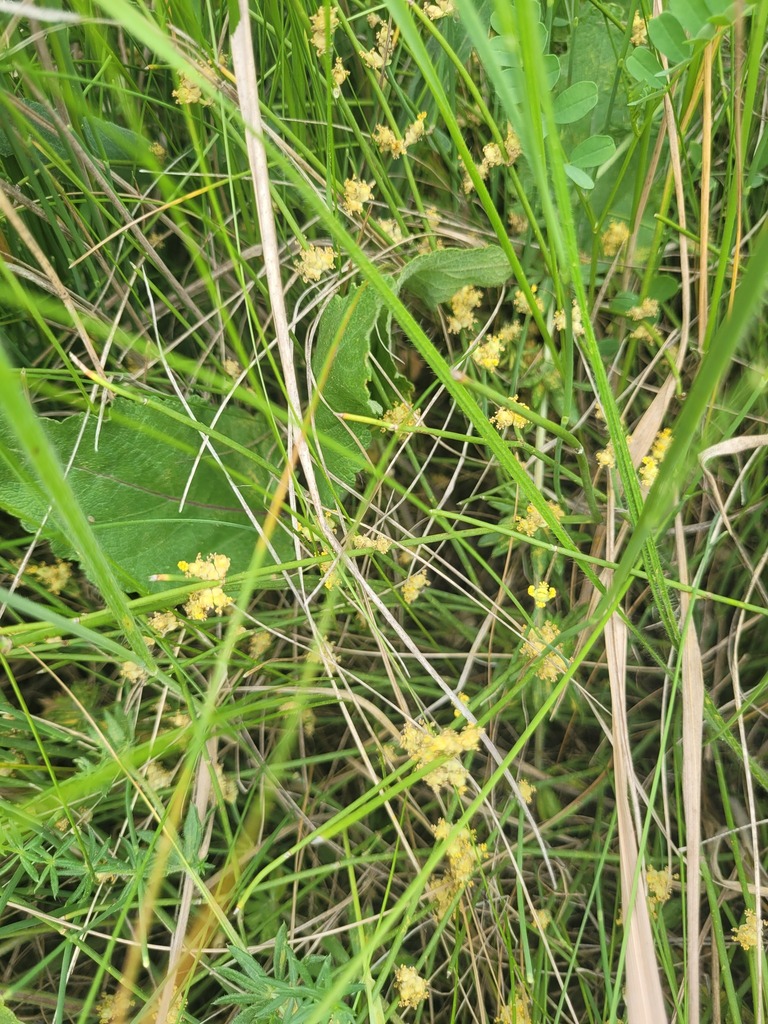
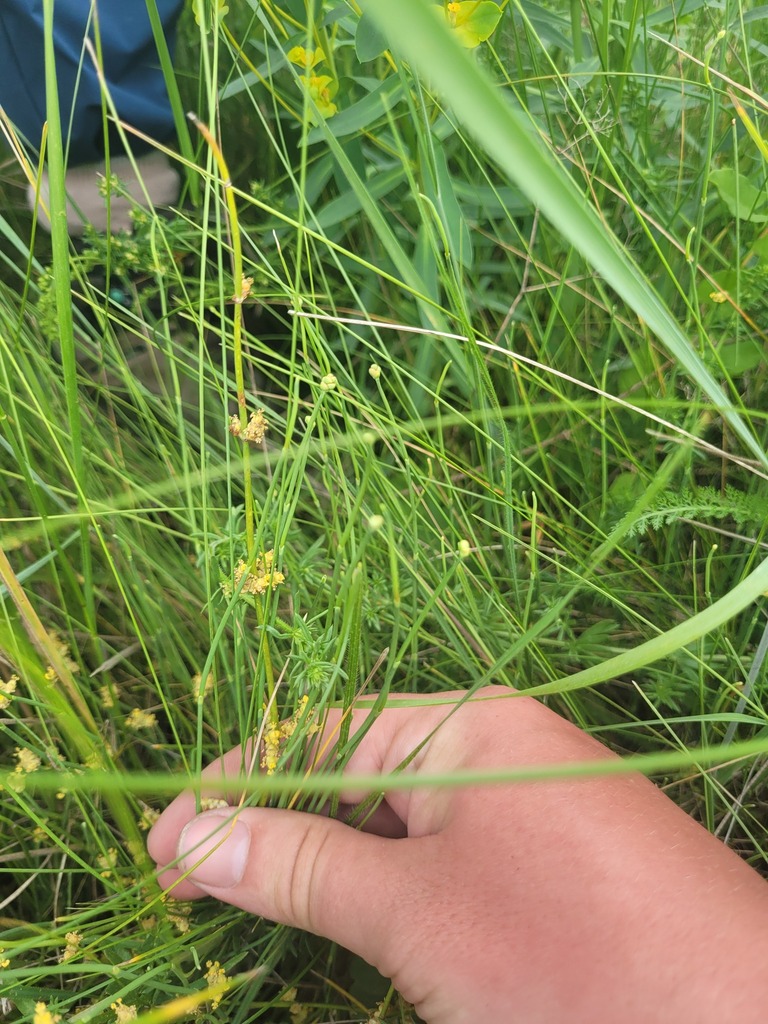
Dmitriy Bochkov · CC BY 4.0
Related Species
Was this profile helpful?