
Gnetopsida · Ephedrales
Joint Pine
Ephedra distachya
Least ConcernAlso known as: European Ephedra, Jointfir, Little Sea Grape, Sea Grape, jointfir
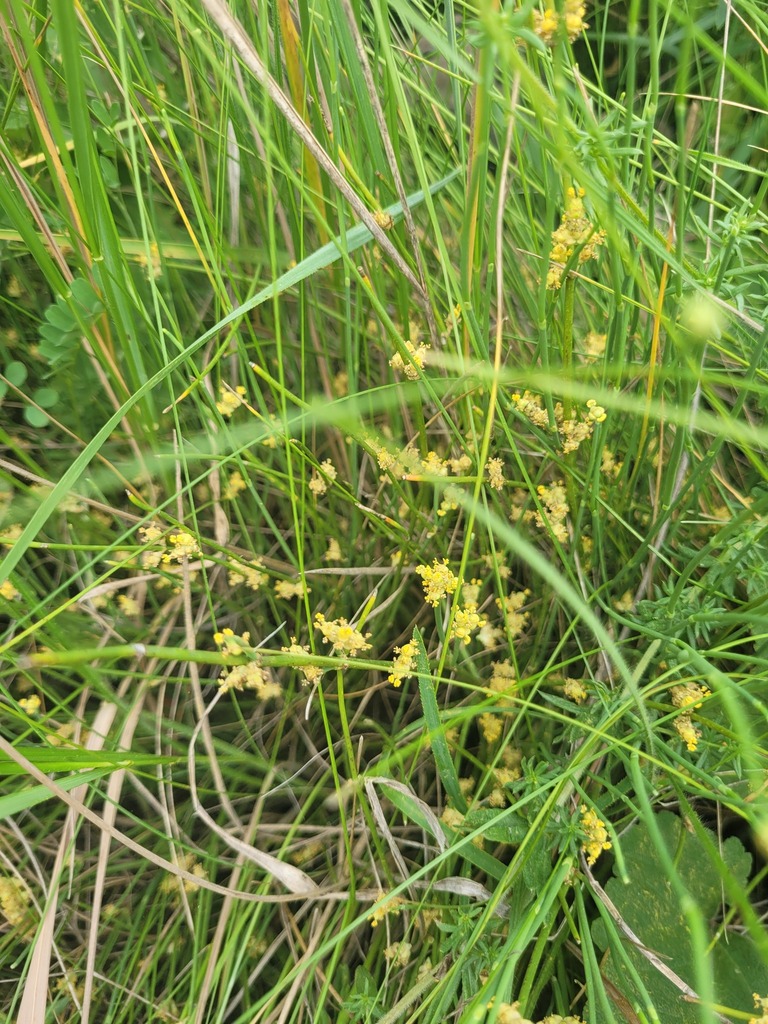
© Dmitriy Bochkov · iNaturalist · CC BY 4.0
Scientific Classification & Quick Facts
Classification
At a Glance
Ephedra distachya, commonly known as Joint Pine, is a distinctive shrub that defies conventional plant architecture. Unlike most plants, it lacks true leaves—instead, its green, jointed stems perform photosynthesis directly, creating an otherworldly appearance somewhere between a miniature conifer and an alien organism. This peculiar adaptation has allowed the species to thrive across arid and semi-arid regions spanning at least 11 countries, from the Mediterranean basin through Central Asia and beyond.
Classified within the ancient and relatively obscure family Ephedraceae, Joint Pine belongs to a lineage that has remained largely unchanged for millions of years, making it a living window into prehistoric plant diversity. Despite its prominence in arid ecosystems across multiple continents, the species maintains a stable conservation status (Least Concern), reflecting its resilience and ecological success. Understanding this remarkable shrub offers insights into extreme plant adaptation and the hidden botanical diversity of dryland environments.
Identification and Appearance
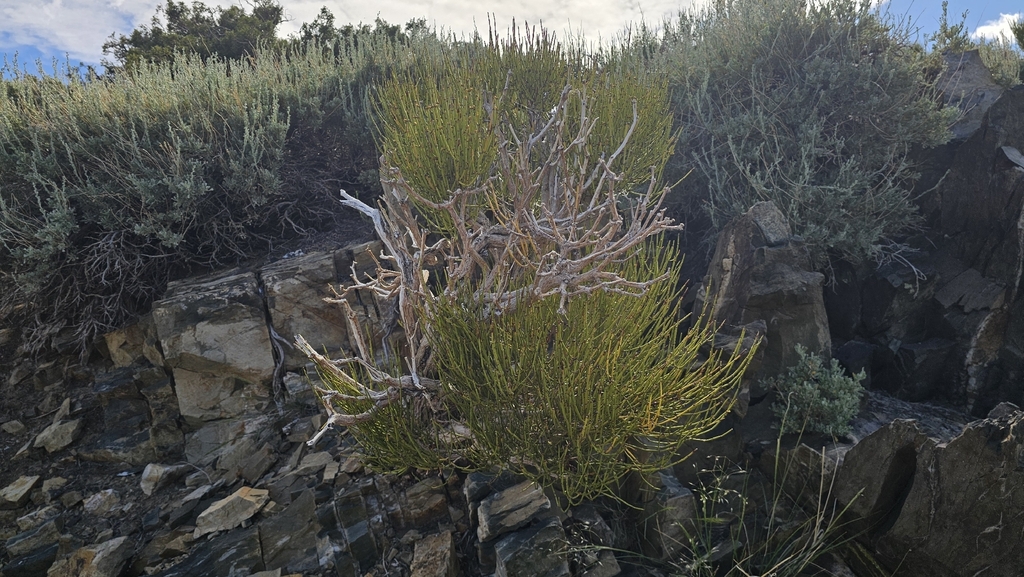
Ephedra distachya, commonly known as Joint Pine, is a diminutive prostrate shrub with a distinctive jointed stem structure. The plant typically reaches heights of only 25–50 centimetres, making it an inconspicuous member of desert and semi-arid plant communities. Its compact, low-growing form allows it to withstand harsh environmental conditions and strong winds characteristic of its preferred habitats.
The most striking feature of Joint Pine is its photosynthetic stem system. Rather than possessing typical leaves, the plant bears small, scale-like structures arranged in whorls around the jointed green stems. These stems are the primary organs for photosynthesis and are divided into distinct segments or joints, which give the genus Ephedra its characteristic appearance. The branches are slender and typically arise in pairs at each joint, creating a fine, branching silhouette. The overall colour is pale to bright green, though this may shift depending on hydration and seasonal conditions in arid regions.
Reproductive structures are small and inconspicuous. Male and female cones are borne on separate plants, a feature common to many gymnosperm lineages. The seed-bearing cones of female plants develop into distinctive structures surrounded by papery bracts, which may occasionally display reddish tones at maturity. This species exhibits no marked sexual dimorphism in vegetative form, though male and female plants may be distinguished only during the reproductive season.
Distribution and Habitat
Ephedra distachya is primarily distributed across temperate and steppe regions of Eurasia, with its stronghold in Russia and China. GBIF records show Russia dominates observations with 97 records, followed by China with 83 records. The species also occurs across Central and Eastern Europe—notably Ukraine (39 records), Hungary (12 records), and Romania (10 records)—as well as in parts of Western Europe including France (28 records) and Spain (9 records). In total, the species has been recorded in 11 countries, reflecting a wide but discontinuous range across the Palearctic.
Ephedra distachya occurs at elevations between 53 and 847 metres, with an average elevation of approximately 560 metres. The species shows a marked seasonal presence, with observations concentrated between January and June, peaking sharply in March (91 records). This winter-to-spring peak likely corresponds to the plant’s active phenological period in continental and Mediterranean climates across its range. Summer months (July through November) yield no recorded observations in the dataset, suggesting either dormancy during hot, dry periods or a genuine absence of sightings in the warmer months.
The discontinuous distribution pattern reflects E. distachya‘s adaptation to open, arid habitats characteristic of steppe and semi-desert environments across southern Russia, Kazakhstan, and the eastern Mediterranean fringe. Its presence across fragmented populations from the Black Sea region westward to the Iberian Peninsula underscores the species’ tolerance for xeric conditions and its historical persistence through climate shifts, though modern populations remain vulnerable to habitat loss and fragmentation.
Growth and Cultivation
Growth
Ephedra distachya, commonly known as Joint Pine, is a low-growing shrub with a distinctive segmented, jointed stem structure that gives the plant its vernacular name. The plant develops a compact, spreading form that rarely exceeds 60 centimetres in height, making it suitable for rock gardens and alpine cultivation. Its characteristic green, photosynthetic stems lack true leaves, instead bearing small scale-like structures at the joints—an adaptation that reduces water loss in arid environments. The root system is extensive relative to the above-ground biomass, allowing the plant to access moisture deep in sandy or gravelly soils.
Flowering
Joint Pine produces small, inconspicuous flowers that emerge from the joints along the stems. The reproductive structures are dioecious, meaning male and female flowers appear on separate plants. Male cones release pollen in spring, while female flowers develop into fleshy, berry-like fruits that ripen to red or orange tones. These fruit structures are technically modified seed cones rather than true berries, and they mature over the course of the growing season, providing visual interest once established.
Cultivation
This species thrives in full sun and demands excellent drainage; waterlogged soil will cause root rot and plant death. Joint Pine is exceptionally drought tolerant once established, requiring minimal supplemental watering except during prolonged dry spells in cultivation. It prefers sandy, gravelly, or poor soils and actually performs poorly in rich, heavily amended garden beds. The plant is hardy in temperate to Mediterranean climates and tolerates alkaline to neutral soil conditions, though it adapts to a broad range of pH levels.
Propagation is best achieved from seed, which should be stratified (cold-treated) before sowing to improve germination rates. Cuttings are possible but notoriously difficult to root successfully. Once established, Joint Pine requires almost no maintenance and benefits from occasional light pruning to maintain shape. It is well suited to xeriscaping schemes, alpine troughs, and well-drained rockeries where its unusual architecture becomes a defining feature of the garden.
Conservation and Threats
Ephedra distachya, commonly known as Joint Pine, holds a conservation status of Least Concern (LC) on the IUCN Red List. This classification indicates that the species currently faces no immediate threat of extinction and maintains sufficient populations across its range to persist without urgent intervention. The stable status reflects the species’ ability to persist in its native habitats despite historical and ongoing pressures.
Threats
Although Joint Pine is not currently classified as threatened, the species faces habitat loss and degradation in parts of its Mediterranean and Central Asian range. Urban expansion, agricultural intensification, and land-use conversion in suitable habitats reduce available growing space. Overgrazing by livestock can suppress regeneration in marginal populations, particularly in semi-arid regions where the species occurs naturally.
Collection for medicinal and horticultural purposes presents a secondary concern in some regions. The plant’s traditional use in herbal medicine and its appeal as an ornamental in xeriscaping projects drive localized harvesting pressure. Climate change poses an emerging long-term risk, as shifting precipitation patterns and temperature regimes may alter the suitability of habitats across the species’ range, though current impacts remain uncertain.
Conservation Efforts
Joint Pine benefits from protection within protected areas across its Mediterranean range, where national parks and nature reserves provide legal safeguards against habitat conversion. Several European countries afford the species varying degrees of legal protection under national environmental legislation. Its presence in multiple protected landscapes across southern Europe and Central Asia creates a distributed safety net against localized extinction.
Fun Facts
- Joint Pine is a dwarf shrub, reaching only 25–50 centimetres in height, making it one of the smallest members of its family and perfectly adapted to harsh, wind-swept coastal environments.
- Despite its common name, Joint Pine is not a true pine at all—it belongs to the ancient family Ephedraceae, which has remained relatively unchanged for millions of years and represents a living lineage from the time of dinosaurs.
- The plant specializes in colonizing grey dunes, which are stabilized sand dunes with continuous vegetation cover; this ecological niche requires exceptional tolerance to salt spray, poor soil, and intense sunlight.
- Its genus Ephedra contains some of the oldest vascular plants on Earth, with fossil evidence dating back over 300 million years to the Carboniferous period.
- Joint Pine is known locally as somlatha in parts of its native range across southern and central Europe through to western and central Asia, reflecting its widespread historical use and cultural significance.
- The plant’s jointed, nearly leafless stems are green and photosynthetic, compensating for the reduction in leaf surface area—an adaptation that minimizes water loss in arid and coastal conditions.
- Members of the Ephedra genus produce unique cone-like reproductive structures that are quite unlike the cones of true conifers, representing an evolutionary pathway distinct from all other seed plants.
Conservation Status
LC (Least Concern) · NT · VU · EN · CR · EW · EX
Photo Gallery
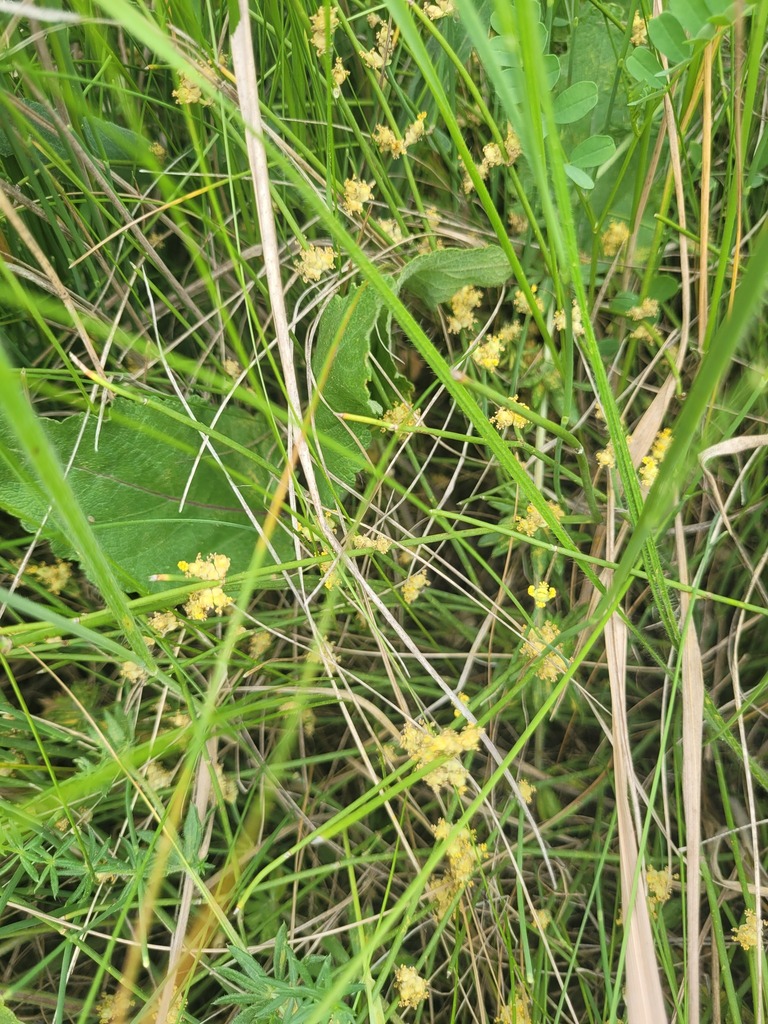
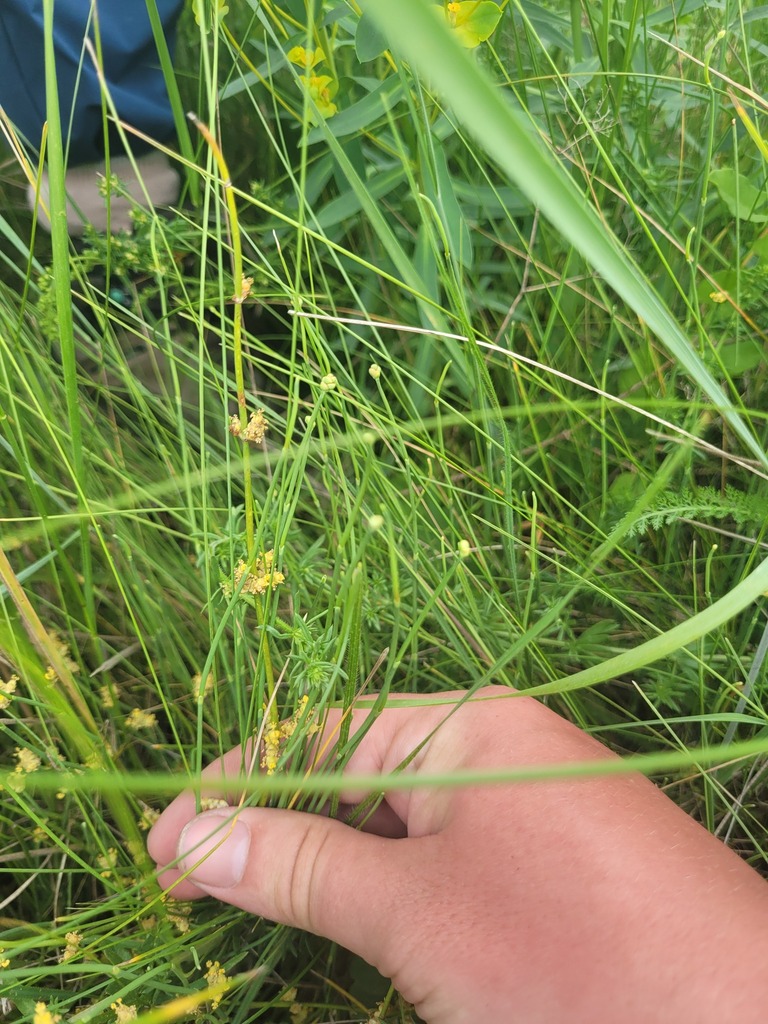
Dmitriy Bochkov · CC BY 4.0
Related Species
Was this profile helpful?