
Gnetopsida · Ephedrales
Chinese Ephedra
Ephedra sinica
Least ConcernAlso known as: Chinese joint-fir
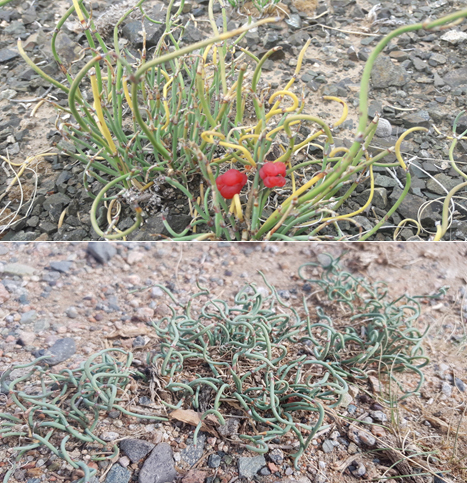
© Urgamal Magsar · iNaturalist · CC BY 4.0
Scientific Classification & Quick Facts
Classification
Known For
Detailed measurements for this species are still being verified.
Ephedra sinica, known as Chinese Ephedra, is a woody shrub native to the arid regions of East Asia. This ancient plant has played a central role in traditional Chinese medicine for over two thousand years, valued for its stimulant alkaloids and warming properties. Today it persists across at least five countries, where it continues to thrive in harsh, mountainous terrain that few other plants can tolerate.
Classified as Least Concern by the IUCN, the species demonstrates remarkable resilience in its native habitats. What sets Chinese Ephedra apart is not merely its longevity in traditional practice, but its unique position within plant evolution—a surviving member of an ancient group that has otherwise faded from prominence. Its continued use in herbal medicine and modern pharmaceuticals makes it a species at the intersection of botany, ethnobotany, and public health.
Identification and Appearance
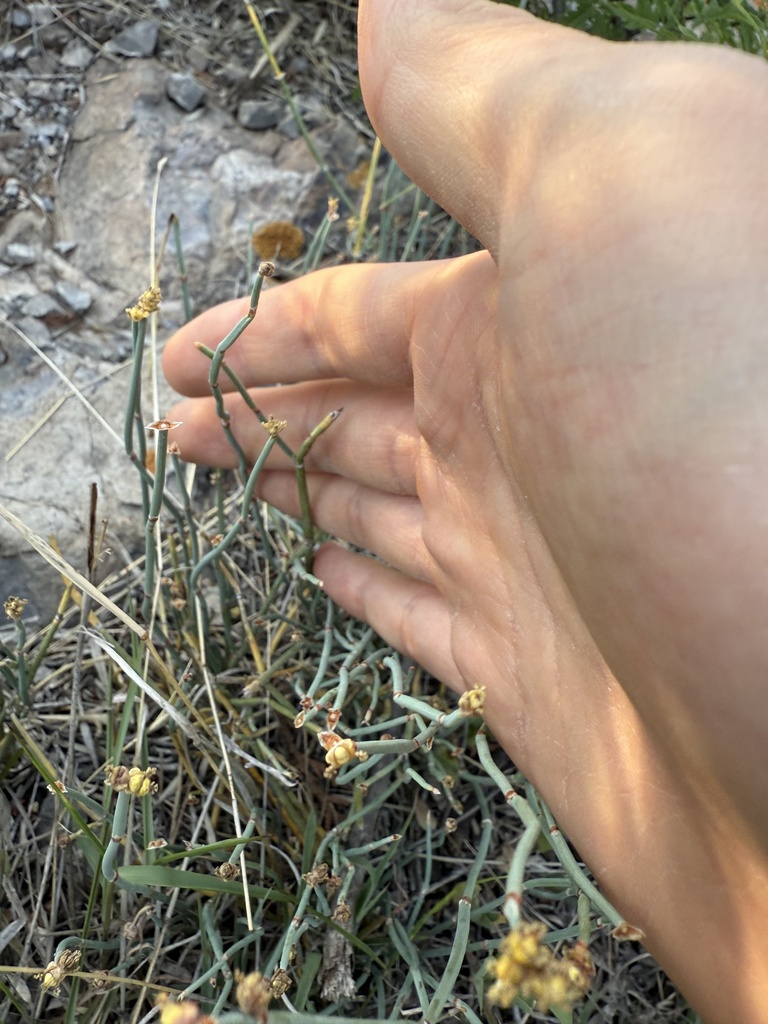
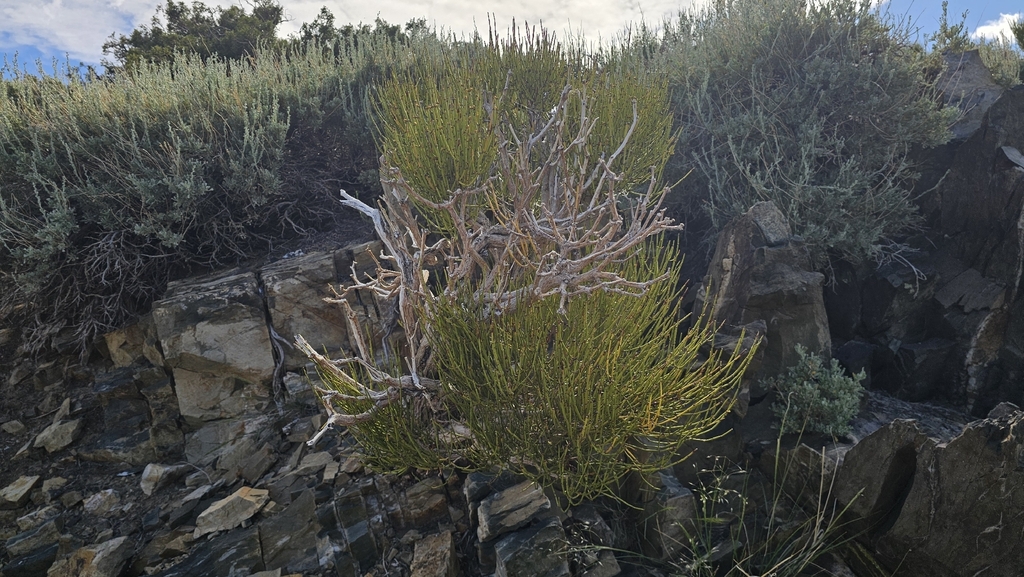
Ephedra sinica is a dioecious evergreen shrub and gymnosperm closely related to conifers. The plant is distinguished by its characteristically small leaves borne on bright green stems, giving it a distinctive jointed appearance. It has a strong pine odour and an astringent taste, which inspired its Chinese name ma huang, literally meaning “yellow astringent” or “yellow hemp.”
Morphology and Structure
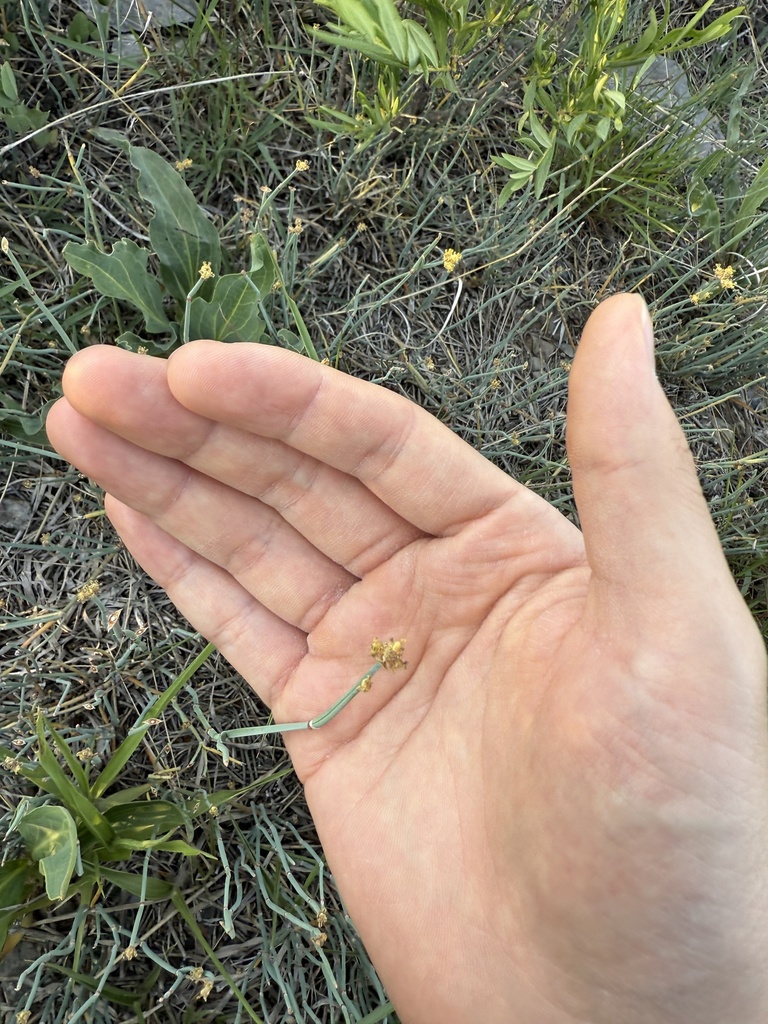
The shrub’s most recognizable feature is its reduced leaf structure typical of ephedras, with leaves appearing as small scales along the segmented green stems rather than as conventional foliage. This adaptation reflects the plant’s evolution in arid and semi-arid environments. Both the stems and leaves are traditionally harvested and dried for medicinal use, while the roots—known as “ma huang gen”—are specifically collected for applications in traditional Chinese medicine.
Sexual Dimorphism
As a dioecious species, E. sinica produces male and female reproductive structures on separate plants. This separation is important for identification in the field, as male and female specimens may display subtle differences in reproductive cone morphology and overall plant vigour, though both maintain the characteristic green stem structure.
The plant typically grows on shrublands, forests, and mountainsides at elevations between 400 and 1,600 metres, with an average elevation around 1,550 metres across its range.
Distribution and Habitat
Ephedra sinica is distributed across a wide geographic range spanning central and eastern Asia, with records extending into North America. The species is most abundant in China, where the overwhelming majority of observations occur (211 records), followed by Mongolia (71 records) and Russia (13 records). Smaller populations have been documented in the United States (4 records) and Canada (1 record), likely representing cultivation or naturalized plantings rather than native populations.
The species occupies a substantial elevation range, from 400 metres to 3,630 metres above sea level, with an average elevation of approximately 1,552 metres. This wide vertical distribution reflects its adaptation to diverse terrain across steppe, semi-arid, and mountainous regions. Peak observations occur during July, with activity rising through late spring and early summer (May through August), suggesting seasonal patterns aligned with above-ground growth and flowering.
Within its native range across Mongolia, northern China, and adjacent regions, Ephedra sinica thrives in arid and semi-arid environments where few competing plants establish. The species tolerates harsh conditions typical of high-altitude plateaus and continental steppes, making it well-suited to landscapes characterized by sparse precipitation and temperature extremes. Its presence across such varied elevations indicates considerable physiological flexibility in response to local climate and soil conditions.
Growth and Cultivation
Growth
Ephedra sinica, commonly known as Chinese Ephedra or ma huang, is a low-growing, woody shrub with a characteristic jointed, nearly leafless stem structure. The plant typically reaches 30–60 centimetres in height, though some specimens may grow slightly taller under optimal conditions. Its branches are segmented and green, performing photosynthesis in the absence of true leaves. The overall form is compact and spreading, adapted to the arid environments where it naturally occurs.
This species belongs to the Ephedraceae family, an ancient plant lineage with relatively slow growth rates typical of desert-adapted shrubs. Reproduction occurs both vegetatively through underground rhizomes and sexually via spores, giving the plant resilience in harsh climates. The root system is extensive relative to the above-ground biomass, allowing the plant to access moisture deep within dry soils.
Flowering and Fruiting
Ephedra sinica produces small, inconspicuous flowers arranged in cone-like structures called strobili. These reproductive organs are dioecious—male and female flowers are borne on separate plants. Female plants develop distinctive red or orange berry-like fruits (modified cones) containing seeds. These fleshy fruits are the most visually distinctive reproductive feature and mature seasonally, though exact timing varies with local climate conditions.
Cultivation
Chinese Ephedra thrives in well-draining, sandy or rocky soils and requires excellent drainage to prevent root rot. It demands full sun exposure and is highly drought-tolerant once established, requiring minimal supplemental watering. The species is adapted to cold continental climates and performs well in temperate zones; however, specific hardiness zone recommendations and soil pH preferences are not well-documented in standard horticultural literature.
Propagation can be achieved from seed or by dividing established rhizomes. Seeds benefit from scarification and stratification to improve germination rates. In cultivation, the plant requires patience, as growth is slow, and young plants may take several years to establish and flower. Container cultivation is possible for regions with harsh winters, though the plant’s preference for very free-draining media must be maintained carefully.
Conservation and Threats
Ephedra sinica, commonly known as Chinese Ephedra, holds a conservation status of Least Concern (LC) on the IUCN Red List. This classification reflects a stable population trend, indicating that the species currently faces no immediate threat of extinction. The plant’s widespread distribution and established use in traditional medicine across East Asia have enabled populations to persist without severe pressure from habitat loss or overexploitation in most of its range.
Threats and Conservation Concerns
Although Chinese Ephedra is not currently listed as threatened, the genus Ephedra faces ongoing pressure from commercial harvesting in some regions. The alkaloid content of E. sinica—particularly ephedrine—drives demand in pharmaceutical and dietary supplement industries, which can lead to unsustainable collection in localized areas. Climate variability in its native arid and semi-arid habitats may also pose long-term risks, as these ecosystems are inherently sensitive to shifts in precipitation and temperature patterns.
Conservation Efforts and Legal Protections
In China, where Ephedra sinica is endemic, the species benefits from inclusion in traditional medicine regulations that monitor its trade and use. Cultivation of the plant is established in several provinces, reducing pressure on wild populations and supporting both supply chains and local agricultural livelihoods. No major international conservation programmes are currently focused on this species, reflecting its stable status; however, continued monitoring of harvest rates and habitat conditions remains prudent as demand for ephedrine-containing products fluctuates.
Cultural Significance
Ephedra sinica, known as ma huang in Chinese traditional medicine, holds a central place in the pharmaceutical heritage of East Asia. For over two thousand years, this plant has been documented in medical texts and formulations, particularly within the framework of Traditional Chinese Medicine (TCM). The stems of the plant contain alkaloids—most notably ephedrine—which have been extracted and used to treat respiratory conditions, fever, and asthma.
The cultural significance of Chinese Ephedra extends beyond its medicinal applications into broader frameworks of health philosophy. Within TCM theory, the plant is classified according to its warming properties and its action on specific organ systems. It remains a subject of ongoing clinical interest in modern herbalism and pharmaceutical research, though its use in many Western countries has been heavily regulated or restricted due to safety concerns associated with ephedrine alkaloids.
Fun Facts
Ephedra sinica, commonly known as Chinese ephedra or ma huang, is a hardy shrub that thrives in some of the harshest environments on Earth. Native to Mongolia, northern China, and Russia, this plant has adapted to survive where few others can.
- Chinese ephedra grows exclusively on arid highland slopes and dry riverbeds, making it a specialist of extreme aridity. This shrub colonizes landscape niches that most plants cannot tolerate.
- The plant inhabits steppes, fields, and mountainsides across a vast geographic range spanning three countries. Its distribution reflects its remarkable tolerance for cold continental climates and sparse water.
- Unlike leafy shrubs, Ephedra sinica has reduced, scale-like leaves and green, jointed stems that perform photosynthesis. This adaptation minimizes water loss in its desert and semi-desert habitat.
- The genus Ephedra is one of the oldest plant lineages, with fossil relatives dating back over 100 million years. Chinese ephedra represents a living connection to the Cretaceous period.
- Traditional Chinese medicine has used this species for over 5,000 years, harvesting it primarily from wild populations across Mongolia and northwestern China. Its alkaloid content, particularly ephedrine, has made it one of the most economically significant medicinal plants in Asia.
- Chinese ephedra flowers and reproduces in extremely dry conditions where annual rainfall may be less than 200 millimetres. Its survival strategy relies on deep root systems that access groundwater unavailable to competing plants.
Conservation Status
LC (Least Concern) · NT · VU · EN · CR · EW · EX
Photo Gallery
Urgamal Magsar · CC BY 4.0
Related Species
Was this profile helpful?