
Sordariomycetes · Hypocreales
Ergot
Claviceps purpurea
Also known as: Rye Ergot, Rye Ergot Fungus, cereal ergot, rye & brome ergot
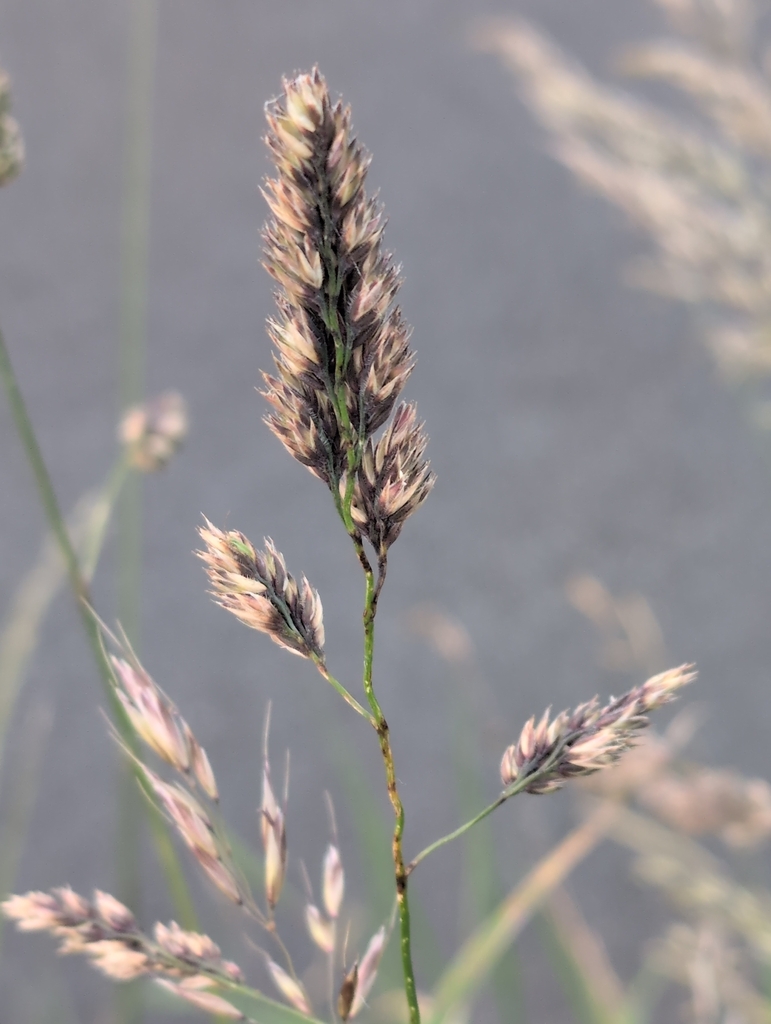
© no rights reserved · iNaturalist · CC0 1.0
Scientific Classification & Quick Facts
Classification
Known For
Detailed measurements for this species are still being verified.
Claviceps purpurea, commonly known as ergot, is a parasitic fungus that invades the flowering heads of grasses and cereal crops, transforming healthy grain into dark, toxic sclerotia. This ascomycete has shaped human history in ways few organisms can claim—its alkaloid-laden structures have triggered mass poisonings, inspired religious fervor, and possibly influenced the witch trials of medieval Europe. Found across at least 25 countries worldwide, ergot remains a significant agricultural threat and a biological puzzle of profound historical importance.
What makes ergot particularly compelling is its dual nature: a devastating agricultural pathogen and a biochemical factory producing compounds of genuine pharmaceutical value. The infection cycle—where the fungus replaces a grain’s developing kernel with a hard, purple-black body—demonstrates an extraordinary level of reproductive parasitism. Understanding ergot requires examining not only its fungal biology and global distribution but also its entangled role in human culture, medicine, and food security.
Identification and Appearance
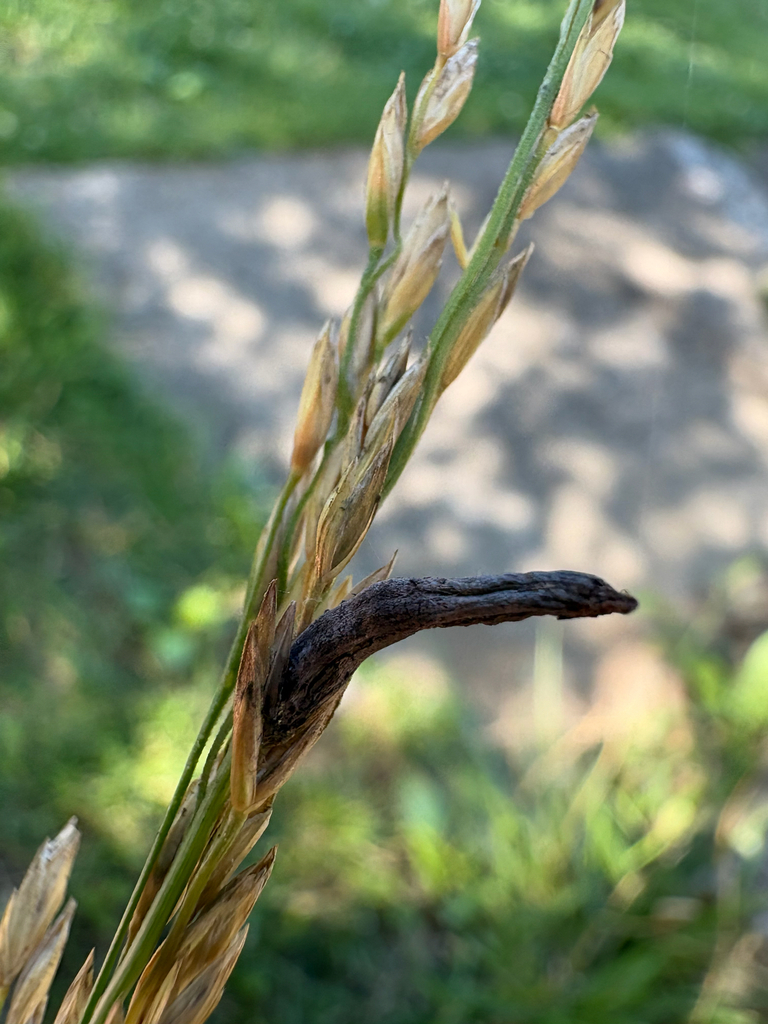
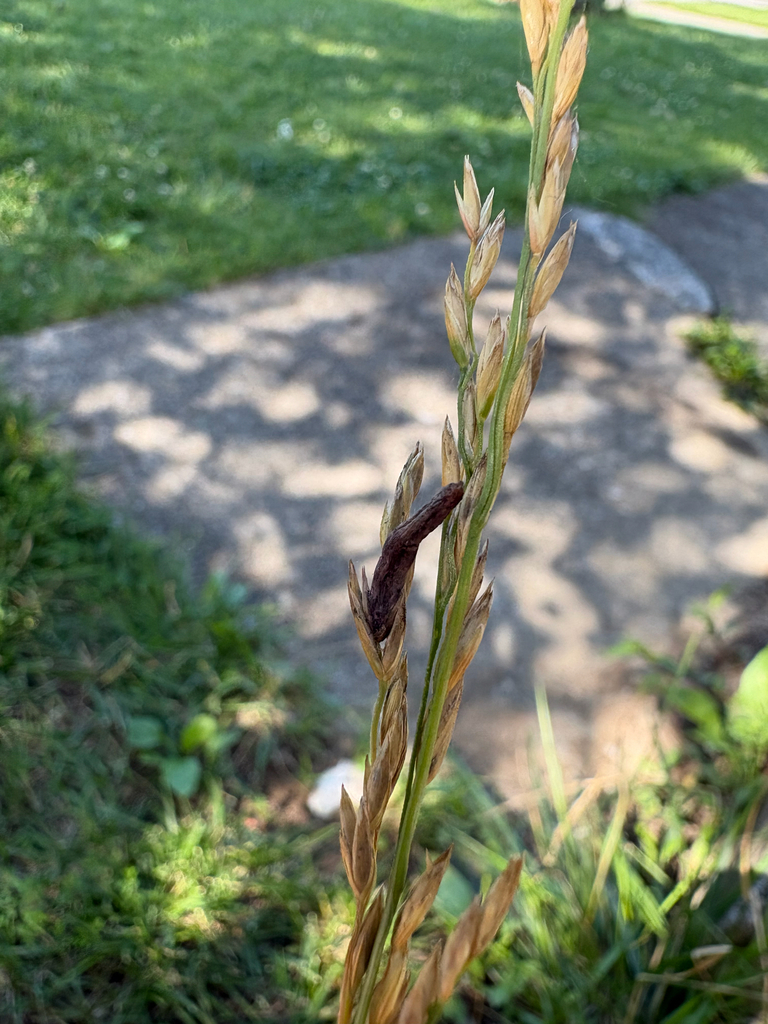
Claviceps purpurea, commonly known as ergot, is a parasitic fungus that forms distinctive dark, horn-like structures on the seed heads of grains and grasses. The most recognisable stage of this organism appears as a hard, black or dark purple sclerotium—a resting body that replaces the normal grain in infected cereal crops. These ergot bodies are typically elongated, curved, and somewhat club-shaped, ranging from a few millimetres to 4 centimetres in length, though size varies depending on the host plant and environmental conditions.
The fungus displays remarkable morphological variation across its lifecycle. In its active phase, ergot produces small, fleshy, club-shaped fruiting structures called perithecia that release spores into the air. The sclerotium itself has a hard, brittle exterior with a deep purple-black or nearly black coloration, though younger sclerotia may display tinges of purple or dark brown. The surface texture is often distinctly wrinkled or grooved. When freshly formed, ergot bodies can appear somewhat glossy or oily, but they become drier and harder as they mature and enter dormancy.
Ergot’s appearance is most distinctive when found among grain crops, where the dark sclerotia protrude conspicuously from the seed head among normal lighter-coloured grain. This contrast makes infected grain relatively easy to identify visually during harvest. The fungus typically develops at moderate elevations, with records indicating average occurrence around 871 metres above sea level.
Distribution and Habitat
Claviceps purpurea, the ergot fungus, has a temperate global distribution across 25 countries, with recorded presence spanning Europe, North America, and the Southern Hemisphere. Germany leads occurrence records with 115 documented findings, followed by Austria (28), Great Britain (23), Denmark (20), and the Netherlands (20). Significant populations also exist in the United States (16), New Zealand (14), Spain (10), Czech Republic (7), and France (7). This broad range reflects the fungus’s dependence on cool-season cereal crops, particularly rye, barley, and wheat, which are cultivated across these temperate regions.
The fungus occupies a narrow elevation band, occurring between 724 and 958 metres, with an average altitude of 871 metres. This preference for mid-elevation agricultural zones aligns with the cultivation zones of its host cereals in continental and maritime climates. Claviceps purpurea shows a pronounced seasonal pattern, with a sharp peak in July (168 recorded observations), preceded by a secondary rise in June (46 observations). Minor presence in spring months (January through May, with 7–33 observations each) likely corresponds to overwintering structures and early infection cycles. The fungus effectively disappears from August onward, reflecting the completion of grain maturation and harvest cycles in the Northern Hemisphere.
Ecology and Lifecycle
Lifecycle
Claviceps purpurea follows a complex lifecycle tied to cereal grain development, particularly rye. The fungus begins as mycelium that colonizes the developing florets of host plants during the flowering stage. Instead of producing a conventional fruiting body, the fungus generates a hardened, dark purple or black structure called a sclerotium—essentially a resting body packed with ergotamine alkaloids. This sclerotium replaces the grain kernel within the floret, making infected heads visibly distinctive.
When environmental conditions favor germination—typically cool, moist spring weather—the sclerotium produces fruiting structures called stromata, which release ascospores into the air. These airborne spores infect newly flowering grain plants, completing the cycle. The fungus can persist in soil or grain stores for years through its sclerotial stage, ensuring long-term survival even when host plants are absent.
Ecological Role
Claviceps purpurea functions as a specialized plant pathogen, infecting members of the grass family (Poaceae), especially rye, wheat, and barley. It exploits a brief window during grain flowering when floral tissues are most vulnerable to fungal colonization. Rather than decomposing dead material, the ergot fungus parasitizes living reproductive structures, diverting plant resources into sclerotium production.
The ecological impact extends beyond direct crop damage. Animals feeding on infected grain accumulate ergotamine alkaloids in their tissues, sometimes causing acute poisoning. Historically, this cascading effect influenced mammalian populations that consumed contaminated forage. In agricultural ecosystems, ergot serves as a reminder of how fungal pathogens can reduce grain yield and nutritional quality across entire regions when conditions favor infection.
Uses
Ergot sclerotia contain potent ergotamine and lysergic acid alkaloids, compounds with legitimate pharmaceutical applications. In medical contexts, ergotamine derivatives have been extracted and synthesized to treat migraines and manage postpartum hemorrhage. However, the crude fungal material itself has never been a safe or practical therapeutic source, and all modern medical preparations use chemically pure, standardized compounds rather than whole sclerotia.
Historically, ergot contamination of rye bread triggered mass poisoning events in Europe, particularly during wet years when infection rates spiked. The alkaloids caused gangrenous ergotism (necrosis of extremities) or convulsive ergotism (spasms and hallucinations), sometimes called “Saint Anthony’s Fire.” Modern grain cleaning and agricultural practices have largely eliminated this risk in developed nations, though ergot remains a concern in regions with less stringent food safety controls.
Conservation and Threats
Claviceps purpurea, commonly known as ergot, has not been formally assessed by the International Union for Conservation of Nature (IUCN) and therefore lacks an official Red List status. This omission reflects the organism’s unusual ecological position: ergot is a fungal pathogen of cultivated grain crops rather than a wild species of conservation concern. The lack of a formal conservation designation does not indicate rarity or stability—instead, it acknowledges that this ascomycete fungus exists primarily in relationship to human agriculture.
Threats and Conservation Considerations
Ergot populations are not threatened in the traditional sense. The fungus thrives wherever susceptible grain crops—particularly rye, wheat, and other cereals—are grown without adequate disease management. Its prevalence is actually driven by agricultural practices: cool, wet conditions during flowering favour infection, and poor harvest hygiene or seed treatment can perpetuate the pathogen in subsequent seasons. Rather than facing extinction, ergot represents an ongoing agricultural challenge that demands active control rather than protection.
The primary concern surrounding C. purpurea is human and livestock health, not species survival. Ergot-contaminated grain contains alkaloid toxins that cause ergotism (also called St. Anthony’s Fire)—a serious poisoning characterized by vasoconstriction, gangrene, and neurological symptoms. This risk has shaped agricultural policy in developed nations, where grain inspection, cleaning standards, and fungicide use keep ergot contamination below dangerous thresholds. In regions with less stringent grain handling protocols, ergot-contaminated flour remains a potential public health hazard.
Conservation Efforts and Legal Protections
No formal conservation programmes exist for ergot, as the species is not endangered. Instead, agricultural authorities focus on ergot management and prevention. Many countries maintain quarantine regulations and maximum allowable ergot alkaloid levels in grain destined for human consumption and animal feed. Crop rotation, resistant grain varieties, and timely harvesting reduce fungal infection pressure without eliminating the organism entirely. Research into ergot biology continues to support improved detection and control methods.
Cultural Significance
Claviceps purpurea occupies a significant place in human history through its alkaloid chemistry and agricultural impact. The fungus produces ergot alkaloids, bioactive compounds that have been deliberately cultivated for pharmaceutical and research purposes. Agricultural production of ergot on rye has been employed as a controlled method to generate these alkaloids, which have applications in medicine and biochemistry.
Beyond intentional cultivation, ergot has profoundly shaped human experience through its accidental contamination of grain crops. The disease has caused repeated episodes of ergotism in populations dependent on infected rye and grain harvests, making it a recurring feature of preindustrial food security. Today, the fungus remains valuable to science: saprophytic laboratory cultivation on substrates such as potato dextrose agar, wheat seeds, and oat flour enables researchers to study ergot alkaloid biosynthesis and explore their therapeutic potential without relying on field-grown infected grain.
Fun Facts
- Ergot is a fungus that hijacks cereal grains. Claviceps purpurea infects the developing seeds of rye, wheat, barley, and triticale by replacing the grain with a dark, hard structure called a sclerotium. This survival structure is packed with toxic alkaloids that can poison anyone who consumes contaminated grain.
- Self-pollinating crops are nearly immune. While rye—an outcrossing species—falls victim to ergot regularly, oats almost never become infected because they pollinate themselves, giving the fungus far fewer opportunities to spread during the vulnerable flowering period.
- Ergotism shaped medieval history. Consuming grain contaminated with ergot sclerotia causes ergotism, a disease that triggered hallucinations, convulsions, gangrene, and death across Europe for centuries. Some historians believe ergot poisoning lay behind witch-hunt hysteria and mass delusions in the Middle Ages.
- The sclerotium is nature’s chemical factory. The black, horn-like sclerotium produced by C. purpurea contains ergot alkaloids—compounds so potent that lysergic acid, a precursor to LSD, is derived from them. These same alkaloids were historically used to stop bleeding after childbirth, though they carry severe toxicity risks.
- Ergot thrives in wet, cool conditions. The fungus flourishes during periods of high humidity and moderate temperatures, which is why rye grown in northern Europe and cool climates has always been at greatest risk of ergot contamination.
- Modern grain screening has nearly eliminated ergotism. Improvements in harvesting, grain cleaning, and storage technology have made ergot poisoning rare in developed nations, though sporadic contamination still occurs in poorly stored or regulated grain supplies.
Photo Gallery
no rights reserved · CC0 1.0
Related Species
Was this profile helpful?