
Sordariomycetes · Xylariales
Candlestick Fungus
Xylaria hypoxylon
Also known as: Candle-Snuff Fungus, Candlesnuff Fungus, candlesnuff fungus, carbon antlers, Candle-snuff Fungus
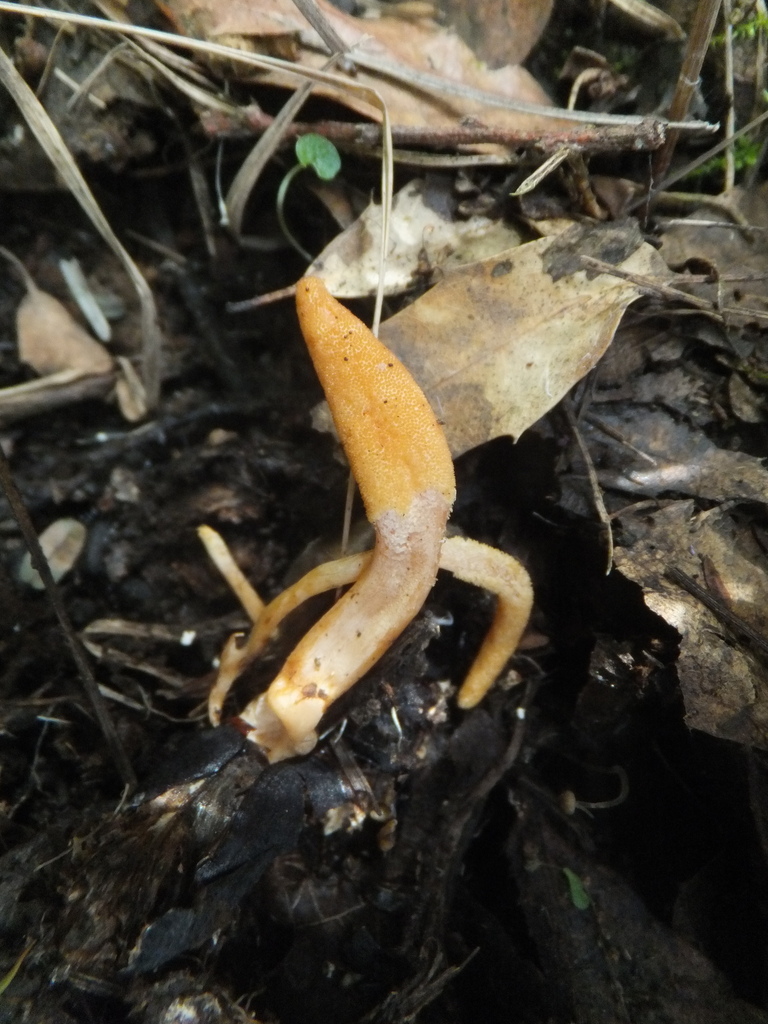
© baronsamedi · iNaturalist · CC-BY-ND
Scientific Classification & Quick Facts
Classification
Known For
Detailed measurements for this species are still being verified.
Xylaria hypoxylon, the Candlestick Fungus, earns its common name from its distinctive finger-like fruiting bodies that jut upright from decaying wood like tiny black candles tipped with white wax. These striking structures are among the most recognizable fungi in temperate forests, appearing year-round on dead logs and fallen branches. Found across at least 18 countries worldwide, this ascomycete occupies a crucial ecological niche as a wood decomposer, breaking down lignin and cellulose in forest litter.
Despite its ubiquity in woodlands across the globe, Xylaria hypoxylon remains one of fungi’s most underappreciated architects. Its conservation status is currently unknown, reflecting a broader gap in mycological monitoring. Yet its ability to colonize wood rapidly and completely—transforming solid timber into crumbly humus—makes it essential for nutrient cycling and forest regeneration. This fungus exemplifies how common species, working quietly in the shadows, perform work of profound ecological importance.
Identification and Appearance
Size and Structure
Xylaria hypoxylon produces upright, cylindrical or flattened fruit bodies (ascocarps) that reach 3–8 centimetres in height and measure 2–8 millimetres thick. The ascocarps are characteristically erect, often twisted or bent, and typically sparsely branched in a pattern resembling stag’s antlers. This distinctive branching habit is one of the most reliable field marks for identification. The overall structure is tough and elastic, with a dense central tissue called the stroma that gives the fungus its structural rigidity.
Seasonal Colour Variation
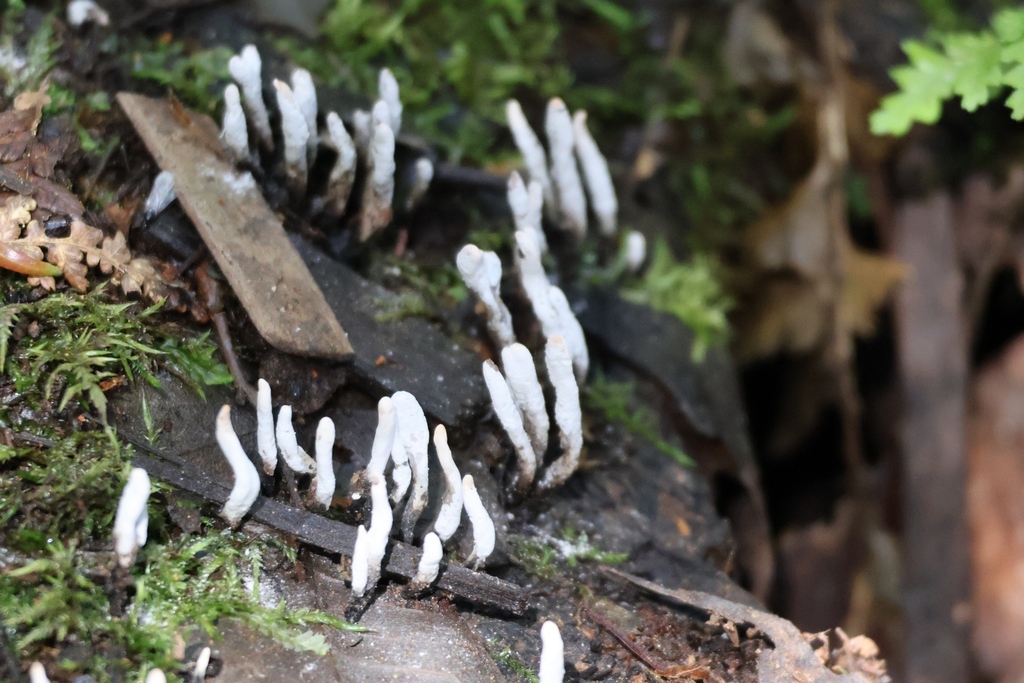
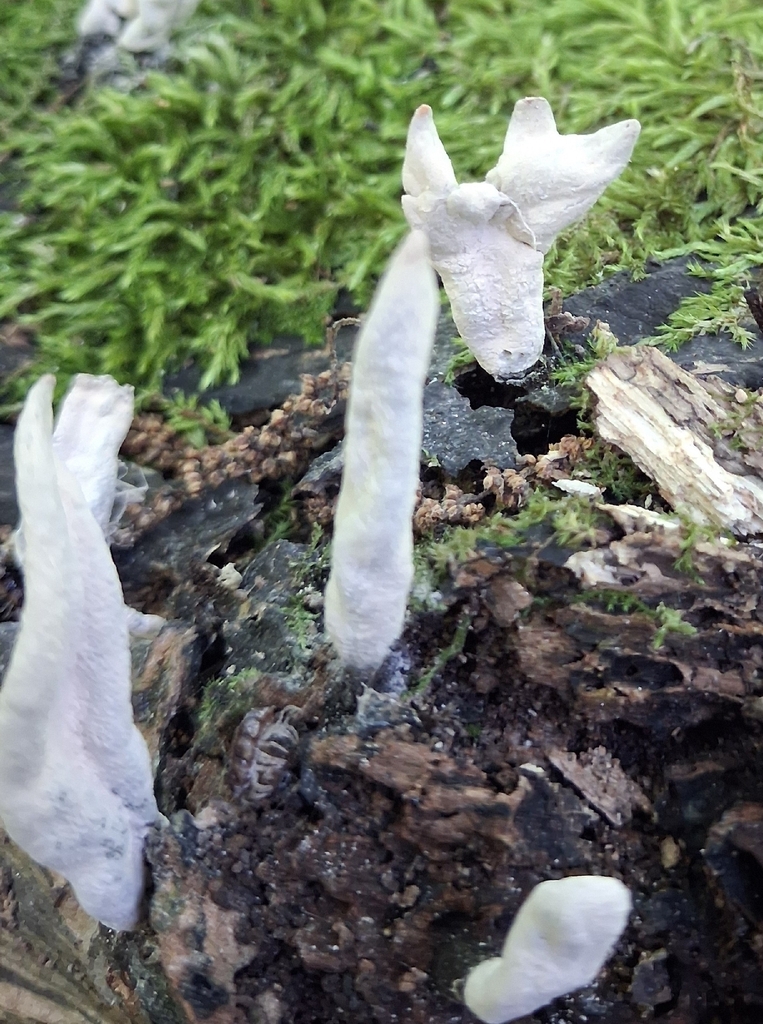
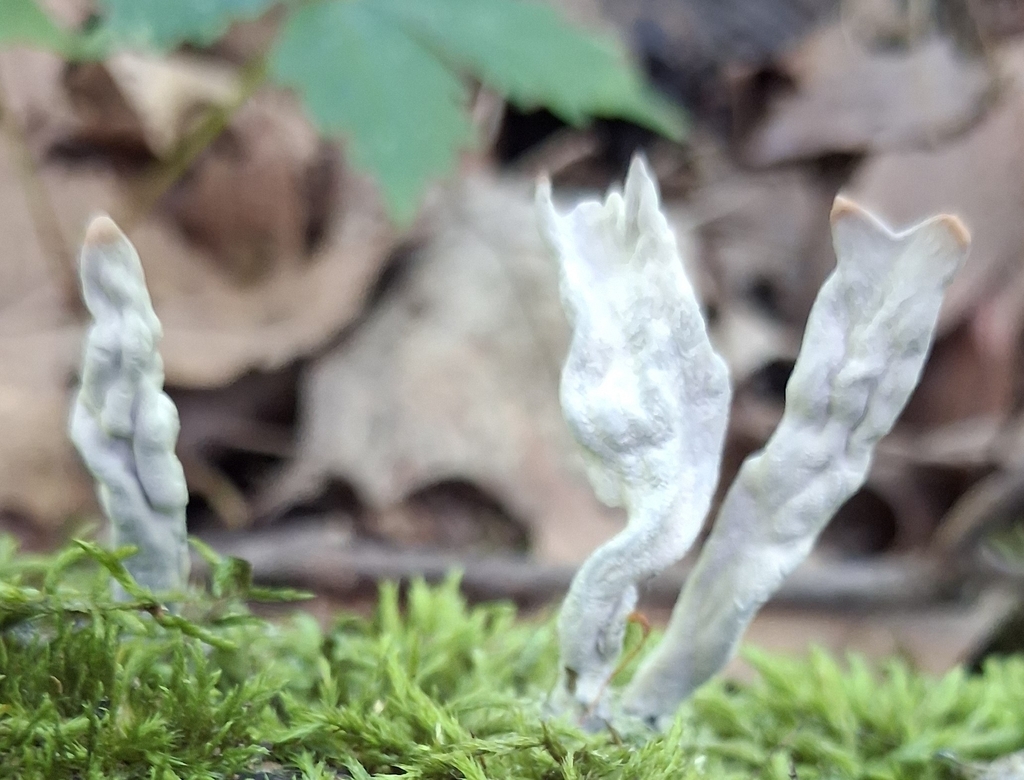
The appearance of candlestick fungus changes dramatically throughout the year. Early-season specimens, typically found in spring, are covered entirely in a white to grayish powdery coating composed of asexual spores called conidia. This gives fresh specimens a chalky or frost-like appearance. As the season progresses and the fungus matures, the ascocarps transform to a characteristic charcoal-black colour, losing the white coating entirely.
Mature Structures and Surface Features
Mature ascocarps are distinguished by countless minute, pimple-like bumps covering their surface. These bumps are perithecia—rounded spore-bearing structures that contain the sexual spores (ascospores). Each perithecium is equipped with a tiny opening called an ostiole through which ascospores are released. The perithecia are embedded within the stroma itself rather than sitting on the surface, creating the characteristic textured appearance of fully developed specimens. This combination of black colouration, antler-like branching, and textured surface makes mature candlestick fungus readily identifiable in the field.
Distribution and Habitat
Xylaria hypoxylon is primarily distributed across temperate regions of the Northern Hemisphere, with the strongest presence recorded in northern Europe and North America. GBIF records show 132 observations from the United Kingdom, which represents the highest concentration globally, followed by 64 records from the United States. Germany, Sweden, and the Netherlands contribute substantially to the geographic dataset, with 29, 25, and 10 observations respectively. The species is also documented across 18 countries total, indicating a wider but less intensively recorded distribution that includes France, Denmark, Canada, Belgium, and Portugal.
This fungus occurs across a moderate elevation range, with records spanning from 470 metres to 980 metres above sea level, averaging 725 metres. This vertical distribution suggests a preference for foothill and low montane forests rather than deeply montane or lowland zones. The species exhibits a striking seasonal pattern: observations cluster heavily in January, with no recorded sightings during the remaining eleven months of the year. This winter-specific fruiting window is characteristic of the species and likely reflects its ecology of fruiting on dead wood during the cooler, moister period of the year.
Ecology and Lifecycle
Lifecycle
Xylaria hypoxylon begins its lifecycle as mycelium—a network of threadlike hyphae that colonizes dead wood, particularly hardwood logs, stumps, and fallen branches in damp environments. This mycelial stage can persist for months or years, gradually breaking down the woody substrate and extracting nutrients. The fungus fruits only when conditions align: adequate moisture, stable temperatures, and sufficient decomposition of the host material trigger the emergence of fruiting bodies.
The fruiting bodies of Candlestick Fungus are distinctive clubs or antlers, typically black at the base and white or gray at the tips—a pattern that gives the species its common name. These structures emerge in clusters from the decaying wood surface. Once mature, the asci (spore-containing structures) within the fruiting body release ascospores into the air, which disperse via wind currents over short to moderate distances. Spore release occurs primarily during humid or damp periods, maximizing the chance of successful colonization of new wood sources.
Ecological Role
Xylaria hypoxylon functions as a key saprotroph in forest ecosystems. It breaks down cellulose and lignin in dead hardwood, accelerating nutrient cycling and returning essential elements to the soil. By decomposing woody debris that would otherwise accumulate, the fungus helps maintain forest floor structure and fertility. Its fruiting bodies also provide food and microhabitat for small invertebrates and other microorganisms that depend on decaying wood.
The presence of Candlestick Fungus on logs and stumps indicates active decomposition and signals a healthy forest system. It often colonizes wood already weakened by other decomposers or wood-decay organisms, forming part of a sequential community of fungi that gradually transform solid wood into humus. This ecological partnership among fungi accelerates the renewal cycle critical to woodland productivity.
Uses
Candlestick Fungus has no established culinary or commercial value. It is not edible and poses no recognized culinary or medicinal uses in traditional or modern ethnobotany. The fungus is primarily of interest to naturalists, mycologists, and researchers studying wood decomposition and fungal ecology in forest ecosystems.
Its visual distinctiveness and common abundance on rotting logs make it a popular subject for nature photography and citizen science projects. Educational value lies in its role as a visible indicator of woodland health and active nutrient cycling. Field guides and mycological societies often reference it as an example of a wood-decay ascomycete and as evidence of a functioning forest ecosystem.
Conservation and Threats
Xylaria hypoxylon, commonly known as Candlestick Fungus, has not been formally assessed by the IUCN Red List. This absence of a formal conservation rating reflects the lack of comprehensive population monitoring data for this wood-decay fungus across its global range. Without formal status designation, the species remains poorly tracked in terms of population size, trend, and vulnerability to human activity or environmental change.
Threats
No specific threats to X. hypoxylon have been formally documented or prioritized. The species is a common saprotroph on dead wood in temperate and tropical regions worldwide, which suggests a degree of resilience to local disturbance. However, broad habitat-level pressures—such as the removal of dead wood from forests and woodlands for fuel or sanitation purposes, or the clearing of woodland ecosystems—could reduce available substrate over large areas. Climate change and shifts in moisture patterns may also influence the fruiting behaviour and distribution of this wood-decay fungus, though direct evidence remains limited.
Conservation Efforts
No targeted conservation programmes or legal protections currently exist for X. hypoxylon. The species is neither listed under international trade restrictions nor protected by national legislation in any known jurisdiction. Its status as a widespread, cosmopolitan fungus with no apparent population decline has not triggered formal conservation action.
Fun Facts
- The candlestick fungus produces fruiting bodies that resemble miniature black candles with white tips, which inspired both its common name and its scientific epithet hypoxylon (meaning “under wood”).
- Xylaria hypoxylon is a bioluminescent fungus, meaning it glows faintly in the dark—a rare trait among wood-decay fungi that likely helps attract spore-dispersing insects to its fruiting bodies.
- This fungus thrives on dead hardwood logs and decaying wood in forests, where it plays a crucial role in nutrient cycling by breaking down tough cellulose and returning carbon to the soil.
- The fruiting bodies mature over several weeks, initially appearing white and finger-like before darkening to charcoal black as they release millions of microscopic spores into the air.
- Candlestick fungus often grows in dense clusters or troops on the same log, sometimes creating striking patterns that persist on wood for months before weather and decomposition erase them.
- The species is found across temperate regions worldwide, from Europe to North America to East Asia, wherever suitable dead hardwood is available in moist forest habitats.
- Despite its elegant appearance, Xylaria hypoxylon is completely inedible and produces chemical compounds that deter herbivores and competing microorganisms from colonizing the same wood.
Ecology
Edibility
Photo Gallery
baronsamedi · CC-BY-ND
Related Species
Was this profile helpful?