
Insecta · Hymenoptera
Buff-tailed Bumblebee
Bombus terrestris
Also known as: Buff Tailed Bumblebee, Buff tailed bumblebee, Buff-tailed Bumble Bee, Buff-tailed Humble-bee, Buff-tailed bumblebee or large earth bumblebee
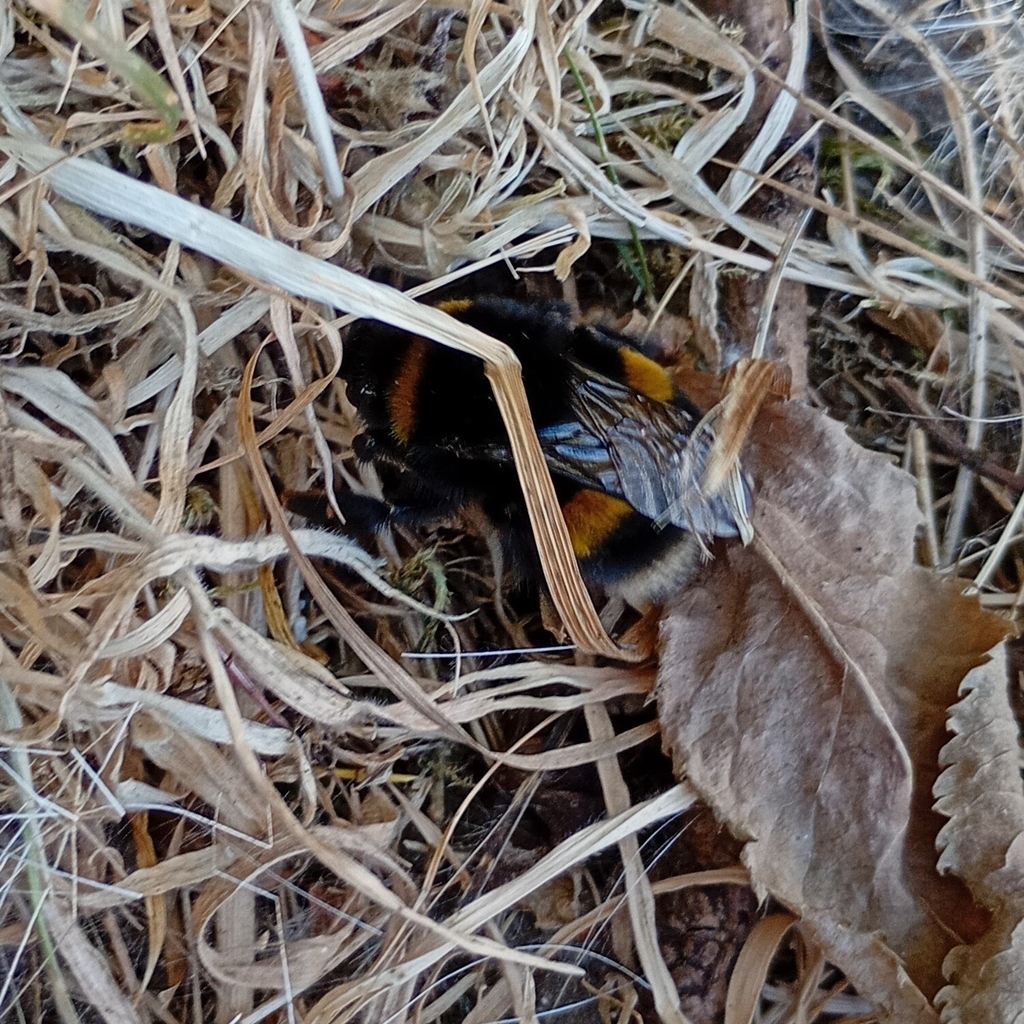
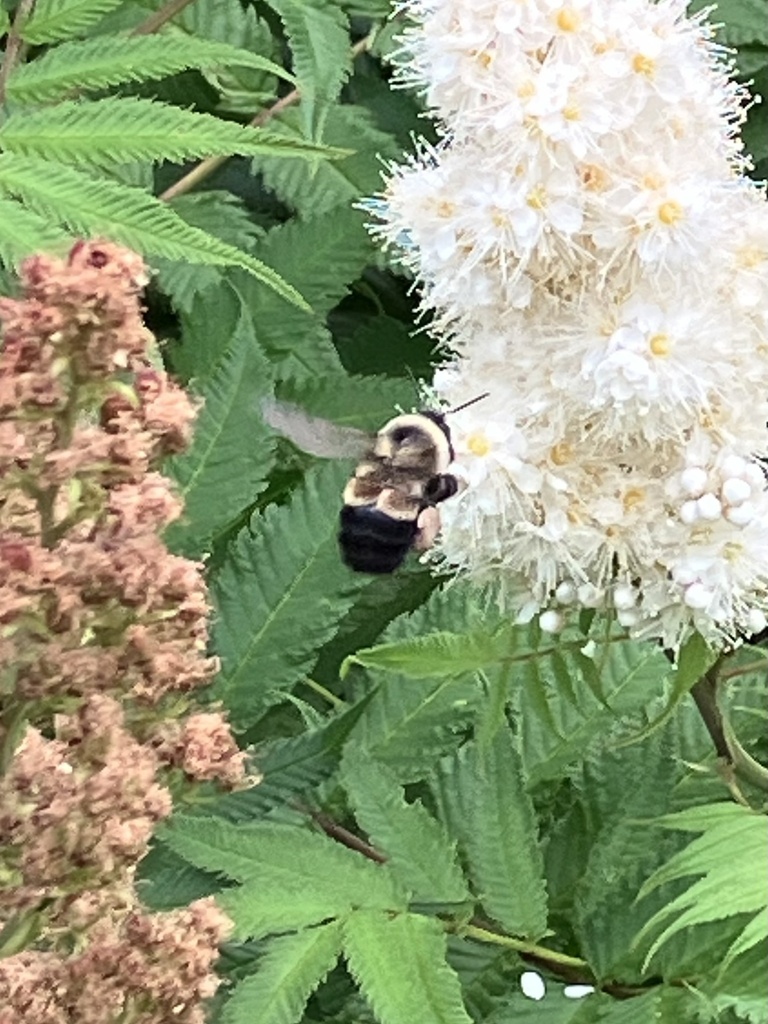
© Aaron Chidwick · iNaturalist · CC BY 4.0
Scientific Classification & Quick Facts
Classification
At a Glance
Bombus terrestris, the Buff-tailed Bumblebee, is one of Europe’s most widespread and economically important bumblebee species. Named for the distinctive buff or tan-colored hairs on its tail, this robust bee is a powerful pollinator that ventures into gardens, meadows, and agricultural landscapes across twelve countries. The species is instantly recognizable by its large, fuzzy body—typically 13–16 millimetres long—and its bold black and yellow banding, which serves as a warning to potential predators.
The Buff-tailed Bumblebee occupies a critical ecological role as a generalist pollinator, visiting a wide range of flowering plants and crops. Its conservation status remains listed as Unknown, reflecting gaps in global monitoring data, yet the species is abundant across much of its range and has even expanded its distribution through human transport of commercial colonies. Understanding the biology and distribution of this charismatic bee reveals why protecting bumblebee populations is essential for both wild plant reproduction and food security.
Identification and Appearance
Bombus terrestris is a robust bumblebee with a distinctive dark body and characteristic buff or pale-coloured tail. The species exhibits marked sexual dimorphism in body size, with queens being notably larger than workers and males.
Size and sexual dimorphism
Queens measure between 20 and 22 mm in length, making them the largest members of the colony. Males are considerably smaller, ranging from 14 to 16 mm. Workers show the greatest size variation within the caste, measuring between 11 and 17 mm in length. This size hierarchy reflects their distinct reproductive and foraging roles within the colony structure.
Coloration and morphology
The buff-tailed bumblebee displays a predominantly dark body—typically black or dark brown—with a striking pale or buff-coloured tail that gives the species its common name. This pale terminal segment provides a clear visual identifier in the field. The body is covered in dense hair, a characteristic shared with all bumblebees, which aids in pollen collection and thermoregulation. B. terrestris individuals are pollen-storing bees that forage actively on nectar and pollen resources, with morphological features adapted to efficient resource collection and transport.
Distribution and Habitat
Bombus terrestris has established a global presence across 12 countries, with a striking concentration in the Southern Hemisphere. The species is most abundant in New Zealand, where over 113 records have been documented, followed by Chile with 61 records and Australia with 37. In Europe, the species maintains populations across Spain (27 records), Portugal (13), Italy (6), France (1), and Turkey (1), alongside 14 records from its native range in Great Britain.
Seasonal activity shows a pronounced peak in January, when the majority of observations occur. This timing reflects the Southern Hemisphere’s summer months, suggesting the species thrives during warm growing seasons in its introduced ranges. The absence of records across the remaining months in the dataset indicates either dormancy during colder periods or incomplete observational coverage throughout the year.
Elevation data for this species is not currently available in existing records, limiting clarity on altitudinal preferences. The documented range spans diverse regions from temperate to Mediterranean climates, suggesting broad ecological flexibility. As a generalist forager and colony-level pollinator, the species occupies varied habitats across its global distribution, from agricultural landscapes to semi-natural grasslands and gardens.
Biology and Behavior
Behavior
Bombus terrestris is a eusocial insect that forms colonies ranging from 50 to 400 workers. Within each colony, a single queen directs reproduction while workers forage, maintain the nest, and care for developing brood. This hierarchical structure emerges each spring when a solitary queen establishes a new nest, typically in abandoned rodent burrows or sheltered cavities close to the ground. Workers begin their lives tending eggs and larvae indoors before graduating to nectar and pollen collection as they mature.
Daily activity patterns follow the availability of light and temperature. Buff-tailed bumblebees are active throughout daylight hours, departing the nest at dawn and returning by dusk. They fly in loose formations between flowering patches, remembering rewarding food sources through visual landmarks and scent trails. Unlike honeybees, they do not perform the waggle dance; instead, workers communicate foraging opportunities through physical contact and pheromones inside the nest.
Diet
Buff-tailed bumblebees feed exclusively on nectar and pollen from flowering plants. Workers collect pollen on specialized hair-like structures called scopae on their hind legs, transporting loads back to the nest in pollen baskets. Nectar is stored in a honey stomach separate from the digestive stomach, allowing workers to pass liquid food directly to nestmates and larvae through regurgitation.
Foraging range extends up to 1.5 kilometres from the nest, though most visits occur within 500 metres. This species shows strong preferences for certain plant families, particularly legumes and members of the Lamiaceae family, but adapts readily to available blooms. Their relatively large body size compared to other bumblebees allows them to work in cooler temperatures and at lower light levels than smaller bee species.
Reproduction
The reproductive cycle follows a clear seasonal pattern. Queens emerge from hibernation in spring (March to April in temperate regions) and establish solitary nests. A queen lays her first batch of eggs within days, incubating them for approximately 3 weeks before they hatch as larvae. She feeds developing larvae with a mixture of pollen and regurgitated nectar until pupation occurs roughly 2 weeks later.
New workers emerge 3 weeks after pupation and immediately begin foraging and brood care. By mid-summer, the colony reaches peak size and the queen begins laying unfertilized eggs that develop into males, alongside fertilized eggs producing new queens. Sexual individuals (males and queens) mate in late summer or autumn; fertilized queens then seek sheltered overwinter sites where they enter dormancy. The entire colony, including the original queen, dies by autumn, with only the mated new queens surviving until the following spring. Lifespan averages around 10 weeks for workers and males, while queens survive approximately 12 months including their hibernation period.
Conservation and Threats
Bombus terrestris, the Buff-tailed Bumblebee, does not currently have a formal IUCN Red List assessment. However, the species shows an encouraging population trend—populations are increasing across much of its range. This positive trajectory reflects the species’ resilience and adaptability, though it also underscores the importance of maintaining conditions that support this recovery.
Threats
Despite rising population numbers, Bombus terrestris faces significant pressures in many regions. Agricultural intensification, particularly the loss of wildflower-rich habitats and increased pesticide use, remains a primary concern. Monoculture farming reduces foraging opportunities and exposes colonies to insecticides and fungicides. Habitat fragmentation isolates populations and limits genetic diversity, making colonies more vulnerable to disease and environmental stress.
Pathogen transmission poses an emerging threat, particularly where managed colonies are used for commercial pollination. Nosema bombi and other parasites can spread from commercial hives to wild populations, destabilizing natural colonies. Climate change alters the timing of flower blooms and shifts suitable ranges, potentially mismatching bumblebee activity cycles with available food sources. In some regions, competition from introduced bumblebee species displaces native populations.
Conservation Efforts
Bombus terrestris receives protection under various regional conservation schemes. In the European Union, the species benefits from habitat protection directives and integrated pest management initiatives that reduce chemical inputs. Several countries have implemented agri-environment schemes offering farmers payments to retain hedgerows, margins, and wildflower strips—critical foraging habitat for bumblebees. Research programmes continue to monitor population health and disease prevalence in both wild and managed colonies.
Fun Facts
- Unlike most bumblebee species, Bombus terrestris queens are strictly monogamous, mating with only a single male during their entire lifetime. This unusual fidelity contrasts sharply with the promiscuous mating habits of many other bee species.
- Workers of this species possess genuine cognitive abilities—they memorize and recognize specific flower colors to forage more efficiently, demonstrating learning that improves their success at finding nectar and pollen over time.
- Bombus terrestris is one of Europe’s most abundant bumblebee species and has been deliberately introduced to Tasmania and other regions far from its native range for commercial greenhouse pollination.
- This species exhibits true eusocial behavior with overlapping generations, a strict division of labor, and cooperative brood care—characteristics more commonly associated with ants and termites than with most bee species.
- Colonies are surprisingly organized: workers of different sizes perform different tasks, with larger individuals tending to forage while smaller workers remain in the nest caring for larvae.
- The species can survive in cool climates that other bee species cannot tolerate, thanks to their ability to generate heat through muscle vibration inside the nest.
- A single Bombus terrestris colony typically contains 50–400 workers, all daughters of the founding queen, working cooperatively to provision the nest and rear new generations.
Ecology
Diet
Behavior
Photo Gallery
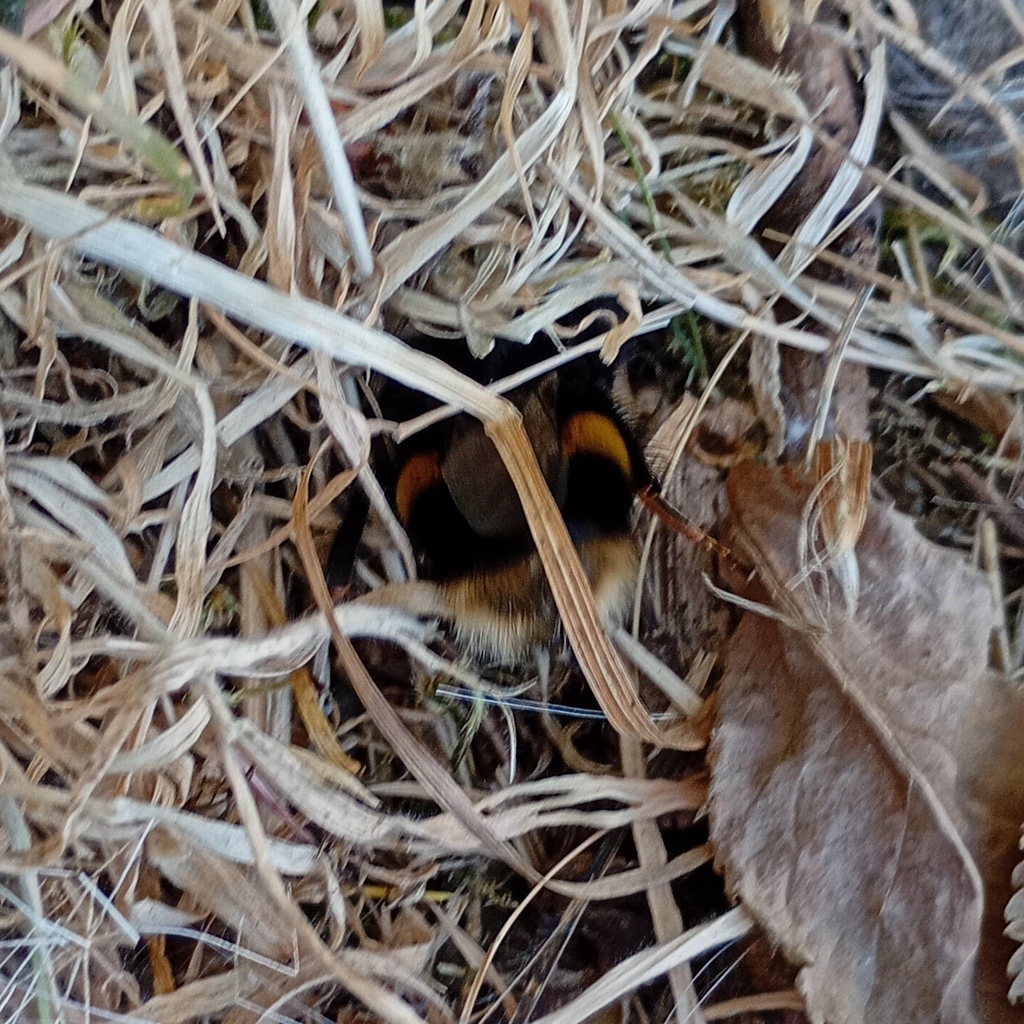
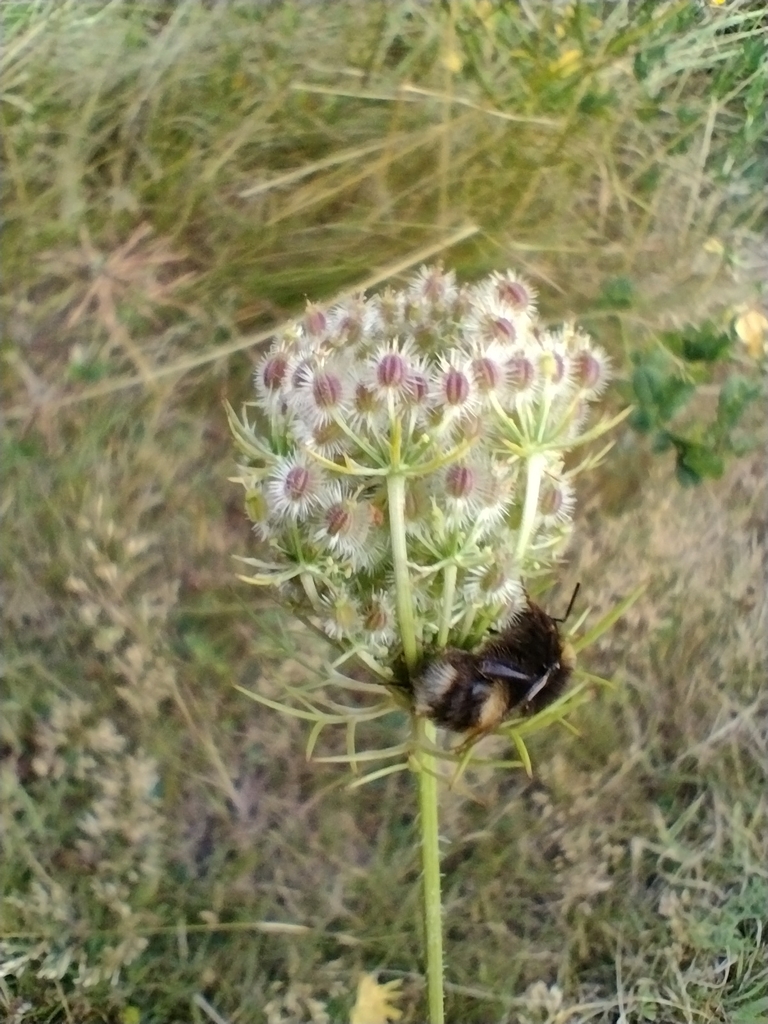
Aaron Chidwick · CC BY 4.0
Related Species
Was this profile helpful?