
Insecta · Hymenoptera
Africanized Honey Bee
Apis mellifera
Also known as: Domestic Honey Bee, Drone-bee, European Honey Bee, Honey Bee
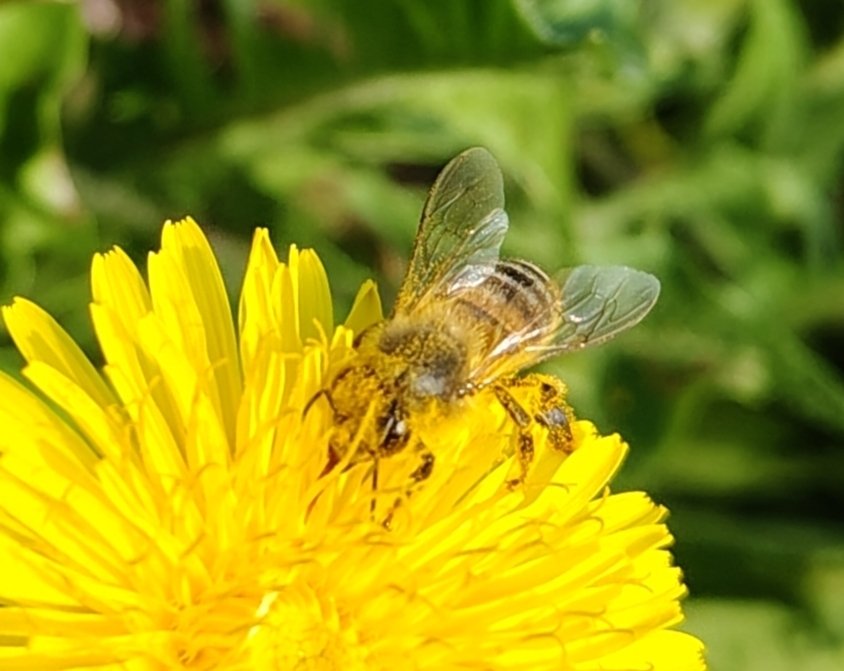
© Полина Полежанкина · iNaturalist · CC BY 4.0
Scientific Classification & Quick Facts
Classification
At a Glance
The Africanized Honey Bee is one of the most successful—and controversial—hybrid insects on Earth. Produced through the accidental cross-breeding of European and African honey bee subspecies in Brazil during the 1950s, these bees have spread across the Americas with remarkable speed and resilience. Today, they occupy documented ranges in 34 countries, fundamentally reshaping beekeeping practices and ecological dynamics wherever they establish.
Listed as Data Deficient by conservation authorities, Apis mellifera presents a paradox: it is neither rare nor threatened, yet its abundance and aggressive colonization raise urgent questions about native ecosystem integrity and human safety. Unlike most conservation narratives centered on species decline, the Africanized Honey Bee exemplifies the complex ecological costs of human-mediated species introductions and adaptation to new environments. Their story is one of ecological disruption, agricultural consequence, and the blurred line between pest and pollinator.
Identification and Appearance
Apis mellifera, the Western or European honey bee, exists in several geographic subspecies and populations. The Africanized form—descended from crosses between African and European subspecies—is morphologically difficult to distinguish from its European relatives at first glance. Identification relies on subtle anatomical measurements and behavioral observation rather than obvious visual differences. Workers are small insects, typically 12–15 mm in length, with a compact, hairy body suited for pollen collection.
Coloration and Body Structure
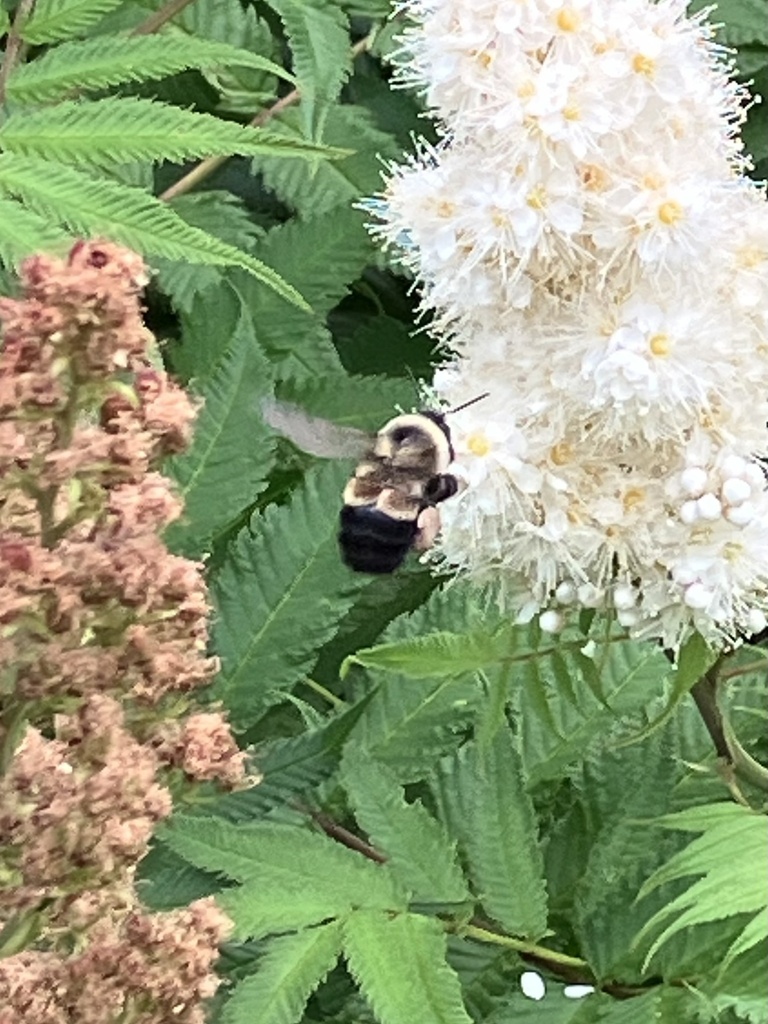
All castes display the characteristic golden-brown to dark brown exoskeleton typical of honey bees. The body comprises three main regions: head, thorax, and abdomen. Dense branched hairs cover the thorax and abdomen, where pollen adheres during foraging. The wings are clear and held flat over the back at rest. Africanized bees are slightly smaller overall and have somewhat shorter hair than European subspecies, though these differences are marginal and require measurement to confirm reliably.
Sexual Dimorphism
Males (drones) are noticeably larger than workers, measuring 15–17 mm, with proportionally larger eyes that meet on top of the head. They lack the specialized pollen-collecting structures (corbiculae) present on worker legs and possess no stinging apparatus. Queens are the largest caste at 18–20 mm, with an elongated abdomen and reduced wing coverage relative to body size. Unlike workers, queens have a smooth abdomen and lack pollen baskets. A queen may live up to 8 years in optimal conditions, far exceeding the weeks to months typical for workers and drones.
Distribution and Habitat
Apis mellifera, the Africanized Honey Bee, has established populations across 34 countries worldwide, reflecting its capacity to adapt to diverse climatic and geographic conditions. The United States holds the highest documented occurrence records with 118 observations, followed by Australia with 70 records. Mexico, New Zealand, and Brazil round out the top five, with 27, 10, and 8 records respectively. Additional populations occur in Argentina, Germany, Israel, Martinique, and South Africa, demonstrating the species’ extensive global presence.
The distribution extends across multiple continents, with significant populations in the Americas—particularly in North America and Central America—as well as established colonies in Europe, Africa, the Middle East, and Oceania. This widespread range reflects both natural range expansion and human-mediated transportation of colonies for agricultural and commercial purposes. The species thrives in varied environmental contexts, from subtropical and temperate regions to more arid zones, indicating considerable physiological flexibility.
Seasonal occurrence data show a pronounced peak in January, with 300 records documented in that month compared to no records in all other months in the available dataset. This pattern likely reflects observation bias or sampling methodology rather than actual absence in other seasons, as the species maintains year-round colonies throughout its range. Elevation data for this species are not currently documented, suggesting A. mellifera populations occur across a broad elevational spectrum without strict altitude restrictions.
Biology
Behavior
Africanized honey bees are highly social insects living in colonies of 20,000 to 80,000 individuals organized into a strict hierarchy of queens, drones, and workers. Each colony operates as a superorganism, with workers communicating through chemical signals (pheromones) and the iconic waggle dance—a figure-eight pattern that conveys the location, distance, and quality of food sources to nestmates. Daily activity is synchronized with daylight hours: foragers depart at dawn and return before dusk, while internal hive duties such as brood tending, comb building, and honey processing continue year-round.
Africanized strains exhibit notably aggressive defensive behavior compared to European honey bee subspecies. When a colony perceives a threat, guard bees release alarm pheromones that recruit hundreds or thousands of workers to attack intruders. These bees pursue threats for considerable distances and will sting repeatedly if their hive entrance is breached. This heightened defensiveness, combined with rapid colony reproduction and tendency to abscond (abandon a hive to relocate), has made Africanized bees a significant management challenge in the Americas since their introduction in the 1950s.
Diet
Honey bees are obligate foragers of floral nectar and pollen. Worker bees visit flowers throughout their active season, collecting nectar in their crop (a specialized stomach pouch) and pollen in specialized leg structures called corbiculae. Nectar is regurgitated into cells, then enzymatically broken down and concentrated to produce honey—the colony’s primary stored carbohydrate. Pollen provides essential proteins, lipids, and micronutrients necessary for brood development and worker body maintenance.
The hive’s nutritional strategy shifts seasonally. During peak foraging months, surplus nectar is converted to honey and stored for winter survival. In temperate regions, colonies reduce brood production in autumn and enter a semi-dormant state, living on stored honey reserves until spring flowers bloom again. Tropical and subtropical Africanized colonies show less pronounced seasonality and may produce multiple broods annually if nectar is consistently available.
Reproduction
Honey bee colonies reproduce through swarming, a process where the existing queen and up to half the worker population leave the hive to establish a new colony elsewhere. Swarming typically occurs in spring when colony size and food availability peak. Before the prime swarm departs, workers rear new queens from fertilized eggs. Once a new queen emerges and mates with drones (males), she begins laying eggs at rates of 1,500 to 2,000 per day during peak season. Unfertilized eggs develop into drones; fertilized eggs become workers or queens depending on diet and cell size.
Development from egg to adult worker takes approximately 21 days; drones require 24 days, and queens just 16 days. A single queen can live up to 8 years in ideal conditions, though productivity typically declines after 2–3 years, prompting workers to supersede her with a new queen. Africanized colonies exhibit higher swarming frequency and faster reproductive rates than European subspecies, allowing rapid population expansion and colonization of new territories. This reproductive vigor, combined with their competitive foraging behavior, explains their rapid spread across the Western Hemisphere.
Conservation and Threats
Apis mellifera, the Africanized Honey Bee, is classified as Data Deficient (DD) on the IUCN Red List. This designation reflects the absence of sufficient population data to assess the species’ conservation status reliably. Despite their ecological and economic importance, quantitative population trends and comprehensive threat assessments remain incomplete across their global range.
The scarcity of formal monitoring means that the true status of Africanized populations is poorly understood in many regions. Their ability to establish feral colonies and adapt to diverse climates has enabled rapid range expansion, particularly across the Americas, yet this adaptability masks potential vulnerabilities to emerging pressures that may not be fully documented.
Threats
Specific threat data for Africanized Honey Bees is limited in current assessments. However, the broader honey bee genus faces well-documented challenges including pesticide exposure, parasitic mite infestations (notably Varroa destructor), habitat loss, and disease pathogens. Africanized populations are also subject to human control measures in regions where their defensive behavior conflicts with public safety and commercial beekeeping interests. Climate variability and changes to floral resources may further impact colony survival rates, though quantified impacts specific to Africanized strains remain understudied.
Conservation Efforts and Legal Protections
Conservation strategies for honey bees broadly emphasize habitat protection, reduced pesticide use, and disease monitoring. In regions where Africanized populations are established, management focuses on coexistence protocols rather than eradication. Several countries maintain research programmes to understand Africanized colony dynamics and their ecological role, though dedicated conservation funding remains modest compared to efforts for other bee species.
Legal protections vary by jurisdiction. Some regions regulate the movement and importation of Africanized colonies to prevent further range expansion, while others recognize their role as pollinators and protect established feral populations. International cooperation on honey bee health, coordinated through organizations such as FAO and regional beekeeping associations, provides a framework for monitoring and managing threats, though enforcement and data collection gaps persist.
Cultural Significance
Apis mellifera, the Western honey bee, holds profound cultural significance across human societies, though its role in contemporary discourse has shifted dramatically toward conservation concern. Historically, honey bees have been central to human food systems, medicine, and symbolism for millennia—their products valued not only for nutrition but for their use in traditional remedies and religious ceremonies. Today, however, the species features prominently in global discussions about ecological collapse and human-induced environmental decline, transforming it from a symbol of productivity into an emblem of fragility in modern ecosystems.
The recent elevation of wild Western honey bee populations to “Endangered” status within the European Union marks a watershed moment in how this species is culturally perceived. For the first time, wild honeybee populations have been officially categorized as endangered, according to the latest IUCN Red List update. This designation reflects mounting threats from Varroa mites, colony collapse disorder, and broader habitat degradation. At the wider Pan-European level, the species remains classified as Data Deficient due to limited information on free-living colony distribution, survival rates, and population trends—a gap that itself has become culturally significant, highlighting how incomplete scientific knowledge shapes conservation narratives.
The plight of Apis mellifera has catalyzed a cultural shift in how people view pollinator decline. What was once an invisible natural process now occupies prominent space in media, policy, and public consciousness, transforming the honey bee into a flagship species for broader environmental concerns. This reframing carries cultural weight: the bee’s decline is invoked to discuss pesticide use, monoculture agriculture, and ecosystem resilience in ways that extend far beyond apiculture itself.
Fun Facts
Apis mellifera, the western honey bee, carries its purpose encoded in its scientific name. The genus Apis derives from Latin for “bee,” while mellifera translates to “honey-bearing” or “honey-carrying”—a direct reference to the species’ most famous contribution to human civilization.
- Apis mellifera is the most widespread honey bee species on Earth. Unlike its seven to eleven congeners, this species thrives across every continent except Antarctica, a testament to its adaptability and human-aided dispersal.
- The name “mellifera” is purely descriptive—it literally means the bee carries or produces honey. This nomenclatural honesty makes Apis mellifera one of the few organisms whose common role is embedded in its formal Latin designation.
- Africanized populations resulted from hybridization between European Apis mellifera and African subspecies, creating colonies with increased defensiveness and swarming behavior. Despite their reputation, they produce the same amount of honey as European strains.
- A single colony can contain up to 60,000 individual bees, yet the entire workforce operates without central command—decisions emerge through chemical communication and waggle dances.
- Worker bees live only 5–6 weeks during active seasons, yet they visit 50–100 flowers per foraging trip and fly up to 9 kilometres from the hive.
- The genus Apis contains the only insects capable of symbolic communication about location, distance, and direction through the waggle dance—a form of spatial language that predates human writing by millions of years.
- Africanized honey bees can detect plant volatiles and pheromones at concentrations as low as a few molecules, giving them sensory acuity far exceeding most vertebrates.
Ecology
Diet
Behavior
Photo Gallery
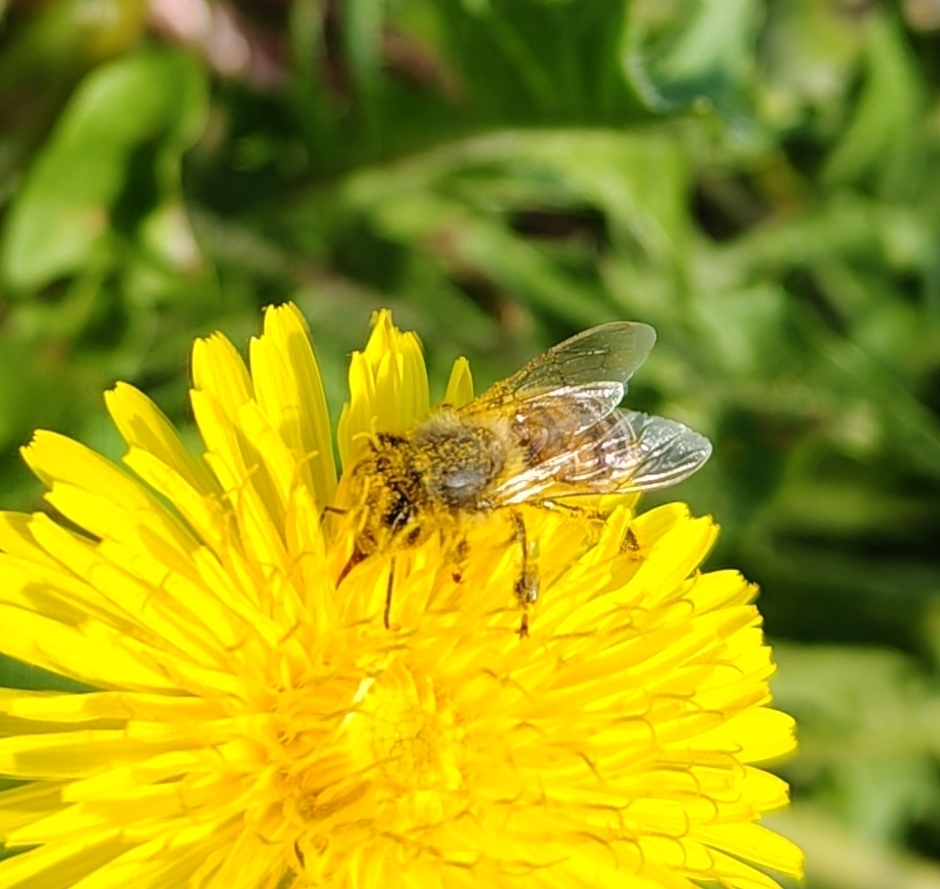
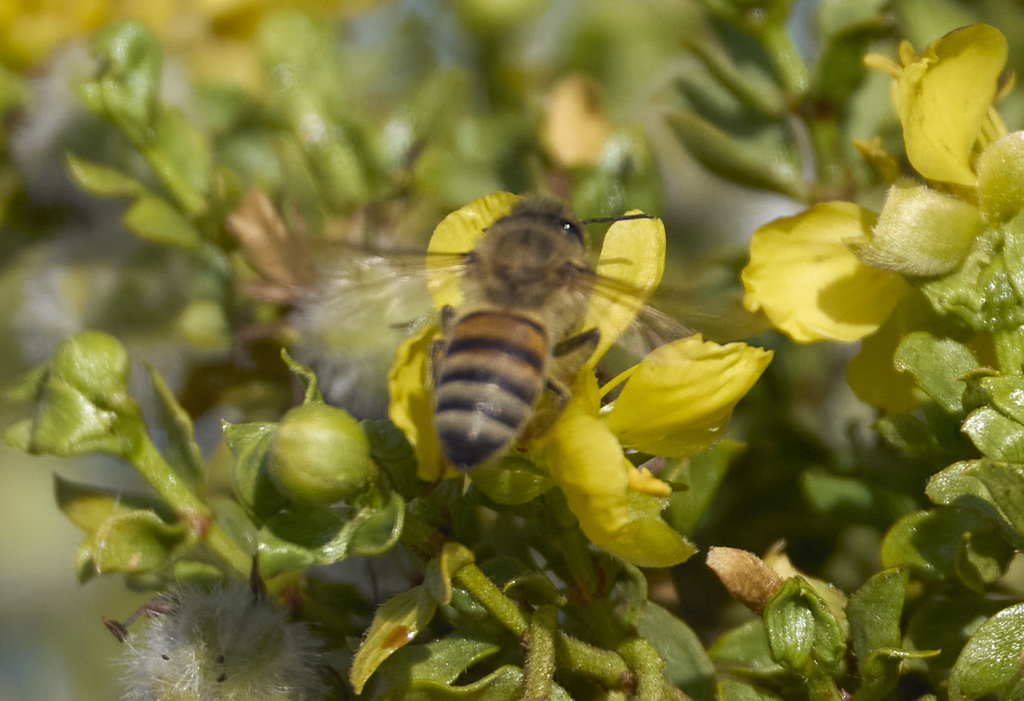
Полина Полежанкина · CC BY 4.0
Related Species
Was this profile helpful?