
Amphibia · Anura
African Clawed Frog
Xenopus laevis
Least ConcernAlso known as: African Clawed Toad, African clawed toad, Clawed Frog, Clawed Toad, Common Clawed Frog
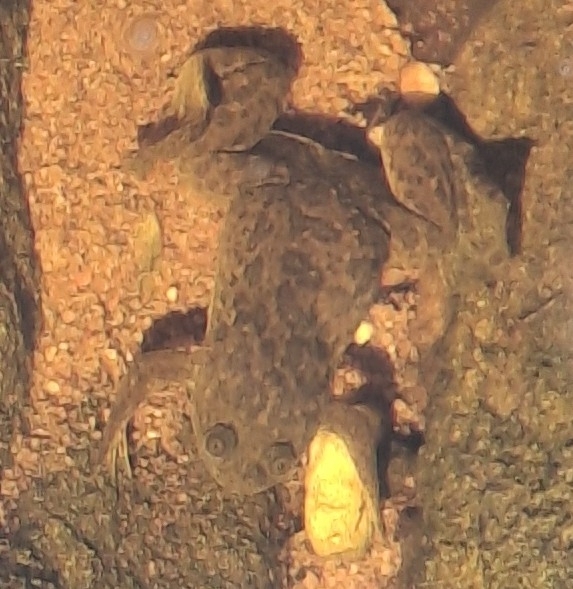
© Vincent Egan · iNaturalist · CC BY-NC 4.0
The African clawed frog is a tongueless aquatic amphibian with flattened limbs, webbed feet tipped with sharp claws, and a body perfectly engineered for life in freshwater. Found across sub-Saharan Africa and now established in at least 10 countries worldwide through human trade, Xenopus laevis thrives in stagnant pools, marshes, and slow rivers where most other vertebrates struggle. Its hardiness, rapid reproduction, and unusual reproductive cycle have made it far more than a regional curiosity—this species has become one of the most important laboratory animals in the world.
With a conservation status of Least Concern, the species faces no immediate threat from habitat loss or overexploitation in its native range. Yet its introduction into non-native regions—from Europe to North America and beyond—has raised ecological concerns, as populations can outcompete native amphibians and disrupt local aquatic food webs. Understanding Xenopus laevis requires examining both its ecological role at home and its unexpected status as one of biology’s most consequential invasive species.
Identification and Appearance
Xenopus laevis, the African clawed frog, is a fully aquatic amphibian with a stocky, flattened body adapted for life in water. These frogs typically display a mottled coloration of greenish-grey and brown tones, sometimes marked with yellowish blotches across the dorsal surface, while the ventral side is pale white or cream. The body is robust and relatively compact, with the head merging smoothly into the torso—a characteristic feature of highly aquatic frogs.
The most distinctive feature of this species is the presence of claws on the inner three toes of the hind feet, from which the common name derives. These keratinous claws are used for gripping substrates and manipulating objects underwater. The eyes are positioned dorsally and lack eyelids, and the tympanum (ear region) is not prominently raised above the skin surface. The skin texture ranges from smooth to slightly bumpy depending on age and condition.
Albino individuals, lacking melanin pigmentation and displaying white or pale pink coloration, occur naturally and have become common in the pet trade and laboratory populations. These colour variants are readily available commercially and are frequently used in scientific research. Standard wild-type frogs are more cryptic, their mottled colouration providing effective camouflage in murky freshwater environments across south-eastern Sub-Saharan Africa.
Distribution and Habitat
Xenopus laevis is native to southern Africa, with its stronghold in South Africa, where GBIF records show 164 documented occurrences. The species also appears in Zimbabwe (4 records), Namibia (3), Eswatini (1), and Malawi (1), reflecting its natural range across the subregion. This aquatic frog thrives in freshwater environments including ponds, marshes, and slow-moving streams where it can hunt and breed.
Beyond its native range, Xenopus laevis has become established in multiple continents as an invasive species. Belgium records the second-highest occurrence count at 69 observations, followed by Chile (22), the United States (21), France (14), and Japan (1). These populations originated from escaped or released laboratory specimens and pets, establishing themselves in suitable freshwater habitats far from Africa. The frog’s adaptability to varied water conditions and its lack of natural predators in non-native environments have enabled rapid colonization.
Temporal records show pronounced seasonal activity, with peak observation frequency occurring in April (111 records), suggesting heightened visibility during the Southern Hemisphere autumn breeding season. Activity drops sharply from May through December, with zero records documented between June and December, indicating either reduced detectability during drier months or migration to deeper water bodies. This pattern reflects the species’ dependence on adequate water availability and reproductive timing aligned with rainfall patterns in its native habitat.
Biology
Behavior
Xenopus laevis is a fully aquatic frog that spends virtually its entire life in water, rarely venturing onto land except during drought conditions or when forced to migrate. The species is primarily nocturnal, becoming most active during evening and night hours when it forages and moves through its freshwater habitat. During the day, African clawed frogs remain relatively sedentary, hiding among aquatic vegetation or on the substrate.
These frogs are generally solitary outside of the breeding season, with little evidence of complex social hierarchies or cooperative behavior. They are competent swimmers, using their powerful hind legs and webbed feet to propel themselves through water with agility. African clawed frogs are also known for their remarkable ability to thrive in degraded or stagnant water bodies where many other amphibians cannot survive, a trait that has contributed to their success as an invasive species in non-native regions.
Diet
African clawed frogs are carnivorous hunters that consume a wide variety of aquatic prey. Their diet includes small fish, tadpoles, aquatic insects, crustaceans, and other invertebrates available in their environment. These frogs actively hunt by detecting movement in the water, using their lateral line system and visual perception to locate and capture prey.
Juveniles feed primarily on small aquatic organisms such as zooplankton and insect larvae, gradually shifting to larger prey as they grow. Adult frogs are opportunistic feeders that will consume any suitable prey item small enough to swallow, making them effective predators in both native and introduced ecosystems. In captivity, they readily accept prepared foods and demonstrate flexible feeding behavior based on prey availability.
Reproduction
African clawed frogs breed year-round in tropical regions, though breeding peaks during warmer months in temperate zones. Males and females exhibit amplexus, a mating position in which the male clasps the female from behind, stimulating egg release. A single female can produce thousands of eggs in a spawning event, releasing them directly into the water where they are fertilized externally.
Eggs are typically laid in clusters and hatch within 24 to 48 hours depending on water temperature. Tadpoles are fully aquatic and feed on algae and plant matter, undergoing metamorphosis over several weeks to months. African clawed frogs show no parental care; adults neither guard eggs nor protect developing tadpoles. This reproductive strategy, combined with rapid development and high fecundity, enables the species to colonize new habitats efficiently.
Conservation and Threats
Xenopus laevis, the African Clawed Frog, holds a conservation status of Least Concern on the IUCN Red List. This designation reflects a wide geographical range across sub-Saharan Africa and a stable wild population that currently faces no imminent risk of extinction in its native range. The species has proven highly adaptable to diverse aquatic environments and maintains robust populations throughout much of Africa.
Threats
While Xenopus laevis remains secure in Africa, the species presents a complex conservation picture when viewed globally. Outside its native range, it has become an invasive species in several countries, including the United States, Europe, and parts of South America. In these regions, it competes with native amphibians for resources, preys on local species, and can disrupt freshwater ecosystems. The introduction of invasive populations has often resulted from escapes or releases from the pet trade and research facilities.
Within Africa, habitat degradation poses a localized threat in some areas. Wetland destruction, water pollution, and habitat fragmentation affect populations in certain regions, though these pressures have not yet caused range-wide decline. Climate change and emerging diseases, including chytrid fungus, may pose future risks, particularly in areas where populations have become isolated.
Conservation Efforts
In its native African range, Xenopus laevis benefits from the protection of wetland reserves and national parks that safeguard its aquatic habitats. Several African countries have implemented wetland conservation programmes that indirectly protect this species alongside other freshwater fauna. Additionally, international regulations on the pet trade have helped reduce uncontrolled exports that once contributed to its establishment outside Africa.
Cultural Significance
Xenopus laevis, the African clawed frog, has earned its place in human knowledge primarily through its role in scientific research rather than traditional cultural practices. The species has been used widely in the field of developmental biology, becoming a cornerstone organism for understanding how embryos develop and how genes regulate growth. This scientific prominence has made the frog a fixture in laboratories worldwide, from university classrooms to cutting-edge research institutions.
The frog’s common name reflects a distinctive feature that captures human attention: the short black claws on its feet, which give the genus Xenopus its name—meaning “strange foot.” This anatomical oddity has made the species instantly recognizable to biologists and laypeople alike, contributing to its cultural identity as an iconic research animal. Beyond developmental studies, the species continues to support advances in emerging technologies and genomic research, ensuring its ongoing relevance in modern science and medicine.
Fun Facts
- 1.African clawed frogs can hold their breath underwater for up to 7 hours by entering a state of reduced metabolism, making them exceptionally adapted to life in seasonal wetlands that may dry out for months.
- 2.These frogs produce a potent antimicrobial peptide called magainin in their skin, which inspired the development of experimental antibiotics and wound-healing compounds now being tested in human medicine.
- 3.Xenopus laevis was the first vertebrate organism used to develop the modern pregnancy test in the 1930s—injecting a woman’s urine into the frog’s lymphatic sac would trigger egg release if pregnancy hormones were present, earning it the nickname “pregnancy frog.”
- 4.Male African clawed frogs produce a distinctive underwater mating call that sounds like rapid clicking or ticking, which they can sustain almost continuously during the breeding season to attract females.
- 5.These frogs lack a tongue and instead use a rapid suction-feeding mechanism to capture prey, drawing in small fish, insects, and crustaceans with a sudden inrush of water and mouth expansion.
- 6.African clawed frogs are nearly transparent as tadpoles, allowing researchers to study organ development and cell migration directly through the living larva—a feature that has made them invaluable in developmental biology for decades.
- 7.They are highly invasive in non-native regions and have established populations across Europe, North America, and Asia, where they outcompete native amphibians and can transmit the fungal pathogen Batrachochytrium dendrobatidis (the chytrid fungus responsible for global amphibian declines).
Sources and References
- Global Biodiversity Information Facility (GBIF)View source
- iNaturalistView source
- WikidataView source
- WikipediaView source
- Encyclopedia of Life (EOL)View source
Ecology
Diet
Behavior
Conservation Status
LC (Least Concern) · NT · VU · EN · CR · EW · EX
Photo Gallery
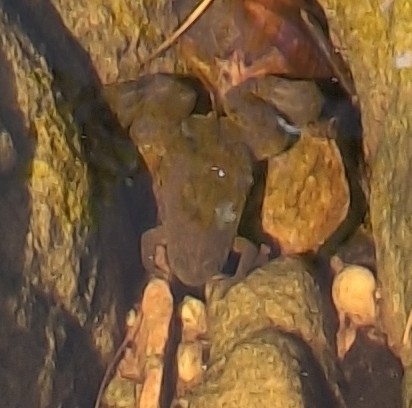
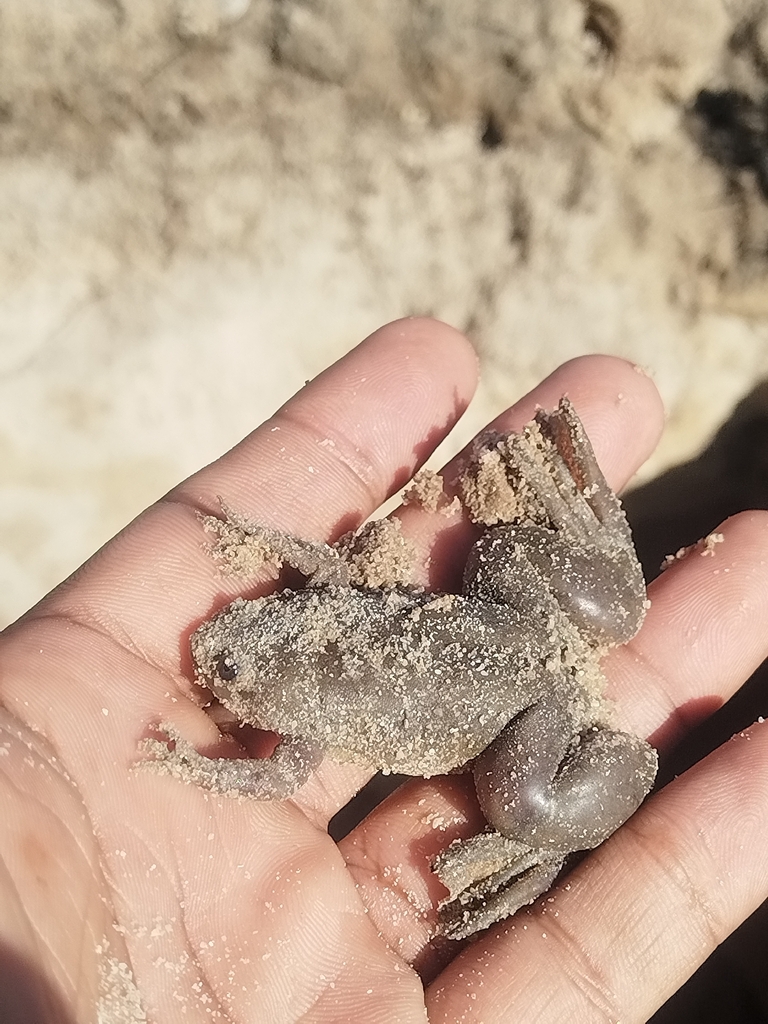
Vincent Egan · CC BY-NC 4.0
Related Species
Was this profile helpful?