
Saccharomycetes · Saccharomycetales
Candida Yeast
Candida albicans
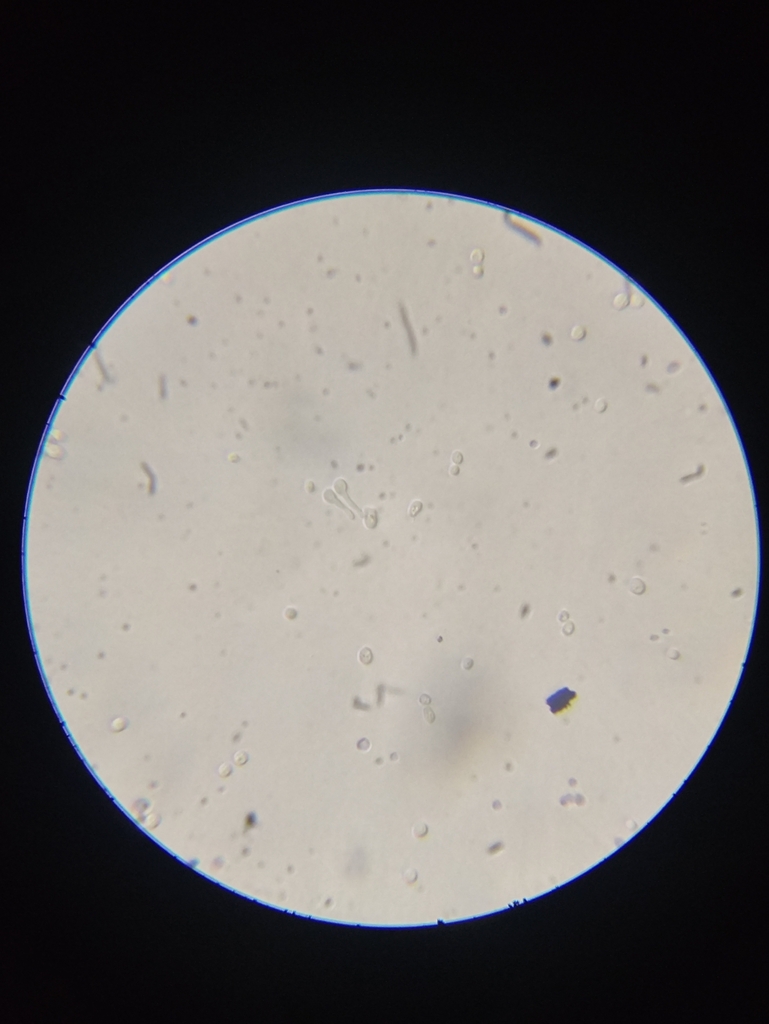
© Ashwin A · iNaturalist · CC BY 4.0
Scientific Classification & Quick Facts
Classification
Known For
Full profile in progress — check back soon.
Candida albicans is a single-celled fungus that lives in and on the human body, yet remains one of the most consequential microorganisms in clinical medicine. Found across at least nine countries worldwide, this yeast is a ubiquitous inhabitant of the skin, mouth, and gastrointestinal tract in healthy individuals. Despite its prevalence, C. albicans has earned considerable attention for its ability to shift from a harmless commensal organism to a significant opportunistic pathogen under the right circumstances.
What makes this species particularly notable is the sharp divide between its role as a normal inhabitant of human flora and its potential as an invasive pathogen. When immune function is compromised—whether through illness, medication, or aging—C. albicans can cause superficial infections like oral thrush or genital candidiasis, as well as serious systemic infections in hospitalized patients. Understanding the biology and ecology of this fungus remains essential for clinicians and researchers alike.
Identification and Appearance
Candida albicans is a unicellular fungus that exists in two primary morphological forms: yeast cells and filamentous hyphae. The yeast form consists of oval to spherical cells measuring approximately 4–6 micrometres in diameter, with a thick cell wall composed of chitin and β-glucans. Individual cells reproduce asexually through budding, producing daughter cells that initially remain attached before separating. Under certain environmental conditions—including elevated temperature, neutral pH, and nutrient limitation—the organism transitions into its filamentous form, generating elongated pseudohyphae or true hyphae that facilitate deeper tissue penetration.
Microscopically, Candida albicans appears as translucent to whitish cells when cultured on standard growth media such as Sabouraud dextrose agar. Colonies typically develop a cream to off-white coloration, sometimes with a slightly raised, mucoid appearance. The organism produces germ tubes—small protrusions that emerge from the yeast cell—which are a diagnostic feature used to distinguish this species from other Candida species. Under light microscopy, the budding yeast cells display clear cytoplasm with a visible nucleus, while hyphae appear as branching filaments with septate or pseudoseptate divisions depending on the growth stage.
No significant sexual dimorphism exists in Candida albicans, as the organism primarily reproduces asexually through budding. However, the species is haploid and possesses a parasexual cycle involving rare mating events that generate diploid cells; these diploid forms may exhibit slightly different cell sizes and growth characteristics. The morphological plasticity of Candida albicans—its ability to switch between yeast and hyphal forms—is a central feature of its pathogenic strategy and ecological success.
Distribution and Habitat
Candida albicans has a global distribution across nine countries, with the highest documented occurrence in Finland (160 records) and Australia (122 records). Smaller populations are recorded in the United States, Poland, and India, with additional presence in Sweden, Canada, Colombia, and Portugal. This widespread geographic range reflects the organism’s ability to colonize diverse human environments worldwide.
Elevation data shows consistent presence at approximately 14 metres, indicating the organism’s association with low-lying areas and human settlements near sea level. C. albicans thrives in warm-blooded host environments rather than distinct terrestrial habitats; it is primarily a commensal organism of human skin, mucous membranes, and the gastrointestinal tract.
Seasonal patterns show marked variation across the calendar year, with peak abundance in July (70 records), preceded by elevated occurrences in June (52 records). Autumn and winter months show declining detection rates, with January and February each recording 22 observations and December dropping to 7 records. This seasonal cycle likely correlates with changes in human immune function, environmental humidity, and laboratory testing frequency rather than ecological seasonality in the organism itself.
Ecology and Lifecycle
Lifecycle
Candida albicans is a diploid yeast that reproduces through both asexual and sexual means. In its yeast form, the organism undergoes budding—a process in which a daughter cell develops from the parent cell and eventually detaches. Under certain environmental conditions, particularly those involving nutrient stress or temperature changes, C. albicans transitions into a filamentous hyphal form, producing elongated cells that branch and interconnect. This morphological switch is central to the organism’s virulence and survival strategy.
The fungus does not produce spores in the classical sense. Instead, it persists through resistant cell types and biofilm structures that protect populations during unfavorable conditions. Transmission between hosts occurs through direct contact, inhalation of cells suspended in air, or transfer via contaminated surfaces and fomites. The organism can survive dormancy for extended periods, enabling it to colonize new hosts and environments opportunistically.
Ecological Role
Candida albicans exists primarily as a commensal organism in the human microbiota, inhabiting the oral cavity, gastrointestinal tract, and genital tract without causing disease in immunocompetent individuals. It forms part of the normal human microbiome alongside bacterial communities. When host immune defenses are compromised—by illness, immunosuppressive therapy, or antibiotic use that disrupts bacterial competition—the yeast can proliferate unchecked and transition into a pathogenic state.
The organism functions as a facultative pathogen, meaning it can adopt either a benign or harmful lifestyle depending on host conditions. In its commensal state, C. albicans likely plays a minor role in nutrient cycling within the human body. Its ecological significance lies primarily in its relationship with human health rather than in broader environmental decomposition or nutrient cycling.
Uses
Candida albicans has no culinary or intentional medicinal uses. The organism is not cultivated for food, beverages, or therapeutic purposes. Instead, it is studied extensively in medical and microbiological research as a model organism for understanding fungal pathogenesis, host-pathogen interactions, and antifungal drug mechanisms. Laboratory strains have contributed significantly to advances in molecular biology and immunology.
Treatment relies on antifungal medications such as azoles and echinocandins, though drug-resistant strains are emerging globally. Prevention focuses on maintaining immune function, controlling unnecessary antibiotic use, and practicing hygiene in healthcare settings. Understanding C. albicans biology remains essential for developing new therapeutic strategies and controlling infections in vulnerable populations.
Conservation and Threats
Candida albicans is not evaluated under the IUCN Red List framework. As a fungal microorganism, it falls outside the scope of traditional conservation assessment systems designed for macroscopic organisms. The species requires no formal conservation status because it is not threatened with extinction—instead, it exists as a ubiquitous component of human microbiota and environmental ecosystems worldwide.
Unlike wild species facing habitat loss or poaching, C. albicans thrives in human-dominated environments and within human hosts. Its populations are stable and abundant across the globe. The ecological and public health concern surrounding this species is not its preservation, but rather the management of its pathogenic potential and the prevention of antimicrobial resistance.
Threats and Resistance Development
The primary “threat” associated with C. albicans is not to the species itself, but to human health. The emergence of antifungal resistance in clinical isolates represents a growing public health challenge. Overuse of azole antifungals in medical and agricultural settings has selected for resistant strains, particularly fluconazole-resistant and echinocandin-resistant populations. Immunocompromised individuals—those with HIV/AIDS, undergoing chemotherapy, or receiving organ transplants—remain at highest risk of severe candidiasis.
Environmental reservoirs and transmission pathways are not under active threat. C. albicans is transmitted through direct contact and persists readily in healthcare settings, making it difficult to eliminate from hospitals and clinical environments. The species has not declined in abundance; instead, clinical concern focuses on preventing the spread of resistant strains and reducing unnecessary antifungal exposure.
Conservation Efforts and Public Health Response
There are no traditional conservation programmes for C. albicans because the species does not require protection. Instead, public health organisations globally implement antimicrobial stewardship programmes to reduce antifungal overuse and slow resistance development. The World Health Organization and national health agencies monitor resistance trends and provide clinical guidance for appropriate antifungal use. Research into novel antifungal agents and combination therapies continues to address emerging resistance.
Fun Facts
Candida albicans is one of the most medically significant fungi on the planet, yet most people carry it harmlessly in their bodies every day. This single-celled yeast inhabits the mouths and gastrointestinal tracts of 40–60% of healthy adults as a normal commensal organism, asking nothing of its host until the immune system falters. When defenses weaken—through illness, immunosuppression, or prolonged antibiotic use—this quiet colonist can transform into a dangerous pathogen.
- Despite its common presence in the human body, C. albicans becomes lethal when it enters the bloodstream; systemic candidiasis carries a 40% mortality rate, ranking it among the most dangerous fungal infections.
- Only four Candida species—C. albicans, C. tropicalis, C. parapsilosis, and C. glabrata—are responsible for 50–90% of all human candidiasis cases, despite the genus containing far more species.
- C. albicans is the dominant fungal colonizer of permanently implanted medical devices like catheters and prosthetic heart valves, making it a leading cause of device-related biofilm infections that are notoriously difficult to treat.
- This yeast can survive outside the human body in environmental reservoirs, allowing it to persist on contaminated surfaces and potentially transmit between individuals—a trait unusual for many commensal fungi.
- Hospital-acquired invasive candidiasis alone kills an estimated 2,800 to 11,200 people per year in the United States, making it a significant nosocomial threat comparable to many bacterial pathogens.
- The same organism that causes oral thrush in infants and vaginal yeast infections in women can infiltrate the heart, kidneys, and brain in immunocompromised patients, demonstrating remarkable pathogenic versatility.
Photo Gallery
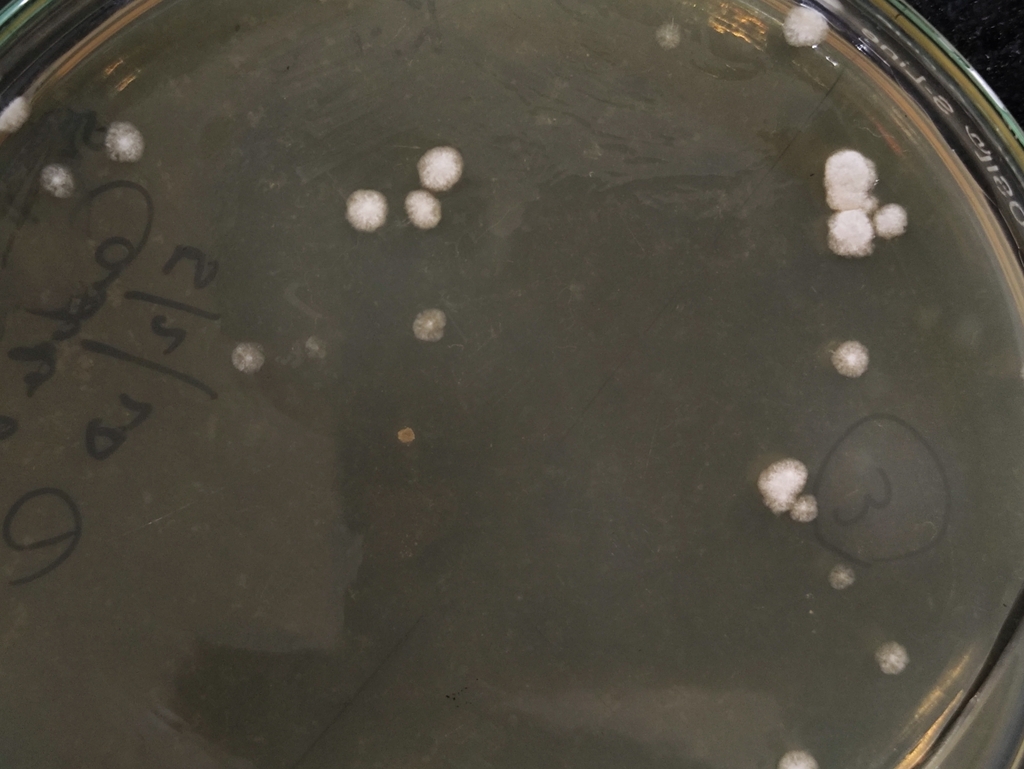
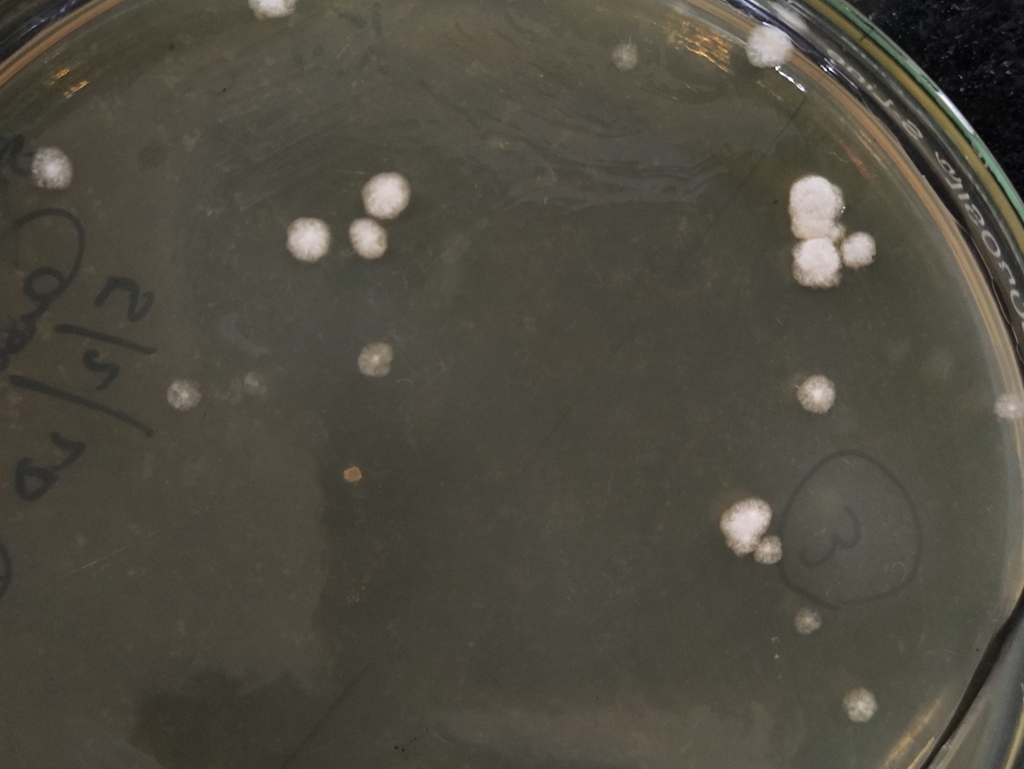
Ashwin A · CC BY 4.0
Related Species
Was this profile helpful?