
Saccharomycetes · Saccharomycetales
Baker’s Yeast
Saccharomyces cerevisiae
Also known as: ale yeast, brewer's yeast, budding yeast, ragi yeast, top-fermenting yeast
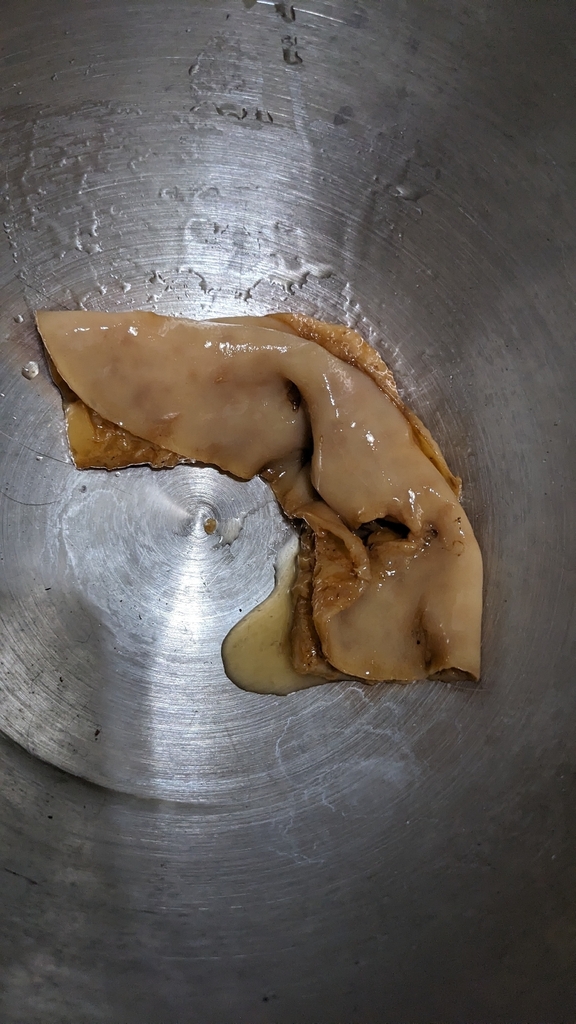
© no rights reserved · iNaturalist · CC0 1.0
Scientific Classification & Quick Facts
Classification
Known For
Detailed measurements for this species are still being verified.
Saccharomyces cerevisiae, commonly known as baker’s yeast, is a single-celled fungus that has shaped human civilization for millennia. Found across at least 15 countries worldwide, this microscopic organism transforms flour and water into risen bread, ferments grapes into wine, and brews beer with remarkable consistency. Yet for all its familiarity in kitchens and breweries, baker’s yeast remains a powerhouse of biological innovation—a species whose genome was the first eukaryotic genome to be fully sequenced, and whose metabolic pathways continue to reveal fundamental truths about life itself.
Belonging to the phylum Ascomycota and family Saccharomycetaceae, this fungus thrives in sugar-rich environments where it ferments sugars into alcohol and carbon dioxide—the very process that leavens bread and creates alcoholic beverages. Its conservation status remains unknown, yet baker’s yeast is far from threatened; it exists in abundant supply across food industries worldwide and continues to be one of the most studied and utilized microorganisms in biotechnology, medicine, and food science.
Identification and Appearance
Saccharomyces cerevisiae is a single-celled fungus whose microscopic dimensions place it far beyond the threshold of naked-eye visibility. Individual cells are roughly spherical to slightly oval, typically measuring 5–10 micrometres in diameter. This diminutive size is deceptive: despite being invisible to the human eye, baker’s yeast cells are among the largest and most metabolically active unicellular organisms commonly used in biotechnology and food production.
Cell Structure and Appearance
Under a light microscope, baker’s yeast cells appear as translucent, pale yellowish spheres or ellipsoids with a characteristic thick cell wall. The cytoplasm is granular and often contains visible vacuoles. Staining reveals a distinct nucleus, distinguishing S. cerevisiae as a eukaryote. When cultured on agar or in liquid media, colonies or suspensions display a cream to pale tan colour, though the exact shade depends on growth conditions and nutrient availability.
Reproduction occurs through both budding—the primary asexual mechanism—and sexual spore formation under specific conditions. Budding produces a characteristic small outgrowth from the parent cell that eventually detaches, creating chains or clusters of interconnected cells visible under magnification. Yeast exhibits no sexual dimorphism, as individual cells function as both male and female reproductive units depending on environmental triggers.
Distribution and Habitat
Saccharomyces cerevisiae has been documented across 15 countries worldwide, reflecting its role as a ubiquitous microorganism in human food production and fermentation industries. Finland dominates the observation record with 233 documented instances, followed by Colombia (21), New Zealand (10), and smaller populations in the United States, Thailand, India, and Japan. This geographic spread is not indicative of natural biogeography but rather reflects the species’ widespread cultivation and industrial use in baking, brewing, and fermentation globally.
Elevational records span from 693 metres to 1,938 metres above sea level, with an average elevation of 1,039 metres. This modest range suggests the species thrives across temperate and subtropical zones without strict altitude constraints. The organism’s presence at varying elevations reflects its adaptability to controlled fermentation environments and food production facilities, which operate at diverse geographic settings rather than any preference for particular elevation bands.
Seasonal activity peaks sharply during the Northern Hemisphere summer months. July represents the peak observation period with 65 documented instances, followed by August (62) and September (57). Activity remains elevated from May through October, then drops substantially in winter months, with only 1 or 2 observations recorded in November and December. This pronounced seasonality likely correlates with increased baking and fermentation activity during warmer months, particularly in regions with strong summer agricultural calendars.
Ecology and Lifecycle
Lifecycle
Saccharomyces cerevisiae reproduces primarily through budding, a form of asexual reproduction where a daughter cell develops from the parent cell. Under optimal conditions with adequate sugar and nutrients, yeast cells divide rapidly—a single cell can produce a new generation in as little as 90 minutes. The organism can exist as either haploid (single set of chromosomes) or diploid (double set) cells, switching between these states depending on environmental stress and nutrient availability.
When environmental conditions become unfavorable—such as nutrient depletion or osmotic stress—yeast cells can form thick-walled spores through a process called sporulation. These ascospores are dormant structures capable of surviving harsh conditions and can remain viable for extended periods. Sexual reproduction occurs when two haploid cells of opposite mating types fuse, creating a diploid cell that can then undergo meiosis to produce ascospores. In brewery and bakery settings, however, reproduction remains almost entirely asexual, with budding yeast maintained through successive culture transfers.
Ecological Role
In nature, S. cerevisiae occupies a specific ecological niche as a sugar-fermenting decomposer. The organism thrives on ripe fruits, particularly grapes, where it colonizes the fruit surface during ripening. Year-round populations persist in oak tree bark, where the yeast finds refuge and access to carbohydrate-rich exudates. The presence of the yeast on fruits and bark suggests it plays a role in the natural fermentation processes that occur in decaying plant material.
Since S. cerevisiae is not airborne, it depends on vectors for dispersal—historically, insects such as wasps have transported the yeast between flowers and fruits, aiding both yeast distribution and plant reproduction. The yeast’s role as a decomposer is indirect but significant; it breaks down sugars in ripening fruit through fermentation, producing ethanol and carbon dioxide. This metabolic activity creates an environment hostile to many competing microorganisms, allowing S. cerevisiae to dominate fermenting substrates.
Uses
Saccharomyces cerevisiae is one of humanity’s oldest and most economically important microorganisms. In baking, the yeast ferments sugars in dough, producing carbon dioxide that leavens bread, and ethanol that evaporates during cooking. Breweries rely on yeast strains to ferment wort into beer, with different strains imparting distinct flavor profiles. Winemakers use both wild populations and commercial cultures to ferment grape juice into wine, a process that has occurred for millennia.
Beyond fermentation, S. cerevisiae serves as a model organism in molecular biology and genetics research, with its entire genome sequenced and well-characterized. The yeast is generally recognized as safe (GRAS) by food regulatory agencies and poses no toxicity risk when used in food production. Its versatility, predictable behavior, and safety profile have made it the preferred yeast for commercial food and beverage production worldwide.
Conservation and Threats
Saccharomyces cerevisiae does not appear on the IUCN Red List, and formal conservation status assessments do not apply to this species. As a microorganism that has been domesticated and cultured for thousands of years, baker’s yeast is not evaluated under the same frameworks used for wild plants and animals. The species exists primarily in human-controlled laboratory and industrial settings, where populations are deliberately maintained and propagated.
Unlike wild organisms facing habitat loss or overexploitation, baker’s yeast benefits from stable, intentional management within brewing, baking, and biotechnology industries. Its widespread cultivation across the globe ensures that extinction risk is negligible. Population data for this species are not tracked in the way they are for endangered wildlife, since human stewardship of laboratory strains represents a form of biological security rather than a conservation concern.
Threats and Risks
Baker’s yeast faces no recognized environmental threats in the conventional sense. However, laboratory strains can be vulnerable to contamination, loss of genetic diversity through selective breeding, and dependence on maintained culture collections. Some wild populations of S. cerevisiae exist in natural habitats such as tree bark and soil, where they may be affected by changes in forest ecology or pesticide use, but these populations are not monitored or managed as conservation priorities.
The main risk to continued availability of baker’s yeast lies in the loss of culture collections or strain repositories due to funding cuts, institutional closures, or inadequate curation. Many commercially important strains are held in a small number of specialized facilities worldwide. Disruption to these repositories could impact brewing and baking industries, though redundancy across multiple institutions provides practical security.
Conservation Efforts
No formal conservation programmes exist for baker’s yeast, as the species requires no legal protection. However, biological resource centers and strain collections—such as the European Collection of Authenticated Cell Cultures and the American Type Culture Collection—maintain extensive repositories of S. cerevisiae strains for research and industry. These institutions work to preserve genetic diversity and ensure long-term access to important variants.
Cultural Significance
Saccharomyces cerevisiae has shaped human civilization for millennia, though most people remain unaware of its invisible role in their daily lives. This single-celled fungus ferments bread dough, brews beer and wine, and produces biofuels and pharmaceuticals. Its cultural significance lies not in mythology or symbolism, but in its fundamental contribution to food production and modern biotechnology.
In baking, baker’s yeast enables the rise of bread by converting sugars into carbon dioxide and ethanol through fermentation. This process, refined over centuries, transformed bread-making from a labour-intensive craft into a reproducible science. The yeast’s reliability and consistency made industrial-scale baking possible, feeding populations across Europe, North America, and beyond. In brewing, the same organism produces alcoholic beverages—beer, wine, and spirits—establishing itself as central to both sustenance and social tradition.
Beyond cuisine, S. cerevisiae became the first eukaryotic organism to have its entire genome sequenced in 1996, marking a watershed moment in molecular biology. Today, it serves as a model organism in genetics laboratories worldwide and as a living factory for producing insulin, vaccines, and other recombinant proteins. Its simplicity, rapid reproduction, and well-understood genetics make it indispensable to contemporary medicine and industrial biotechnology. Few organisms have so thoroughly woven themselves into both human culture and scientific progress.
Fun Facts
- Grape skin origin: Baker’s yeast likely originated on the skin of grapes, where wild populations still thrive today. This natural habitat connection explains why the organism became so integral to winemaking in ancient civilizations.
- Molecular biology workhorse: Saccharomyces cerevisiae is one of the most intensively studied eukaryotic model organisms in molecular and cell biology, rivaling fruit flies and mice in research prominence. Its compact genome and ease of manipulation have made it indispensable for understanding fundamental cellular processes.
- Tiny but mighty: Individual cells measure just 5–10 micrometres in diameter—smaller than the width of a human hair—yet they can transform enormous quantities of sugar into alcohol and carbon dioxide. Their diminutive size belies their enormous impact on human food and beverage production.
- Budding rather than division: Unlike bacteria that split in two, baker’s yeast reproduces by budding, where a daughter cell grows from the surface of the parent before detaching. This asexual reproduction allows rapid population growth under favourable conditions.
- Ancient fermentation partner: This species has been instrumental in winemaking, baking, and brewing for thousands of years, though it was not scientifically identified until the 19th century. Archaeological evidence suggests humans were harnessing its fermentative power as far back as the Bronze Age.
- Multiple fermentation pathways: Baker’s yeast causes many common types of fermentation beyond alcohol production, including lactic acid fermentation and acetic acid fermentation in other contexts. This metabolic versatility makes it useful across diverse food industries worldwide.
Photo Gallery
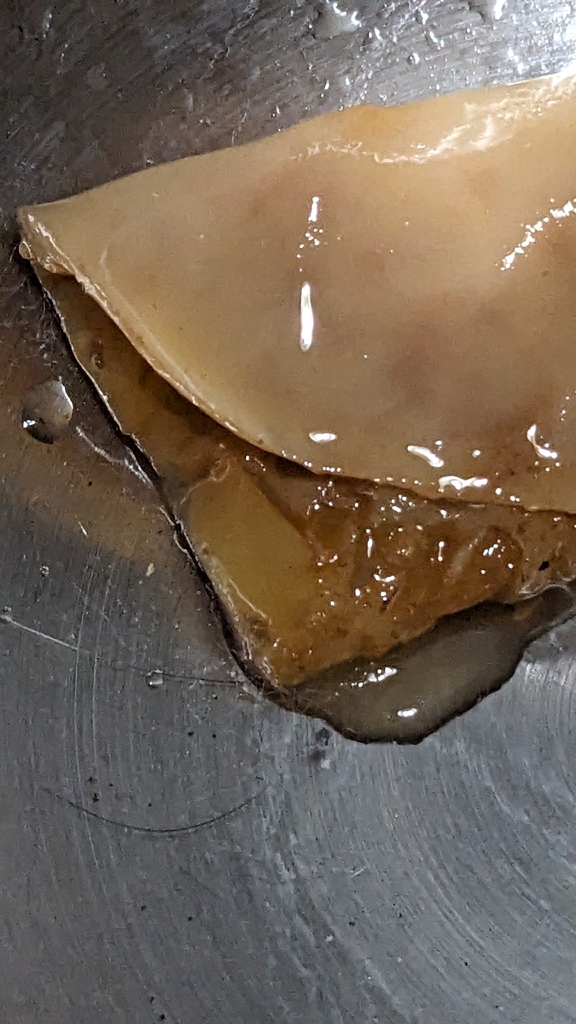
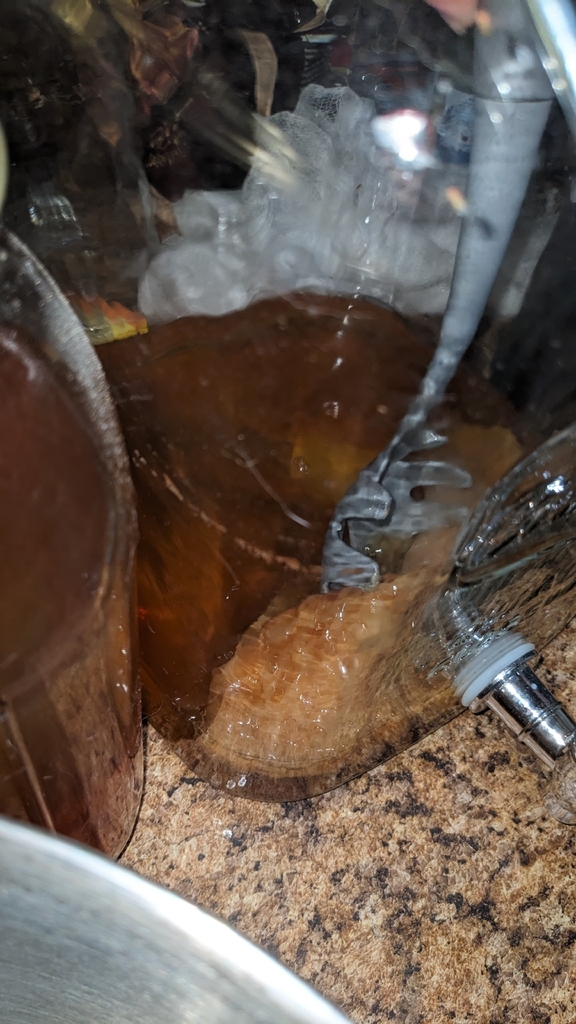
no rights reserved · CC0 1.0
Related Species
Was this profile helpful?