
Agaricomycetes · Polyporales
Lingzhi
Ganoderma lucidum
Also known as: Lacquered Bracket
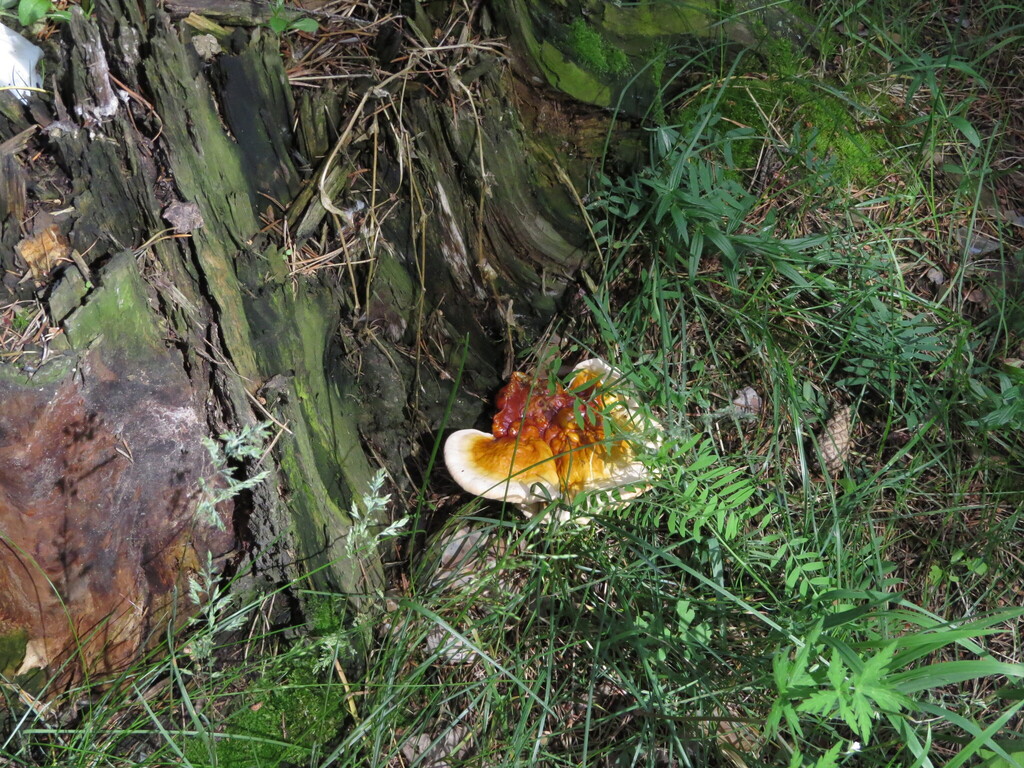
© Дарья Орлова · iNaturalist · CC BY 4.0
Scientific Classification & Quick Facts
Classification
Known For
Detailed measurements for this species are still being verified.
Ganoderma lucidum, known as Lingzhi or reishi mushroom, is a woody polypore fungus that has captivated human cultures for millennia. Unlike typical mushrooms that fruit briefly and disappear, this species forms hard, shelf-like structures on dead or dying wood, where it persists for years as a living decomposer. Its shiny, lacquered appearance—ranging from deep red to mahogany brown—makes it instantly recognizable in forests across the temperate and subtropical regions of Asia, Europe, and North America.
Recorded in 39 countries worldwide, Ganoderma lucidum occupies a conservation status currently listed as unknown, reflecting the limited formal assessment of this widespread species. Its ability to colonize a broad range of woody substrates—from oak and hemlock to hardwoods in subtropical forests—has allowed it to establish itself across multiple continents, though reliable population trends remain undocumented. What makes this fungus especially notable is its dual significance: it is both an important ecological decomposer that recycles nutrients in forest ecosystems and a species of profound cultural and commercial interest in traditional medicine and wellness industries.
Identification and Appearance
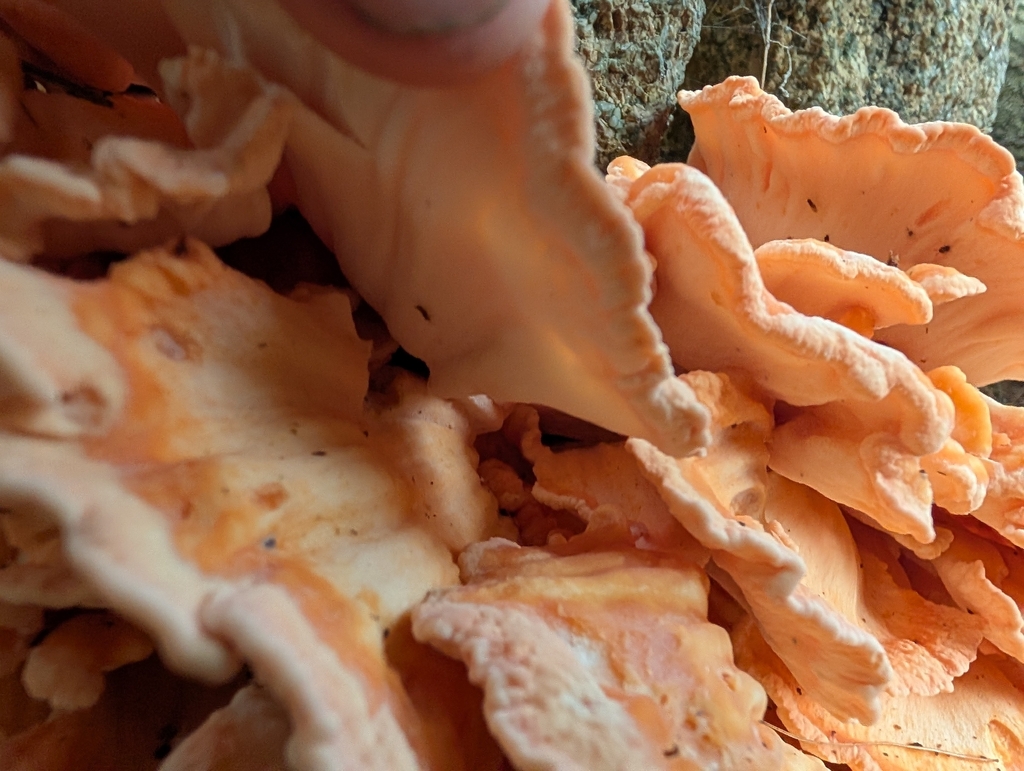
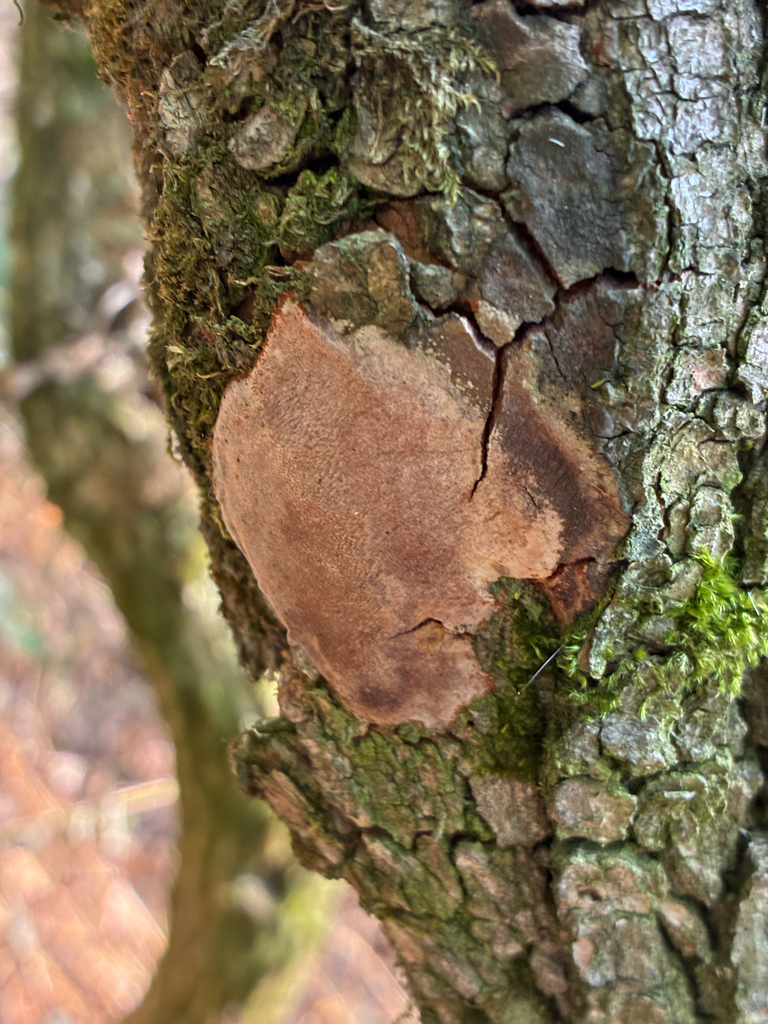
Ganoderma lucidum, known as Lingzhi, is a distinctive polypore fungus characterized by its glossy, fan-shaped fruiting bodies and rich coloration. The caps grow up to 35 centimetres across and display a striking purple-brown hue with a distinctive shiny or lacquered appearance. This lustrous quality is one of the most recognizable features of the species and accounts for much of its aesthetic appeal in traditional practice.
The fruiting body almost always features a prominent stalk, or stipe, which is tawny to russet colored and notably thick—typically 1.5 times the diameter of the cap. The context tissue (the sterile tissue between the outer crust and the spore-bearing tubes) is pink-buff to cinnamon-buff in color and has a corky texture. Under magnification, concentric growth zones are visible within this tissue, creating a distinctive pattern that reflects the fungus’s seasonal growth cycles. The spores are brown, and the mushroom may display up to six different colors across its surface, ranging from deep purples to earthy browns and russets.
Lingzhi grows primarily on decaying wood of hardwood trees, particularly plum and oak stumps. The species is native to China, Japan, and North America, though it is now commonly cultivated throughout Asia for both medicinal and ornamental purposes. This widespread cultivation has made the species one of the most recognized fungi in East Asian traditional medicine and wellness practices.
Distribution and Habitat
Ganoderma lucidum, commonly known as Lingzhi, has a wide distribution across 39 countries, with a pronounced presence in northern Europe. Sweden leads occurrence records with 50 documented sightings, followed by Finland (37), Norway (29), Spain (27), and Germany (23). The species also appears in the Netherlands, Denmark, France, Romania, Austria, and numerous other nations across temperate regions.
The fungus thrives across a broad elevation range, from 180 metres to 1,173 metres above sea level, with an average occurrence at 474 metres. This vertical tolerance allows Ganoderma lucidum to colonize both lowland and montane forests across diverse geographical contexts.
Seasonal patterns show a distinct spring peak in northern Europe, with March recording the highest number of observations (65 sightings). Activity remains elevated through April to June (60, 54, and 55 observations respectively), before dropping sharply from July onwards. This phenological pattern suggests that fruiting bodies emerge most frequently in the cool, moist conditions of early spring, with minimal recorded observations during the summer and autumn months.
Ecology and Lifecycle
Lifecycle
Ganoderma lucidum begins its lifecycle as microscopic spores dispersed through the air. When a spore lands on dead or weakened wood—typically hardwoods such as oak, maple, or plum—it germinates and develops into vegetative mycelium. This threadlike network colonizes the wood substrate, breaking down its structure over months or years. The fungus is a wood-decay specialist, secreting enzymes that decompose both cellulose and lignin, the primary structural polymers in timber.
Fruiting bodies emerge when environmental conditions align: high humidity, moderate temperatures (15–25°C), and sufficient nutrients accumulated in the colonized wood. The characteristic glossy, kidney-shaped fruiting body develops slowly, sometimes taking months to reach maturity. Once mature, the underside releases millions of spores through microscopic pores (rather than gills), dispersing them on air currents to begin new infections elsewhere.
Ecological Role
Ganoderma lucidum functions as a saprobic decomposer, playing a crucial role in nutrient cycling in temperate and subtropical forests. By breaking down dead wood that would otherwise accumulate, it returns carbon and minerals to the soil, enriching it for new plant growth. The fungus also creates ecological niches: its fruiting bodies shelter insects and small arthropods, while its decayed wood becomes habitat for bacteria, mites, and other wood-dependent organisms.
In some contexts, the fungus can act as a facultative parasite on living trees, particularly weakened or stressed individuals. A mature fruiting body may persist on the same tree for years, continuing to extract nutrients and gradually compromising the tree’s structural integrity.
Uses
Ganoderma lucidum has been valued in traditional Chinese medicine for over two thousand years, where it is called lingzhi or “mushroom of immortality.” The fruiting body is harvested, dried, and processed into decoctions, powders, and extracts. Contemporary use focuses on immune support, stress reduction, and general wellness, though rigorous clinical evidence remains limited. The fungus contains bioactive compounds including polysaccharides, triterpenes, and peptidoglycans, which are the focus of ongoing pharmacological research.
Commercial cultivation of G. lucidum has expanded dramatically since the 1970s, with large-scale production in East Asia supplying global supplement markets. The fruiting bodies are rarely eaten as food but are instead prepared as tea, tincture, or powdered supplement. In Western contexts, it is marketed as an adaptogenic—a substance claimed to help the body manage stress—though regulatory agencies in most countries classify it as a dietary supplement rather than a medicine, requiring further clinical validation for specific health claims.
Conservation and Threats
Ganoderma lucidum, commonly known as Lingzhi or reishi, does not currently hold an IUCN Red List conservation status. This absence of formal assessment reflects both the species’ wide distribution across temperate and subtropical regions and its successful cultivation in controlled environments worldwide. The lack of a threatened designation, combined with a documented increasing population trend, suggests that the species is not facing immediate extinction risk at a global scale.
The rising population trend for Lingzhi is primarily driven by large-scale commercial cultivation. Artificial breeding programmes have expanded dramatically over the past two decades, particularly in East Asia, where demand for the fungus in traditional medicine and wellness markets continues to grow. This cultivation success has reduced reliance on wild-harvested specimens and has effectively buffered the species against overexploitation pressures that might otherwise threaten natural populations.
Threats
Wild populations of Lingzhi face habitat loss as forests are cleared for agriculture and urban development across Asia. Unregulated harvesting in remaining natural stands can deplete local populations if collection pressure exceeds regeneration rates. However, these threats remain localized rather than systemic, as the species’ ecological flexibility and the availability of cultivated stock limit the conservation urgency globally.
Conservation Efforts
Formal legal protections for Lingzhi are minimal in most regions, though some countries regulate its harvest in protected forest areas. The primary conservation benefit has come through the normalization of cultivation techniques, which has shifted economic pressure away from wild collection. In China and other major markets, government-supported cultivation programmes aim to meet domestic demand while reducing pressure on wild fungi, though regulatory oversight varies by locality.
Cultural Significance
No cultural notes are currently available for Ganoderma lucidum (Lingzhi). While this fungus has significant ethnobotanical history in East Asian traditions, the provided dataset contains no documented cultural references, folklore accounts, medicinal uses, or symbolic associations to report.
To develop a comprehensive cultural section for this species, additional sources documenting its role in traditional medicine systems, spiritual practices, artistic representation, or local customs would be required. Researchers and contributors are encouraged to submit verified cultural and ethnobotanical information about Lingzhi to expand this entry.
Fun Facts
- Ganoderma lucidum has a striking deep red or crimson-colored cap that resembles polished lacquer, which is why it earned the English name “varnished conk”—that glossy appearance actually develops as the fungus matures and hardens.
- This species grows exclusively on decaying hardwood trees, where it acts as a wood decomposer, slowly breaking down dead logs and returning nutrients to the forest ecosystem over months or even years.
- Lingzhi has been used in traditional Chinese medicine for over 2,000 years and remains one of the most researched medicinal fungi in the world, though it is too tough and bitter to eat as food.
- The fungus is geographically rare, with a limited distribution confined to parts of Europe and China, making wild specimens increasingly scarce due to habitat loss and over-harvesting.
- Despite its medicinal reputation, Ganoderma lucidum produces spores so fine and abundant that they can become a respiratory irritant for people working with dried specimens or in facilities where the mushroom is cultivated commercially.
- The fruiting body can take six months to a year to fully develop on a log, but once mature, a single specimen may persist on the wood for several years, continuing to release spores.
Ecology
Edibility
Photo Gallery
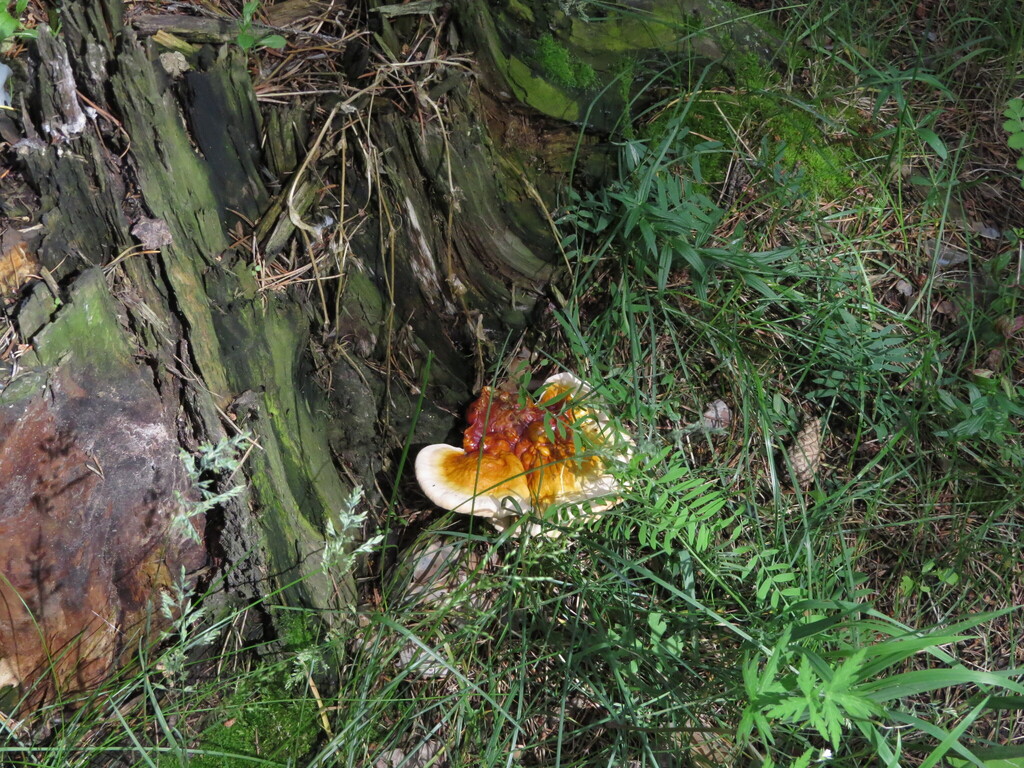
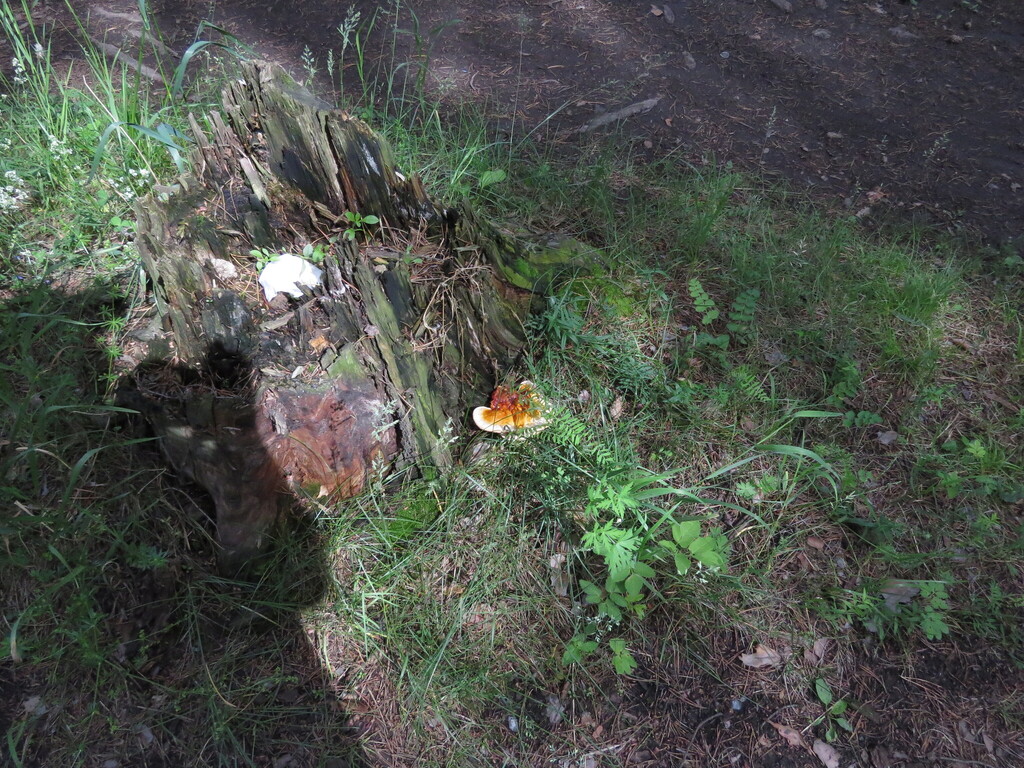
Дарья Орлова · CC BY 4.0
Related Species
Was this profile helpful?