
Insecta · Odonata
Southern Hawker
Aeshna cyanea
Least ConcernAlso known as: Blue Darner, Blue Hawker, Southern Aeshna, Southern Hawker Dragonfly
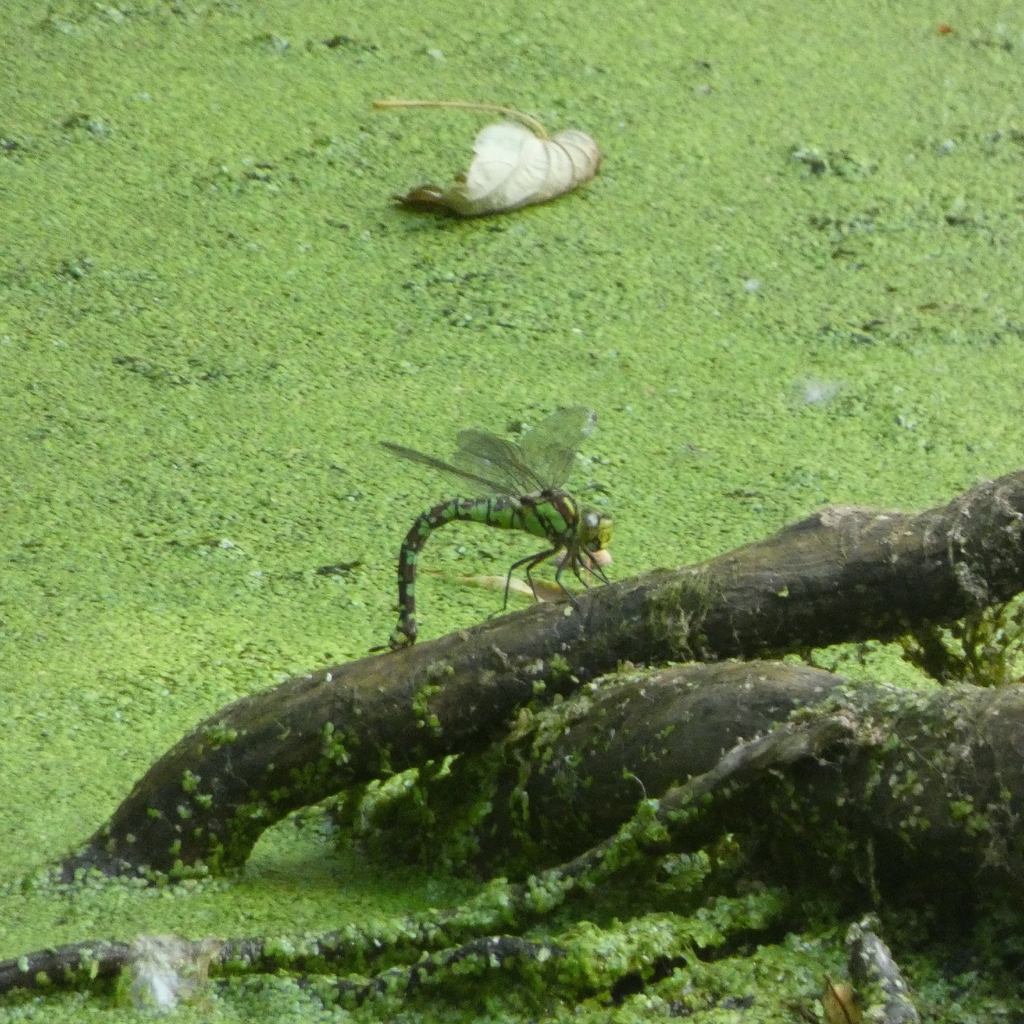
© Ross McCallum · iNaturalist · CC BY 4.0
The Southern Hawker is a large and agile dragonfly that cuts through summer air with remarkable precision, hunting smaller insects mid-flight across temperate wetlands and gardens. With a scientific name honouring its steel-blue colouration, Aeshna cyanea belongs to the family Aeshnidae—swift, powerful predators that have remained virtually unchanged since the time of dinosaurs. Found across 16 countries and classified as Least Concern, this species thrives in human-modified landscapes as readily as in pristine nature reserves, making it one of Europe’s most successful and visible dragonflies.
What sets this species apart is its bold behaviour and tolerance for human activity. Unlike many dragonflies that flee disturbance, Southern Hawkers patrol their territories with evident curiosity, often approaching observers without hesitation. Their adaptability to ponds, ditches, and even urban water features has made them a familiar sight to naturalists across their range, and their presence signals a healthy aquatic ecosystem beneath the surface where their aquatic larvae develop in the murky depths.
Identification and Appearance
Aeshna cyanea is a large, brightly coloured dragonfly with a body length of approximately 70 mm (2.8 inches) and a wingspan reaching up to 110 mm (4.3 inches). The thorax is brown, marked with two prominent ante-humeral wide green longitudinal stripes running down the front. The wings are hyaline (transparent) with dark pterostigmata and characteristically dark leading edges. A distinctive black T-shaped spot adorns the forehead, a reliable identifying feature in the field.
Sexual Dimorphism
Males display a dark abdomen with striking apple green markings across most segments, though the final segments (S8–10) lack these bright colours and remain darker. This contrast between the vibrant mid-body and darker posterior gives males a distinctive appearance. Females show a different colour pattern, though the data provided does not detail their specific markings; however, female hawkers of this genus typically display less vivid colouration than males.
The combination of large size, brown thorax with green stripes, hyaline wings with dark edges, and the characteristic T-shaped frontal spot makes Aeshna cyanea readily identifiable among European dragonflies. The bright apple green abdominal markings of males are particularly distinctive and aid in field identification.
Distribution and Habitat
Aeshna cyanea is distributed across northern Europe, with the Netherlands emerging as a stronghold for the species. GBIF records show 157 observations from the Netherlands alone, more than double those from Germany (55 records), the next most-documented country. The species has been recorded across 16 countries in total, with significant populations also present in the United Kingdom (24 records), Sweden (22), and France (16). Smaller populations occur in Austria, Norway, Switzerland, the Czech Republic, and Belgium.
The species exhibits a pronounced seasonal pattern, concentrated almost entirely within a single month. June accounts for the overwhelming majority of observations, with 256 records from that month alone. All other months combined contribute fewer than 50 records, indicating that Aeshna cyanea is effectively restricted to early summer activity in its northern range. This extreme seasonal concentration reflects the timing of emergence and adult activity for the species in temperate European waters.
No elevation data are available from the distribution records, suggesting the species occurs across a range of lowland to moderate altitudes without pronounced elevation restriction. The summer breeding pattern and northern distribution indicate a preference for temperate freshwater habitats, though specific habitat classifications have not been documented in the current dataset. The species’ presence across both maritime and continental regions of northern Europe indicates broad habitat tolerance within its core range.
Biology and Behavior
Behavior
Southern Hawkers are highly territorial and solitary dragonflies, patrolling their chosen hunting grounds with impressive aerial agility. Males establish and defend territories around water bodies, performing characteristic hovering flights and rapid darts as they search for prey and receptive females. They are active hunters throughout the day, making use of their exceptional eyesight to locate moving targets in flight.
These dragonflies are strong fliers capable of rapid acceleration and precise maneuvering, characteristics that make them formidable predators of smaller insects. When not actively hunting, they may perch on vegetation or simply rest in mid-air, remaining alert for movement. Territorial disputes between males are common, involving direct aerial chases and physical confrontations as individuals compete for prime hunting and breeding locations.
Diet
Southern Hawkers are carnivorous aerial hunters that feed exclusively on live insects captured in flight. Their primary prey consists of smaller flying insects such as mosquitoes, gnats, small flies, and other soft-bodied arthropods. They hunt by sight alone, using their large compound eyes to track and intercept moving prey with remarkable precision during flight.
Hunting success depends heavily on weather conditions and insect availability. On warm, sunny days with high insect activity, Southern Hawkers feed continuously throughout daylight hours. During cooler or overcast periods when aerial insects are less abundant, feeding activity decreases significantly.
Reproduction
Breeding occurs during late summer and autumn. Males patrol waterside vegetation and open water surfaces, pursuing females and competing for mating opportunities. Mating pairs couple in tandem, with the male grasping the female behind her head in a characteristic posture.
Females lay eggs directly into water or water-logged vegetation by means of their ovipositor, depositing batches of eggs into suitable aquatic habitats. The eggs develop into aquatic nymphs that spend one to two years in the larval stage before emerging as adults. This extended larval period allows populations to remain stable across seasons, with overlapping generations present in established breeding populations.
Conservation and Threats
Aeshna cyanea, the Southern Hawker, holds a conservation status of Least Concern (LC) on the IUCN Red List. This designation reflects that the species faces no immediate threat of extinction and maintains populations across its range. However, this status does not mean the species is immune to environmental pressures—rather, it indicates current population levels are stable enough that it does not qualify for higher-risk categories.
Threats
The primary threat to Southern Hawkers stems from habitat loss and degradation. Wetlands and freshwater bodies—the breeding grounds essential for dragonfly larvae—are drained, polluted, or converted for human development across Europe. Water quality deterioration from agricultural runoff, industrial discharge, and urban pollution reduces the suitability of breeding sites. Climate change poses a secondary threat by altering water temperatures, seasonal patterns, and the availability of aquatic vegetation that larvae depend upon for shelter and hunting.
Conservation Efforts and Legal Protections
In many European countries, dragonflies including Aeshna cyanea benefit from protected status under national wildlife laws and international agreements. The Habitats Directive in the European Union safeguards wetland habitats critical to their lifecycle. Conservation initiatives focus on restoring and creating new wetland habitats, protecting water quality standards, and maintaining connectivity between breeding and foraging sites. Protected areas and nature reserves across their range provide refugium from intensive land use.
Fun Facts
- Southern Hawkers are among the fastest dragonflies in Europe, capable of sustained flight speeds exceeding 50 kilometres per hour while pursuing prey through the air with remarkable agility.
- These dragonflies display remarkable navigation ability, with individuals capable of migrating hundreds of kilometres across Europe in autumn, yet still locating suitable breeding sites year after year.
- Male Southern Hawkers are intensely territorial and will chase away rivals—and sometimes even females—from their preferred hunting and breeding areas, engaging in dramatic aerial combat that can last several minutes.
- Unlike many dragonfly species that breed only in still water, Southern Hawkers are flexible breeders and will lay eggs in slow-moving streams, ditches, and even brackish water, making them adaptable colonisers of new habitats.
- The compound eyes of Southern Hawkers contain approximately 28,000 individual lenses, giving them nearly 360-degree vision and the ability to detect the slightest movement of prey insects from surprising distances.
- Southern Hawker nymphs are voracious underwater hunters that can take more than a year to develop into adults, spending that entire period actively hunting small aquatic creatures including other dragonfly nymphs and tadpoles.
- Adult Southern Hawkers begin hunting and patrolling their territories very early in the morning—sometimes before sunrise—a behaviour that sets them apart from many other dragonfly species that prefer midday activity.
Conservation Status
LC (Least Concern) · NT · VU · EN · CR · EW · EX
Photo Gallery
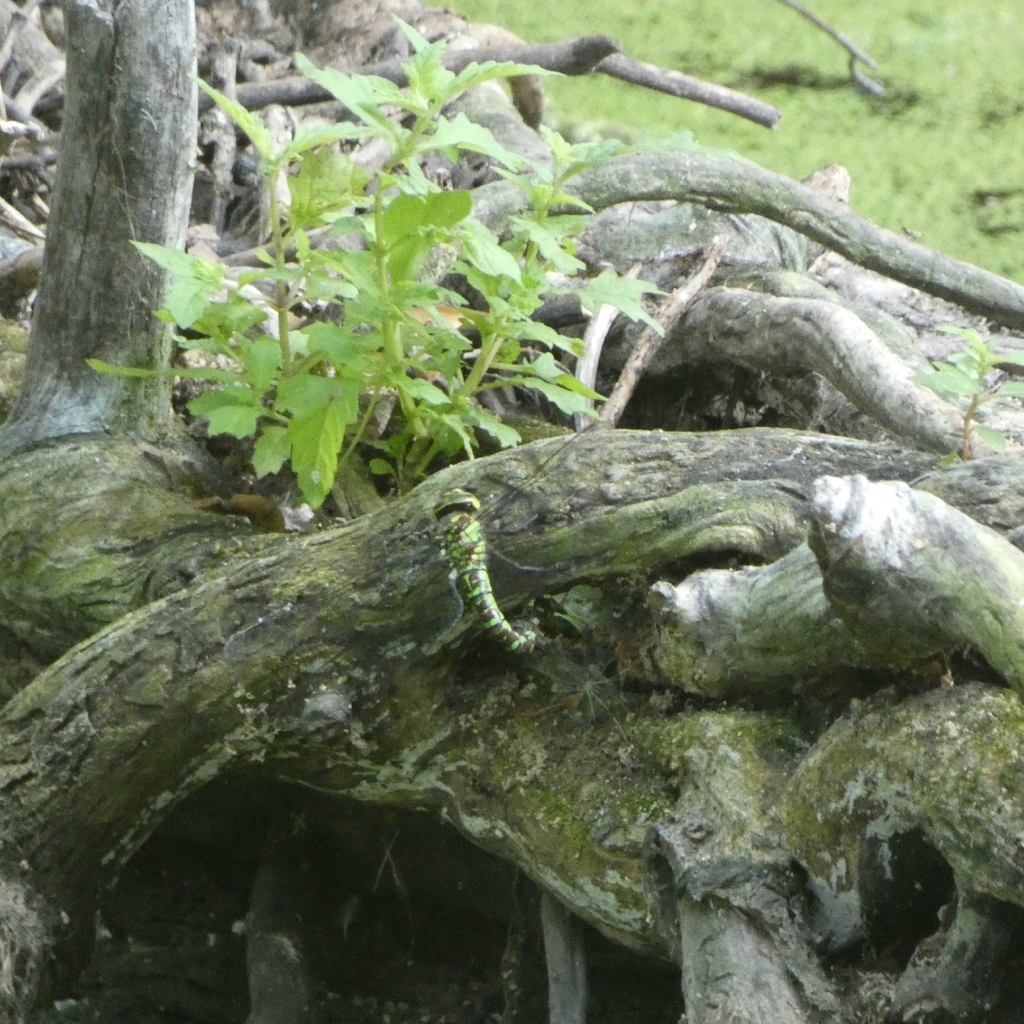
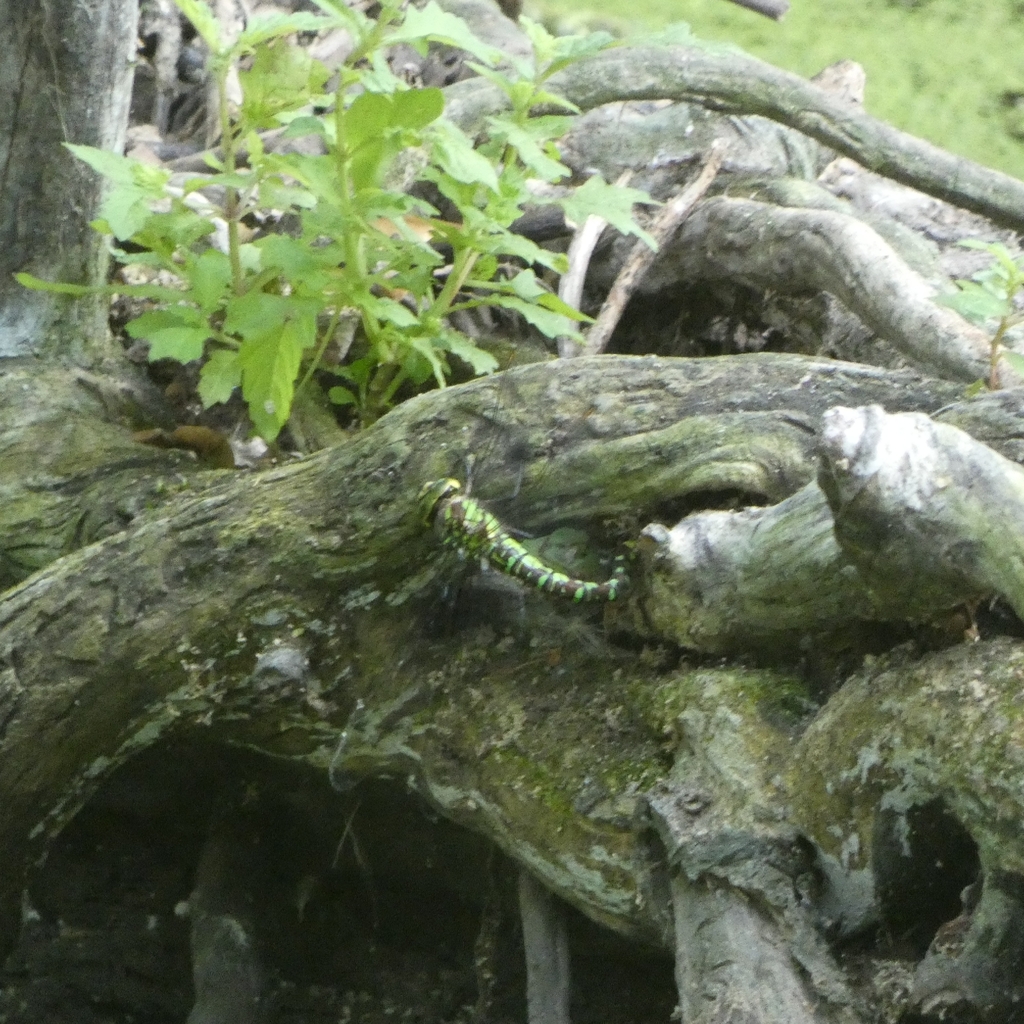
Ross McCallum · CC BY 4.0
Related Species
Was this profile helpful?